
What Order Do You Seat Parents at a Wedding? A Guide to Creating Harmony on Your Big Day
When planning your wedding, deciding the seating order for parents is an important task that can set the tone for the event.
In a traditional wedding, the parents of the bride usually sit on the left side, while the parents of the groom take the right. This arrangement shows respect and acknowledges the role each family plays in your special day.
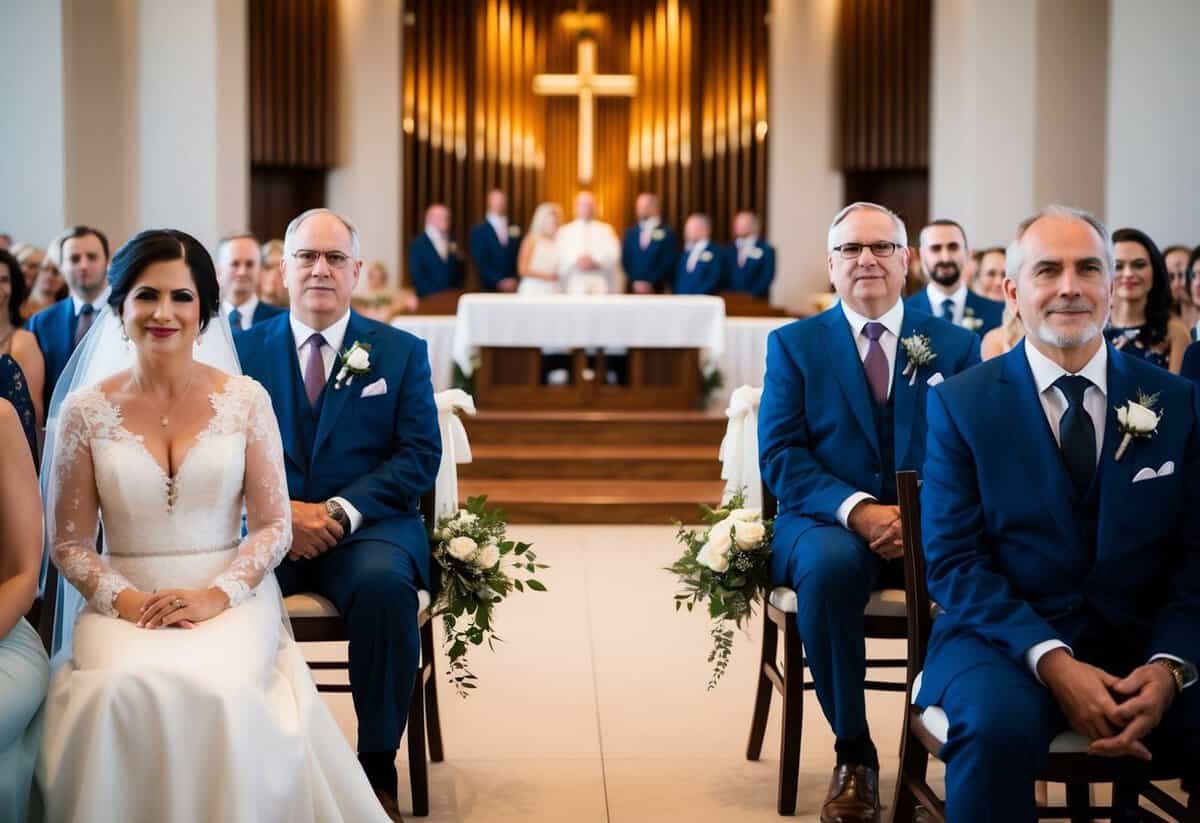
Your personal preference also matters when it comes to seating at the wedding ceremony and reception. You might want to consider if there are any special circumstances, like divorced or widowed parents, to help determine how to arrange the seating thoughtfully.
Balancing tradition with your unique family dynamics can create a comfortable atmosphere for everyone involved.
As you plan, remember that the goal is to make each parent feel honored and included. Taking the time to think about the seating order can help ensure a smooth ceremony and reception, allowing everyone to enjoy the celebration together.
Understanding Wedding Seating Traditions
When planning your wedding, it’s key to know the seating traditions for parents and other family members. These customs can help make the event feel organized and special for everyone involved.
Here’s a closer look at the roles of the wedding party, the significance of seating arrangements, and tips for step-parents and divorced parents.
Roles and Responsibilities of the Wedding Party
Your wedding party plays an important role in the ceremony. Each member, from the maid of honor to the best man, has specific responsibilities. They support you throughout the planning process and during the ceremony itself.
Traditionally, the mother of the bride sits on the left side, while the mother of the groom sits on the right. This arrangement symbolizes the joining of two families. The flower girl and ring bearer usually walk down the aisle right before you.
The officiant stands at the front, leading the ceremony. By understanding these roles, you can create a smooth experience for everyone.
The Importance of Seating Arrangements at the Ceremony
Seating arrangements help set the tone for the wedding. Among family members, clear seating plans can reduce confusion and ensure everyone knows where to go. This is especially beneficial during the processional.
Consider a layout where the immediate family is seated closest to the front. Friends and other relatives can sit behind them. You could also use signs to indicate family sections if necessary.
Making seating arrangements carefully can reflect the relationships among family members. It is a small detail that often goes unnoticed but can make a lasting impact.
Special Considerations for Step-Parents and Divorced Parents
Seating parents who are divorced or remarried can be sensitive. It’s essential to handle these situations delicately to keep the peace.
When seating step-parents, consider their feelings and relationships with your biological parents. It may be best to ask everyone how they feel about where they sit.
For divorced parents, they can either sit in different rows or on opposite sides to minimize tension. Open communication is crucial in these situations. Discuss seating arrangements with your parents ahead of time to ensure everyone feels comfortable and included.
Designing Your Seating Chart
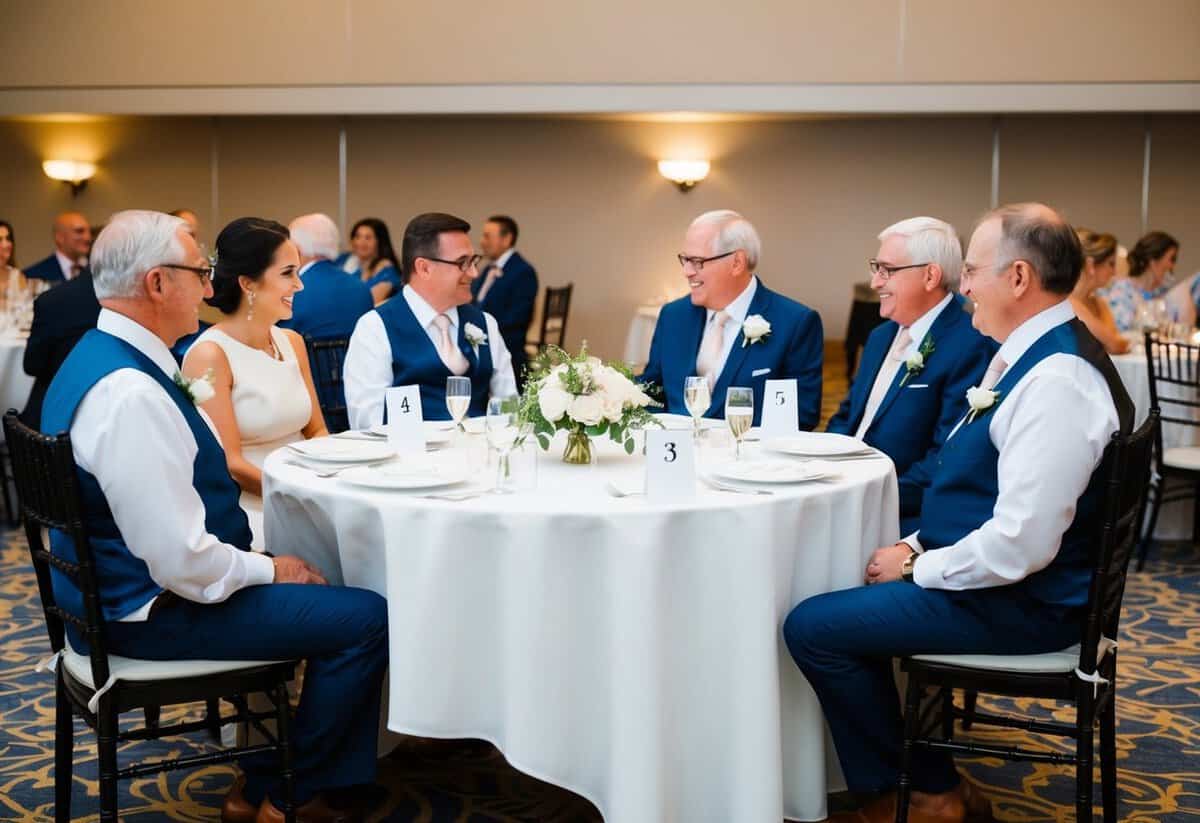
Creating a seating chart for your wedding can feel overwhelming, but breaking it down into manageable steps helps. You’ll focus on designing the reception floor plan first, followed by assigning guests to their tables.
Creating the Reception Floor Plan
Start by sketching a simple floor plan of your reception venue. Consider the shape of tables— round, rectangular, or square.
Round tables can create a more intimate atmosphere, while rectangular tables may encourage group conversations.
Position the head table in a spot where everyone can see you. The sweetheart table is another option for just the two of you.
Don’t forget about the singles table for your single friends; it’s a great way for them to mingle. If you have kids, a kids’ table can keep them entertained while still being close to their parents.
Decide how you’d like the main areas arranged, such as the dance floor, buffet, and bar. Make sure to leave enough space for guests to move comfortably.
Assigning Guests to Tables
Once your floor plan is set, it’s time to assign guests to tables. Start with your guest list and think about family dynamics.
It’s common to have divorced parents seated at separate tables. Use guidelines like seating married parents together and grouping friends or relatives who get along.
Make a seating chart to visualize where everyone will sit. You can create a table for couples, a singles table, or mix guests to encourage new friendships. Use place cards to mark each guest’s spot. This helps everyone find their assigned seat easily.
Consider dietary restrictions when planning who sits where. You want to ensure a positive experience for your guests, so thoughtful table assignments can go a long way.
Finalizing Seating for the Parents
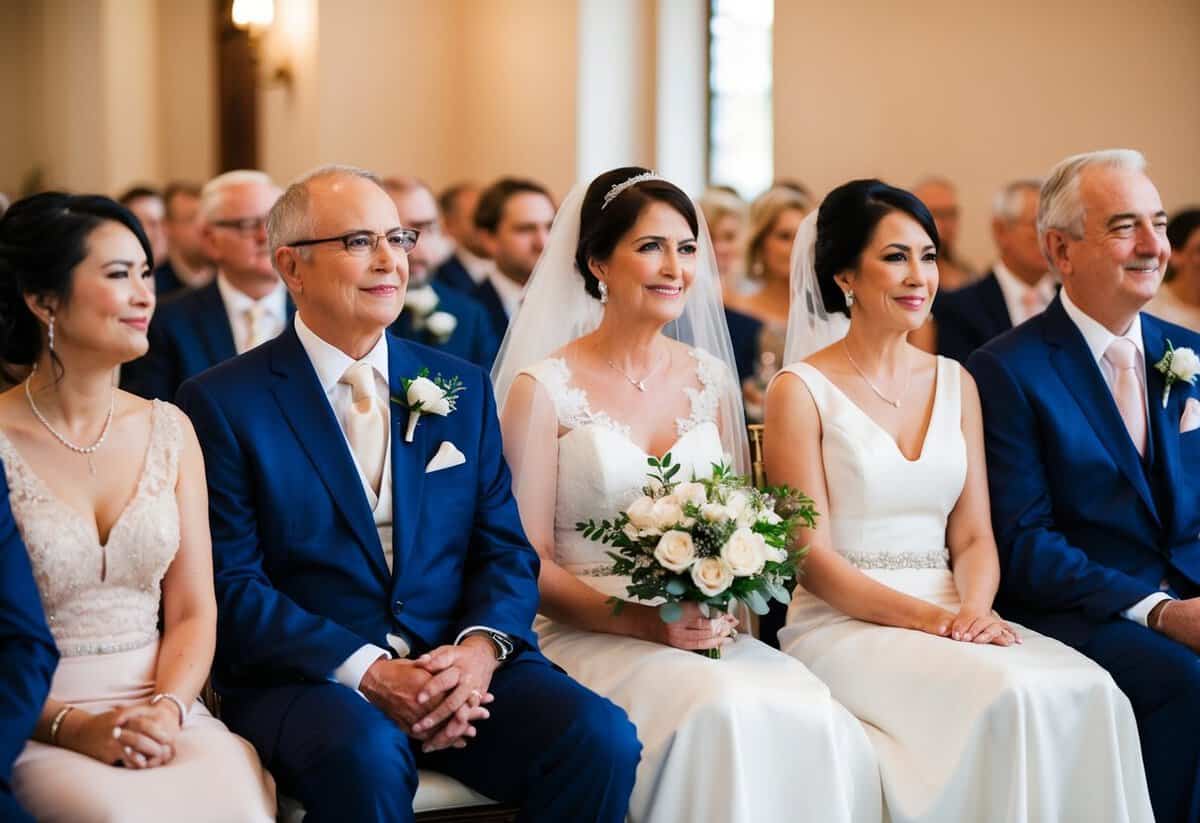
Choosing the right order to seat parents at a wedding is essential. It sets the tone for the ceremony and reflects the importance of family. You’ll need to think about the processional and head table arrangements, as well as how to seat parents with care.
The Processional and the Head Table
During the ceremony, the seating order creates a visual impact. Start with the mother of the bride and the mother of the groom, seated in the front rows on opposite sides.
Follow this by seating grandparents in the next row, ensuring they’re easily visible.
When it comes to the head table at the reception, you’ll want to keep the seating arrangements harmonious.
A common choice is to place the bride and groom in the center. You may choose to seat the mother of the groom directly next to the groom, while the mother of the bride sits next to the bride. This arrangement acknowledges both sets of parents equally.
Seating Your Parents with Grace and Tact
It’s important to make your parents feel special on this big day. Open a line of communication with both sets of parents well in advance. Discuss any preferences they may have regarding seating. This shows your thoughtfulness and respect.
Consider the dynamics of family relationships. If there are any tensions, think creatively about the seating layout. You could seat the mother of the bride and father of the groom further apart. Alternatively, choose a long rectangular table for a more inclusive feel.
Make a list that includes all family members, like groomsmen and bridesmaids, to ensure everyone feels included. By being mindful of relationships, you can create a welcoming environment that everyone will appreciate.