
What Order Should the Top Table Be In? A Guide to Seating Arrangements
When planning your wedding, figuring out the top table’s order can feel overwhelming. The traditional arrangement places the bride and groom at the center, with their closest friends and family seated beside them. This setup creates a sense of unity and gives your loved ones the best view of the festivities.
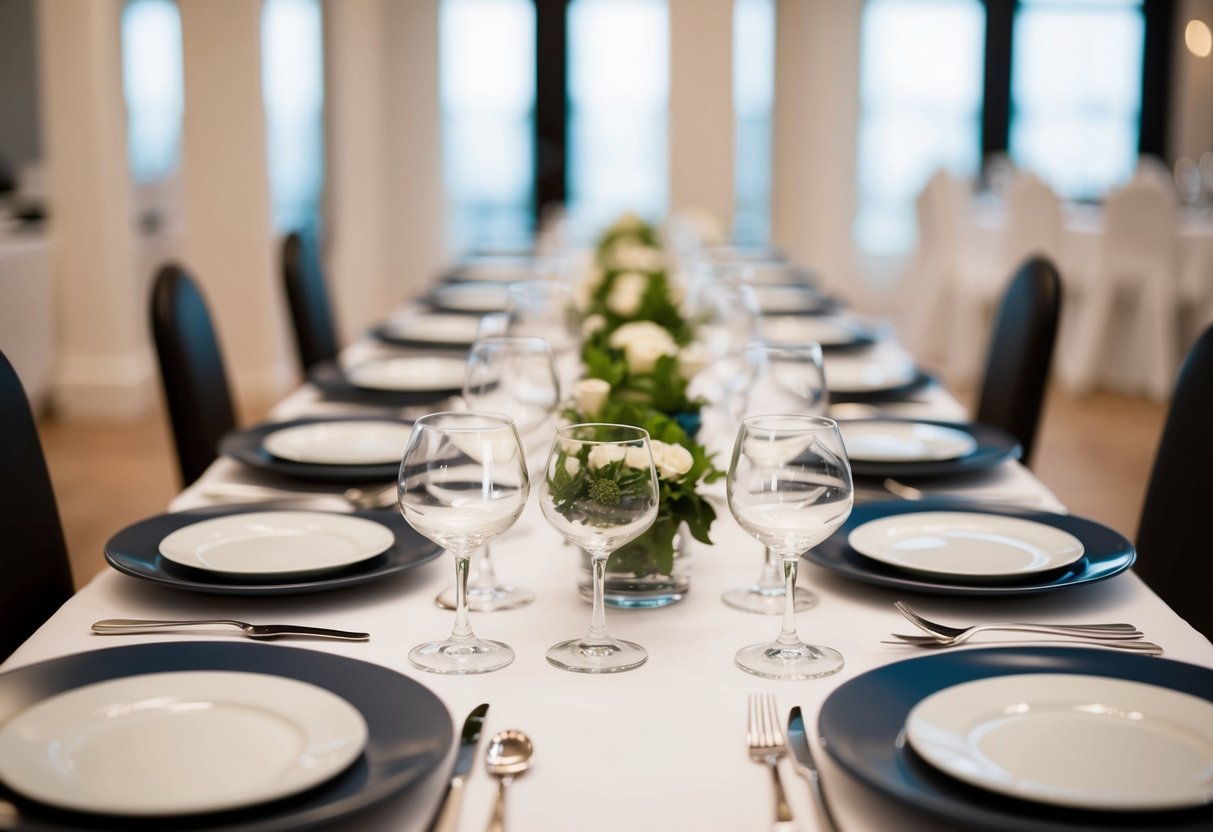
As you plan your seating chart, consider how this choice will impact your overall wedding experience. A clear seating plan not only ensures that everyone knows where to sit but also encourages interaction among guests.
Once you finalize your RSVPs, you can easily align your top table seating with your guests’ preferences, making sure everyone feels included.
As you think through your wedding arrangements, remember that this is your special day. Tailoring the top table layout to fit your style and relationship dynamics can make it even more memorable for you and your guests. Let’s explore some creative options that go beyond the traditional setup!
Essentials of Wedding Seating
Getting the seating right at your wedding is key to making the event run smoothly. Understanding where everyone sits can set the mood and help your guests feel more comfortable. Here’s what you need to know about the top table and how to choose the best seating layout.
Understanding the Top Table
The top table, often the most important part of your seating arrangement, is where you, the bride and groom, will sit. This table typically faces your guests, allowing you to share in special moments throughout the reception.
In a traditional top table layout, you sit at the center, with your parents on either side, followed by the rest of your wedding party. This classic approach creates a nice balance and involves close family members in the celebration, fostering warmth and connection.
Another option is a sweetheart table, just for the two of you. This layout can make dinner feel more intimate, but it may exclude some family from engaging as much. Consider your preferences and family dynamics when deciding on this arrangement.
Determining the Seating Layout
Choosing the right seating arrangement can be tricky but is essential for a successful wedding reception. Think about the overall flow of the event. A well-structured layout helps guests mingle and enjoy themselves.
You might consider several options, such as a round table layout or a long rectangle.
Round tables usually encourage conversation and interaction among guests. In contrast, long head tables can emphasize the importance of the couple and create a more formal atmosphere.
Make sure to clearly label each table so guests can easily find their spots. Having a seating chart at the entrance can help guide them. This organization keeps things smooth and allows everyone to focus on having a great time.
Top Table Configurations
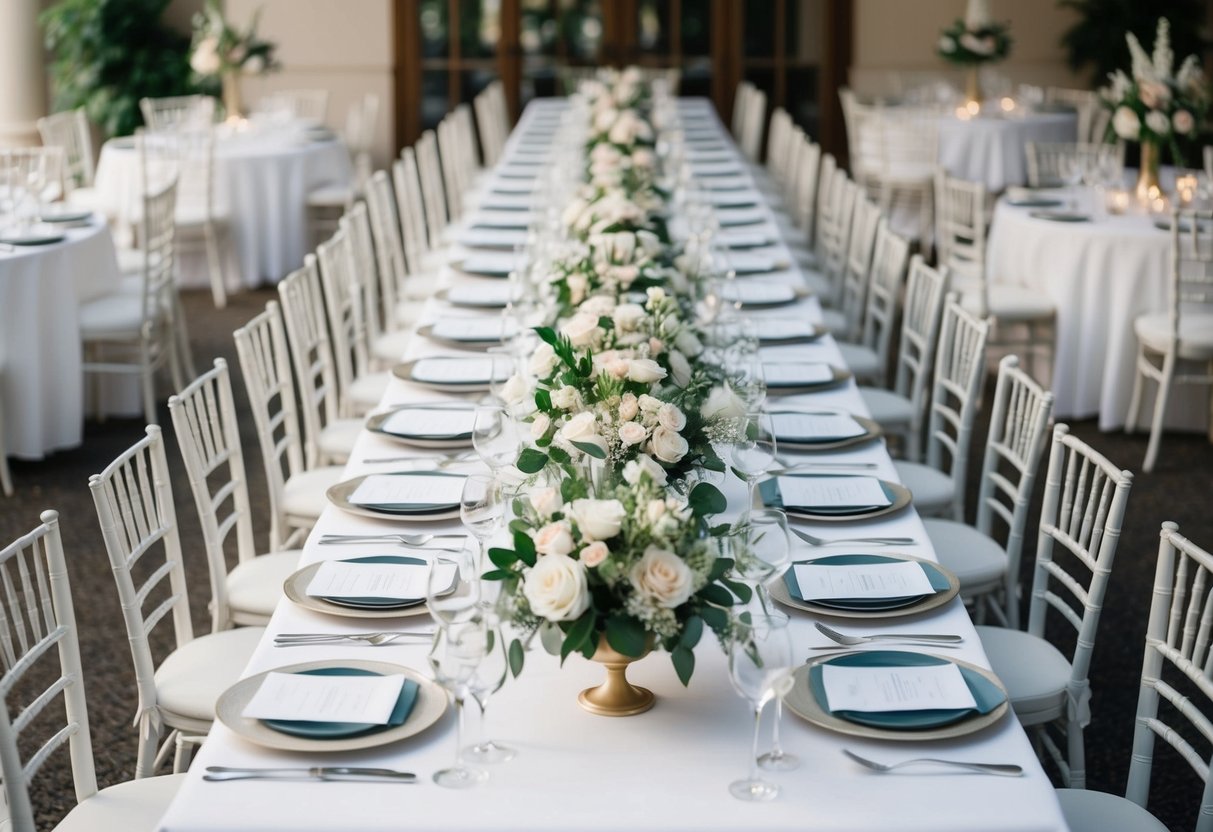
When planning your wedding, choosing how to arrange the top table is important. Different configurations can set the tone for your reception and influence how you interact with your guests.
Classic Top Table Arrangements
The traditional long top table layout is a popular choice for many weddings. In this configuration, you and your partner sit in the center, facing your guests. Usually, the bride sits to the right of the groom. Surrounding you are your closest friends and family, such as your best man and maid of honor. This arrangement promotes togetherness and allows for meaningful interactions.
Alternatively, some couples prefer a round top table. This option creates a more intimate dining experience. You and your partner sit at the center, enjoying a closer connection with your guests. It can make your table feel cozy and inviting, allowing everyone to engage in conversation more easily.
Alternative Options for the Top Table
If you want to try something different, consider skipping a formal top table altogether. Instead, you can opt for no top table, which allows you to mingle with your guests freely.
You can leave a couple of extra chairs at various tables, joining different groups during each course. This approach can make your reception feel more relaxed and inclusive.
Another great option is the intimate sweetheart table. This setup allows you and your partner to enjoy your meal privately while still being part of the celebration. It gives you a moment to connect without being isolated from your guests. Both of these alternatives can help personalize your wedding experience and create lasting memories.
The Key Players at the Top Table
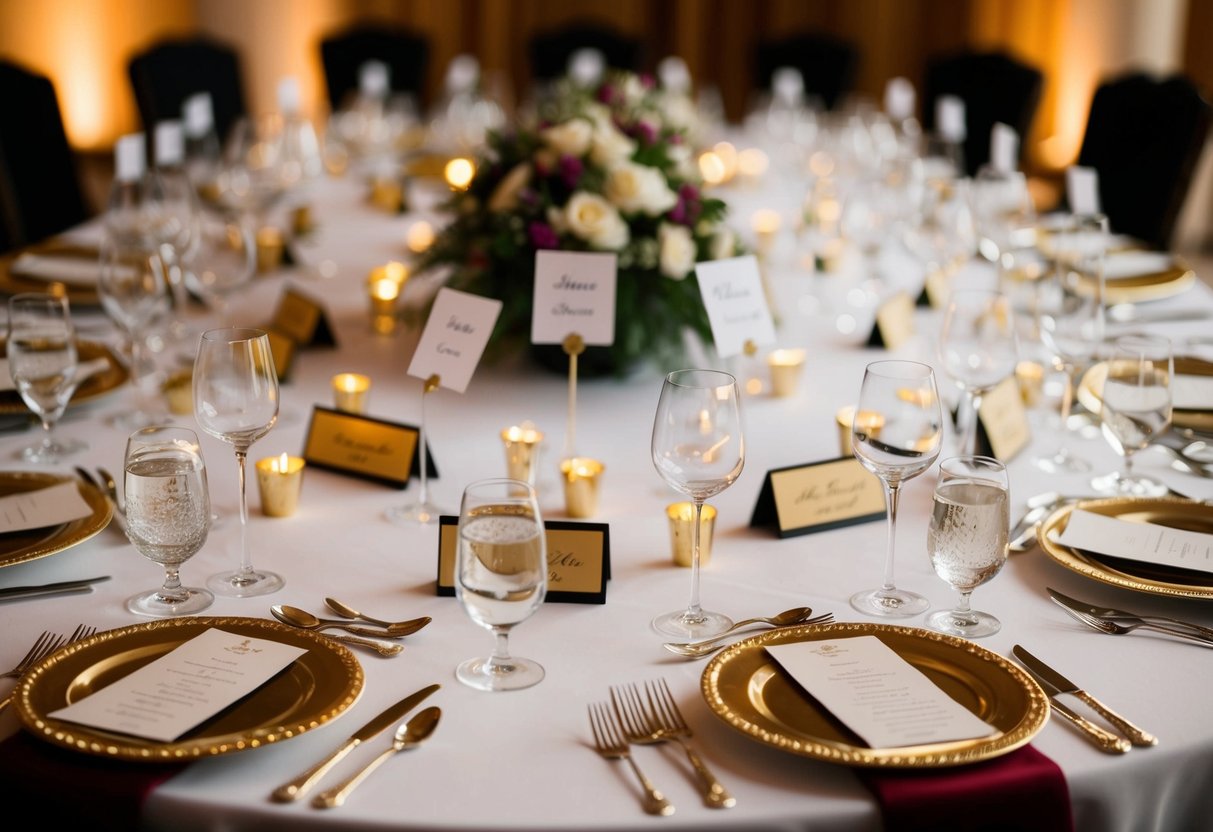
When planning your top table seating, it’s important to think about who will be joining you and what their roles will be. This helps create a warm atmosphere while respecting family dynamics.
Roles and Positions of Bridal Party Members
The top table usually features the bride and groom at the center. Next to you, you’ll want your best man and maid of honor. Their presence symbolizes support during your celebration.
Bridesmaids and groomsmen can be seated beside them. This layout follows a traditional order, but it’s adaptable. You might have your chief bridesmaid next to the groom and groomsmen nearby.
This arrangement fosters a sense of unity and joy. Keeping the bridal party close allows for shared laughter and memories while dining.
Accommodating Family Dynamics and New Partners
Family dynamics can play a crucial role at your wedding. It’s wise to consider seating parents, especially if they are divorced. You might choose to sit each parent at the ends of the table to avoid tension.
If either parent has a new partner, think about their inclusion. You can decide whether to invite them to the top table or seat them at a nearby table to keep things comfortable.
Being thoughtful about these relationships helps keep the mood light and enjoyable. Remember, communication with family members can aid in creating a supportive environment for everyone involved.
Finalizing Your Seating Plan
Creating a seating plan for your wedding can feel daunting. By carefully considering guest preferences and how to orchestrate the meal, you can create a welcoming atmosphere for everyone.
Incorporating Guest Responses and Preferences
Start by gathering input from your guests. You might want to send out a quick survey about dietary preferences or any seating request. This will help you create a more enjoyable experience for everyone.
Next, think about how to arrange the sweetheart table. This is where you and your partner will sit, and it ideally should be in a spot where everyone can see you.
When selecting your family table, consider seating the bride’s mother and father together along with the groom’s parents. This promotes family unity and ensures they feel included in the celebration.
Additionally, place your closest family and friends nearby. This will create a warm environment where everyone can share in your joy.
Orchestrating a Memorable Wedding Meal
Food is a significant part of any wedding. A well-planned meal makes a lasting impression and encourages mingling among guests.
Consider how many tables you want. You might opt for a party table for your friends while reserving another for family. This setup allows for lively conversations and helps break the ice among guests.
When it comes to meal choices, think about offering a mix of options. You can include vegetarian, gluten-free, or other dietary considerations to accommodate your guests.
Make sure you communicate your wedding seating plan to the caterers. They need to know where everyone will be sitting. This helps ensure that food service runs smoothly, making the meal truly memorable.