
What Order to Walk Down the Aisle in the UK? A Simple Guide for Your Big Day
Deciding what order to walk down the aisle can feel overwhelming, but it doesn’t have to be. In the UK, the immediate family walks down first, followed by the wedding party, including bridesmaids, groomsmen, and the couple. Each couple has the freedom to customize the order, allowing for personal touches that reflect their unique style.
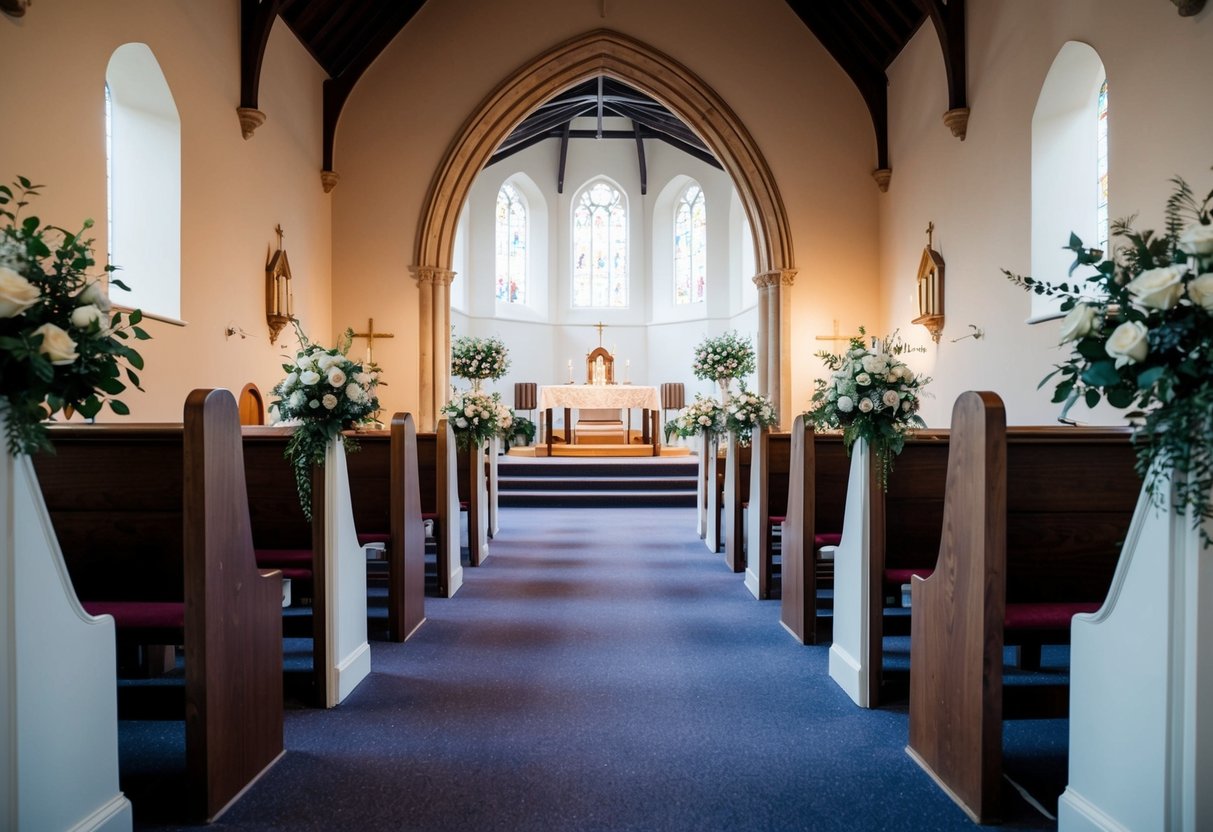
Many traditional elements, like having the flower girl and ring bearer lead the way, can add charm to your ceremony. You might choose to incorporate family members in special ways or have your maid of honour walk last for a grand reveal.
Understanding the options available to you will help you create a meaningful processional. Embrace this chance to make the moment truly yours, ensuring it reflects your love story and personalities.
Understanding Traditional Wedding Ceremonial Order

The order in which people walk during a wedding ceremony is important. It sets the tone and includes various roles for your wedding party. You might also consider how different types of weddings may affect this order.
The Significance of Processional and Recessional Orders
The processional is the part where everyone walks down the aisle, marking the start of the ceremony. It usually begins with the officiant, followed by grandparents, parents, bridesmaids, and finally, the bride.
After the ceremony, the recessional occurs, where the newlyweds exit with their wedding party. This part symbolizes joy and celebration. Each element adds to the atmosphere, helping your guests feel engaged and connected to the moment.
Roles of the Wedding Party Members
In a traditional wedding processional order, each member has a specific role. Here’s a common breakdown:
- Officiant: First to walk, usually to set the tone.
- Grandparents: They follow, honored for their role in your lives.
- Parents: The bride’s parents often walk before the groom’s.
- Wedding Party: Bridesmaids and groomsmen follow, supporting the couple.
As you plan, remember that each role is meaningful. You can mix roles or adapt based on family dynamics, so your ceremony feels personal and true to you.
Variations in Different Types of Weddings
Different weddings have unique processional orders. For a traditional Christian wedding, the order often follows specific customs that are widely accepted.
In a Jewish wedding, the Ketubah may be carried down the aisle, and the couple may circle each other.
For a Hindu wedding, the groom may enter with a procession called the Baraat, adding excitement.
Nondenominational and alternative ceremonies offer even more flexibility. You can create your own order based on what feels right for you. Remember, your special day should reflect your values and beliefs.
Roles and Order of the Main Participants

In a UK wedding, the order of participants walking down the aisle plays a key role in setting the tone for the ceremony. Each person has a special role and adds meaning to the procession. Here’s a closer look at how the bridal party and family members participate.
The Bridal Party’s Journey to the Altar
The bridal party typically sets the stage for the bride’s grand entrance. It often starts with the bridesmaids walking down the aisle together. They can be followed by the maid of honour, who is usually the bride’s closest friend or sister.
After the bridal party, the flower girls usually come next. They may toss petals or carry a small basket. If there is a ring bearer, they often follow closely behind, holding the wedding rings.
Finally, the bride makes her entrance. Traditionally, she walks alone or with her father. This moment is often filled with anticipation and emotion, marking a beautiful beginning to the ceremony.
Honoring the Families in the Processional
Honoring family members is essential in a wedding’s processional. It often starts with the parents of the groom, who take their seats first. Groom’s parents usually walk together and sit on the right side of the venue.
Next, the mother of the bride has an important role. She may walk alone or be escorted by a family member, typically sitting on the left side. Fathers may also have the honor of walking the bride down the aisle.
If grandparents are present, they can be seated next, often followed by any remaining family members. This order reflects the significance of family support in the union being celebrated and highlights the blending of both families.
Musical and Symbolic Elements of the Processional
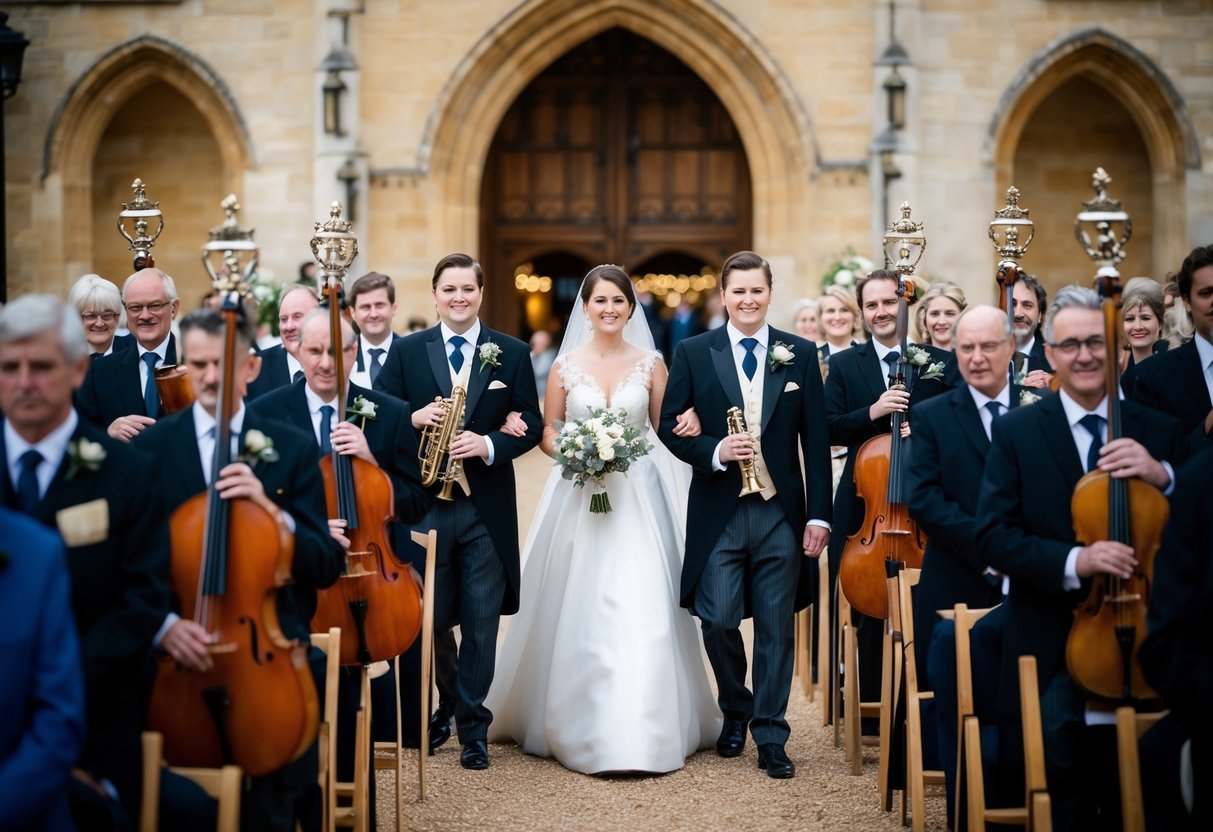
The wedding processional is a significant moment in your ceremony. The music you choose and the order in which people walk down the aisle both carry deep meanings and set the mood for the event.
Selecting the Right Wedding Processional Music
Choosing your wedding processional music is an important task. It creates the atmosphere as you make your grand entrance. You might consider classics like the “Bridal Chorus” from Wagner or Mendelssohn’s “Wedding March.”
You can also go for modern songs that reflect your personality or love story. It’s helpful to pick a piece that resonates with both you and your partner.
Make sure the music matches the tone you want for the ceremony. You might want something uplifting and joyful. Consider having a vocalist perform during the processional for an added touch. The right song will evoke emotions and set a beautiful scene.
Symbolism Behind the Order of Walking Down the Aisle
The order of walking down the aisle holds symbolic meaning. Traditionally, the officiant is first, signifying that the ceremony is about to begin.
Next, the bridal party walks in pairs, showcasing support for you and your partner. The bride usually walks last, often with her parents, signifying her transition into a new chapter.
This order reflects community and family bonds. Each person’s entrance is a moment filled with emotion, signifying their role in your journey.
The careful planning behind this order enhances the significance of your wedding, making it memorable for you, your guests, and your loved ones.