
What Percent of People RSVP No? Understanding Guest Responses at Events
Planning a wedding comes with many questions, and one of the most common is about guest attendance. When you send out invites, it’s important to know how many people are likely to RSVP no. On average, between 15% and 20% of guests will typically decline an invitation to a wedding. Understanding this can help you manage expectations and ensure your big day is just as you envision.

The percentage of guests who say no can vary based on several factors, like the location of your wedding or the time of year. For destination weddings, this number may drop to around 30% or more. Knowing these trends can help you plan accordingly, making your planning process smoother.
As you prepare for your special day, remembering that you might not get a full turnout can ease some of the stress. This insight will allow you to focus on creating a memorable experience for those who can celebrate with you.
Understanding RSVP and Guest Attendance

Knowing how RSVP works is key to planning your wedding effectively. When you send out invitations, you’re essentially asking guests to confirm their attendance. Understanding what influences their responses can help you gauge how many people will actually attend your special day.
What Is RSVP and Its Significance in Wedding Planning
RSVP stands for “Répondez s’il vous plaît,” which means “please respond.” This response is vital in wedding planning. It helps you determine your guest count, which impacts everything from seating arrangements to catering.
When you send out save-the-dates and invites, it’s important to include a clear RSVP deadline. This encourages guests to respond by a certain date. Most couples experience around 15-20% of attendees RSVP “no,” and understanding this can help you plan for last-minute changes.
About 83% of those invited typically accept the invitation, but this can vary based on the type of wedding and location. Destination weddings may see lower attendance rates due to travel costs.
Factors Influencing RSVP Responses
Several factors can affect how many guests RSVP “no.” One of the biggest reasons is travel. Friends and family may not be able to make it if they have to travel a long distance.
Other reasons include scheduling conflicts or personal circumstances. People may also be uncertain about their plans, especially for events during busy seasons.
Social dynamics play a role too. Some guests might feel obligated to attend certain weddings, while others may politely decline if they do not know the couple well. Additionally, the choice of venue can influence decisions. A local venue is likely to attract more guests compared to a destination wedding.
Encouraging timely RSVPs can ease your planning process, allowing you to focus on other aspects of your big day.
Insights into Guest List Management

Creating a wedding guest list can feel overwhelming, but organizing it effectively will make the process smoother. It’s essential to think carefully about who to invite and how to manage different types of events.
Crafting Your Wedding Guest List
Begin by listing everyone you’d like to invite. Consider breaking them into categories: Must-Have Guests like close family and friends, and Preferred Guests who you’d like to include if space allows.
When planning a large wedding, you might have more flexibility, but for a small wedding, keep your list concise. Remember to consider out-of-town guests. Make them feel special; think about a thoughtful wedding invitation that eases travel concerns.
A wedding website can help streamline communication. Share important details like accommodations and local attractions. This is especially helpful for destination weddings where guests may not be familiar with the area.
Managing Different Types of Wedding Events
Each type of wedding event requires different guest list considerations. For a large wedding, aim for a bigger guest list, knowing that about 17% may RSVP no. Using a guest list calculator can help estimate attendance.
For a small wedding, every count matters. Be prepared for a more intimate setting where your choices have a significant impact. Consider asking local guests first, as they’re more likely to attend.
Don’t forget to set a wedding budget when managing your list. This will guide your decisions about who to invite and how many people you can accommodate. Keep in mind wedding etiquette as you craft your list, ensuring you respect any family or cultural expectations.
The Impact of No-Shows on Weddings
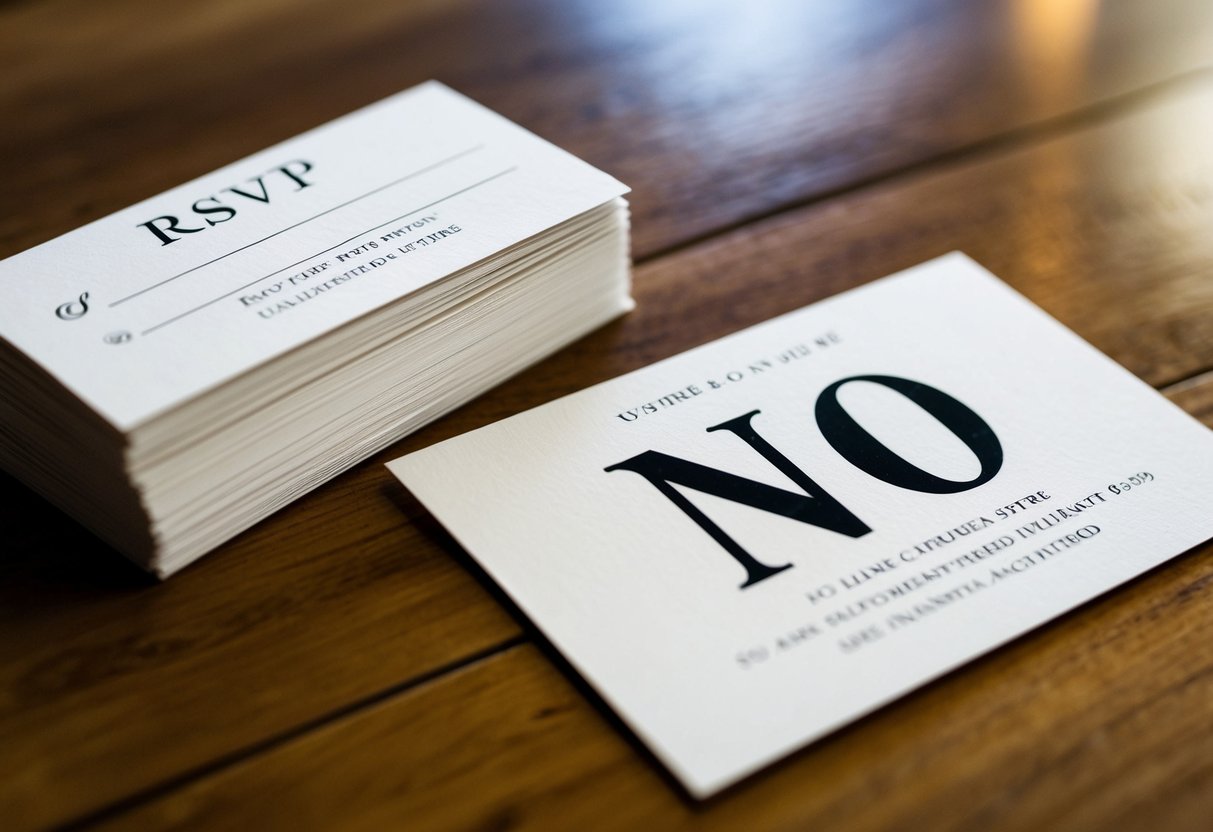
No-shows can significantly affect your wedding plans and budget. Understanding the average no-show rates can help you anticipate potential challenges and find ways to reduce the impact on your special day.
Average No-Show Rates and Their Consequences
On average, around 15% to 20% of guests who RSVP may not attend your wedding. This means if you invite 100 guests, you might expect 15 to 20 no-shows. The reasons vary, from emergencies to scheduling conflicts.
These absences can impact your wedding costs. When planning, vendors often base pricing on your headcount. Fewer guests can mean less food, fewer favors, and potentially lower costs. However, if you underestimate the no-show rate, you may face unexpected expenses if you’ve set payments in advance based on a higher headcount.
How to Minimize the Number of No-Shows at Your Wedding
To reduce the likelihood of no-shows, clear communication is vital. Send out reminders about a week before the wedding. This helps guests mark their calendars and confirms your attendance counts.
Another tip is to keep your guest list manageable. Larger weddings tend to see higher no-show rates. Consider inviting only your closest family and friends. Additionally, make your wedding day appealing. Highlight special activities or unique experiences that will encourage attendance.
By taking these steps, you can help ensure that more of your positive RSVPs turn into actual attendees, making your celebration even more enjoyable.
Logistics of Wedding Guest Attendance

Planning for your wedding means thinking about who will show up. Understanding the dynamics of guest attendance, especially for out-of-town and destination guests, is crucial. Knowing how to estimate headcount helps in making informed decisions about your venue and catering.
Coordinating with Out-of-Town and Destination Wedding Guests
When inviting out-of-town and destination wedding guests, clear communication is essential.
- Send Invitations Early: Aim for a minimum of 8-12 weeks before the wedding date. This gives guests time to arrange travel and accommodations.
- Provide Helpful Information: Include details about nearby hotels, transport options, and local attractions. This can ease their planning and encourage attendance.
You can expect lower attendance from destination wedding guests, often around 35%. Keep track of RSVPs and follow up with guests who haven’t responded. This helps you get a better idea of your final headcount.
Estimating Headcount for Venue and Catering Decisions
Your guest list directly impacts venue size and catering needs. Aim for a realistic estimate to avoid last-minute surprises.
- Average Attendance Rates: Generally, expect 70% to 85% of invited guests to attend. Local guests usually confirm more than out-of-town ones.
- Adjustments for No-Show Rates: Include a cushion in your numbers for potential no-shows. If your venue holds 100 guests, inviting 125-150 can be wise.
Review your guest list carefully. Keep local attendance in mind and plan accordingly.
Large weddings require careful attention to dining options and seating arrangements to ensure everyone enjoys their day.