
What Percentage of Guests Decline Wedding Invitations? Understanding RSVP Trends
Planning a wedding can be exciting but also stressful, especially when it comes to managing your guest list. A common question that arises is about how many people will actually attend. You can expect that around 15% to 25% of wedding guests will decline your invitation. This percentage can fluctuate based on several factors, including the timing and location of your wedding.

As you prepare your invitations and send out your RSVP requests, it’s essential to keep this decline rate in mind. Understanding this percentage helps you set realistic expectations about your guest count. Remember, each “no” can affect your planning, catering, and seating arrangements, making it important to manage your invitations wisely.
With careful planning and an understanding of how many guests might decline, you can navigate these challenges more smoothly. By knowing this average, you can feel more secure as you approach your big day.
Understanding RSVP and Guest List Dynamics
When planning your wedding, understanding how RSVPs and guest lists work is key. Knowing how many guests are likely to attend can help you finalize your plans and set your budget.
The Role of RSVP in Wedding Planning
RSVPs are essential for managing your wedding guest list. They let you know who will be attending and who won’t. Typically, around 15% to 20% of guests may decline invites, so it’s essential to consider this when sending out your invites.
Tracking RSVP Responses:
- Send reminders to your guests.
- Use an online tool to manage responses.
- Keep a running tally of acceptances and declines.
Having this information helps you make better decisions about seating, catering, and other arrangements, ensuring a smoother planning process.
Creating a Balanced Wedding Guest List
Creating a balanced wedding guest list can be challenging but is critical for a successful event. Start by listing everyone you want to invite, then prioritize your list based on your relationships and guest dynamics.
Considerations for a Balanced List:
- Family: Include close family members first.
- Friends: Decide which friends are most important to you.
- Work: Include key coworkers if necessary.
This will help you make tough choices later on. Being clear about who makes the cut can reduce stress and make your day more enjoyable.
A List and B List Explained
An A list and B list can help manage your guest list efficiently. The A list includes your top priority guests, those you cannot imagine celebrating without. The B list consists of additional guests you would love to invite but are not essential.
Managing Both Lists:
- Aim to send the A list invitations first.
- Allow for a certain number of declines when inviting from the B list.
This strategy helps ensure that you fill your venue while also being considerate of your initial guest priorities. Keeping both lists organized can lead to a smoother planning process, so you can enjoy your big day.
Factors Influencing Guest Attendance
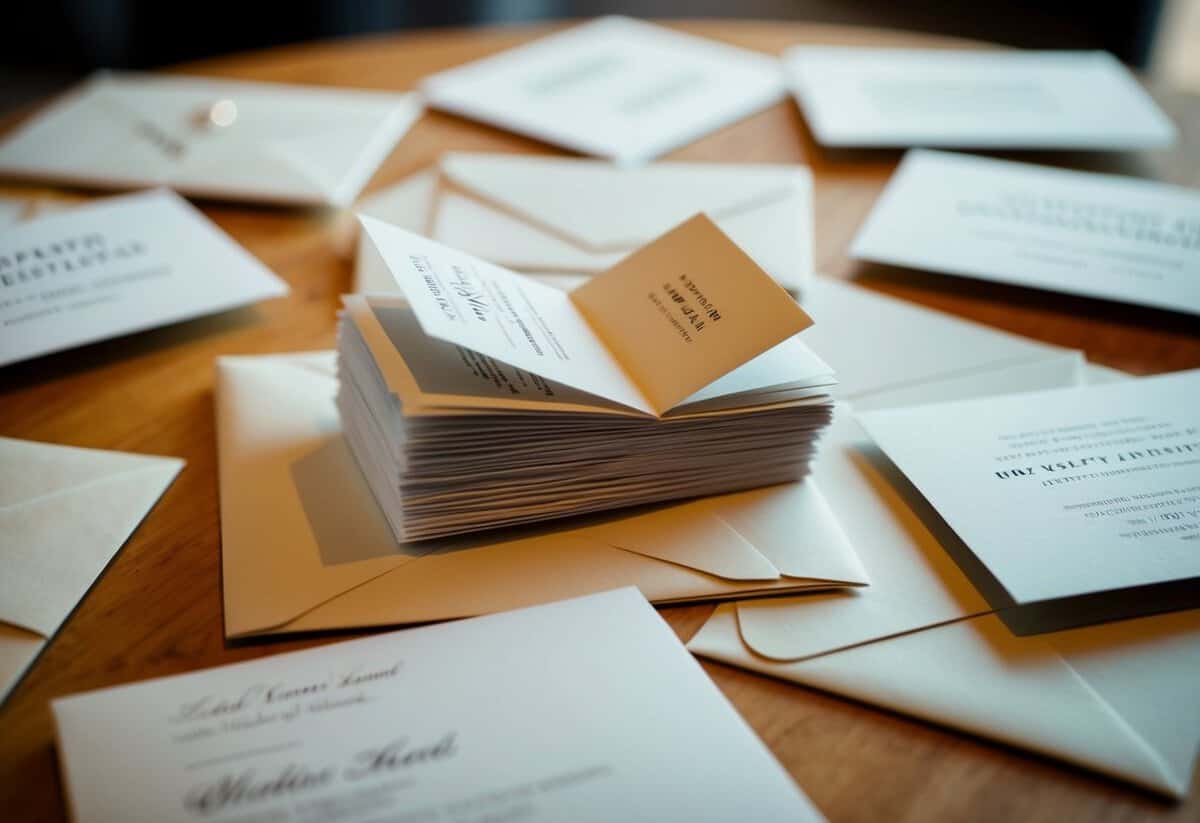
Several factors can affect whether your guests will attend your wedding. Destination weddings, the timing of your event, and financial considerations all play important roles. Understanding these elements can help you anticipate your guest list turnout.
Impact of Destination Weddings
If you are planning a destination wedding, consider the travel distance for your guests. Some may not be able to make the trip due to logistics or time constraints.
Those who live far away may need to take flights, book hotels, or arrange transportation. This can be overwhelming and costly for many. You might notice that about 20% to 25% of guests often decline invitations to destination weddings, particularly if travel plans are complicated.
Time of Year and Scheduling Conflicts
The time of year you choose for your wedding can greatly affect guest attendance. Popular months for weddings, like June and September, may have higher rates of acceptances.
Conversely, winter holidays or busy summer vacation seasons often lead to scheduling conflicts. Guests may have prior commitments or family plans that prevent them from attending. You may find that planning your wedding in an off-peak month can help you secure more “yes” RSVPs.
Financial and Travel Considerations
Financial constraints can significantly impact guests’ ability to attend your wedding. This includes costs for travel, accommodation, and gifts.
For example, if many guests are traveling from far away, consider that these expenses can add up quickly. You might also want to think about providing travel suggestions or group rates for hotels. Addressing these concerns can help alleviate some stress for your loved ones, potentially increasing their chances of attending your special day.
Calculating and Managing Guest Attendance

When planning your wedding, knowing how many guests to expect is crucial. Understanding the decline rate and adjusting your guest list accordingly can help ensure everything runs smoothly.
Estimating the Decline Rate
Most weddings see an average decline rate of about 15-20%. This range is essential for planning your wedding size and catering needs. You might invite 100 guests, expecting around 80 to 85 to attend.
To better estimate, consider your wedding’s timing and location. Busy seasons or major holidays can lead to more declines. Use this information to adjust your expectations and avoid overbooking the venue.
Adjusting Guest Count for Different Wedding Sizes
Your guest count will vary based on the type of wedding you’re planning. For a small, intimate wedding, aim for a lower RSVP decline rate, around 10-15%. In contrast, larger weddings might see a decline rate of 20% or more.
When finalizing your guest list, keep in mind how the venue size affects attendance. Larger rooms may lead to more declines since guests might feel overwhelmed. Adjust your invites based on what fits your vision and budget.
Utilizing a Wedding Guest List Template
A wedding guest list template is a handy tool. It helps you track who’s invited, their RSVP status, and meal choices. A clear layout will make managing your guest attendance easier.
Include columns for names, contact information, and notes about each guest. This keeps everything organized. Many online templates allow for easy updates and tracking, helping you adjust the guest count as needed. This way, you can ensure that you have an accurate estimate for your catering and seating arrangements.
Etiquette and Considerations for Declining Invitations
If you find yourself needing to decline a wedding invitation, it’s important to do so respectfully and thoughtfully. Understanding how to communicate your decision is key to maintaining good relationships. Here are some helpful tips on declining, handling no-shows, and advice for hosts.
How to Politely Decline a Wedding Invitation
When you need to decline an invitation, respond as soon as possible. This allows the couple to finalize their guest list without delays. A simple phone call or a gracious note works well.
In your message, be honest but tactful. You don’t need to provide a detailed reason. A statement like, “I’m so sorry, but I won’t be able to attend due to prior commitments,” is sufficient.
Express your excitement for their big day and, if you can, suggest meeting up later to celebrate. This shows that you still value your relationship.
Handling Wedding No-shows
Sometimes guests may RSVP “yes” but don’t show up. This can create stress for the couple and extra costs for the wedding planner. If you realize you can’t attend after RSVP-ing, let the couple know right away.
It’s courteous to send a message explaining your situation. An apology is important, and offering to celebrate in another way is nice. Remember, clear communication helps avoid misunderstandings.
Couples should also accept that no-shows can happen. Planning for a few extras on the guest list may help. This way, they won’t be surprised if some guests don’t show.
Tips for Wedding Planners and Hosts
As a wedding planner or host, you must understand the common percentage of guests who may decline. On average, about 15-20% of invited guests may not attend.
To counteract this, invite slightly more guests than your target number. This compensates for potential declines and ensures a lively celebration.
Stay in touch with guests leading up to the date. A friendly reminder can help confirm attendance plans. Also, keep in mind that some guests might have valid reasons for declining—like distance or other commitments.