
What Percentage of Guests Invited to a Wedding Actually Come? Understanding RSVP Trends
When planning your wedding, one important question arises: what percentage of your guests will actually show up? It’s natural to wonder how many of those invitees will turn into those dancing at your reception.
Typically, you can expect around 75 to 85 percent of invited guests to attend your wedding.

Factors like guest location and the type of event can affect this percentage. For example, local guests usually have a higher turnout than those who need to travel.
Knowing what to expect can help you plan better, ensuring you create the event of your dreams while leaving room for adjustments.
As you prepare your guest list and finalize arrangements, keep in mind these expectations. Your choices about invitations and how far in advance you send them can also play a significant role in your final guest count.
Understanding these dynamics will help you feel more confident as your special day approaches.
Understanding Wedding Guest Attendance

When planning your wedding, knowing how many guests are likely to attend can help you make informed decisions. Several factors influence RSVP rates, and understanding these can assist you in managing expectations for your special day.
Factors Influencing RSVP Rates
Several elements play a role in how many guests actually show up. On average, you can expect about 75-85% of those invited to attend your wedding.
Key factors include:
- Relationship with guests: Closer relationships typically mean higher attendance.
- Sending save-the-dates: Notifying guests 6-8 months in advance increases the chances they will attend.
- Date and time: Busy seasons like summer or holidays may affect attendance.
- Travel requirements: Guests traveling long distances may not attend, especially if they need overnight accommodations.
Understanding these factors will help you anticipate how many of your invited guests will RSVP positively.
Comparing Attendance at Local vs. Destination Weddings
The location of your wedding can greatly affect attendance rates.
At local weddings, about 85% of guests are likely to attend since many will not have to travel far.
In contrast, destination weddings usually see lower attendance. Guests often need to plan and budget for travel and lodging, making it difficult for some to attend. Attendance can drop to just 50-70% in these situations.
You can encourage attendance at a destination wedding by planning for group rates at hotels or arranging fun activities. This can make the trip more appealing and foster a sense of community among guests.
Analyzing the RSVP Process
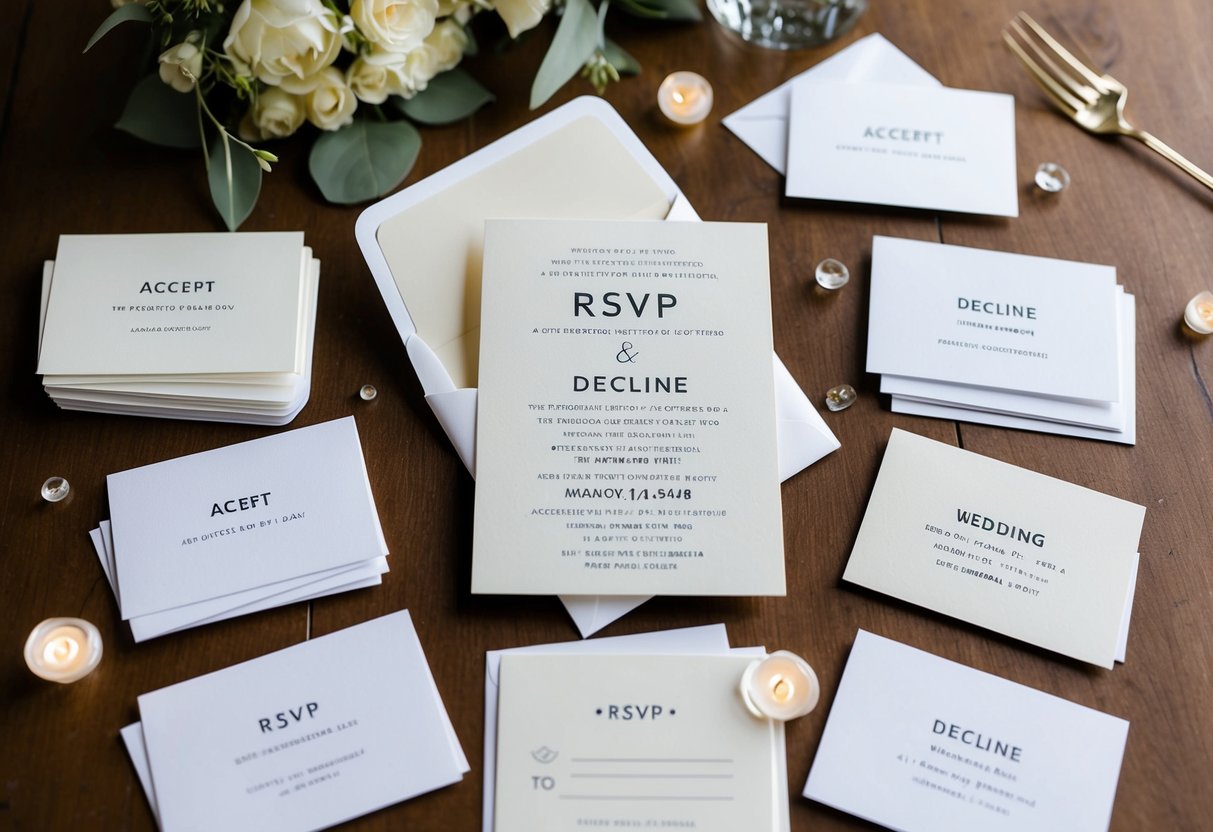
Understanding the RSVP process is vital for ensuring you have a clear picture of your guest list. Two key aspects are how you send out your invites and the way you phrase your RSVP requests.
Importance of Save-the-Dates and Invitations
Save-the-dates are an essential first step. They give your guests a heads-up about your wedding date. Sending these out about six to eight months in advance helps guests plan ahead, especially if travel is involved.
Formal invitations should follow about eight to twelve weeks before the big day.
Clear and timely invitations allow guests to check their schedules and respond.
Providing RSVP details helps streamline your guest list management, ensuring you know who will be there.
You might consider including a deadline for responses. This encourages guests to reply promptly, giving you peace of mind when planning.
RSVP Wording and Response Management
Crafting the right RSVP wording is important. Make it simple and direct, like “Please let us know if you can join us by [date].”
Clear instructions help guests understand what is expected. You can include options for dietary restrictions, which can be really helpful.
Tracking your RSVP responses can be done through a spreadsheet or an online tool. This keeps everything organized and up-to-date.
Regularly check in with guests who haven’t responded, politely reminding them of the deadline.
Incorporating these practices makes RSVP management smoother and helps you prepare for a fantastic celebration!
Planning for Guest List Variability
When planning your wedding, it’s important to understand how many of your invited guests are likely to attend. Different factors can affect attendance, so being prepared for variability is key.
Anticipating No-Shows and Positive RSVPs
It’s common to expect that about 75-85% of invited guests will show up. Local guests usually have higher attendance rates, often around 85%.
Keeping this in mind, make a list of how many positive RSVPs you receive.
- Factors influencing no-shows: illness, travel issues, or last-minute changes in plans.
- Tips: Reach out a week before the wedding to confirm attendance. This can give you a better idea of who will be there.
This planning will help you adjust your seating and catering arrangements confidently.
Adjusting for Wedding Size and Venue
Your wedding size and the venue play significant roles in how many guests you can accommodate. An average wedding guest list includes about 167 people.
- Smaller venues may limit the number of guests you can invite.
- Consider guest relationships: Close friends and family are more likely to attend.
If you find that your venue can only fit a certain number, you might need to adjust your guest list. Always communicate venue specifics to guests, as this can influence their decision to attend.
Designing an Inclusive Guest Experience
Creating an inclusive environment for your wedding guests is important for making everyone feel valued and welcomed. By focusing on thoughtful touches and well-planned events, you can enhance the experience for all your attendees.
Crafting Memorable Wedding Favors
Wedding favors are a great way to show appreciation to your guests. You can choose favors that reflect your personality as a couple while being functional and enjoyable.
Consider options like personalized items, such as keychains or coasters, or tasty treats like cookies or jams.
Including a note expressing gratitude can make the favor even more special.
You might also think about creating favors that cater to a variety of preferences. For example, offering both sweet and savory snacks can ensure there’s something for everyone. Make sure to package them nicely to create a delightful visual appeal.
Reception Planning for Attendees
The wedding reception is an opportunity to bring everyone together. Make sure to choose an accessible venue to ensure all guests can enjoy the celebration.
Plan activities that encourage guest interaction, such as games or photo booths. This will help guests mingle and create memories together.
Additionally, consider dietary restrictions when planning your menu. Offering a variety of food options can help accommodate different tastes and preferences. You could provide vegetarian, vegan, and gluten-free choices to ensure everyone feels included.
Finally, always communicate details such as location, parking, and special accommodations to your guests ahead of time. This will help them feel prepared and excited to join your special day.