
What Percentage of People Invited Show Up to a Party? Insights for Hosting Success
When planning a party, one of the biggest questions is how many of your invited guests will actually show up. On average, about 60% of those invited will attend, but if you invite your closest friends and family, you might expect around 75% to come. Knowing this can help you plan better and ensure that you have just the right amount of food and drinks.
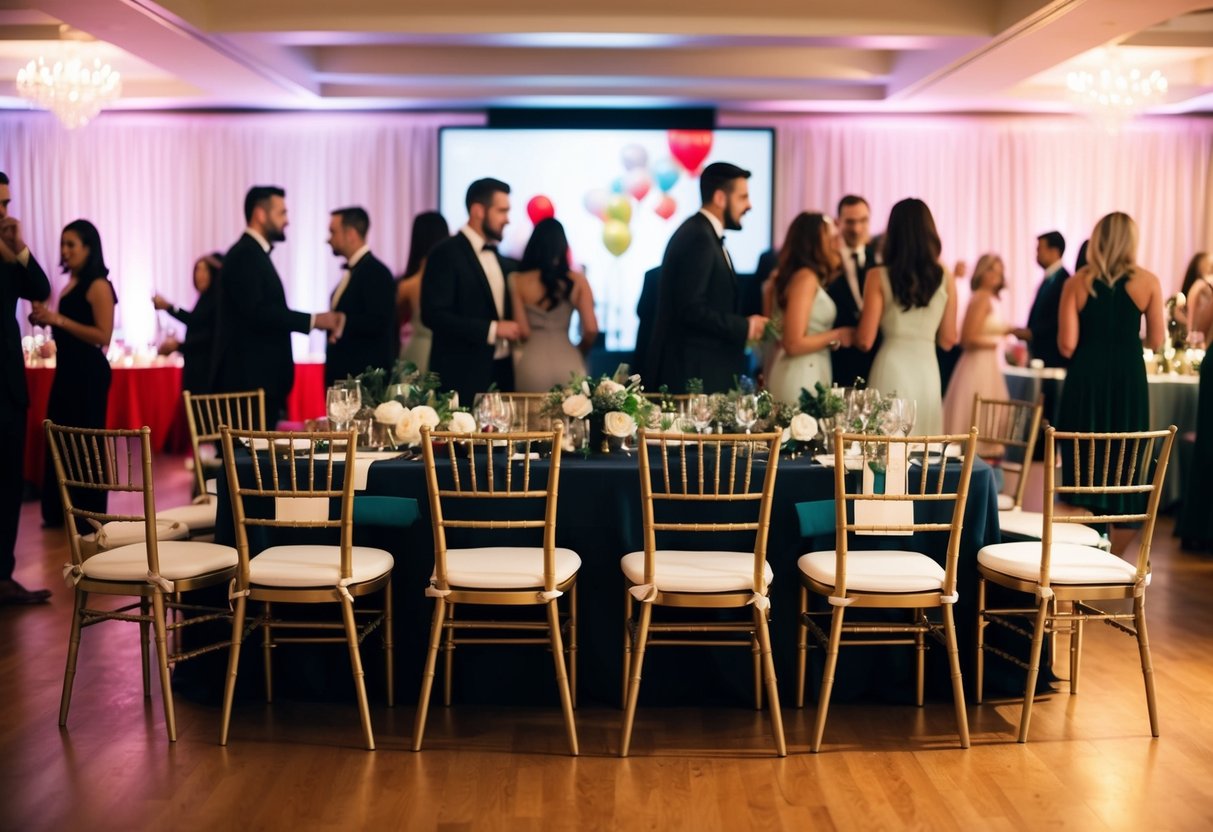
The type of party you’re throwing can also influence attendance. For example, casual gatherings often see higher turnout compared to formal events. It’s also worth noting that men generally have lower attendance rates than women. If you want to have a balanced mix, inviting a few more guys may be a good strategy.
In essence, estimating how many guests will show up can reduce stress as you prepare for your event. By understanding these average percentages and factors affecting attendance, you can make smarter decisions when sending out invitations.
Understanding RSVPs and Attendance Rates
RSVPs play a crucial role in planning any gathering. Knowing how many guests are likely to attend helps you prepare better. Let’s explore the importance of RSVPs and how to calculate expected attendance.
The Importance of RSVPs
Sending out invitations with RSVP requests is vital. When you include RSVP cards, guests can easily respond about their attendance. This feedback helps you manage seating, food, and other arrangements.
On average, around 70-80% of invited guests respond to RSVPs. It’s also important to remember that not all who respond will show up. Each response counts, as it gives you a clearer picture of your final guest list. From close friends and family, you might expect a higher turnout of about 75%.
Calculating Expected Attendance
To estimate how many guests will actually attend your party, consider different factors. A common rule of thumb suggests inviting 100% of your desired guests. Expect about 50% to RSVP, and roughly 60-75% of those who confirm will attend.
For example, if you invite 100 guests and receive 50 RSVPs, you can expect around 30-40 of them to show up. This estimation helps set realistic expectations for food and seating. Adjust your invitation numbers based on the type of event and the relationships you have with your guests.
Factors Influencing Party Attendance

Several factors can impact whether guests decide to attend your party. These include where your guests live and the type of event you are hosting. Understanding these influences can help you plan better and improve attendance.
Local vs. Out-of-Town Guests
Local guests are often more likely to attend your event since they don’t have the added burden of travel. Familiarity with the area can make it easier for them to fit your party into their schedules.
On the other hand, out-of-town guests might face challenges such as travel costs and time away from home. If you are hosting a wedding or a birthday party, consider sending save-the-dates well in advance. This gives those traveling time to plan and can increase their chances of attending.
Offering accommodation options or organizing group rates can make attending your event easier for guests coming from afar. Additionally, keeping the event on a weekend can help boost attendance.
Type of Event and Guest Categories
The type of event plays a significant role in attendance. For instance, weddings typically see higher attendance rates, often around 75-85% of invited guests, because they are significant life events.
Birthday parties can vary. Close friends and family might attend in larger numbers, while casual acquaintances may not feel as compelled.
Guest categories also matter. Typically, friends may be more committed to attending than colleagues. At a house party, the casual nature may draw in more local guests, while a formal affair, like a wedding, may require planning and commitment.
Being aware of these dynamics can help you tailor your invitations and increase attendance.
Planning for Success: Guest Estimates and Party Size

When planning a party, understanding how many guests to expect is vital. Your guest list and estimates will help shape your catering plans and the overall size of your event. Here are some key considerations.
Creating a Balanced Guest List
Start with a clear goal for your guest list. Think about the type of party you’re hosting and the vibe you want. If it’s a casual get-together, invite close friends. If it’s a larger event, consider a mix of friends, colleagues, and acquaintances.
Aim to invite a mix of people who know each other and newcomers. This creates a lively atmosphere. Keep in mind that attendance can vary; generally, expect around 60-80% of invited guests to show up.
You can adjust your numbers based on past experiences or the specifics of your event. For instance, if you’re inviting closer friends, the attendance rate may be higher.
Catering to Guest Numbers
Once you have a guest estimate, plan your catering accordingly. Consider how much food and drink you’ll need. A good rule is to plan for about 1-2 drinks per hour per guest and enough food for everyone.
If you expect 50 people, prepare for at least 30-40 to actually attend. Use the estimates to dictate not just food quantity but also options. Include a variety of dishes to suit different preferences.
By accurately estimating your guest numbers, you can ensure everyone leaves satisfied. Use this information to choose portions and arrangements that fit your party size seamlessly.
Special Considerations for Wedding Events

When planning a wedding, understanding your guest list and budgeting for attendance is crucial. These factors can greatly impact the success and feasibility of your big day.
Navigating Wedding Guest Lists
Creating your wedding guest list involves careful thought. You want to consider the average wedding size, which is around 115 guests, but it can vary.
Here are some tips:
- Prioritize: List your closest family and friends first.
- Destination Weddings: Be mindful that guests may need to travel, affecting attendance. For example, about 55% of destination wedding guests actually show up.
- Wedding Invitations: Send these out well in advance to give guests time to RSVP. Include clear details about the location and accommodations.
Pay attention to variables like your venue size and capacity, as these can limit your guest list.
Budgeting for Wedding Attendance
Your wedding budget should account for the number of guests you’re inviting.
- Average Costs: In the U.S., the average wedding cost is over $30,000. Much of that goes to catering, which is typically priced per head.
- Considerations: The more guests you have, the greater the expense for food, drinks, and even wedding favors.
- Plan with a Wedding Planner: A professional can help you navigate these costs and recommend how much to budget based on your intended guest size.
Keep in mind that seasonal factors can also influence attendance. Adjust your invites accordingly if you’re planning during a busy holiday.