
What Percentage of RSVPs Show Up to a Party? Tips for Better Guest Attendance
Planning a party or wedding can be exciting, but you might wonder about the actual number of guests who will show up. On average, about 60 to 80 percent of invited guests respond to RSVPs and attend the event. This percentage can change depending on the type of celebration and how close you are to your guests.

When it comes to wedding invitations, it’s helpful to know that approximately 75 to 85 percent of those you invite will likely attend. This higher percentage often reflects the emotional importance of weddings compared to other gatherings.
Understanding these numbers can help you plan better, ensuring you have enough seating, food, and drinks for your guests. Just think about how much more enjoyable your event will be when you have a good idea of how many people to expect!
Understanding RSVP Trends

When planning an event, it’s essential to consider how many guests will actually attend. Understanding RSVP trends can help you manage expectations and logistics better.
Analyzing Average Attendance Rates
Typically, about 60% to 80% of guests who RSVP to an event will show up. This percentage can vary based on the type of event and the guest list. Weddings often see higher acceptance rates, usually around 80% or more.
For instance, if you invite 100 guests, you can expect approximately 60 to 80 attendees based on these rates. It’s wise to over-invite, especially if many guests are from different categories, as this can increase no-shows. Knowing these averages helps you prepare food, seating, and activities more effectively.
Impacts of Guest Categories on RSVPs
Different types of guests can impact your attendance rates. Close friends and family tend to have higher acceptance rates, often closer to 75% or higher. In contrast, colleagues or distant acquaintances might see lower rates, dropping to around 50%.
Here are some factors to consider:
- Type of Event: Formal events usually have better attendance than casual ones.
- Location: If the venue is convenient, more guests are likely to attend.
- Time and Date: Weekends generally attract more attendees than weekdays.
By understanding these dynamics, you can make better choices about your guest list and adjust your planning accordingly.
Key Factors Influencing Attendance
Your guest list can change a lot based on several important factors. Understanding these can help you better predict who really shows up to your event. Here are some key things to consider.
Significance of Event Scheduling
The timing of your event plays a big role in attendance. For example, if you choose a holiday season, many people may have family commitments. Popular times, such as weekends or summer months, usually attract more guests.
You should also think about major events happening around your date. Local festivals or sports events might create conflicts for your guests. A well-timed event can lead to higher attendance.
Effects of Local vs Out-Of-Town Guest Dynamics
Local guests typically have an easier time attending since they don’t need to worry about travel. They can quickly change plans or arrive at the last minute if needed. This usually means higher attendance rates for them.
Out-of-town guests face more challenges. They might need to book flights or hotels, which can lead to uncertainty. If you’re hosting a destination wedding, consider offering accommodations or group rates to encourage them to come.
Unforeseen Circumstances
Sometimes, things don’t go as planned for your guests. Unexpected situations, like sudden illness or family emergencies, can prevent them from attending. You should be prepared for these possibilities.
Weather can also be a big factor, especially in winter. Snowstorms or heavy rain can keep guests from showing up. Encouraging your guests to keep an eye on travel plans as the event approaches can help set realistic expectations.
Optimizing Your Wedding Guest List
Creating an effective guest list is crucial for your wedding planning. It helps ensure you have the right number of guests to celebrate with you while maintaining a comfortable atmosphere. Here are some vital aspects to consider.
Crafting the Ideal Wedding Guest Count
When crafting your wedding guest list, start by determining your budget. Your budget can significantly impact the total guest count, as each additional guest increases costs for catering and venue space.
Next, consider the venue capacity. It’s wise to choose a venue that fits your ideal guest list. Aim for a list that allows for some flexibility, as not everyone you invite will attend. Generally, expect 75-85% of those who RSVP “yes” to show up, based on industry averages.
To help organize your list, create two categories: must-invite and optional guests. This method can make tough decisions more manageable. Be honest and prioritize guests who genuinely matter to you and your partner.
Wedding Guest List Etiquette
Understanding wedding guest list etiquette can simplify your planning. Begin with discussing the list with your partner. Agree on family and close friends who must be included from both sides.
Consider inviting guests who have made a significant impact on your lives or who you share meaningful connections with. It’s also important to remember that inviting a couple means including both partners.
Additionally, balance is essential. Avoid inviting too many distant relatives or acquaintances that may not attend. Lastly, be mindful of any plus-ones, as they can quickly increase the count.
Leveraging Save-the-Dates and RSVP Cards
Save-the-dates are a great way to give your guests a heads-up about your wedding. This advance notice helps guests plan ahead and increases the likelihood of their attendance. Make sure to send out these cards at least six months before your wedding.
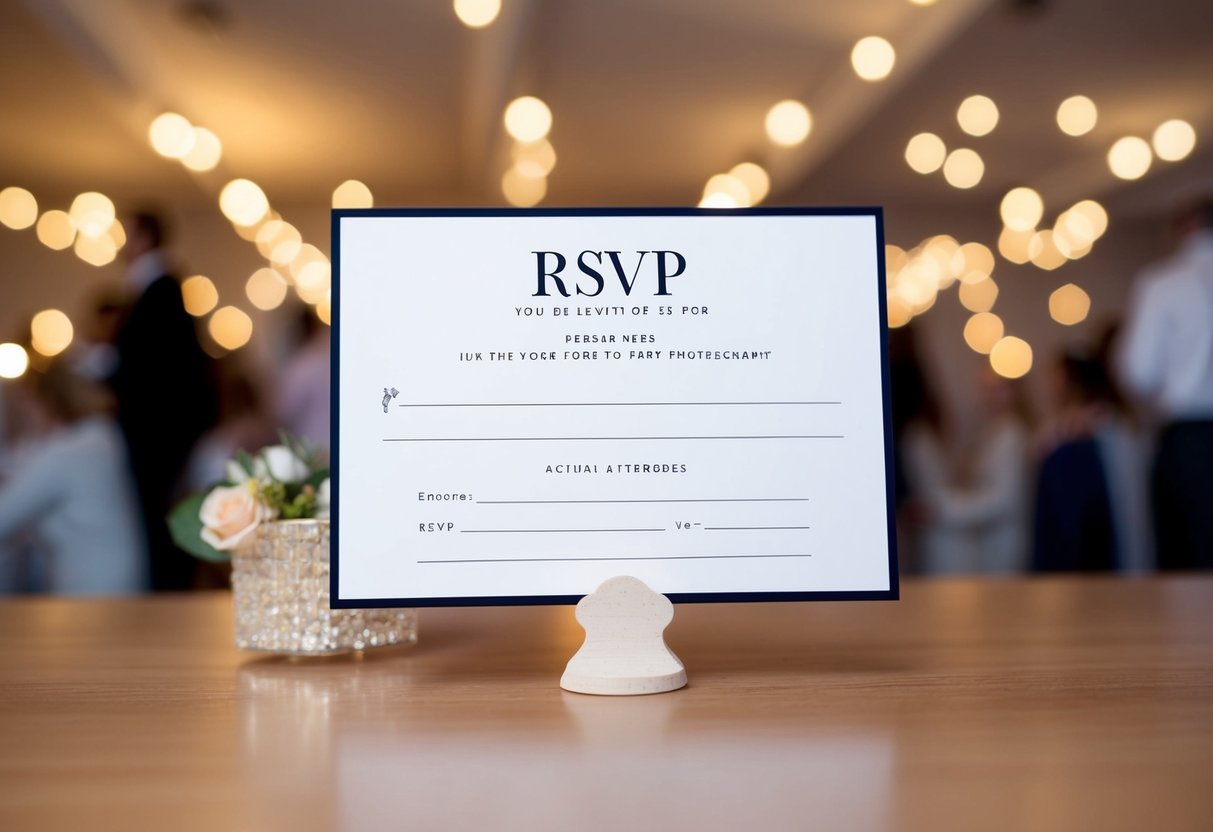
RSVP cards are just as important. Include a clear response mechanism, whether it’s by mail or an online form. This allows you to track responses easily.
To maximize accuracy, ask guests to respond promptly. A gentle reminder can help those who forget to send back their RSVP. Remember, the more accurate your guest count, the better you can plan your special day!
Budgeting for the Unexpected

When planning your event, preparing for no-shows and extra guests is essential for keeping your budget on track. Unexpected changes can impact your catering costs and overall wedding budget. Here are some key points to consider.
Allocating Funds for No-Shows and Extras
You might want to expect that 10-20% of your guests will not attend, especially for larger events like weddings. If you invite 100 people, this could mean around 10-20 no-shows.
To manage this, include a cushion in your catering budget. For instance, if you plan for 80 guests, order catering for 70 but budget for 80. This way, if a few more guests arrive, you’re prepared.
Tip: Always confirm RSVPs one to two weeks before your wedding. Confirming helps you make last-minute adjustments.
Size Considerations and Their Cost Implications
Deciding on the size of your wedding is crucial. A larger wedding often comes with higher costs, but it can also lead to more no-shows. Meanwhile, a destination wedding might have even fewer guests attending.
If you choose to host a small wedding, you may spend more per person. For example, smaller gatherings often mean higher per-plate costs due to limited seating and menu options.
Budget advice: Balance your guest list size with your catering options and venue costs. Assess how many will likely attend to avoid overspending.