
What Percentage of Wedding Guests Actually Attend? Understanding Attendance Rates for Your Big Day
When planning your wedding, one important question comes to mind: what percentage of wedding guests actually attend? Understanding how many people will show up is key to creating your guest list and ensuring your big day goes smoothly. Typically, you can expect around 75-85% of those you invite to attend, depending on factors like location and timing.
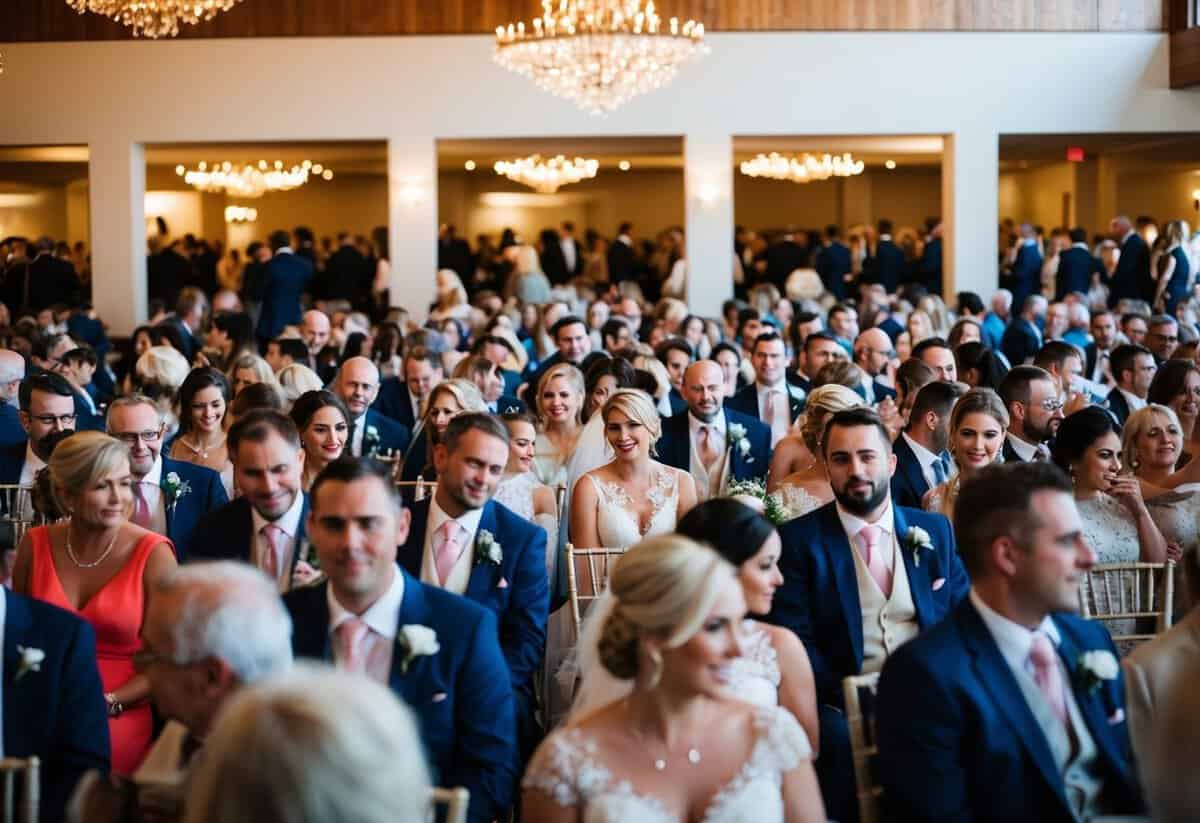
Planning your guest list with this percentage in mind can help manage expectations. Sending out RSVP requests early can also increase attendance rates. For local events, you might see up to 85% of guests confirming they’ll be there, while out-of-town guests may be less likely to attend. This information will help you when deciding on the average wedding size and budget.
Knowing the expected attendance can ease some of the stress that comes with wedding planning. You’ll feel more confident as you finalize arrangements, whether it’s booking a venue or organizing seating charts. Having a good understanding of guest turnout is essential to making your wedding day a joyful and memorable celebration.
Understanding RSVP and Attendance Rates
When planning a wedding, knowing how many guests will actually attend is crucial. It helps you make informed decisions about seating, catering, and overall logistics. The RSVP process and attendance rates play a significant role in managing expectations while also influencing the final guest count.
Importance of the RSVP Process
The RSVP process is essential for gathering responses from your guests. When you send out invites, be sure to include clear RSVP wording and a response date. This helps guests know how to confirm their attendance.
A positive RSVP indicates that guests plan to show up, usually reflecting a portion of those you invite. Studies show that about 70% to 85% of invited people often attend, depending on various factors. Knowing how many guests to expect allows you to plan better, ensuring a smooth and enjoyable day for everyone.
Factors Influencing Attendance
Several factors can impact whether guests will attend your wedding. For instance, if you have a destination wedding, be prepared for lower attendance rates. About 35% of invited guests may find it difficult to attend due to travel costs and time commitments.
Local weddings typically have higher attendance rates, often between 75% and 85%. Other aspects like the venue, date, and event type also affect attendance. Consider sending reminders as the date approaches, as this can boost your final attendance numbers. By understanding these factors, you can more accurately predict how many of your loved ones will join you on your special day.
Breaking Down Guest List Dynamics

Understanding how different factors affect your guest list can help you predict attendance more accurately. Various elements like the location of the wedding and potential family dynamics play a significant role.
Local Guests Versus Out-of-Town Guests
When planning your wedding, consider where most of your guests live. Local guests generally have a higher attendance rate. Often, about 85% of people living nearby will show up for your special day.
In contrast, out-of-town guests might face additional hurdles. Travel costs and time can discourage them from attending. Typically, attendance drops to around 70% for these guests. Be mindful of this dynamic when creating your guest list. Including a note about local accommodations can encourage out-of-town guests to attend.
Destination Wedding Considerations
Destination weddings come with unique challenges. For these events, attendance rates can vary widely. You might see numbers between 30% and 60% for guests traveling long distances.
Costs associated with travel and staying at a hotel can be significant. Think about offering group rates or finding budget-friendly options to help your guests. Sending invitations early can also help guests plan better. Just remember, while these weddings are beautiful, fewer guests may join you.
Plus-Ones and Family Issues
Plus-ones can complicate your guest list dynamics. Inviting friends or partners can increase the number of RSVPs and alter attendance statistics. Often, allowing plus-ones means that your guest count could rise by 20% or more.
Family dynamics can also affect who attends. Sometimes, family members may face issues that could lead to them declining your invitation. For example, divorced parents or feuding relatives may choose not to show. Keeping these considerations in mind is crucial. It helps shape your guest list and impacts the overall atmosphere of your wedding day.
Calculating the Average Wedding Attendance
When planning your wedding, it’s important to estimate how many guests will actually attend. This requires understanding expected attendance rates, influenced by your guest list size and the nature of your wedding. Here’s what you need to know.
Expected Versus Actual Guest Count
The expected attendance for weddings typically ranges from 70% to 85% of those invited. If you invite 100 guests, you might expect between 70 and 85 attendees.
Factors that affect this attendance include:
- Local versus out-of-town guests: Local guests tend to attend more often than those traveling from afar.
- Destination weddings: These often see lower attendance rates, sometimes as low as 35%, due to travel and cost.
Consider your own guest list size. For a small wedding, you may find almost everyone shows up. With larger weddings, the percentage may drop a bit. Knowing these aspects helps you set realistic expectations.
Size of Wedding and Attendance Correlation
The size of your wedding plays a key role in attendance. Intimate weddings with fewer guests usually yield higher attendance rates, often close to 90%.
On the other hand:
- Medium weddings may see attendance around 75%.
- Large weddings often experience the lowest rates, sometimes closer to 70%.
This pattern exists because a smaller guest list often feels more personal. Guests may feel more obligated to attend when they are part of an intimate gathering.
When planning, keep these averages in mind. They provide a helpful benchmark for what to expect based on your wedding size and guest list composition.
Logistics and Planning for Optimal Attendance
Planning your wedding involves several important logistics that can boost the number of guests who attend. By managing your guest list well and considering your venue’s location, you can create a welcoming environment that encourages friends and family to celebrate with you.
Save-the-Dates and Invitations
Sending out save-the-dates is one of the best ways to let your guests know about your wedding in advance. Aim to send these around six to eight months before the big day. This gives everyone enough time to clear their calendars.
When it comes to invitations, be clear about the date, time, and venue. Keep your wording simple and friendly. Provide all necessary details, including directions, accommodations, and RSVP options. Consider using an online RSVP tool for convenience. This allows you to track replies easily.
Guest List Management Strategies
Creating and managing your guest list is key to ensuring a good turnout. Start by crafting your list carefully, identifying who is most important to invite.
Divide your list into categories, such as close family, friends, and colleagues. This helps you prioritize who to invite. Make sure to follow up with guests who have not RSVP’d as the date approaches. A gentle reminder can help ensure more people show up.
Venue and Location Influence
The venue you choose can greatly impact attendance. A local venue is ideal, as guests are more likely to attend if it’s nearby.
Consider locations that have ample parking and easy access.
Your wedding reception location is also important. Look for places that make guests feel comfortable. Often, a friendly atmosphere can make people more eager to join.
Additionally, consider nearby accommodations for out-of-town guests. This can encourage them to attend your celebration without travel stress.