
What Percentage of Wedding Guests Come? Tips for Expecting Attendance at Your Big Day
When planning your wedding, one big question is how many guests will actually attend. On average, you can expect about 75-85% of those invited to show up, depending on factors like location and the type of event. Knowing this can help you create a more accurate guest list and avoid underestimating your needs for food, seating, and other arrangements.

Sending out RSVPs well in advance can also play a crucial role in attendance. Many couples find that sending save-the-dates six to eight months before the wedding increases the likelihood of a higher turnout. This is especially useful if you have out-of-town guests who may need more time to plan their travel.
As you plan your special day, understanding the typical percentage of wedding guests who attend can ease some of the stress.
Understanding Guest List Dynamics
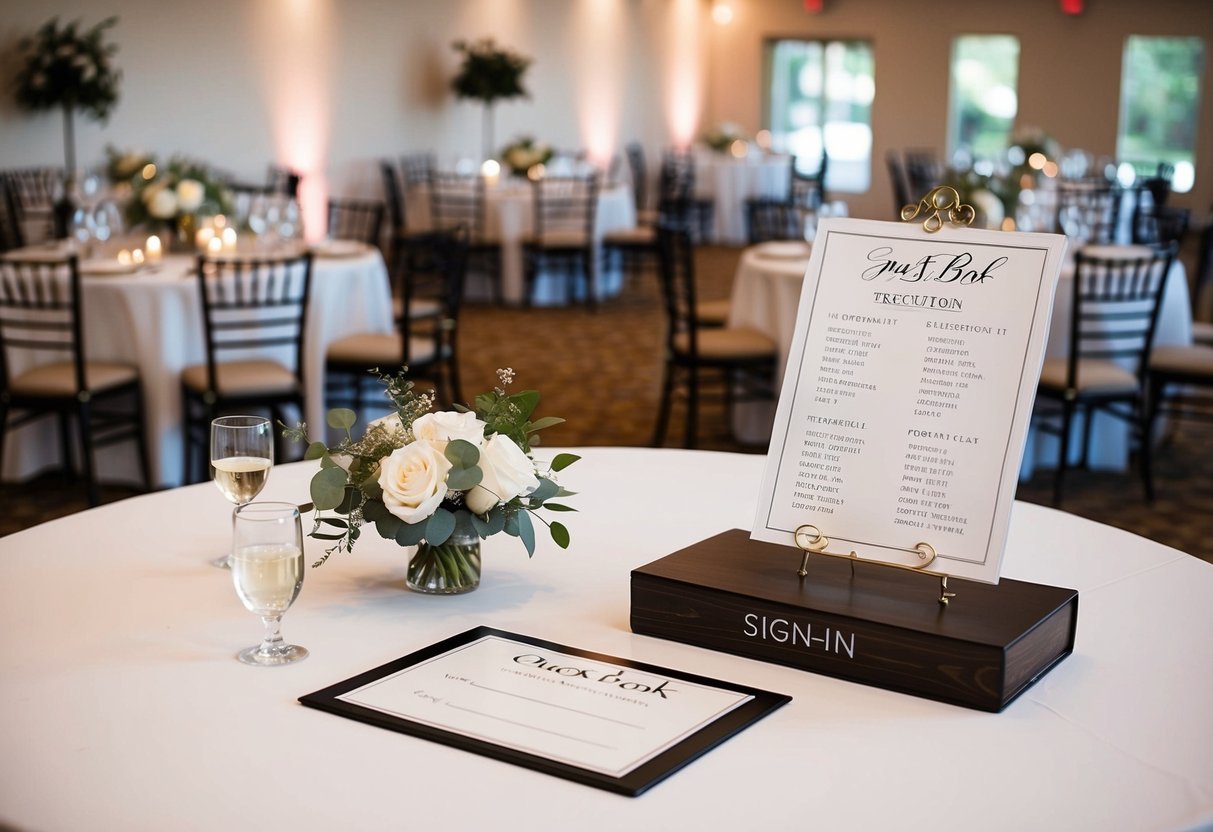
When planning your wedding, knowing how guest attendance can vary is key. Several factors influence whether invited guests will say yes or keep their distance. Understanding these dynamics can help you create a more accurate guest list and improve your planning experience.
Determinants of Guest Attendance
Various factors determine the likelihood of guests attending your wedding. One important element is the size of the guest list. Smaller weddings often see higher attendance rates. For instance, local guests are more likely to attend, with about 85% showing up, compared to only 55% of out-of-town guests.
Other factors include the date and location of your wedding. A popular date or location might lead to conflicts with other commitments. Additionally, the relationship you have with each guest can impact their decision. Close friends and family may prioritize your event more than acquaintances.
RSVP Process and Its Impact
The RSVP process can play a pivotal role in guest attendance. Sending invites out early and making RSVP options clear can encourage timely responses. It’s common to see a 20-30% decline rate, which means you may want to invite more people than your target number.
You can use online RSVP platforms or traditional mail to make it easy for guests. Consider setting a deadline that allows you to get a clear headcount. Keep in mind that reminders can help prompt those who may forget to respond. Providing details about the event can also boost attendance by making guests feel more informed and excited to join.
Factors Affecting Wedding Guest Turnout
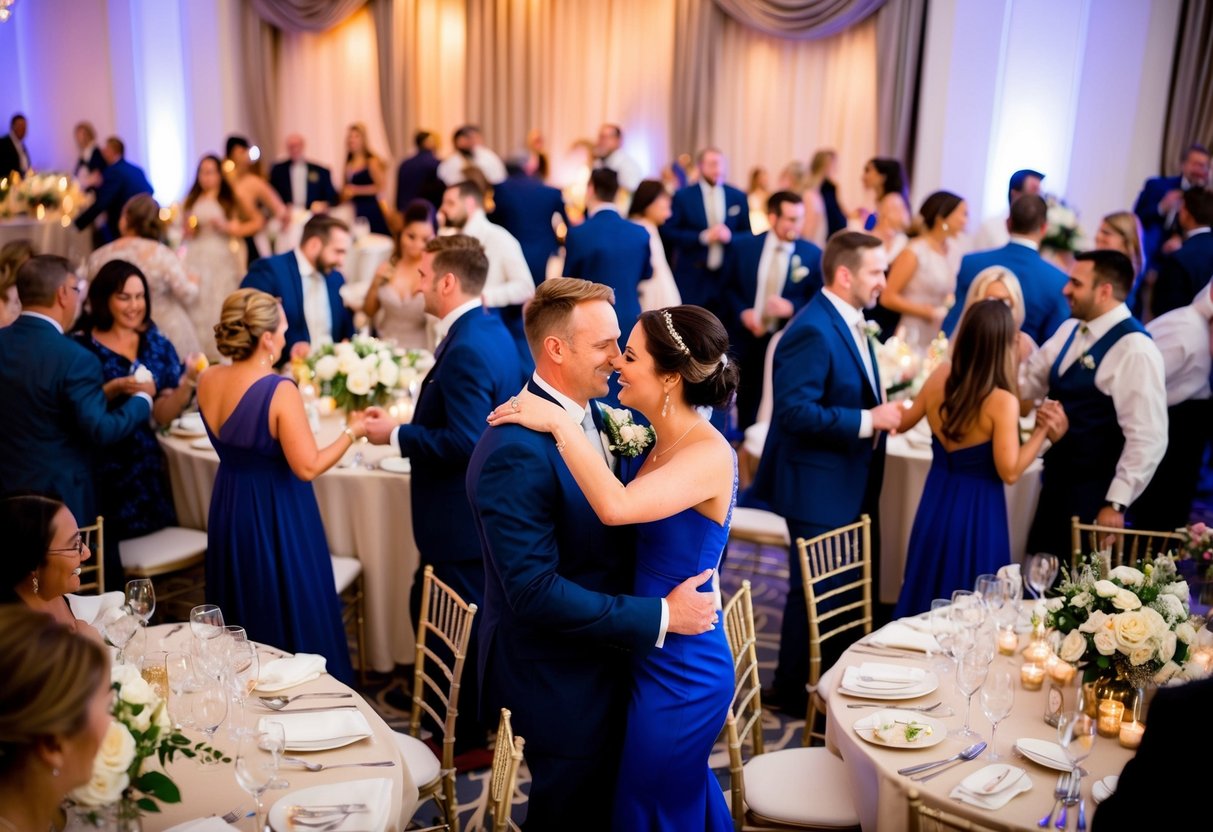
Understanding what influences wedding guest turnout can help you plan better. Several factors, like the distance guests must travel, the location of your wedding, and how you send out your invitations, greatly impact who will attend.
Local vs. Out-of-Town Guests
Local guests are usually more likely to attend your wedding. Since they don’t have to travel far, they can easily fit your big day into their schedules.
In contrast, out-of-town guests face additional challenges. They may need to arrange travel and accommodations, which can complicate their plans.
For destination weddings, expect a lower turnout rate. Not everyone can afford the time and expense to travel. To increase attendance, consider providing travel information and assisting with lodging.
The Effect of Wedding Location
The wedding venue plays a big role in guest attendance. If you choose a popular location, it can attract more guests. Think about whether it’s easy for guests to get to.
For example, a wedding in a city center may be more accessible than one in a remote area. If possible, pick a venue close to major transportation hubs. This makes it easier for everyone to join in the fun.
Invitations and Advance Notice
Sending out invitations early can greatly affect your guest list. When you send out your invites, especially save-the-dates, give guests plenty of notice. This helps them make arrangements.
Make sure your invitations are clear and detailed. Include the date, location, and any travel advice. Clarity reduces confusion and encourages more guests to say “yes.”
Estimating Attendance and Budgeting

Estimating how many guests will attend your wedding can help you manage costs and set your budget effectively. Knowing the percentage of guests likely to come allows you to prepare without stress.
Calculating Expected Attendance
To estimate your expected attendance, you can use a wedding guest calculator. Generally, around 75-85% of invited guests may show up. This varies based on factors like location and guest type.
For local guests, plan for a higher attendance rate, about 80-90%. For out-of-town guests, expect around 55-75% to attend. Here’s a simple formula for quick calculations:
- Local Guests: Invited * 0.85
- Out-of-Town Guests: Invited * 0.65
Add these numbers to get your total expected guests.
Budget Considerations for Guest Numbers
Your guest count directly affects your wedding budget. The average cost of a wedding is around $33,000, and much of that can depend on how many guests you have.
Typically, you might spend between $100 and $300 per guest. This includes food, drinks, and favors. Here’s a basic breakdown:
- Food and Drinks: $70-$150 per guest
- Venue Costs: $30-$100 per guest
- Favors and Extras: $10-$50 per guest
Make sure to adjust your budget based on your estimated attendees. If you expect 100 guests, plan accordingly to stay within your financial limits.
Choosing the Right Size for Your Wedding

Determining the size of your wedding is a big decision that affects many aspects of your day. Both small and large weddings have unique benefits. Understanding these can help you find the right fit for your celebration.
Benefits of Small and Large Weddings
Small Weddings: An intimate wedding can create a warm atmosphere. With fewer guests, you can spend more quality time with each person. This can lead to deeper connections during the event. Plus, you might save on costs, allowing for more personalized touches, like unique decorations or custom menus.
Large Weddings: On the other hand, a big wedding offers a vibrant and lively atmosphere. You can include a wider circle of friends and family. This also allows for various activities, like dancing and entertainment, that can make the day unforgettable. Large weddings often come with the ability to host elaborate receptions, giving you and your guests a fantastic experience.
Expert Tips on Guest List Management
Managing your guest list can feel overwhelming. Start by defining your priorities. Make a list of essential guests, then expand from there. The average wedding guest list size varies, but focusing on those who are closest to you can help narrow it down.
Consider using a guest list manager tool. This can simplify tracking RSVPs and preferences. Another tip is to send out save-the-dates early. This gives guests time to plan and boosts the chances of attendance.
For small wedding ideas, think about unique locations or themed ceremonies. For larger weddings, explore venues that support your guest count. Each choice will help you shape your perfect celebration.