
What Percentage of Wedding Guests Don’t Give a Gift? Understanding Wedding Gift Etiquette
You might wonder about the unspoken rules around wedding gifts. Many people feel pressure to follow this tradition, making the topic of who gives a gift quite interesting. Studies show that about 20-30% of wedding guests may attend without bringing a gift. This can happen for various reasons, including personal choices or financial situations.

Understanding the etiquette surrounding wedding gifts can help you navigate these social events with confidence. Many guests feel it’s essential to support the newlyweds, but not everyone will be able to participate in gift-giving. Whether you’re planning your own wedding or attending others’, knowing what to expect can ease some of that pressure.
As you prepare for your next wedding invitation, it’s helpful to reflect on what feels right for you. Giving a gift is a kind gesture rooted in tradition, but remember that it’s ultimately your choice.
Understanding Wedding Gift Traditions and Expectations
Wedding gifts play an important role in celebrating love and joy. They reflect your appreciation for the couple and the special bond you share. Understanding the traditions and expectations around gift-giving can help ease any concerns as you prepare for a wedding.
The Role of Gifts in Celebrating Love
Gifts at weddings symbolize more than just material items. They represent your support and best wishes for the couple as they start their new life together. Many couples create gift registries to guide guests on what they need or want.
When you choose a gift, think about your relationship with the couple. A personalized gift can show how much you care. Even if you can’t afford a big gift, a heartfelt note or a small token can still express your gratitude and love.
Etiquette and Gestures of Gratitude
Understanding wedding etiquette is key to making the right gift choice. Generally, if you receive an invitation, it’s polite to bring a gift, even if it’s small. Some guests may not give gifts due to cultural beliefs or personal financial situations.
Being grateful for an invitation is important. A good gesture of gratitude can be sending a card or a message after the wedding. The couple will appreciate any effort you make to celebrate their special day, whether through a gift or just your presence.
The Financial Aspects of Wedding Gifts
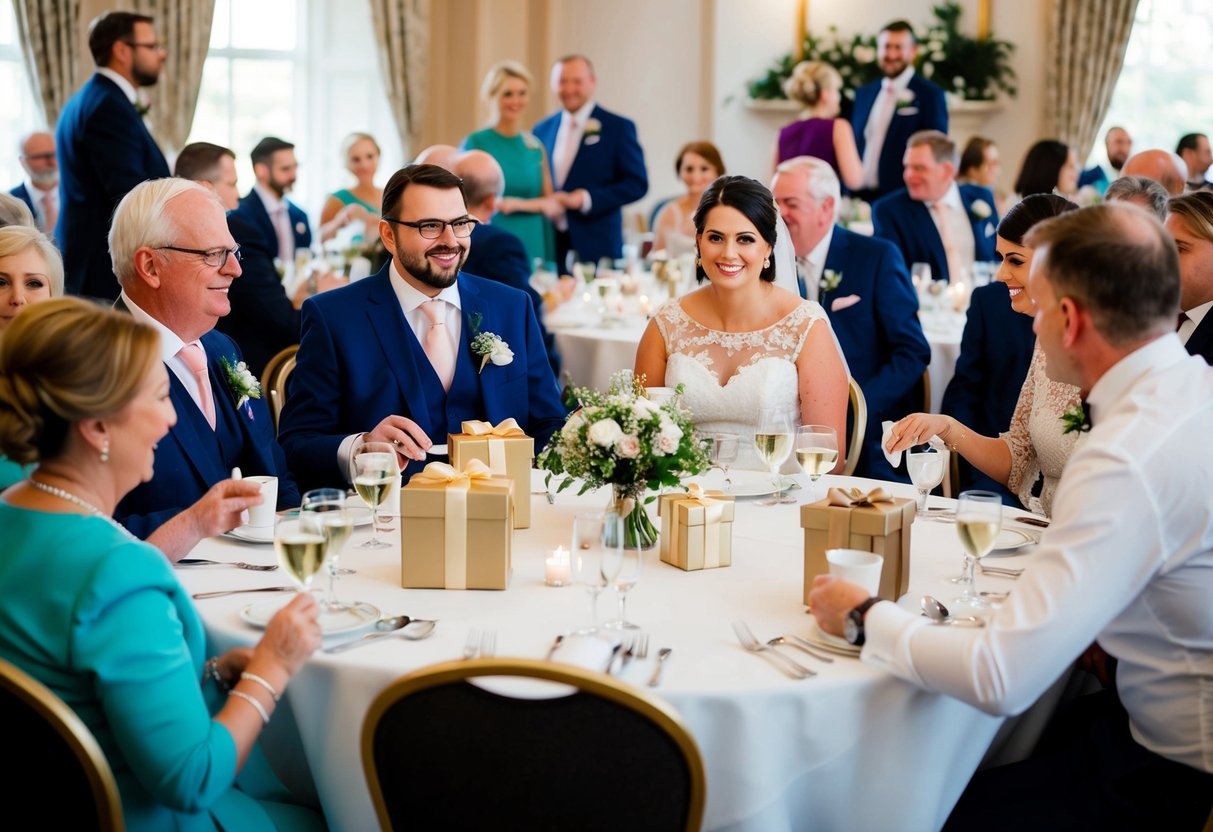
Wedding guests often navigate the tricky landscape of budgeting for gifts. Your choices may reflect your financial situation and the expectations surrounding wedding gifts. Balancing generosity with your budget is key.
Budgeting for a Gift as a Wedding Guest
When you decide to give a wedding gift, first think about your budget. It’s important to set a limit that feels comfortable for you. Consider your total expenses for the wedding, including travel, attire, and any obligations you already face.
A good range for gifts is typically between $50 and $200, depending on your relationship with the couple. For instance, close friends or family members might warrant a higher spending limit. You might also look at their wedding registry. This can give you insight into their preferences and help guide your spending.
Exploring Cash and Physical Gifts Options
Many guests wonder if cash gifts are appropriate. Cash can provide flexibility for the couple, allowing them to use it for other expenses. If you choose cash, consider adding a personal note. This adds a thoughtful touch.
Physical gifts are also popular. Items from their registry ensure you give something they truly want. Some guests think about experiences, like contributing to a honeymoon fund.
Whether you opt for cash or a physical present, make sure it aligns with your budget and feels right for you. Always remember, your support and presence matter most.
Dilemmas Guests May Face When Deciding on a Wedding Gift

When choosing a wedding gift, you might feel pressure to meet expectations. Various circumstances can affect your decision, and it’s important to navigate these with understanding and kindness.
Circumstances Influencing Gift Giving
Your personal situation plays a big role in whether you decide to give a gift. For instance, financial constraints can make it hard to buy anything expensive. Sometimes, you may feel that your budget limits your options to less thoughtful gifts.
Cultural differences also matter. In some cultures, giving gifts is not mandatory, while in others, it is a significant part of the celebration. A misunderstanding of wedding etiquette might have you wondering if you should give something, even if it’s a small token.
Furthermore, if you’re part of the bridal party, the added costs from bridal showers or pre-wedding events can impact your gift-giving plans.
Handling Awkward Situations with Empathy and Tact
If you are invited to a wedding and can’t give a gift, handling the situation with empathy is key. You can let it go without feeling guilty if there are reasons for your choice. Acceptance is part of the social landscape.
If someone mentions a gift expectation, it’s helpful to express your situation honestly. Instead of feeling petty about not giving, focus on attending the wedding celebration. You can show your support through your presence, which holds value beyond material gifts.
Using gestures like a heartfelt card can convey your love and support. This thoughtful approach shows you care, even if you cannot provide a physical gift.
When Guests Don’t Give: Guidance for Couples
Not every wedding guest gives a gift. It can feel disappointing, especially when you expected some form of support. Remember, reasons can vary widely.
Some guests might face financial challenges, while others may simply forget or misunderstand the etiquette. You could feel less inclined to focus on the absence of a gift and instead appreciate their presence at your celebration.
If you notice a pattern, such as a friend or rando not giving gifts, don’t take it personally. Focus on the friends and family members who showed up for your big day. The bottom line is that presence doesn’t always equate to presents.