
What Percentage of Wedding Guests Don’t Go? Insights for Planning Your Big Day
Planning a wedding can be both exciting and stressful, especially when trying to figure out how many guests will actually show up.
On average, about 15% to 40% of invited guests may not attend your wedding, depending on various factors. These numbers can change based on whether guests are from the area or traveling long distances.
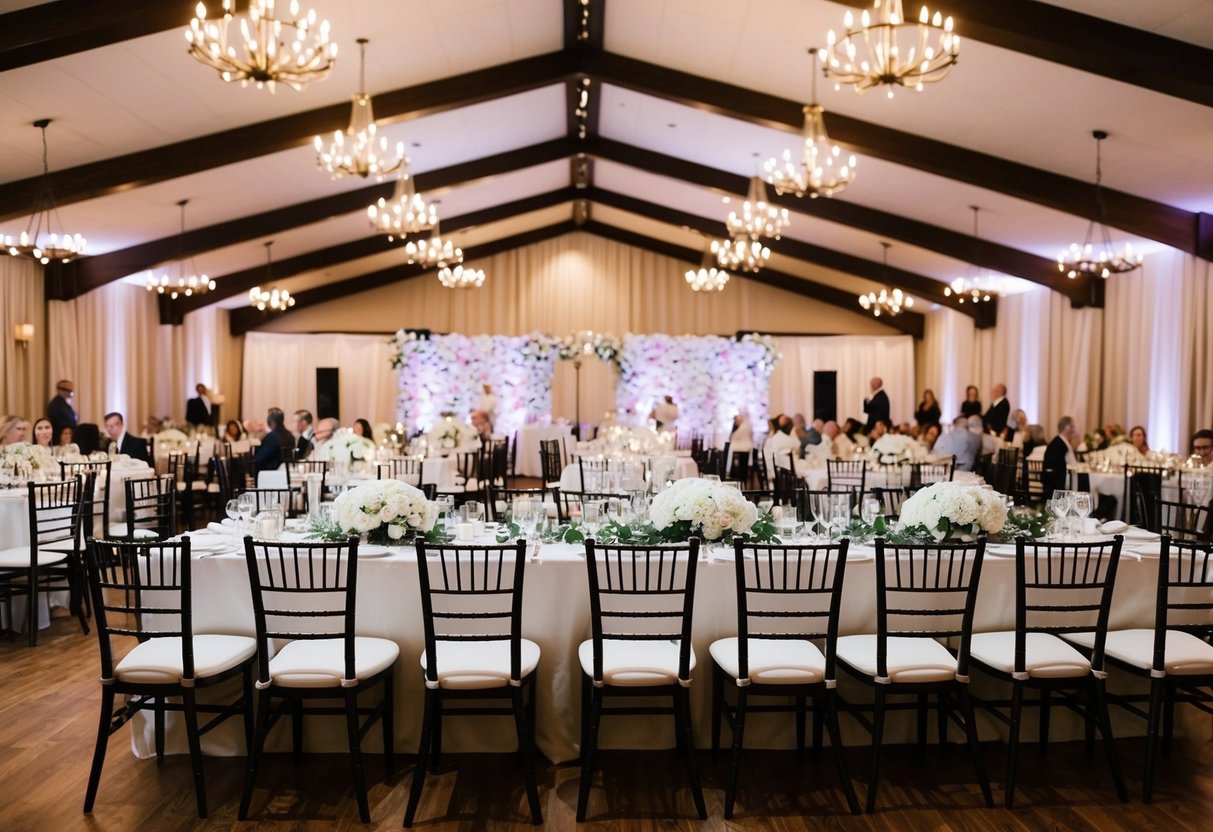
Many couples rely on RSVPs to get a clearer picture of attendance. Local guests typically have a higher acceptance rate, with around 85% showing up, while out-of-town guests may have a lower rate of about 55%.
Every wedding is unique, and knowing how many people to expect can make a big difference in your planning. By considering these averages and the reasons why some guests might not attend, you can prepare for a day filled with love and joy, regardless of the final headcount.
Understanding RSVP and Attendance Dynamics

RSVPs are crucial in planning your wedding. They help you gauge guest attendance, which can vary due to different factors. Understanding how these elements work together can make your celebration more enjoyable.
Role of RSVP in Predicting Attendance
RSVPs play a key role in predicting how many guests will actually attend your wedding. When you send out invitations, including save-the-dates can help set the tone for your event. Guests usually respond with an RSVP indicating whether they will attend.
While many people send back their RSVP promptly, not everyone does. A good percentage may decline without giving a reason, affecting your planning. Statistically, attendance can range from 70% to 85%, depending on your guest list’s makeup.
Factors Influencing Guest Confirmation
Several factors can influence whether guests confirm their attendance. First, local guests often respond better than out-of-town guests. According to studies, about 85% of local guests tend to show up compared to only 55% of out-of-town guests.
Scheduling conflicts can arise, especially if your wedding occurs during holidays or busy seasons. Unforeseen circumstances, like last-minute work obligations or family emergencies, can also lead to no-shows. Keep these factors in mind when expecting responses from your guest list.
Estimating No-Shows and Actual Turnout
Estimating no-shows can be tricky. You might invite 100 people expecting that 50% will RSVP, and then 75% will actually attend. This means that for every 100 invites, you may realistically plan for around 37 guests to show up.
Understanding typical no-show percentages can help you adjust your guest list. It’s wise to expect some decline—like 35% for destination weddings. Knowing these dynamics can bear important results for seating arrangements and food counts, making the day smoother for everyone.
Impact of Wedding Size and Type
The size and type of your wedding can greatly affect how many guests actually attend. Different factors come into play, including the crowd size, the location of your wedding, and the day of the week you choose for your celebration.
Differences Between Small, Medium, and Large Weddings
Small weddings usually have around 20 to 50 guests. These intimate gatherings often see higher attendance rates, sometimes reaching 90%. Guests feel more comfortable and engaged in smaller settings.
Medium weddings typically involve 50 to 150 guests. Attendance can vary, but you can expect about 75-85% of those invited. Larger weddings, often with over 150 guests, may see lower attendance rates due to logistics and crowd anxiety. Guests might feel overwhelmed or have scheduling conflicts.
Local vs. Out-of-Town Guests in Attendance
Local guests are often more likely to attend. They have the advantage of familiar locations and no travel expenses. If you hold a wedding close to home, your attendance rates will likely increase.
Out-of-town guests might face challenges like travel costs and time constraints. Destination weddings may see lower attendance from those unable to make the trip. However, guests may be more excited about traveling to a unique venue, which can enhance their participation.
Weekday Weddings vs. Weekend Celebrations
Weekday weddings can be a bit tricky when it comes to guest attendance. Many people work during the week, making it harder for guests to attend. You might see lower turnout rates, typically around 60-70%.
Weekend weddings are generally more popular and attract more guests. Most people are free during weekends, allowing for higher attendance rates. If you’re considering your guest list, think carefully about the day that will work best for most of your guests.
Wedding Planning and Guest Management

Managing your guest list is one of the key parts of wedding planning. You want to ensure that you invite the right people while also staying within your wedding budget. Here are some practical steps to help you manage your guest list effectively.
Creating a Manageable Guest List
Start by making a list of everyone you wish to invite. This includes family, friends, and colleagues. Remember, the average wedding size in the U.S. is around 100 guests. To stay on track with your budget, consider factors like venue capacity and catering costs, which can range from $30 to $150 per person.
- Prioritize guests by importance.
- Consider whether your relationships are strong enough to warrant an invitation.
- Keep in mind any local or out-of-town factors that may affect attendance.
By focusing on the quality of your guest list rather than quantity, you can ensure a more meaningful celebration.
Utilizing Guest List Tools and Managers
Guest list management tools can make your planning much simpler. Many websites offer guest list calculators and management tools that help track RSVPs and meal choices. Using a guest list manager allows you to see who has accepted and who has declined, helping you adjust accordingly.
Benefits of guest list tools:
- Easy tracking of RSVPs
- Meal preference options
- Ability to categorize guests (e.g., family, friends, work)
Make sure you choose a tool that fits your needs. This can save you time and reduce stress as your wedding date approaches.
Setting Expectations with Wedding Etiquette
Understanding wedding etiquette is essential for managing your guest list. Send out invitations early and consider adding an RSVP deadline. This helps guests respond promptly, giving you clarity on who will attend.
Key etiquette tips include:
- Avoid inviting plus-ones unless it’s necessary.
- Be clear about dress codes and venue type.
- Communicate any restrictions clearly, such as space limitations.
By following these guidelines, you can minimize no-shows and ensure a smoother planning process.
Venue, Budget, and Guest Experience
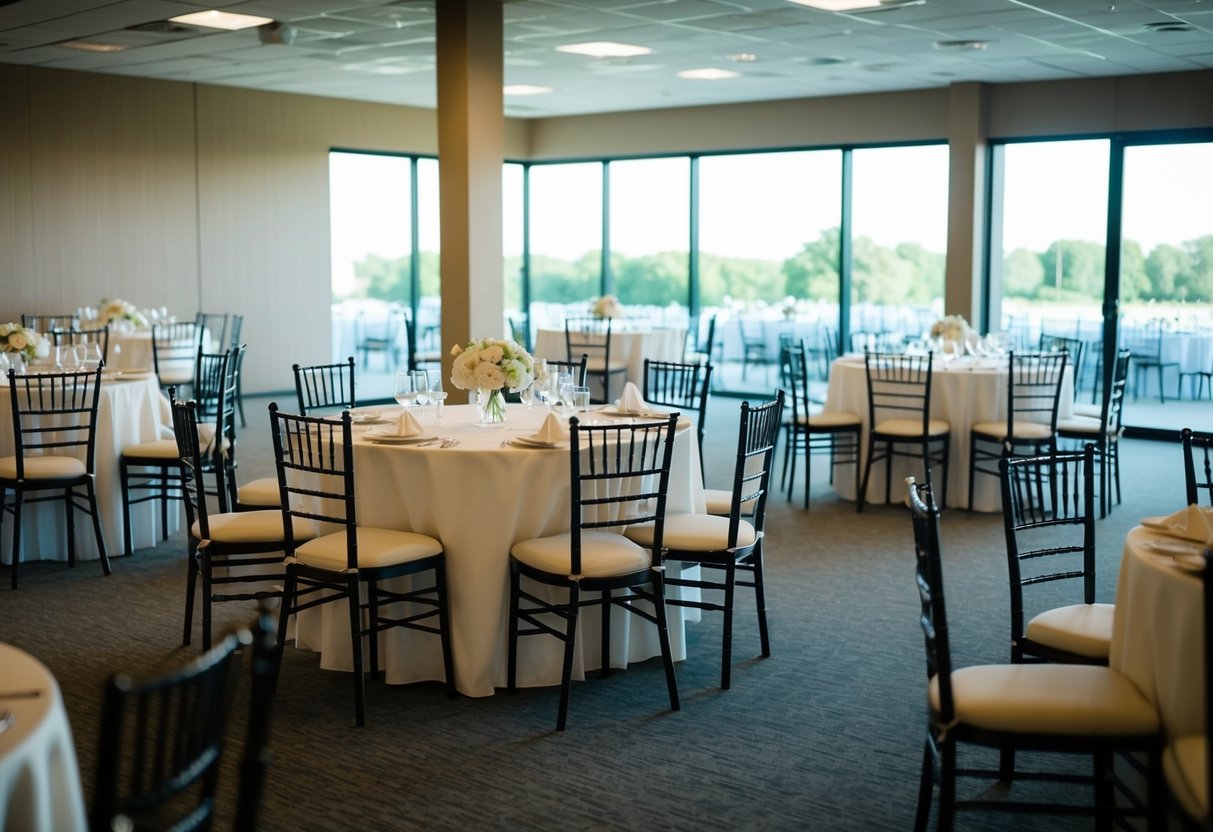
The choices you make about your wedding venue, budget, and guest experience can greatly affect attendance. It’s essential to plan wisely to ensure your guests enjoy the day and that costs don’t spiral out of control.
Choosing the Right Venue for Your Guest Size
When selecting a wedding venue, think about your guest count. If you’re inviting a large group, the venue should have enough capacity to accommodate everyone comfortably. On average, a wedding has about 100 guests, but that can vary based on your preferences.
For intimate weddings, a smaller venue can create a cozy atmosphere. Make sure to visit multiple locations, compare layouts, and ask about the maximum number of guests they can host. This helps ensure you choose a place that fits your vision and your guests.
Balancing Budget with Guest List Aspirations
Your wedding budget plays a crucial role in determining how many guests you can invite and which venue you can afford. Catering costs can range from $30 to $150 per person, which adds up quickly.
To stick to your budget, prioritize your guest list. Decide which friends and family members are most important to you. This helps manage the wedding headcount without overspending. You can also look for venues that offer package deals or all-inclusive options to simplify costs.
Ensuring a Memorable Experience for Attendees
Creating a memorable experience for your guests goes beyond just the venue. Think about how to engage them throughout the day.
Consider unique touches like interactive entertainment, specialty food stations, or personalized favors. Make sure your wedding ceremony is heartfelt but concise to keep everyone engaged.
With careful planning, you can make sure your guests feel valued and have a great time. This will encourage them to celebrate with you on your special day.