
What Percentage of Wedding Guests Eat Cake? A Look at Sweet Traditions and Trends
When planning your wedding, you might wonder, “What percentage of my guests will actually eat the cake?” It’s a common question and can affect how much cake you decide to order. Typically, around 77 to 85 percent of guests will indulge in some cake during the celebration.
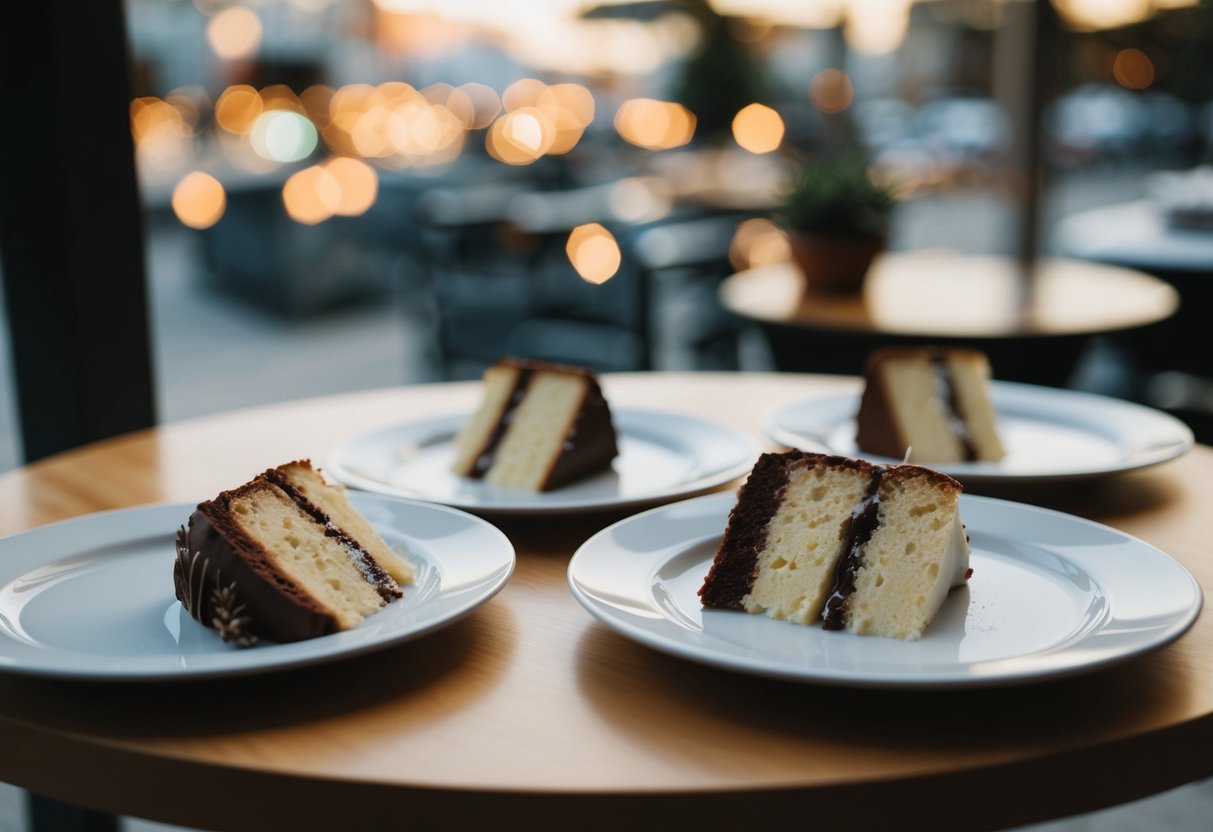
Understanding this can help you better plan your dessert selection. You want to make sure everyone has a taste, but it’s also important not to overestimate. Knowing how many guests eat cake can save you both money and leftovers!
So, as you get ready to choose your wedding cake, keep this information in mind. It can help ensure that your celebration is sweet without unnecessary waste. Enjoy the planning process and get ready for a delicious day!
Understanding Wedding Cake Trends
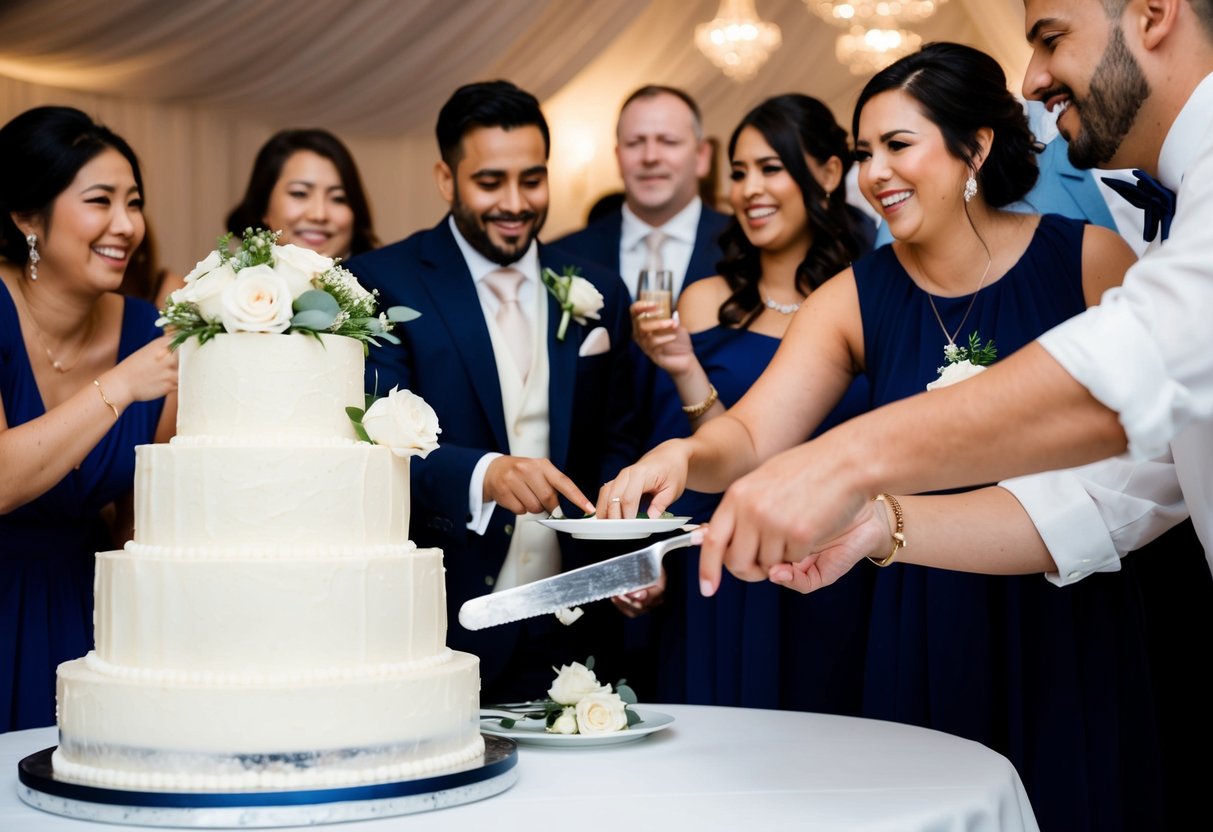
When planning your wedding cake, it’s important to consider the latest trends that can influence your cake vision. From popular designs to the balance between traditional and modern options, knowing what is in vogue will help tailor your dessert table to fit your celebration.
Additionally, recognizing dietary restrictions can make your cake selection more inclusive for all guests.
Popular Wedding Cake Designs
Wedding cake designs have evolved significantly. Gone are the days of simple white tiers. Now, you can explore styles like naked cakes, which have a rustic look, or geode cakes, featuring colorful rock-like sugar decorations.
Flavors also play a big role. Many couples are choose unique flavors like lemon or red velvet. Some prefer a classic vanilla with buttercream. Consider incorporating a groom’s cake for variety. This is often personalized to reflect his interests. Designing a cake that matches your theme adds a special touch.
Traditional vs. Modern Dessert Tables
Traditional wedding cakes are elegant and often have multiple tiers. They are typically decorated with flowers or intricate patterns. However, modern dessert tables offer a fun twist. You can mix and match desserts like cupcakes, macarons, and cake pops alongside your wedding cake.
This option allows you to cater to broader cake preferences. Guests enjoy having choices, especially if they have dietary restrictions. By offering both a traditional cake and assorted treats, you create a dynamic dessert experience that guests will love.
Dietary Considerations in Cake Selection
When selecting your wedding cake, you must account for dietary restrictions. More couples are choosing options like gluten-free or vegan cakes. This ensures that all guests can enjoy a slice.
Communicating your cake ideas with the baker is essential. Discuss which dietary options can be provided, and ask for alternatives for popular flavors. You might also want to add smaller portions of different cakes.
This approach keeps your dessert table inclusive and enjoyable for everyone.
Planning Your Wedding Cake
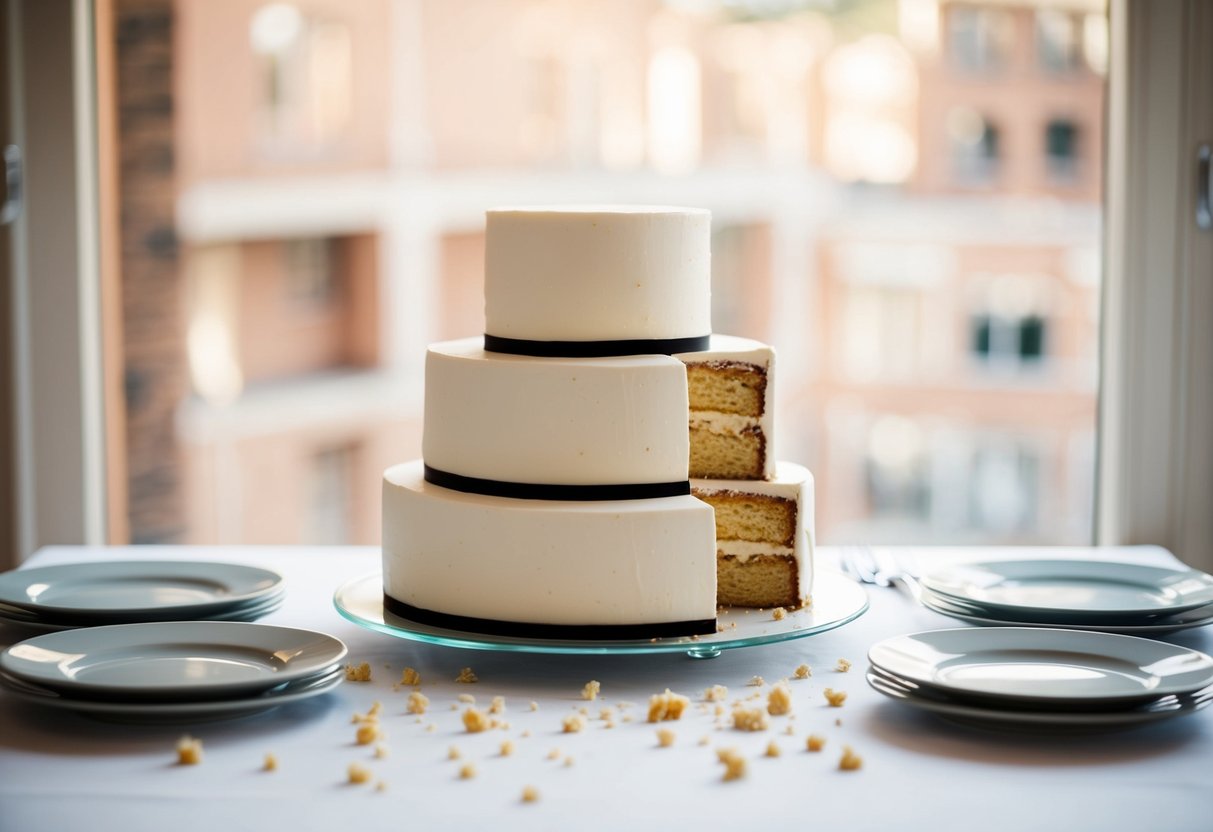
When planning your wedding cake, it’s essential to choose the right size and select a talented baker. Both factors play a vital role in ensuring everyone enjoys this special treat and that it complements your wedding style.
Determining the Right Cake Size
The size of your wedding cake depends on the number of guests and the type of servings you want. A common guideline is to order enough cake for about 77 to 85 percent of your guests. This means that if you have 100 guests, plan for about 80 servings.
Consider your cake tiers too. A tiered cake not only looks beautiful but can also help with serving sizes. For example, a 3-tier cake typically serves 75-100 guests. You can also use a false tier to create an impressive look without needing more cake if you’re concerned about portions.
Make a list of the flavors you want. Mixing different flavors for each tier can also please various tastes. Remember, a beautifully decorated wedding cake can become a stunning centerpiece at your celebration.
Selecting the Perfect Cake Baker
Choosing the right wedding cake baker is essential for a successful cake experience. Start by researching local bakers who specialize in wedding cakes. Look for reviews and ask for recommendations from friends or family.
Schedule tastings with your top picks. This is a great chance to try flavors and see the baker’s style. When you meet, ask about their previous work. Look for creativity and attention to detail in their tiered wedding cakes.
Discuss your vision clearly. Share specific ideas about design, size, and any themes you have in mind. A seasoned baker will help guide you on cake layers and styles that fit your needs while ensuring it stays delicious.
Guest Considerations and Cake Consumption
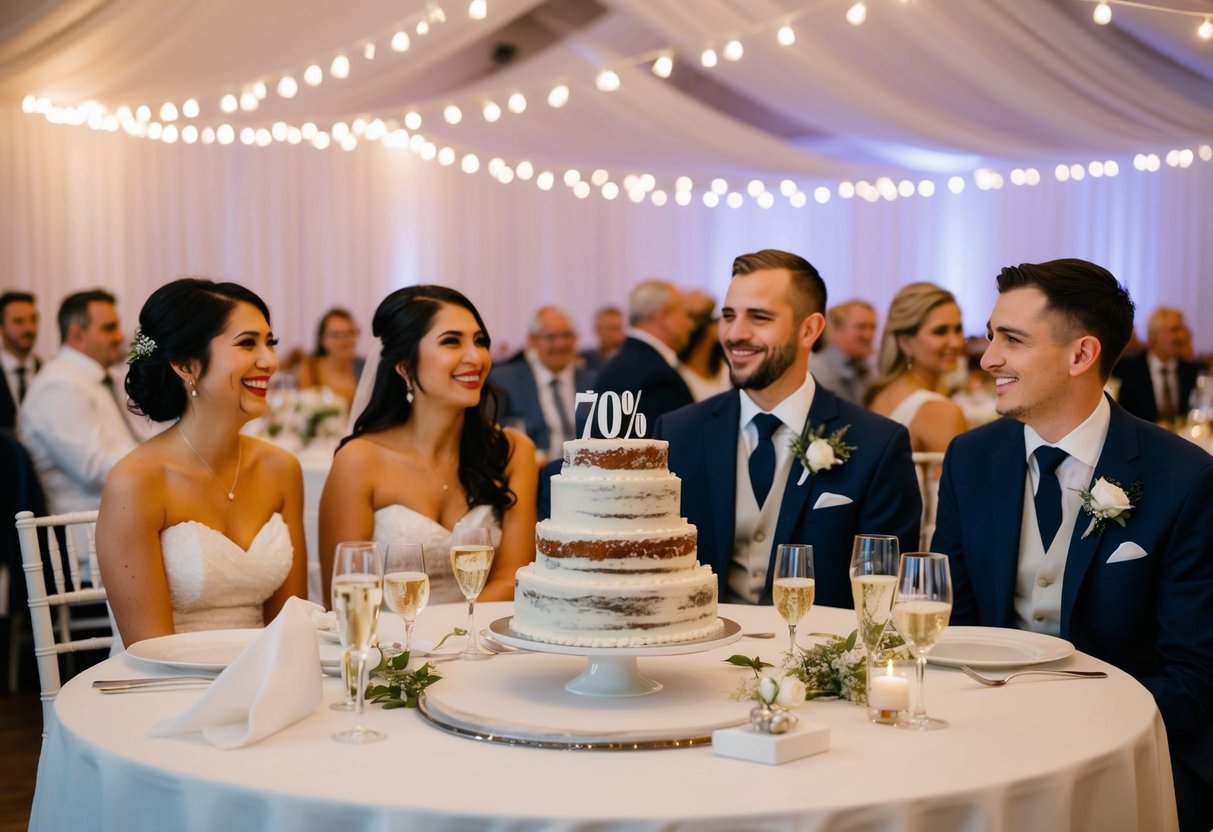
When planning your wedding, it’s important to think about your guest count and their dessert preferences. This section explores factors that can influence how much cake your guests will eat, ensuring you make informed decisions for your big day.
Estimating Guest Count and Preferences
Knowing your estimated guest count is crucial for determining how much cake to order. A typical guideline suggests that 77 to 85 percent of guests will likely enjoy wedding cake. If you have 100 guests, you might want to prepare at least 80 servings.
Consider your guest list’s preferences too. Some might prefer cake, while others may lean towards cupcakes or mini desserts. Communicating with guests can help you gauge their interests and adjust your cake plan accordingly.
Varieties of Cake and Desserts Offered
The types of cakes and desserts you offer can also affect consumption. A multi-layer cake, like a two-tiered or three-tiered cake, can be visually stunning and appealing. Round and square cakes come in many flavors.
You might want to include additional options, such as sheet cakes, cupcakes, or cookies. Providing a variety ensures that there’s something for everyone. Some guests may love sugar flowers as cake decorations, making the cake even more inviting.
Cake Serving Size and Distribution
Understanding cake serving size and distribution is key to maximizing enjoyment. A standard serving size for wedding cake is about 2 inches by 2 inches. If you’re offering a tiered cake, this can help you estimate how many servings each tier provides.
When distributing cake, consider having it at the main dessert table or serve it alongside the meal. If the cake is self-serve, like cookies or mini desserts, keep it near the bar or buffet to entice guests. This way, you can minimize leftover cake while ensuring everyone has a chance to enjoy it.