
What Qualifications Do I Need to Officiate a Wedding? A Simple Guide for Aspiring Officiants
If you’ve been asked to officiate a wedding, you might be wondering about what qualifications you need for this special role. The basic requirement is that you must be at least 18 years old and familiar with local laws regarding marriage ceremonies. Each state has its own rules, so it’s important to research what’s necessary in your area.
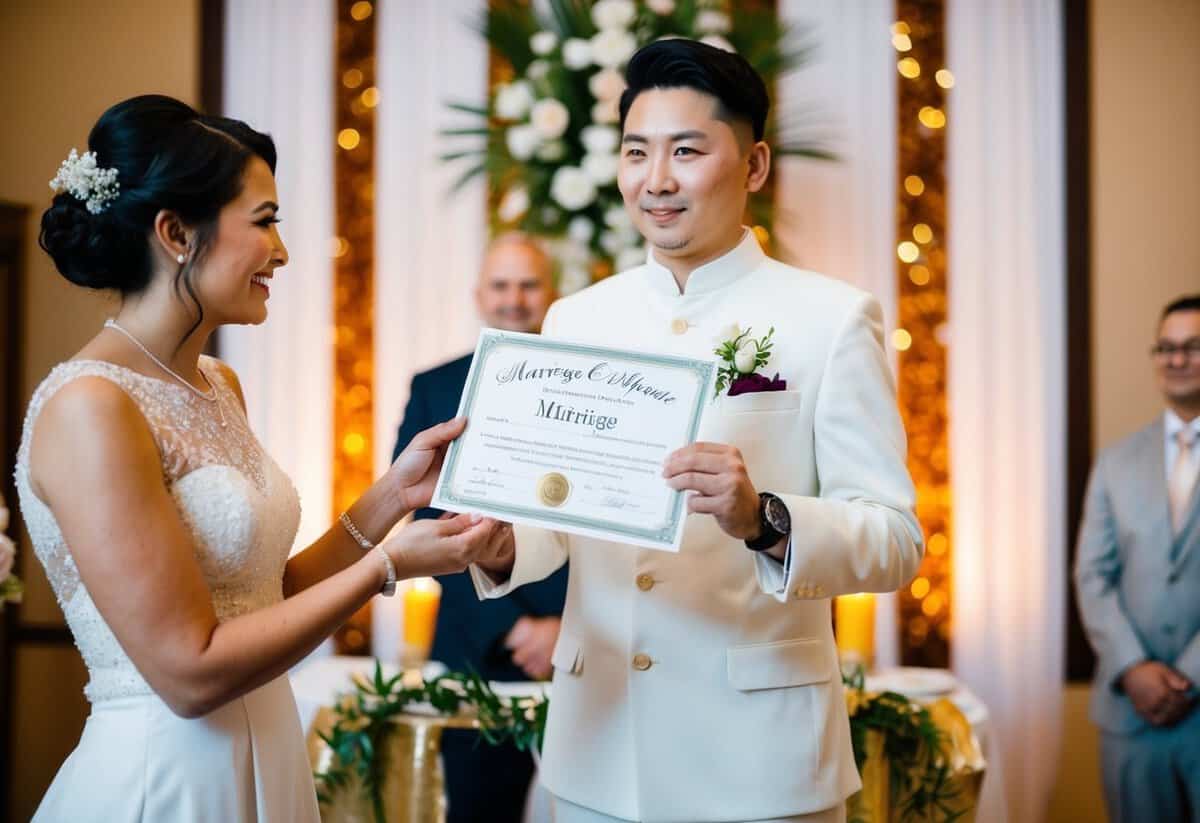
In many cases, you may need to be an ordained member of a religious organization or a public official, such as a judge. Some states also require you to register with the local government before performing a wedding. Understanding these details will help you feel more confident as you prepare for this meaningful experience.
Understanding the Role of a Wedding Officiant
Being a wedding officiant means much more than simply signing papers. You play a vital role in creating a memorable experience for couples. It’s about performing marriages with care and ensuring that each ceremony reflects the couple’s unique love story.
Defining the Duties
As a wedding officiant, your main duty is to legally perform marriages. This requires you to be familiar with the legal requirements in your state. You’ll ensure all documentation is in order, guiding couples through the necessary steps.
You also prepare and deliver the ceremony itself. That includes writing vows and possibly including rituals that have special meaning for the couple. You will spend time discussing their wishes, allowing you to create a personalized ceremony that resonates with their story.
The Importance of a Personal Touch
Every couple deserves a unique ceremony that reflects their relationship. As their officiant, you help them express their feelings and commitment through personalized vows and rituals.
Building a rapport with the couple is essential. You should ask them about their journey together. This insightful conversation allows you to tailor the ceremony to their personalities and experiences.
Small details, like incorporating family traditions or favorite quotes, can add a special touch. Remember, it’s these personal elements that make each ceremony meaningful and memorable for everyone involved.
Professionalism in the Wedding Industry
In the wedding industry, professionalism is key. You represent the couple on one of the most important days of their lives. Being punctual, prepared, and respectful is crucial in building trust.
Training and possible certification can enhance your credibility as a professional officiant. Remember to dress appropriately and maintain a positive attitude throughout the event.
Effective communication with vendors, such as photographers and planners, is important to ensure everything runs smoothly. Your professional demeanor will help create a calm and joyous atmosphere for the couple and their guests.
Legal Requirements and Ordination Process
Becoming a wedding officiant involves meeting specific legal requirements and understanding the ordination process. Knowing your state’s rules and whether you want to pursue ordination through a religious organization or opt for civil officiation is essential.
State and Local Laws
Every state has its own laws regarding who can officiate weddings. It’s important to check both state and local laws in your area. Most states require officiants to be at least 18 years old.
You may need to be registered with a local government office. Some states allow certain public officials, like judges, to perform weddings, while others require officiants to be ordained clergy. It’s vital to understand what is necessary in your specific location.
How to Get Ordained
To perform a wedding, you’ll usually need to get ordained. Many people choose online ordination because it’s often fast and simple. Numerous organizations offer free ordination that is legally recognized in many states.
The process usually involves filling out an application and agreeing to certain beliefs or guidelines. Afterward, you’ll receive a certificate that proves your ordination. Keep this handy, as you might need to present it to local authorities when registering to officiate.
Religious versus Civil Officiation
You can choose between becoming a religious or civil officiant. Religious officiants often belong to specific faiths and perform ceremonies within their religious guidelines. They may need to meet additional requirements set by their religious organizations.
Civil officiants, on the other hand, may not have any religious affiliation. They generally need to complete any local registration and meet legal marriage requirements. Knowing the difference helps you decide which path fits your style and beliefs in performing weddings.
Preparing for the Ceremony
Preparation is key when you officiate a wedding. You want to create a meaningful experience for the couple and their guests. This involves developing a unique ceremony script, coordinating a rehearsal, and ensuring you look the part in appropriate attire.
Developing the Ceremony Script
Writing the ceremony script is one of your most important tasks. This script should reflect the couple’s story and personality. Include personal anecdotes, their love story, and any special themes they want to incorporate.
Start with a warm welcome. A brief introduction sets the tone. Then include the vows, readings, and any personal statements that resonate with the couple. Don’t forget to check if there are any legal requirements to mention.
Make your script engaging. You can use humor or heartfelt moments to connect with the audience. Lastly, practice reading it out loud to ensure it flows smoothly.
Rehearsal and Coordination
A rehearsal is vital to ensure everyone knows their roles and timing. Schedule this rehearsal at least a few days before the wedding day. Gather the couple, bridal party, and anyone else involved in the ceremony.
During the rehearsal, walk through each part of the ceremony. Clarify where everyone should stand and what they need to do. Use this time to make adjustments to the script based on feedback from the couple.
Keep communication open. Encourage questions and allow time for everyone to practice important lines. This will help everyone feel more relaxed on the big day.
Attire and Presentation
Your appearance on the wedding day is important. Choose attire that suits the style of the wedding and reflects your role as the officiant.
Consider the couple’s preferences. If it’s a formal wedding, a suit or dress is appropriate. For a casual ceremony, smart, neat clothing is fine. Always make sure your outfit is comfortable so you can focus entirely on the ceremony.
Remember to pay attention to details. Plan your hair, makeup, and accessories in advance. A polished presentation will help you feel confident as you lead the ceremony.
Finalizing the Official Documents
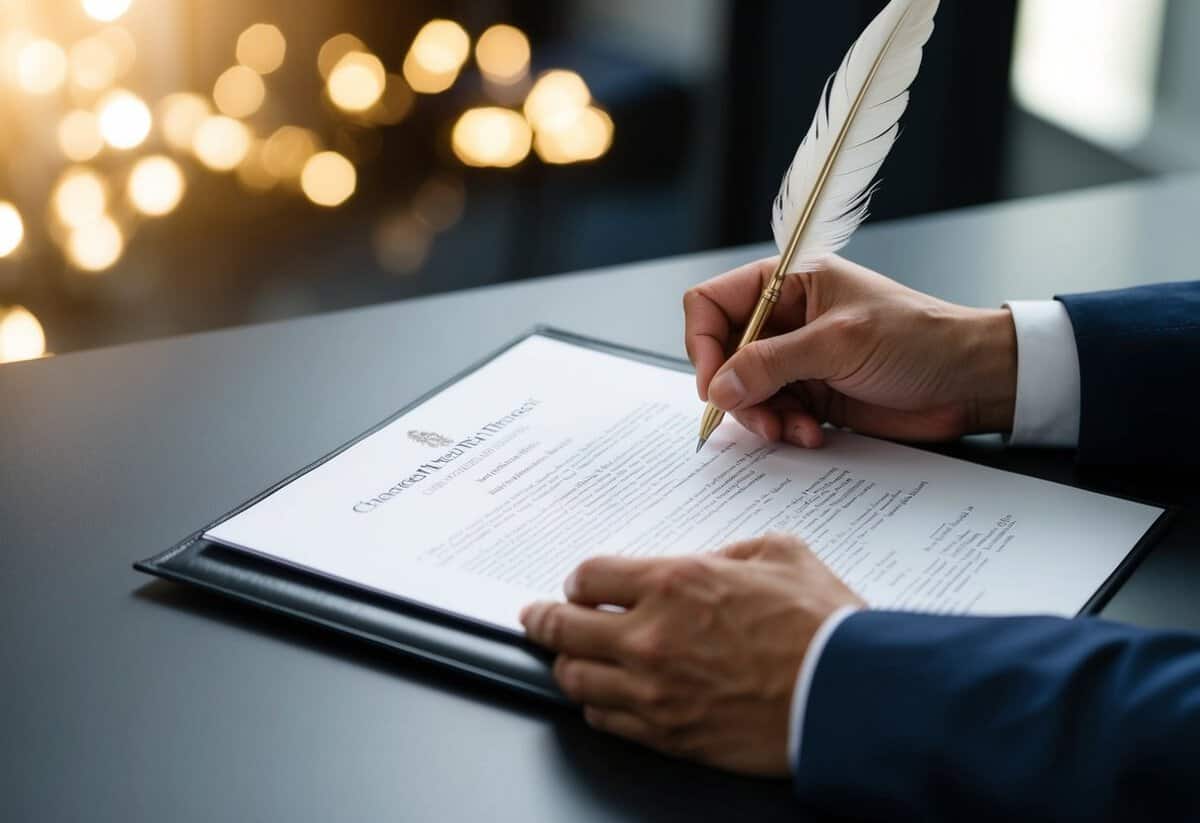
After the wedding ceremony, you’re responsible for completing important official documents. This ensures the marriage is legally recognized. Here’s what you need to know about handling the marriage certificate, state registration, and additional considerations for clergy members.
Signing the Marriage Certificate
One key task is signing the marriage certificate. This document is a crucial part of the legal process. You’ll need to make sure that both the couple and their witnesses sign it during or after the ceremony.
Be aware that the marriage certificate typically requires your signature, along with any applicable titles. After the ceremony, hold on to the completed certificate until you’re ready to submit it. Make sure to double-check all names and dates for accuracy. Any mistakes could delay registration.
Registration with the State
Next, you need to register the marriage with the state. This usually involves submitting the signed marriage certificate to the appropriate state office, which can vary by location. Check your state’s requirements, as they may have specific forms and deadlines.
In many states, you will need to send the marriage license along with the certificate. This registration process is vital because it officially records the marriage. Don’t forget to confirm whether there’s a fee for processing your documents. Ensuring timely submission helps secure the couple’s legal status.
Additional Clergy Member Considerations
If you are an ordained minister or a clergy member, there are some further considerations. You might need a letter of good standing from your religious organization. This document confirms your authority to officiate weddings.
In some states, you might also be required to register as a minister before performing ceremonies. Make sure you understand your local regulations.
It’s wise to maintain records of your ordination and registration, as this could be requested during the marriage registration process. Preparing these documents in advance helps everything go smoothly.