
What Questions Does a Registrar Ask Before You Get Married? Essential Insights for Your Big Day
When preparing for your big day, there are several important steps to take, and one of those is meeting with the registrar. This meeting gives you the chance to ask questions and ensure everything is in order for your marriage. The registrar typically asks about your full names, addresses, dates of birth, and any previous marriages to confirm your eligibility to wed.
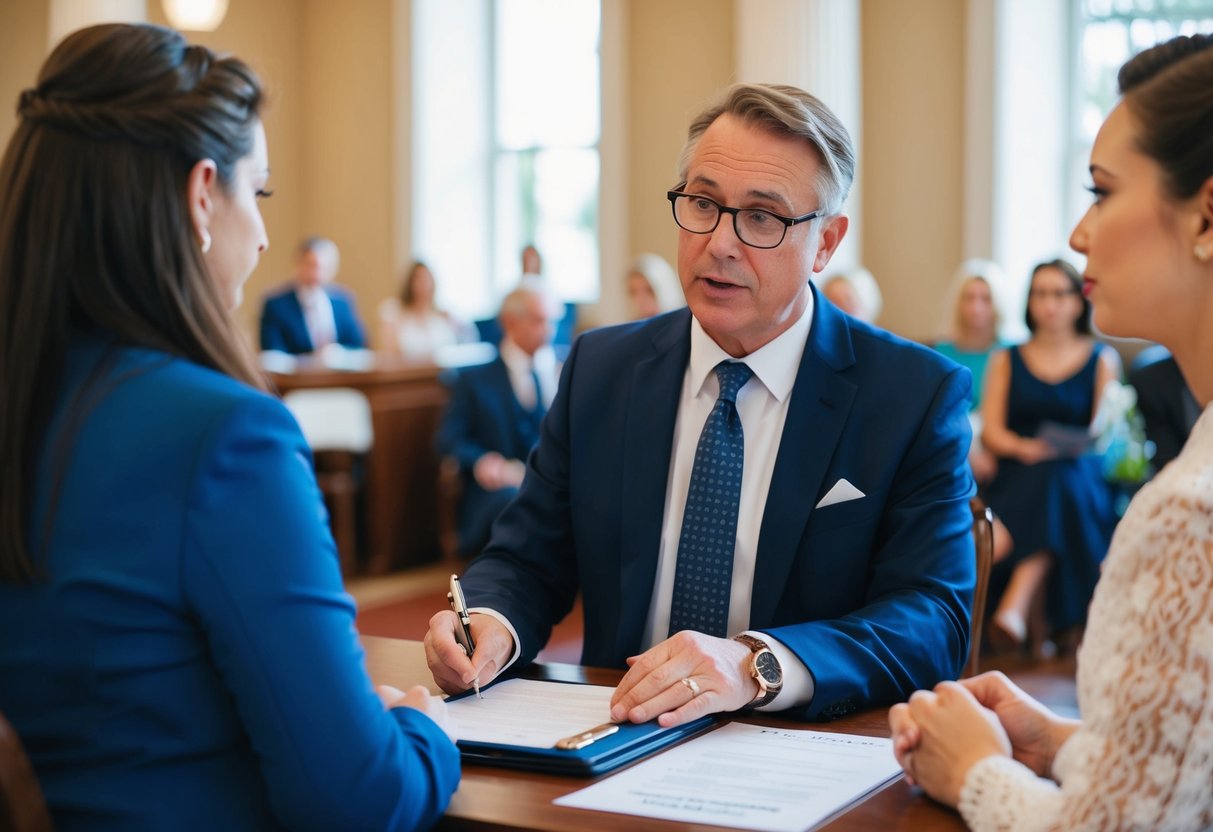
These questions are crucial in confirming your identities and verifying that you meet all legal requirements. It’s also an opportunity for you to clarify any details about the ceremony itself, such as what to expect during the registration process.
Being prepared will make this step smoother and less stressful.
As you gear up for your marriage, knowing what to expect during your registrar interview will help you feel more at ease. In this article, you’ll find a detailed list of the common questions asked so you can walk in fully prepared!
Preparing for the Registrar Interview
Preparing for your meeting with the registrar is important. It helps ensure that you understand the process and know what to expect.
You can make your experience smooth and enjoyable by being informed and organized.
Understanding the Marriage Registration Process
First, familiarize yourself with the marriage registration process. This includes knowing what documents you will need.
Most registrars require identification, proof of residence, and information about your ceremony.
Be prepared to discuss your wedding date and details. The registrar may ask if you have chosen a venue for a civil ceremony or civil partnership.
If you’re not sure yet, that’s okay! Just let them know your thoughts about the ceremony.
You should also understand any waiting periods or deadlines for submitting your intention to marry. This information can vary, so check your local regulations.
Knowing these details can help prevent last-minute surprises.
Choosing Your Wedding Date and Ceremony
Selecting your wedding date is a significant step. Keep in mind, certain dates may fill up quickly, especially during peak seasons. Make a list of your preferred dates before your interview.
Additionally, think about the type of ceremony you want. You might choose a civil ceremony, which is often simpler and quicker. Or, you may prefer a more traditional wedding with specific rituals.
Your choice will impact the type of venue you need. If you’re leaning towards a civil ceremony, ensure your chosen venue is licensed for weddings.
Be ready to share these details during your conversation with the registrar. They can help guide you on what is required for your specific choices.
Documentation and Legal Requirements
Before you get married, you need to gather certain documents and meet legal requirements. This section will cover what identification you need to provide and the importance of witness information.
Providing Identification and Witness Information
When you go to the registrar, you will first need to show valid identification. This usually includes a government-issued photo ID, such as a driver’s license or passport.
Make sure that the ID is current and clearly displays your full name and photo.
In addition to your ID, you’ll need to provide information about your witnesses. Most locations require at least one or two witnesses for the ceremony.
They should be at least 18 years old and understand the commitment you both are making.
The registrar might ask for the names and addresses of your witnesses. It’s a good idea to check in advance with anyone you plan to choose so they can be present and prepared on your wedding day.
Having everything ready will help the process go smoothly!
Personal Readiness and Relationship Considerations

It’s crucial to think about your personal readiness and how you and your partner view important life aspects. Key areas include your core values and expectations, as well as how you envision parenting or adoption in your future.
Discussing Core Values and Expectations
Discussing your core values is essential for a healthy relationship. Take time to talk about what matters most to each of you.
Consider values such as honesty, trust, family priorities, and financial goals. Create a list of these values to visualize common ground.
When expectations arise, be clear about what you both want from the marriage. This includes goals regarding careers, home life, and personal growth.
Conflict resolution should also be explored. Talk about how you handle disagreements. Do you prefer open discussions or taking a time-out?
If needed, don’t hesitate to consider marriage counseling as an option to build a stronger foundation.
Approaching Parenting Style and Adoption Topics
Parenting styles can vary widely, so you should discuss your views. Are you both inclined towards authoritative, permissive, or attachment parenting?
Identify your ideas on discipline, education, and daily routines. Make a list of what you envision for nurturing children, such as values and traditions you want to pass on.
If adoption is a topic, have an open conversation about your feelings. Share your thoughts on adopting and how it fits into your future family plans.
Understanding each other’s views on parenting and adoption can prevent misunderstandings later. It also helps you align your visions for family life together.