
What Questions Should an Officiant Ask the Bride and Groom to Create a Meaningful Ceremony?
When planning your wedding, choosing the right officiant is essential. A good officiant will not only guide you through the ceremony but also help make it special and personal. Typically, they ask questions about your relationship, values, and what you envision for the ceremony to create a memorable experience that reflects who you are as a couple.
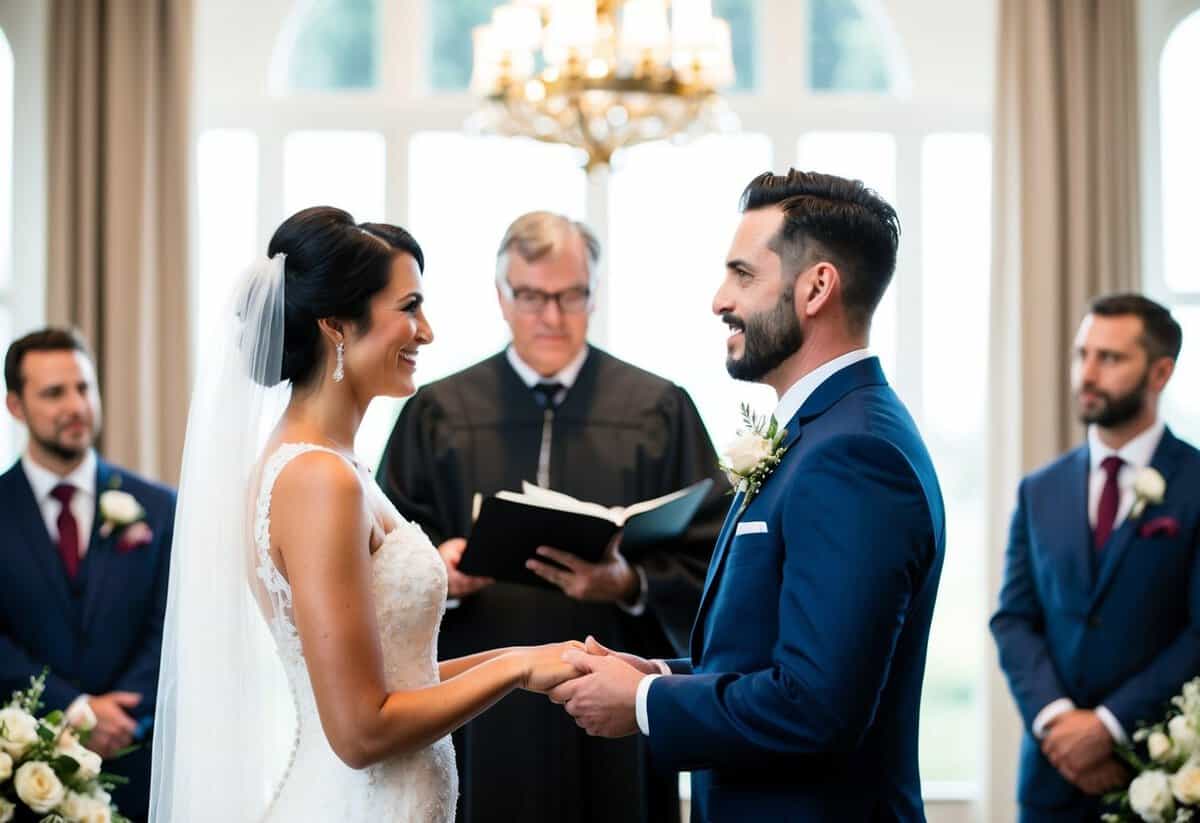
From how you met to the role your families play in your lives, these questions serve a purpose beyond mere formality. They help the officiant understand you better and tailor the ceremony to fit your style and wishes. By engaging in open conversation with your officiant, you can ensure that the ceremony resonates with both of you and your loved ones.
Exploring the right questions can lead to meaningful discussions that deepen your connection as a couple. This dialogue can also provide the framework for a heartfelt ceremony that captures your love story. Get ready to dive into what questions your officiant should ask to make your big day truly unforgettable!
Getting to Know the Couple
To create a meaningful ceremony, it’s essential for the officiant to learn about the couple’s personal backgrounds, relationship journey, and wedding vision. This knowledge helps in crafting a personalized ceremony that truly reflects who you are as a couple.
Personal Background Information
It’s important for your officiant to understand your personal stories. They may ask where you grew up, your family traditions, and what hobbies you enjoy. This background helps them connect with you and your loved ones.
For example, if one of you has a special family tradition, that can be woven into the ceremony. Sharing details about your culture or beliefs can also guide how your officiant approaches your service.
Consider sharing:
- Hometown
- Family background
- Key life events
This information helps make your ceremony more personal and engaging for everyone involved.
Relationship Journey
Your love story is unique, and this journey is crucial for the officiant to know. They’ll likely ask how you met, what drew you to each other, and key moments in your relationship.
Did you have a significant trip or a special date that stands out?
Sharing milestones like your first date, any challenges you faced, or how you knew you wanted to be together can add depth to the ceremony. This narrative makes your vows and the overall ceremony more special.
Consider sharing:
- First meeting
- Important milestones
- Things you love about each other
Wedding Vision and Expectations
Your wedding vision shapes the entire ceremony. Your officiant will ask about your preferred tone—formal, casual, or something unique.
Understanding what you envision helps them create a ceremony that reflects your wishes. Discuss whether you want personalized vows, rituals, or specific readings.
What vibes do you want to convey? Is there a theme or color scheme?
Key points to address include:
- Ceremony length
- Attendee involvement
- Vows: personal or traditional?
Being clear about your expectations ensures that the ceremony aligns perfectly with your vision.
Legal and Logistical Considerations
When planning your wedding, it’s important to address legal and logistical aspects. Knowing about marriage license requirements, selecting the right ceremony location, and coordinating your wedding rehearsal can help ensure a smooth experience for everyone involved.
Marriage License Guidelines
Before your wedding, you’ll need to obtain a marriage license. Requirements vary by state or country, so start by checking the rules specific to your location.
Generally, you’ll need to provide:
- Identification: This typically includes a driver’s license or passport.
- Application Form: Complete this form, often available online or at your local registry.
- Fee: Be prepared to pay a fee, which can vary by area.
Some jurisdictions may have waiting periods, so plan ahead to make sure your license is ready on your wedding day. Remember, you usually must return the signed license to the issuing office after your ceremony.
Ceremony Location and Date
Choosing the right location and date is crucial. Consider what venues resonate with you—whether it’s a beach, park, or indoor space. Check for availability and any permits needed for your chosen site.
Here are some tips for selecting a date and venue:
- Season: Think about weather conditions and seasonal themes.
- Number of Guests: Make sure your venue can accommodate your guest list.
- Access: Consider accessibility for your guests, especially if some have mobility issues.
Booking early can also help you secure the best prices and options.
Wedding Rehearsal Coordination
A wedding rehearsal is key for a smooth ceremony. It allows the officiant, couple, and wedding party to practice the order of events. Schedule it a day or two before the wedding, if possible.
Be sure to:
- Communicate with Your Officiant: Share details on who will participate and any special elements in your ceremony.
- Gather Key People: Ensure that all important participants are present, including parents and best men or maids of honor.
- Review the Plan: Go over every part of the ceremony, from walking down the aisle to vows and rings.
Having a clear plan will help everyone feel more confident on the big day.
Ceremonial Content
When planning your wedding ceremony, you will want to focus on important areas like unity rituals, the tone of the ceremony, and the selection of wedding readings. These elements can help shape a personalized and meaningful experience for you and your guests.
Unity Rituals and Traditions
Unity rituals symbolize the coming together of two people. Common options include the sand ceremony, where you mix different colored sands, or the candle lighting ceremony, where you each light a candle and then together light a larger one.
You may also consider traditions that reflect your backgrounds, especially if you are an interfaith couple. For instance, you could incorporate items from both cultures into your ritual. Discuss these options with your officiant. They can help you choose a ceremony that feels right for you.
Religious or Secular Tone
Deciding on the tone of your ceremony sets the mood for the entire event. You might lean toward a religious ceremony, which typically includes prayers and scripture readings. This often resonates deeply with those celebrating their faith.
On the other hand, a secular tone can include personal vows and a more relaxed atmosphere. This option allows you to focus on your personal love story. Sharing how you met or what you love about each other can be very touching. Work with your officiant to find the balance that reflects your values and beliefs.
Wedding Readings Selection
Choosing wedding readings is an important task that can add depth to your ceremony. These readings can be from religious texts, poetry, or even passages from your favorite books. Many couples choose passages that reflect their love or their journey together.
Involving family or friends in your readings can make it even more special. You might ask a loved one to read a poem or a sentimental quote that holds meaning for both of you. The key is to select readings that represent your relationship authentically and resonate with you as a couple.
Vows and Wedding Party
Your wedding vows are a personal expression of your love and commitment. They set the tone for your ceremony and showcase your unique relationship. It’s also important to consider the role your wedding party plays during this special day.
Choosing or Writing Personal Vows
When deciding on your vows, you have two main options: use traditional vows or write your own. If you choose to write your own vows, think about what makes your love special.
Consider including:
- Shared memories that highlight your journey together.
- Future promises that express your hopes as a couple.
- Humor to lighten the mood if that fits your style.
Be authentic and true to your feelings. If you feel nervous, practice in front of a friend or family member. A professional officiant can guide you through this process and offer advice as well. They might even have templates or examples to inspire you.
Role of the Wedding Party
Your wedding party is there to support you, both leading up to the event and on the big day. This includes your bridesmaids, groomsmen, and any other special roles, like flower girls or ring bearers.
Make sure each member knows their duties. Common responsibilities include:
- Helping with planning and logistical tasks.
- Attending rehearsals to ensure everyone is prepared.
- Being present and supportive during the ceremony.
A coordinated wedding party adds to the celebration. Your officiant will likely mention your wedding party during the ceremony, which highlights their importance in your lives.