
What Should a Bride Pay for Her Bridesmaids? Understanding Costs and Considerations
As a bride, you want to make your wedding day special for everyone involved, especially your bridesmaids. Typically, the bride should cover key expenses, such as hair and makeup or any special attire required for the day. By taking care of these costs, you show appreciation for their support and commitment.
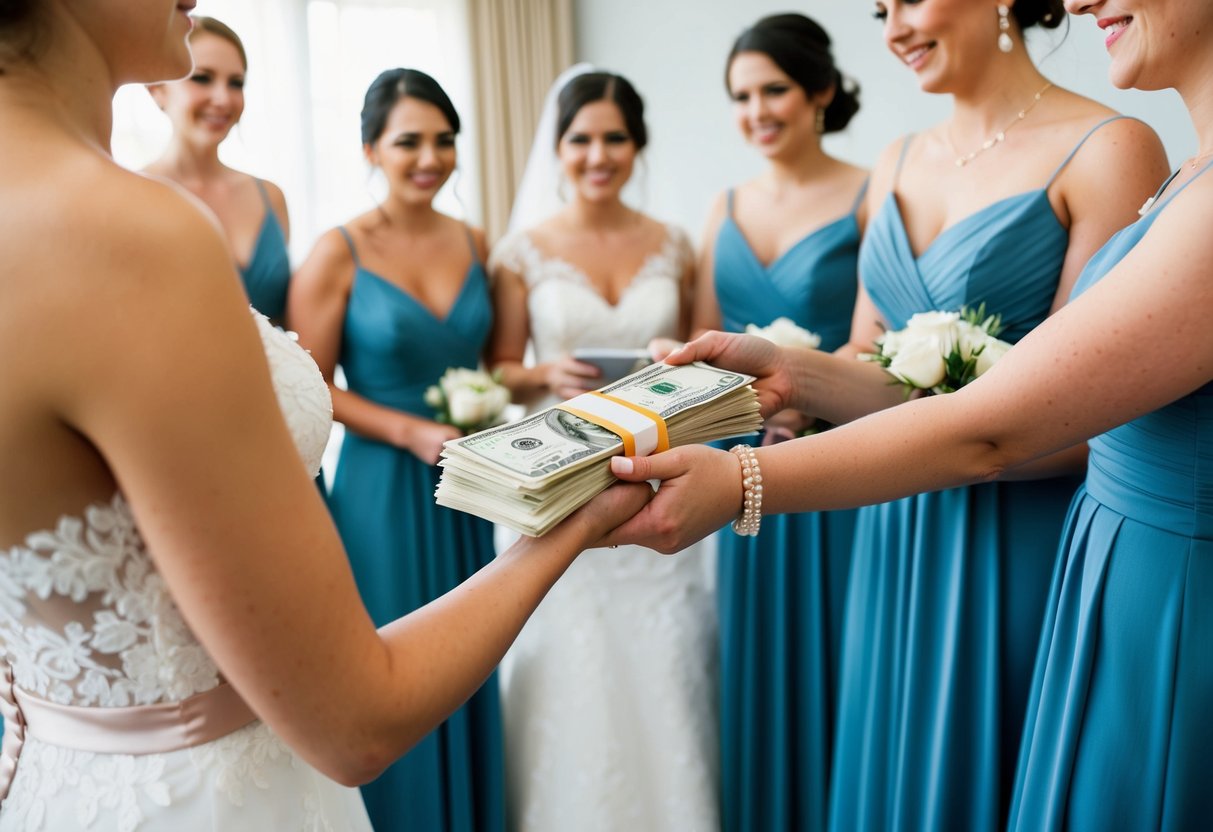
While you may want to help with some expenses, it’s also important to be mindful of your budget. Your bridal party may be expected to cover their travel, accommodations, and some pre-wedding costs like bridal shower gifts. Balancing these responsibilities will help keep the experience enjoyable for everyone.
Understanding who pays for what can strengthen your relationship with your bridesmaids and help avoid confusion. When you communicate clearly about costs upfront, it sets the right tone for your big day.
Understanding Bridesmaid Costs

When planning your wedding, it’s important to know what costs your bridesmaids will cover. Typically, bridesmaids are expected to pay for several key expenses.
Common Bridesmaid Expenses:
- Dress and Accessories: Most bridesmaids purchase their own dresses, which can range from $100 to $300, not including alterations.
- Hair and Makeup: Many bridesmaids pay for their own hair and makeup on the wedding day.
- Travel and Accommodation: If your wedding is out of town, bridesmaids may need to cover these costs.
- Pre-Wedding Events: Bridesmaids often chip in for bridal showers and bachelorette parties.
While you should be mindful of your bridesmaids’ budgets throughout the planning process, it’s also helpful to understand your own wedding budget. Setting a clear budget can lessen stress for everyone involved.
Remember, it’s best to communicate clearly about costs. Sharing details early on helps your bridesmaids feel prepared and valued.
Wedding Etiquette Tips:
- Make sure to discuss expenses openly with your chosen bridesmaids.
- Consider offering to cover some costs, like bouquets or transportation, to ease their financial burden.
Being aware of these factors will help you make informed decisions and create a supportive atmosphere for your bridal party.
What the Bride Traditionally Pays For

As a bride, there are several costs that you typically cover for your bridesmaids. When planning your wedding, it’s important to consider the specific expenses you might be responsible for, ensuring your bridesmaids feel appreciated and valued.
Bridesmaid Attire and Alterations
You usually pay for the bridesmaid dresses, which can include dresses that match your wedding theme. Choose styles that your bridesmaids will feel comfortable and beautiful in.
If alterations are needed, it’s common for you to cover those costs too. This ensures that each dress fits perfectly for the big day.
Additionally, you might also want to purchase bridesmaid shoes. If you have a specific style or color in mind, consider giving them as a gift, showing your appreciation for their support.
Hair and Makeup on the Big Day
Many brides choose to cover the cost of hair and makeup for their bridesmaids. This can create a cohesive look and save your friends some stress.
Whether you hire a professional or arrange for someone to help, having a plan is essential. Often, brides might also provide a small gift or token of gratitude for the stylist.
Make sure to communicate with your bridesmaids about their preferences. This way, they can let you know what looks they feel best in.
Floral Accessories and Corsages
You typically provide floral accessories for your bridesmaids, such as bouquets and corsages. These flowers should reflect your wedding colors and style.
It’s a nice touch to choose something that matches your bouquet while also keeping in mind the preferences of each bridesmaid. Consider asking for their input, ensuring they feel involved in the process.
Providing these floral pieces adds to the overall aesthetic of the wedding day and shows how much you value your closest friends.
Accommodation and Day-Of Transportation
When it comes to accommodation, many brides opt to cover hotel costs for their bridesmaids, especially if they are traveling from out of town. This gesture can help ease the financial burden of attending your wedding.
Providing travel arrangements is another generous offer. Whether it’s booking a shuttle or car service for the day, transportation can simplify logistics.
Making these arrangements means your bridesmaids can focus on enjoying the day without worrying about getting to and from the venue.
Financial Responsibilities of the Bridesmaids

Being a bridesmaid comes with certain financial responsibilities that you should be aware of. Understanding what you need to cover can help you plan better and avoid unexpected costs. Here are the key areas you should consider.
Purchasing Their Own Dresses and Shoes
As a bridesmaid, you are usually responsible for purchasing your own dress and shoes. The bride typically chooses the style and color, but she should consider your budget. Prices for bridesmaid dresses can range from affordable to quite high, often costing between $100 to $300.
When it comes to shoes, you might already own a pair that fits the dress, but if the bride requests specific shoes, be prepared to buy those as well. Discuss the budget with the bride early to set expectations and find something that works for everyone’s wallet.
Travel and Lodging Arrangements
Traveling for a wedding can add to your costs. If the wedding is in another city or state, you might need to book flights or drive a significant distance. In these cases, it’s common for bridesmaids to cover their own travel expenses.
Lodging is another important factor. If the bride has booked a block of hotel rooms, you should look into that option, as it may be more economical. Always clarify your travel and lodging plans in advance to avoid surprises.
Bachelorette Party and Bridal Shower Contributions
You will likely be asked to contribute to the bachelorette party and bridal shower. The total cost can vary depending on the activities chosen. For the bachelorette party, you might chip in for accommodations, food, and entertainment, which can add up quickly.
For the bridal shower, you may need to help cover the venue and food costs. Additionally, it’s customary to give a gift to the bride during the shower. Budgeting for these events will help you avoid any financial stress leading up to the wedding.
Additional Considerations for the Bride and Bridesmaids

When planning for your wedding, it’s important to think about your bridesmaids’ needs and preferences. This helps ensure everyone feels valued and comfortable. You will want to pay attention to their personal tastes and consider how to handle any extra costs that might come up.
Bridesmaids’ Personal Preferences
Each bridesmaid may have different preferences regarding dresses, hair, and makeup. When choosing dresses, consider their styles and colors. This shows you care about their comfort and individuality.
Also, ask for input on hairstyles and makeup. Some may prefer more natural looks while others might like something bold. Discussing these details can help ensure everyone feels confident. Make sure to take into account any allergies or sensitivities to products that might be used.
You can even create a simple questionnaire or have a group chat to gather their thoughts. This will help you make choices that everyone feels good about.
Etiquette for Handling Extra Expenses
Bridesmaids usually pay for their own dresses, and sometimes for hair and makeup. However, if these costs are burdensome, you should consider covering some of them.
For instance, you might pay for the bridesmaids’ bouquet or offer to cover half the cost of the dress. If you plan a bridal shower or bachelorette party, consider covering those expenses to show appreciation for their support.
Remember that communication is crucial. Discuss financial expectations early on so that everyone is informed. This helps avoid misunderstandings and ensures your friends are happily involved in your special day.