
What Should an Officiant Talk About? Key Topics for a Memorable Ceremony
As a wedding officiant, you play a key role in shaping the couple’s special day. Your speech should reflect the love story of the couple and capture the essence of their commitment.
Speaking about the meaning of marriage can help everyone present feel the importance of the moment.
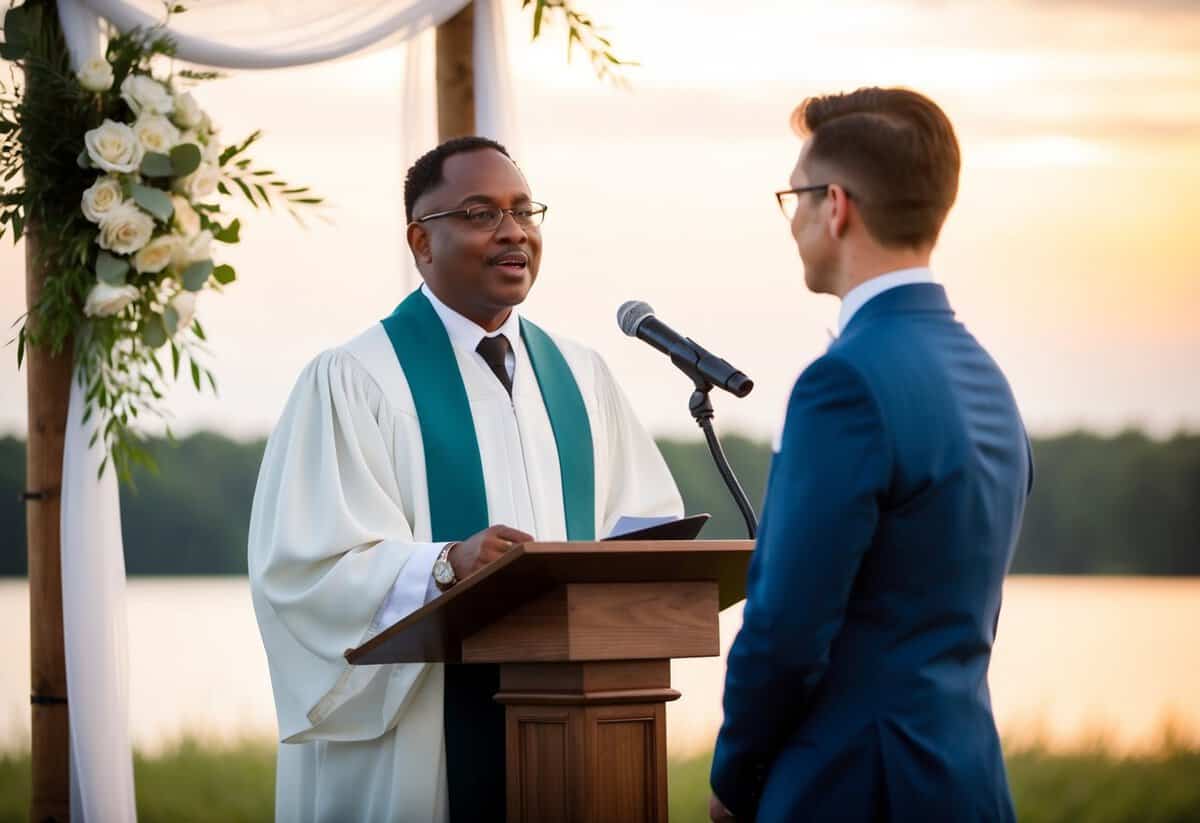
You might want to share personal stories or light-hearted anecdotes that connect you to the couple. This adds a personal touch and makes the ceremony feel more intimate.
Discussing love and partnership can inspire the couple and their guests to appreciate the journey they are embarking on together.
Remember, your words can set the tone for the entire ceremony. Being genuine and heartfelt will resonate with both the couple and their guests, making the wedding day unforgettable.
Preparing for the Ceremony
Getting ready for the wedding ceremony involves several important aspects. Your role as the officiant is crucial in creating a meaningful experience.
You’ll connect with the couple’s love story while also being aware of traditions and rituals. Here’s how to prepare effectively.
Understanding the Role of the Officiant
As the officiant, you play a significant part in the wedding ceremony. Your job is to guide the couple and the guests through the events while setting the right tone.
It’s essential to familiarize yourself with the couple’s preferences. Ask if they envision a religious or secular ceremony.
Knowing their wishes can help shape your officiant speech, making it personal and heartfelt.
Additionally, ensure you are legally authorized to officiate the wedding. Each state has different requirements, so check the guidelines early in the planning process.
Overview of Wedding Rituals and Traditions
Wedding ceremonies often include various rituals and traditions that reflect the couple’s beliefs and cultures. Common elements might include a unity candle, sand ceremony, or exchange of vows.
Discuss with the couple which rituals resonate most with them. Understanding their background can enrich the ceremony and provide a deeper meaning.
Create a checklist of these elements to ensure everything runs smoothly on the big day. Knowing when to include each tradition can enhance the overall flow of the ceremony.
Engaging with the Couple’s Love Story
Every couple has a unique love story worth sharing. Your task is to weave this narrative into the ceremony.
Begin by discussing their journey together—how they met, their first date, or milestones in their relationship.
Include anecdotes that capture their connection and personality. This makes the officiant speech more engaging and personal for guests.
Aim to connect these stories to the vows or rituals during the ceremony. This adds a layer of intimacy and significance to their wedding day.
Key Elements of a Wedding Rehearsal
A wedding rehearsal is crucial for ensuring a smooth ceremony. This practice allows everyone to understand their roles and the sequence of events.
Gather the wedding party, parents, and the couple to review key components. Walk through each part of the ceremony step by step.
Focus on logistics, such as where to stand, when to walk, and how to cue music or readings.
Clear communication will foster confidence in the couple and their families.
Finally, be open to last-minute changes. Flexibility can help you adapt to any adjustments that come up while maintaining a positive atmosphere.
Crafting the Ceremony Script
Creating the ceremony script is a vital part of the officiant’s role. It involves incorporating the couple’s unique love story, writing personalized vows, and designing a smooth processional and recessional. Each part contributes to a meaningful experience for the couple and their guests.
Incorporating Personal Touches
Your script should reflect the personalities and story of the couple. Start with a conversation to learn about their journey together.
Ask about their favorite memories, shared interests, and what this day symbolizes for them.
Incorporate personal anecdotes and inside jokes that resonate with the couple. This will make the ceremony feel intimate and special.
Use thoughtful language that aligns with their values. Remember to make the script warm and inviting, so guests can connect with the couple’s love story.
Writing Personalized Wedding Vows
Encourage the couple to express their feelings in their own words through personalized wedding vows.
Offer guidance on themes they may want to include like love, commitment, and future dreams. Provide examples and prompts to help them get started.
Each vow should capture their unique bond. You might suggest they share promises that speak to their relationship strengths or qualities they admire in each other.
Ensure the vows are heartfelt but not overly complicated. This makes it easier for them to read during the ceremony.
Designing the Processional and Recessional
The processional and recessional are key moments in the ceremony. The processional is when the wedding party walks down the aisle.
Plan the order of entrance carefully. Include family members and friends in a way that feels harmonious.
For the recessional, choose music that fits the mood as the couple exits. It should feel celebratory and joyful.
Be clear in the script about cues for music and movements. You can even suggest special moments, like a kiss or a fun pose, to share with their guests at the end.
Crafting the ceremony script requires attention to detail and creativity. With these elements, you can help the couple create a beautiful ceremony that honors their love.
Performing the Ceremony
As the officiant, you play a key role in creating a memorable ceremony. Your speech, the exchange of vows and rings, and the final pronouncement are all essential parts of this special day. Here’s how to make each moment meaningful.
Delivering an Engaging Officiant Speech
Your officiant speech sets the tone for the entire ceremony. Start by welcoming everyone warmly.
A personal touch, like a brief story about the couple, can help connect with the guests.
Make sure to include the declaration of intent, where the couple confirms their willingness to marry. This moment is significant, so encourage them to look at each other as they speak.
Keep your speech clear and heartfelt. Aim for a mix of sincerity and lightness to create a relaxed atmosphere. This balance helps everyone feel engaged and connected.
Guiding the Exchange of Vows and Rings
The exchange of vows is one of the most sacred parts of the ceremony. Ensure that the couple is prepared and knows what to say.
If they’re writing their own vows, remind them to speak from the heart.
When guiding the exchange of rings, explain the symbolism behind this act. Rings represent love and commitment, so take a moment to highlight that meaning.
You might say something like, “These rings will remind you of your promises today.”
Give clear instructions to each partner during this procedure to avoid any confusion.
It’s a sweet moment, so encourage them to take their time and enjoy it.
The Pronouncement and Conclusion
Your pronouncement is a pivotal moment. After the vows and ring exchange, clearly state, “By the power vested in me, I now pronounce you married.” This formal declaration solidifies their union.
Encourage a joyful celebration after the pronouncement. A simple phrase like, “You may now kiss!” can elevate the moment and bring smiles all around.
Finally, conclude with a brief introduction of the couple, such as, “It is my great pleasure to introduce Mr. and Mrs. [Last Name].” This is the perfect way to wrap up the ceremony and lead into the celebration ahead.
Additional Wedding Ceremony Considerations
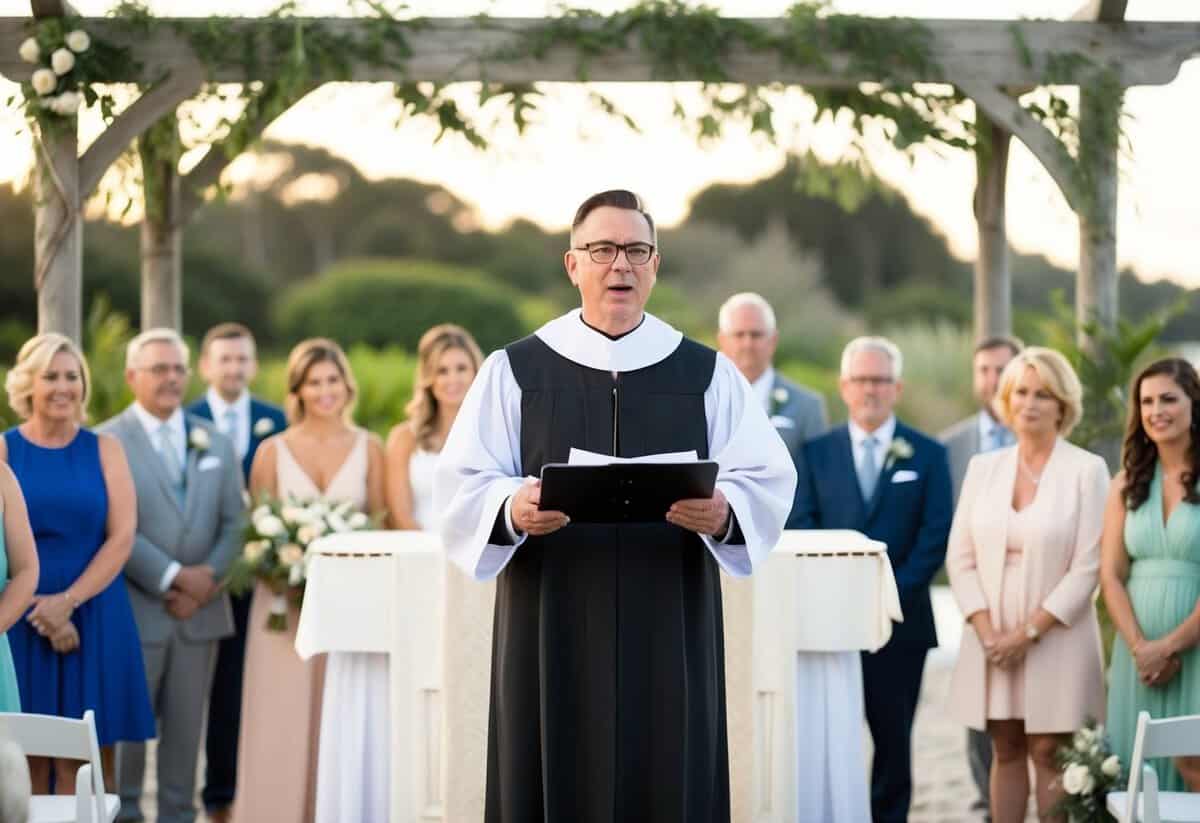
As you plan your wedding ceremony, think about elements that can make it truly special. Choosing the right readings, incorporating a unity ceremony, and navigating types of ceremonies are key to capturing the essence of your relationship.
Choosing Meaningful Readings
Selecting readings that resonate with you and your partner is important. Consider passages from literature, poetry, or religious texts that reflect your love and commitment.
Tips for choosing readings:
- Personal Connection: Choose works that hold special meaning for both of you.
- Length: Keep readings concise to maintain the flow of the ceremony.
- Involvement: Invite family or friends to read, adding a personal touch.
These readings can serve as a great way to share your thoughts on marriage and the love you have for one another.
Incorporating a Unity Ceremony
A unity ceremony symbolizes your union in a unique way. This could involve lighting a unity candle, sand blending, or even planting a tree together.
Common unity ceremony ideas include:
- Unity Candle: Each partner lights a candle and then together lights a third candle.
- Sand Ceremony: You each pour different colored sand into a single container, representing your lives coming together.
- Handfasting: Tying your hands together, symbolizing your bond.
Choose a unity ceremony that resonates with your story and provides a memorable moment in your wedding celebration.
Navigating Non-Denominational and Civil Ceremonies
If you’re considering a non-denominational or civil ceremony, focus on what feels right for you. These ceremonies often allow for greater flexibility in structure and content.
Key points to remember:
- Personalization: You can craft your vows and choose readings that reflect your beliefs and values.
- Ceremony Structure: You have the freedom to decide the order of events, allowing for a more personal touch.
- Legal Aspects: Make sure you understand the legal requirements for civil ceremonies in your location.
With thoughtful planning, you can create a meaningful ceremony that reflects your love and commitment, regardless of the style you choose.