
What Should Be Included in a Wedding Planner? Essential Tips for a Perfect Day
When planning your special day, having the right tools can make a big difference. A well-structured wedding planner can help you stay organized throughout the process.
Your wedding planner should include essential items like a budget tracker, to-do lists, and vendor contact information to ensure everything runs smoothly.
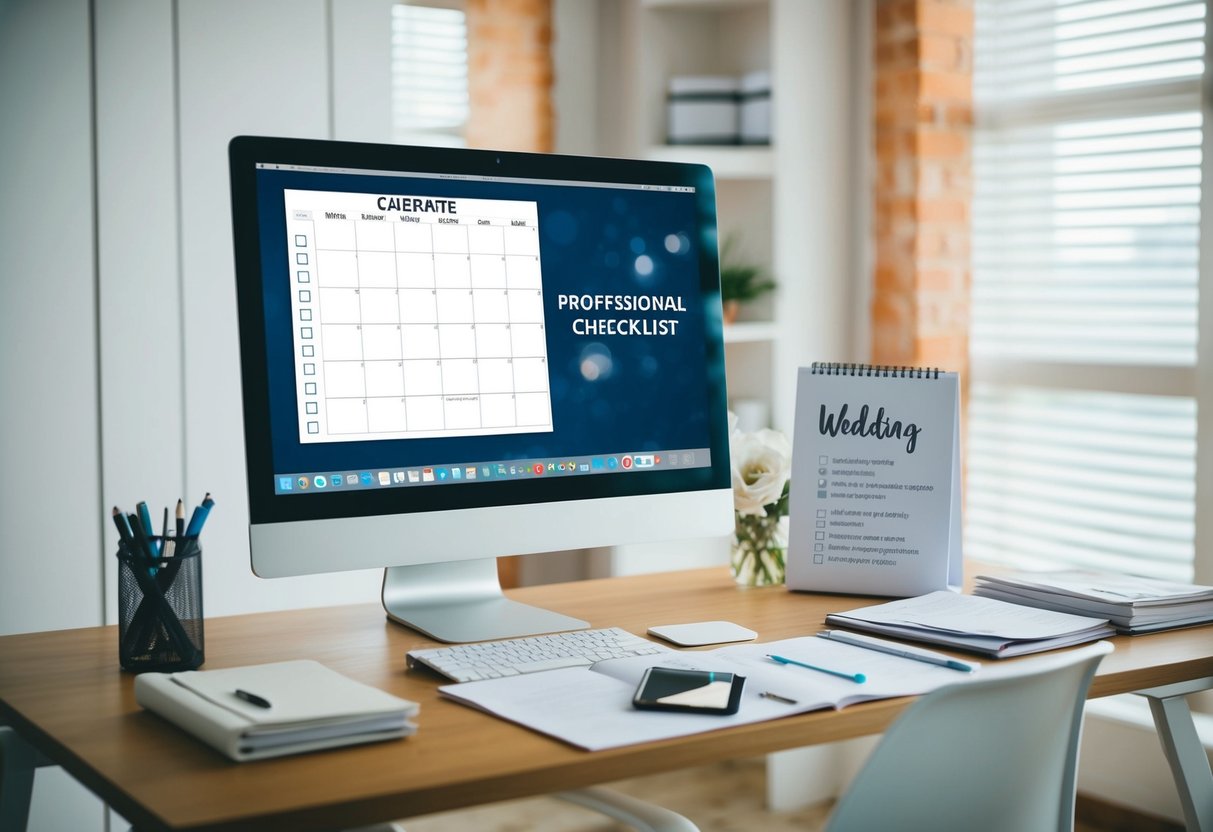
Creating a wedding planning binder can be a great DIY project to keep your thoughts and ideas in one place. You can customize it to fit your style and needs while making sure you capture all the details.
Whether you’re working with a professional wedding planner or tackling this on your own, a good organizational system is key to making your wedding a memorable event.
With all the excitement and details involved in wedding planning, it’s easy to feel overwhelmed. By knowing what should be included in your wedding planner, you can take control and enjoy the journey. Get ready to dive into what makes a wedding planner truly effective!
Planning and Organization

Effective planning and organization are essential in turning your wedding dreams into reality. A well-structured approach can help you manage your time and resources while keeping stress levels low throughout the process.
Creating Your Wedding Binder
A wedding binder is your best friend during planning. Start with a sturdy binder and dividers to organize different sections. Include your checklist, to-do lists, and wedding timeline.
Consider adding pockets for important documents like contracts or agreements with vendors. Use tabs to mark sections like ceremony details, reception planning, and guest lists. You can have a section dedicated to inspirations like pictures or fabric samples to help visualize your theme.
Budget Tracking and Management
Managing your wedding budget is critical. Start by creating a detailed budget tracker. List all your expected expenses such as venue costs, catering, flowers, and attire.
It’s useful to categorize these costs to see where your money goes. Use spreadsheets or budgeting apps to keep everything organized. Don’t forget to leave room for unexpected costs that might arise. This way, you can track your spending and avoid any financial surprises as your big day approaches.
Master Checklist Development
A master checklist can be your roadmap. Begin by writing down all the tasks that need to happen before the wedding day. Break larger tasks into smaller, actionable steps.
You can organize your checklist by timelines, such as what should be done three, six, or even twelve months in advance. This will help you visualize your progress. Cross off tasks as you complete them to see how far you’ve come. Keeping this checklist handy ensures you stay on track without missing crucial items.
Vendor Contact Information Organization
Keeping track of vendor contacts is vital. In your binder, create a dedicated section just for vendor information. This can include basic contact details like names, phone numbers, and email addresses.
Alongside the contact info, note each vendor’s specific responsibilities. This makes it smoother to consult your planner and track tasks assigned to each vendor. Additionally, organizing contracts and vendor agreements in this section will help you access important documents quickly when needed.
Design and Details

Creating the right atmosphere for your wedding is essential. This involves gathering inspiration, selecting venues and decor, and planning attire and beauty aspects. Each part plays a key role in setting the mood for your special day.
Gathering Inspiration and Ideas
Start by collecting ideas that resonate with your vision. Use platforms like Pinterest to create boards showcasing themes, colors, and styles. Focus on details such as floral arrangements and lighting. Look for images that include ceremony music and reception setups.
Consider your wedding party’s outfits, too. Visualizing how everything fits together helps you make informed choices. This inspiration will guide your decisions when collaborating with your vendors, like photographers and videographers, ensuring a cohesive look.
Venues and Decor Selection
Choosing the right venue and decor can transform your event. Start by narrowing down your options based on capacity and location. Think about the ceremony venue and how it aligns with your vision.
Once the venue is selected, focus on decor elements. Discuss with your decorator about floral arrangements, centerpieces, and lighting. Remember that lighting can affect mood. A mix of string lights and candles often creates a romantic ambiance. Make sure to visualize everything together to ensure harmony.
Wedding Attire and Beauty Planning
Your attire is one of the most personal aspects of your wedding. Start by selecting a wedding gown that fits your style. Think about your bridesmaid dresses and the groom’s attire. Coordinating colors and styles helps create beautiful photos.
Don’t overlook hair and makeup. Schedule trials to find the right look that complements your gown and the overall theme. Consider how you want to express yourself through these choices. Your comfort and happiness should shine through on your big day.
Logistics and Coordination

Planning a wedding involves managing many details to ensure a smooth event. Focusing on logistics and coordination will help you prepare and enjoy your big day without stress. Here are the key components to consider.
Event Timeline and Flow
Creating a detailed day-of timeline is essential. This timeline outlines when each part of your wedding will occur, from getting ready to the reception. Include time for hair and makeup, transportation, and special moments like the first dance and cake cutting.
Your timeline should consider all vendors. Provide them with a clear schedule to coordinate deliveries, setup times, and their roles throughout the day.
A well-structured flow keeps your guests engaged. For instance, plan for ceremony music to start promptly. Anticipate transitions, such as moving guests from the ceremony to cocktail hour, to keep everything on track.
Guest Management and Accommodations
Managing your guest list and RSVPs is vital for a successful wedding. Start with a comprehensive list, noting addresses, plus-ones, and dietary restrictions. Utilize digital tools to track responses easily, ensuring no one is overlooked.
Communicating accommodations is also key. Have a list of hotels nearby for guests traveling from out of town. Consider a group booking deal for convenience.
Don’t forget to arrange for a guest book area at your reception. This gives attendees a chance to leave messages, creating lasting memories for you.
Transportation and Venue Details
Coordinate transportation for yourself and your guests. Decide if you’ll have a hired vehicle for the wedding party, including a shuttle for guests. Aim for a seamless experience from the ceremony to the reception venue.
Highlight important venue details in your planning. Ensure you have the venue’s layout, including spots for the ceremony, reception, and dance floor. Check accessibility options for guests with mobility needs.
If your event is at different locations, provide clear directions. This thoughtful touch shows your guests that you care and want them to enjoy the day with ease.
Final Touches

As your wedding day approaches, final touches will help you put your personal stamp on the event. You want everything to feel special, from your invitations to the emergency kit you’ll need.
Stationery and Invitations
Your wedding invitations set the tone for your big day. Choose designs that reflect your style and theme. It’s important to include essential details such as the date, time, venue, and dress code.
Consider adding RSVP cards to make it easy for guests to respond. Make sure you send them out at least six to eight weeks before the wedding. This helps you finalize the guest list for seating and catering.
Don’t forget thank-you cards! They are a lovely way to show appreciation after the wedding, and you can start writing them before the big day.
Catering, Cake, and Entertainment
Food and entertainment are crucial for a memorable wedding. Make selections that suit your guests’ tastes.
For catering, offer a variety of dishes to cater to different dietary needs. Include vegetarian, vegan, and gluten-free options. Tasting sessions before making a decision can help you choose the best menu.
The wedding cake is another focal point. Work with your baker to design something that fits your vision. Consider flavor options and how it fits into your overall theme.
Entertainment keeps the celebration alive. Whether it’s a live band, DJ, or even a fun photo booth, make sure it aligns with your style. Reviews from past clients can help guide your choice.
Wedding Day Emergency Kit
An emergency kit can save the day when surprises happen. Start with basic items like safety pins, scissors, and a sewing kit.
Add items for personal needs, such as deodorant, pain relief, and extra makeup. Include items like snacks and water to keep up your energy.
If you have a bridal party, consider creating smaller kits for them too. This proactive approach ensures you have everything you might need on the wedding day.
Honeymoon Preparation
Planning your honeymoon is the perfect way to unwind after the wedding. Start by deciding where you want to go. Consider your interests and budget.
Create a honeymoon registry if you’d like guests to contribute. This can cover experiences, like a romantic dinner or adventure activities.
Make reservations for accommodations and activities in advance. Having these plans will reduce stress and allow for a more enjoyable experience.
Lastly, check that your passports and travel documents are ready. Having everything organized will help you relax and focus on enjoying your first moments together as a married couple.