
What Should Be Included in a Wedding Planner? Essential Elements for Your Big Day
Planning a wedding can feel overwhelming, but having the right tools can make all the difference. A wedding planner should include essential elements like a budget tracker, timelines, and vendor information to keep everything organized and stress-free. With these components in place, you’ll find it easier to manage tasks and ensure everything runs smoothly on your big day.
Take the time to create a comprehensive planner that reflects your unique style and needs. Including sections for guest lists, seating arrangements, and important contacts can help you stay on top of every detail. Whether you’re planning independently or working with a professional wedding planner, clear organization is key to a successful event.
By setting up your wedding planner thoughtfully, you can enjoy the planning process more and focus on the joy of your upcoming celebration. With all the right information at your fingertips, you’ll be ready to tackle any challenges that come your way.
Starting Your Wedding Planning Journey
Beginning your wedding planning journey is exciting yet can feel overwhelming. You want everything to be perfect, from the vision to the budget and timeline. Focusing on these key areas will help you lay a strong foundation.
Establishing Your Wedding Vision
Start by imagining what your dream wedding looks like. Think about themes, colors, and settings that inspire you. What type of ceremony do you envision?
Create a mood board with pictures and ideas. This helps clarify your vision and makes communication with vendors easier.
Ask yourself questions like:
- Do you prefer a formal or casual atmosphere?
- Indoor or outdoor?
- Seasonal details that you love?
Your vision will guide other decisions, such as the guest list and venue selection. This way, you clearly understand your desired style and vibe.
Setting a Realistic Wedding Budget
Your budget is one of the most critical parts of planning. Start by determining how much you can spend. Include contributions from family if applicable.
Break down your budget into categories, such as venue, catering, attire, and décor. This will make it easier to see where your money goes.
Consider unexpected costs to avoid surprises.
Here’s a simple budgeting list:
- Venue: 40%
- Catering: 30%
- Photography: 10%
- Attire: 10%
- Other expenses: 10%
Staying organized will help you find a balance between your dream and financial reality.
Crafting a Comprehensive Timeline
A well-structured wedding timeline is essential for staying on track. Start planning at least 12 to 18 months in advance for a smooth process.
Begin by listing all the tasks you need to complete, such as booking vendors and sending invitations. Divide these tasks into monthly or weekly goals.
Consider creating a checklist to mark off items as you complete them.
Important milestones to include:
- 6-12 months before: Book venue and major vendors.
- 3-6 months before: Send out invitations.
- 1-3 months before: Confirm all details with vendors.
Having a clear timeline helps you enjoy the planning process while ensuring nothing important is overlooked.
Organizing the Details
When planning your wedding, keeping track of essential details will help you stay calm and focused. You need to organize your venue choices, guest list, invitations, and vendor contacts efficiently.
Choosing the Perfect Venue
Selecting the right venue is one of the most important steps in your wedding planning. Start by listing your preferred locations. Consider factors such as capacity, location, and style.
Also, think about the ceremony venue and reception area. Make a checklist of what each venue offers, including amenities like restrooms, parking, and accessibility. Schedule visits to narrow down your options.
When you find a venue you love, inquire about availability and pricing. Confirm what’s included in the rental package. Make sure to read and understand the contract before signing.
Curating Your Guest List and Invitations
Your guest list sets the tone for your wedding. Start by making a list of everyone you want to invite. Group them into categories, like family, friends, and colleagues.
Next, decide on the number of guests you can comfortably accommodate. This will help you finalize your budget and venue choice. Remember to include important details on your invitations, such as RSVP instructions and wedding date.
Collect vendor contact information to help track responses. Online invitation tools can simplify this process. They can send reminders and manage your RSVP list effectively.
Selecting Vendors and Managing Contracts
Choosing the right vendors is crucial for a smooth wedding day. Start by researching local options for catering, photography, and floral arrangements. Read reviews and ask for recommendations from friends or family.
Once you’ve identified potential vendors, reach out for quotes. Create a spreadsheet to compare prices and offerings. Make sure to check references before making decisions.
When you’ve finalized your vendor choices, ensure you have all contracts in place. Each contract should outline what services the vendor will provide, payment terms, and cancellation policies. Keep copies of all contracts along with your vendor contact information for easy access.
Design and Decor
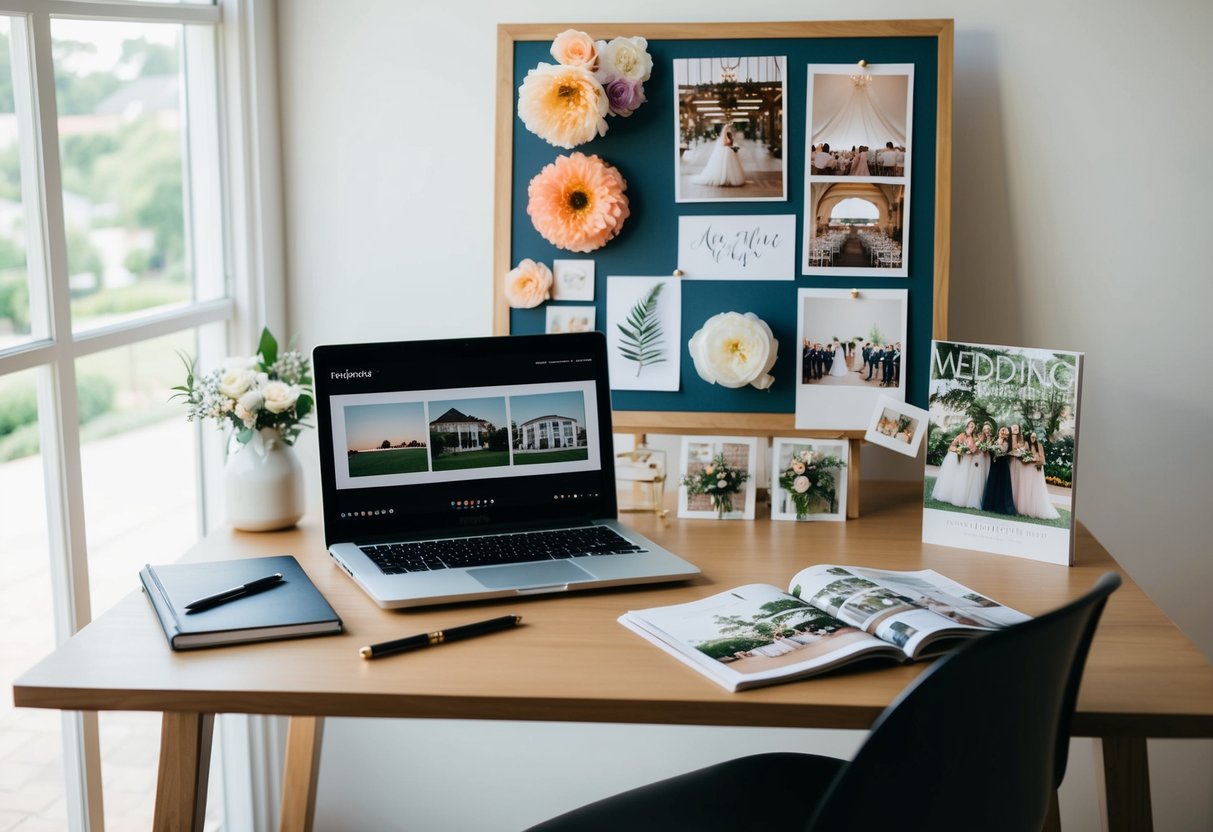
Creating a beautiful atmosphere for your wedding is essential. The design and decor encompass everything from your theme and flowers to lighting. Here’s how to make each aspect stand out.
Picking a Theme and Sourcing Decorations
Your wedding theme sets the stage for all your decor choices. Begin by brainstorming themes that reflect your personality and relationship.
Consider options like rustic, elegant, or beachy vibes. Once you’ve selected a theme, start sourcing decorations. Visit local stores, online retailers, or rental services to find items that fit your vision.
Make a checklist of essential decor items such as centerpieces, table linens, and signage. You can also get creative by adding personal touches, like family heirlooms or DIY projects, to make the decor truly yours.
Finalizing Floral Arrangements
Flowers play a significant role in enhancing your wedding’s beauty. Start by choosing a color palette that complements your theme. Consider seasonal blooms to save on costs.
Meet with a florist to discuss your ideas and budget. Ask about bouquets, boutonnieres, and floral centerpieces.
Remember to think about the venue details, as the space may dictate flower choices. Make sure the flowers you select match the overall mood of your wedding and enhance the setting.
Lighting and Space Layout
Lighting can transform your venue into a magical space. Start by assessing the natural light available at your venue. Consider the time of day and how it changes the atmosphere.
Choose lighting options like string lights, candles, or uplighting to create a warm, inviting feel.
Next, think about your space layout. Ensure that the lighting highlights key areas, such as the altar and reception tables. Proper lighting will not only enhance decor but also impact your guests’ experience and the overall ambiance of the day.
The Big Day and Beyond
Your wedding day is one of the most memorable moments in your life. It’s important to prepare for what you’ll wear, how to coordinate the day’s events, and what happens after the ceremony. Each aspect plays a vital role in ensuring your wedding experience is smooth and enjoyable.
Dressing for the Occasion
Choosing the right wedding attire is key. For you, that means finding a beautiful wedding dress that reflects your personal style. Be sure to try it on well ahead of time to ensure a perfect fit.
The groom’s attire should complement your dress. Whether it’s a classic suit or something more trendy, it should suit his personality and the wedding theme. Don’t forget about the bridesmaid dresses and ensure they fit well and are comfortable enough for your friends to enjoy the day with you.
Hair and makeup should be planned ahead of time. Schedule consultations to achieve the look you desire. Make sure to have a day-of timeline that outlines when each person should be ready to avoid last-minute chaos.
Managing Day-of Logistics
On the big day, managing logistics is crucial. First, follow your day-of timeline closely. This schedule keeps everything on track, such as when to start hair and makeup, when the photos are taken, and the order of events during the ceremony and reception.
Assign roles to your wedding party. They can help with different tasks, such as gathering guests, ensuring everyone is where they need to be, and communicating with vendors. Having a point person for each major part of the day can minimize stress and maintain flow.
Always prepare for unexpected situations. Designate someone to handle issues that may arise so you can enjoy each moment without worrying.
Planning for the Honeymoon
Don’t forget that the excitement continues after the wedding! Planning your honeymoon can be just as fun as planning the wedding itself.
Start by discussing destinations that match both your interests and budget. Create a checklist of what to pack. This can include clothes, travel documents, and special items for activities you plan.
Book accommodations and any excursions in advance to avoid last-minute stress.
Consider taking time off work after the wedding. This allows you to relax and enjoy your first days together as newlyweds, making memories that will last a lifetime.