
What Should I Be Doing 7 Months Before My Wedding? Essential Pre-Wedding Checklist
Planning a wedding is an exciting journey, but it can also feel overwhelming. As you look ahead to your big day, you might be wondering what steps you should be taking about seven months out. At this stage, you need to secure your venue and book key vendors to ensure everything runs smoothly.

Now is the perfect time to research and meet with potential vendors, including photographers, caterers, and florists. Remember, popular choices can book up quickly, so don’t delay in making those crucial decisions.
You’ll also want to start thinking about your wedding attire. Whether it’s a stunning gown or a sleek suit, getting your wardrobe sorted early can help ease stress as the date approaches.
With these steps in mind, you’ll be well on your way to planning a beautiful celebration.
Finalizing the Big Details
At this stage in your wedding planning, it’s time to lock in the major elements that will shape your special day. Focusing on your venue, key vendors, and attire is essential to keep everything on track.
Choosing Your Wedding Venue
Selecting your wedding venue is one of the first big steps. You want a place that reflects your style and can accommodate your guest list.
Tour a few options and consider the atmosphere, layout, and accessibility for guests. Also, check for any packages that include amenities like tables and chairs, which can save you time and effort. Don’t forget to ask about their policy for outside vendors. This is important if you already have a specific caterer or florist in mind.
Make sure to book your venue at least 7 months before your wedding. Popular locations often book up quickly!
Booking Key Wedding Vendors
Once your venue is set, it’s time to secure your key wedding vendors. Think about who you’ll need: a photographer, DJ, caterer, and florist are essentials.
Start with the photographer since style and availability can vary. Reach out to potential vendors and ask to see examples of their past work. Look for reviews and ask for recommendations. Once you find the perfect fit, book them as soon as possible to avoid missing out.
Try to finalize these choices around 7 months out. This allows you to focus on the smaller details later on without stress.
Dress and Attire Decisions
Finding the right wedding dress is a delightful yet crucial part of your planning. Start your search early to explore different styles and fits.
Consider your venue and the season, as these factors can influence your dress choice. Schedule fittings and allow time for alterations, which is vital for the perfect fit.
Don’t forget about your bridal party’s attire, too. Coordinate with them on colors and styles to create a cohesive look.
As you finalize your attire, be sure to think about accessories, like shoes and jewelry. Start this process as early as possible to ensure you’re completely prepared come wedding day!
Communications and Guests
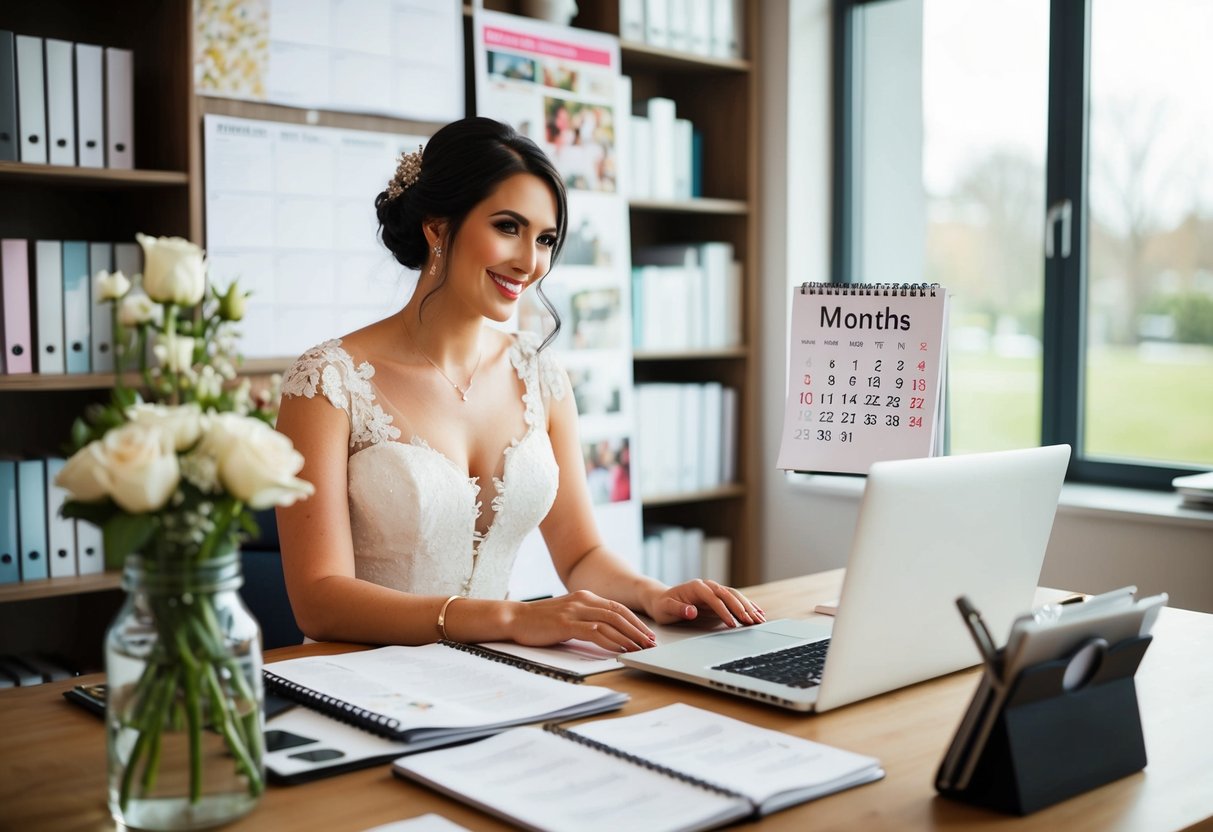
As you prepare for your wedding, effective communication with your guests is key. At seven months out, you’ll focus on sending save-the-dates, preparing accommodations, and launching your wedding website. Each step helps ensure your guests have all the information they need.
Sending Save-the-Dates
Sending save-the-dates is a fun way to let your friends and family know your wedding plans. Aim to send these cards about seven months before the big day. This gives guests plenty of time to make arrangements.
Make sure to include essential details like the wedding date and location. If you have a wedding website, add that information too. You can choose designs that match your wedding theme, bringing a personal touch to your stationery.
You can send save-the-date cards through email or traditional mail. Just be sure your guest list is up-to-date so everyone important receives one. This early notice will help guests plan their travel and time off, making for a smoother celebration.
Preparing Guest Accommodations
Accommodations are crucial for out-of-town guests. Start by researching nearby hotels and venues to find options in different price ranges. This ensures there’s something for everyone.
Once you’ve chosen a few hotels, consider booking a block of rooms. This gives your guests a special rate and keeps everyone close, adding to the fun.
When reserving, ask about cancellation policies to keep things flexible for your guests.
Make sure to include accommodation information in your save-the-dates or your wedding website. This way, guests can easily find everything they need. Prioritize immediate family and close friends when allocating rooms to ensure they have a place to stay.
Launching Your Wedding Website
Creating a wedding website is an excellent way to communicate with guests. It can house all of the important details in one spot.
Start by adding your love story, the wedding date, and location. Include sections for accommodations, travel tips, and a calendar of events leading up to the wedding day. You can even share RSVP options and links for gift registries.
Make your website user-friendly with clear navigation. Consider using an easy-to-remember domain name for guests. Share this link on your save-the-dates so everyone can stay updated smoothly. Creating a wedding website can simplify communication and keep excitement high!
Personal Prep and Finer Details

Seven months before your wedding is a great time to focus on preparations that make your big day a success. You’ll want to address your attire, schedule beauty trials, and begin planning preliminary events. These details set the stage for a smooth wedding experience.
Attire Fittings and Accessories
Start with your attire. This is the moment to schedule fittings for your wedding gown, suit, or dress. Make sure to try on accessories like veils, shoes, and jewelry during these sessions.
You might also want to plan fittings for bridesmaid dresses and groomsmen suits.
Consider the colors and styles for wedding accessories that match your theme. Don’t forget about the wedding bands; you can select something that complements your engagement ring. Creating a list of needed accessories will help ensure nothing is overlooked as you prepare.
Scheduling Beauty Trials
Your beauty look is essential for your wedding day. Start scheduling trials for hair and makeup. This lets you see how different styles work with your chosen attire.
Bring along your veil or any special accessories to see how they blend with the overall look.
Consider your manicure options to enhance your overall appearance. It’s also a good idea to discuss styles with your bridesmaids. They may want to coordinate their looks with yours. A beauty trial will help you feel confident when the big day arrives.
Preliminary Event Planning
Don’t forget about your engagement party and rehearsal dinner! These events are a chance to celebrate beforehand.
Choose a venue that aligns with your vision and create a guest list. This is the time to decide between a small gathering or a bigger celebration.
Start discussing plans with your wedding planner if you have one. They can help manage details, from catering to decoration.
You should also begin researching locations for the wedding registry to ensure you have everything sorted in advance.
Legal and Logistical Considerations
As you plan for your wedding, it’s vital to tackle legal and logistical tasks. These steps will help ensure everything runs smoothly on your big day. Focus on getting your marriage license, reviewing contracts, and potentially consulting a wedding planner.
Applying for a Marriage License
Getting your marriage license is a crucial step. Each state has different rules, so check the requirements in your area.
You typically need to gather documents like identification and proof of residency. Make sure you know the fees involved. Some states may have a waiting period before the license is valid.
Always apply well ahead of time, as this can take several days to finalize or may require appointments.
Reviewing Wedding Contracts
Reviewing contracts is essential to avoid surprises. When signing with vendors, such as florists, photographers, or caterers, read every detail carefully.
Check payment schedules, cancellation policies, and any extra fees. Keep your wedding budget in mind as you review these documents.
If something isn’t clear, don’t hesitate to ask questions. It’s important to know your rights and obligations to avoid disputes later.
Consulting with a Wedding Planner
If you feel overwhelmed by the thought of planning, consider working with a wedding planner. A wedding planner can help manage your wedding checklist and timelines. They often have connections with reliable vendors, making your choices easier.
A wedding planner can also assist with your wedding budget. Make sure to discuss any specific needs or themes that are important to you. They may recommend premarital counseling if you wish to ensure a strong foundation for your marriage.
Talking about your expectations can help you feel more at ease during this exciting time.