
What Should I Be Doing 8 Months Before a Wedding? Essential Planning Tips for a Smooth Celebration
Planning a wedding can feel overwhelming, especially when you’re juggling a million details. At eight months out, you’re in a crucial period where exciting decisions should start to take shape. One of the first things you should do is create a solid checklist to guide you through the next steps of your planning journey.
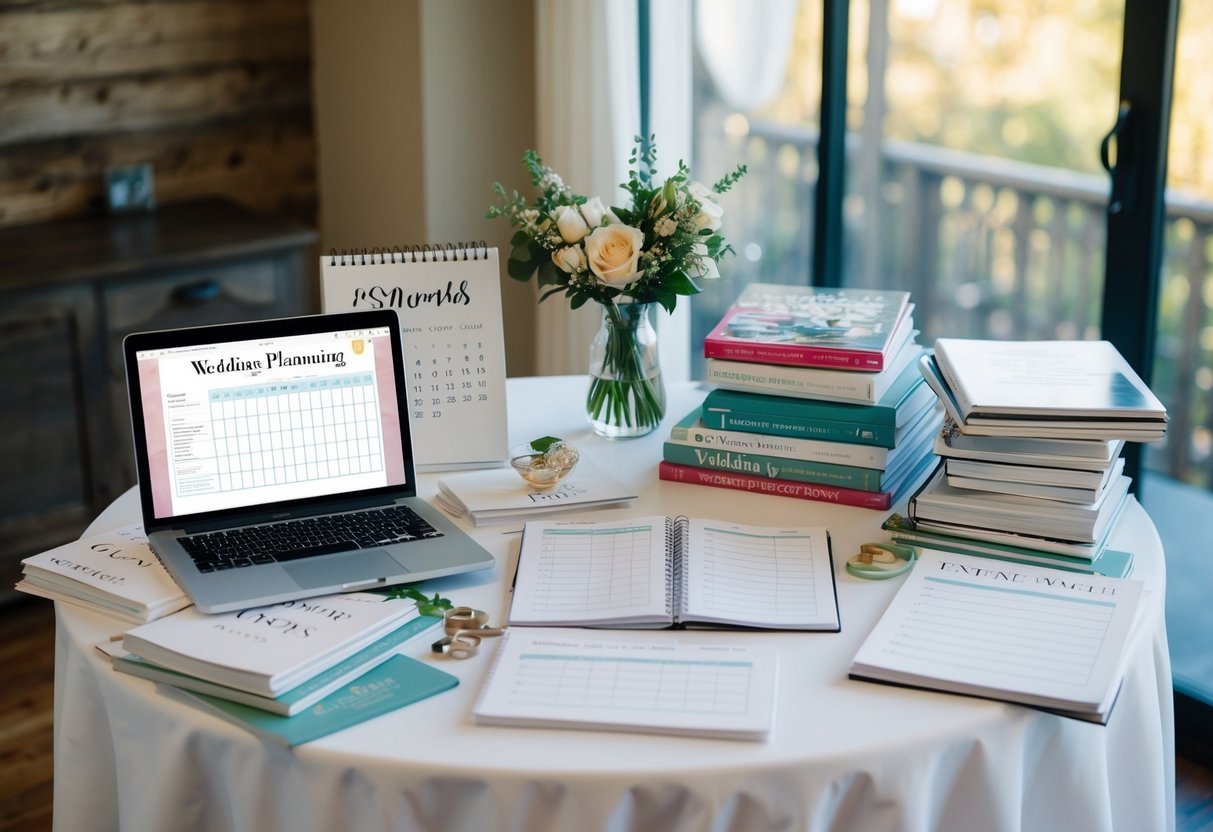
During this time, focus on selecting your wedding attire, booking your venue, and finalizing your guest list. These decisions lay the foundation for your special day and can help you visualize how everything will come together.
You’ll also want to think about securing vendors such as your photographer and caterer, as these can fill up quickly.
Don’t forget to schedule a hair and makeup trial and start exploring options for your florist. With all the details swirling around, embracing this planning phase will make the process enjoyable and rewarding.
Setting Your Wedding Vision and Budget

Creating a wedding vision and setting a budget are crucial first steps in your planning journey. These decisions will guide your choices and help you stay organized as you move forward.
Defining the Wedding Theme
Start by thinking about the overall vibe you want for your wedding day. Consider the setting, season, and what feels special to you and your partner.
Do you envision a romantic garden wedding, a rustic barn celebration, or a sleek city affair?
Your theme will influence your color palette, décor, and attire. Create a mood board using images and color swatches to visualize your ideas. This will help you make choices that fit your unique style and goals for the day.
Don’t forget to involve your partner in this process. Discuss what themes resonate with both of you, ensuring that your wedding reflects your shared vision.
Allocating Your Wedding Budget
Once you have a theme in mind, it’s time to discuss money. Consider how much you and your partner can realistically spend.
Make a list of all potential expenses, including venue, catering, attire, and photography.
A common breakdown of your budget might look like this:
- Venue: 30%
- Catering: 25%
- Photography: 15%
- Attire: 10%
- Decor and Flowers: 10%
- Entertainment: 10%
Adjust these percentages as needed based on your priorities.
Be clear about what’s most important to you both. This will set the stage for smart choices later in the planning. You can also leave some room for unexpected costs, as they often arise during wedding planning. Having a budget plan will keep you on track.
Finalizing Key Components
At this stage, it’s crucial to focus on key parts of your wedding planning. You need to secure the venue, finalize your guest list, and book essential vendors. These steps set the foundation for your big day and ensure everything runs smoothly.
Choosing the Perfect Venue
Selecting the right venue is one of the most important decisions you will make. Think about what style fits your vision. Do you want a rustic barn, a chic hotel, or a beautiful outdoor setting?
Visit potential venues in person to get a true feel of the space. Take notes and pictures to compare later. Ask about their capacity, available dates, and packages.
Don’t forget to consider logistics. Is parking available? Are there accommodations nearby for out-of-town guests? You can start gathering ideas for your wedding rings that fit the venue’s atmosphere, adding to your overall theme.
Creating the Guest List
Your guest list sets the tone for your wedding. Start by writing down everyone you would like to invite. Think about family, friends, and colleagues. You might even want to include those who you want to share the celebration with, like those from your engagement party.
Once you have your initial list, categorize it into groups like “must invite” and “maybes.” This helps you identify how many you can realistically accommodate. Knowing your numbers helps when selecting the venue and catering options.
Keep in mind that some people may not be able to attend. Always consider potential plus-ones for guests who are in serious relationships. An organized guest list makes planning easier and more efficient.
Booking Essential Vendors
With your venue secured and guest list ready, it’s time to book essential vendors. Start with your wedding planner, if you have one. They can guide you through the process and ensure nothing is overlooked.
Next, look for key vendors like photographers, florists, and entertainment. Research options and read reviews.
Schedule meetings or consultations with potential photographers to discuss your vision and style. Don’t forget about cake tastings! Many bakeries offer tastings to help you choose the perfect cake. This adds a personal touch to your celebration.
Secure your vendor contracts as soon as possible, as popular professionals book up quickly, especially during peak wedding season.
Attire and Aesthetics

Choosing your wedding attire is a big part of your planning, and it’s essential to start early. You’ll want to consider not only your dress but also the wedding shoes, accessories, and how everything fits together with the wedding party attire.
Selecting Your Dream Wedding Attire
Start by thinking about the type of wedding dress that makes you feel amazing. Do you prefer a classic, modern, or bohemian style?
Visit bridal shops and try on different silhouettes like A-line, ball gown, or sheath. This will help you determine what flatters your figure best.
Don’t forget about your footwear. Choose wedding shoes that match your dress style but are also comfortable. You’ll be on your feet for a while!
Consider adding wedding accessories like veils, jewelry, or hairpieces that enhance your look without overwhelming it. Create a cohesive look that reflects your unique style.
Coordinating Attire for the Wedding Party
Next, focus on the attire for your wedding party. Communicate your vision to your bridesmaids so they can choose dresses that complement the overall theme.
It’s ideal to select styles that work for various body types. Offering a color palette can help them find something they love while fitting within your theme.
Make sure everyone, including groomsmen, is dressed appropriately. Coordinate their suits or tuxedos with the bridesmaids’ dresses. You might choose matching ties or accessories to create harmony.
Keep everyone informed about fitting schedules to ensure all outfits are ready well ahead of time.
Communication and Logistics
Effective communication and careful planning are essential as you approach your wedding day. This is the time to focus on invitations, accommodations, and creating a solid timeline to ensure everything flows smoothly.
Wedding Invitations and Announcements
Start your wedding planning by sending out save-the-dates. Aim to send these about eight months prior to your wedding date. They inform guests about important details and help them save the date.
Consider creating a wedding website. This is a great space to share your love story, wedding details, and RSVP options. You can also include links for guests to access gift registries.
Don’t forget about your wedding stationery. You’ll need invitations, programs, and thank you cards. Each piece should match your wedding theme and style to create a cohesive look.
Arranging Accommodations and Transportation
Now is the perfect time to secure hotel room blocks for your guests. Reach out to hotels near your venue to negotiate special rates. This makes it easier for guests traveling from out of town.
Provide information about transportation options. Whether you choose a shuttle service or encourage carpools, make sure guests know how they can get to and from the venue.
You might create maps that outline transportation routes and important landmarks. This can help ease any travel anxiety your guests may have.
Constructing a Detailed Wedding Timeline
Creating a wedding timeline is crucial to keep everything organized. Start by outlining major events for the day.
Include everything from the ceremony to the reception and when each vendor will arrive.
Make sure to communicate this timeline with your wedding party and key vendors. Share who is responsible for what aspect, so everyone knows their role.
You can also consider a table plan. Knowing where your guests will sit can help with seating arrangements and ease your mind.
Planning ahead ensures that your big day runs smoothly.