
What Should I Put on My Wedding RSVP? Your Essential Guide to Responses
When planning your wedding, one important detail is what to include on your RSVP cards. Make sure to ask for guest names, meal preferences, and any other special requests. This will help you get a clear picture of who can attend and what they might need.
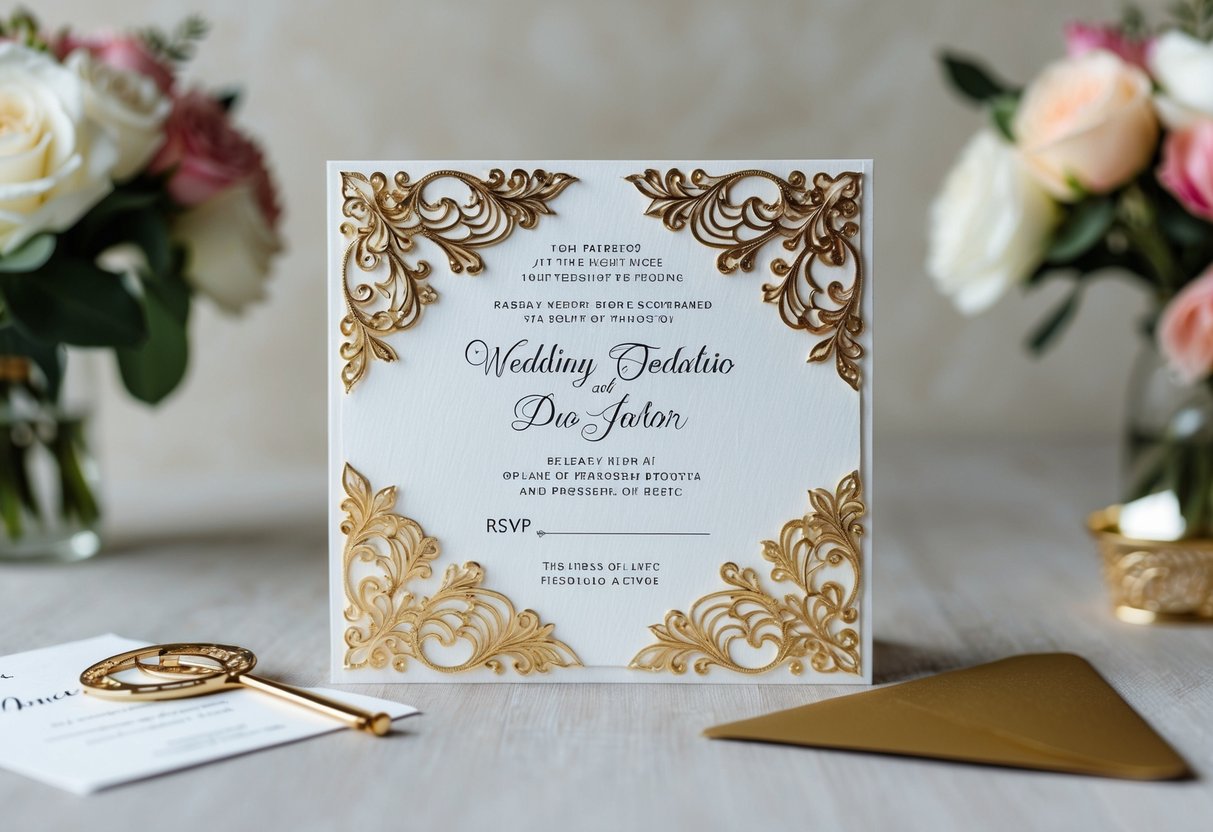
You want your guests to feel informed and excited about your big day. Including a deadline for responses is also crucial to make the planning process smoother.
Creating a warm and welcoming tone in your RSVP can set the stage for a joyful celebration.
Don’t forget to consider other details, like whether children are invited, so everyone knows what to expect. Your RSVPs are a key part of your wedding planning, making sure each guest feels valued and included.
Understanding RSVP and Its Importance
When planning your wedding, understanding RSVP is key. RSVP stands for “Répondez s’il vous plaît,” which means “Please respond.” This helps you manage your guest list effectively.
Your wedding invitation should include an RSVP card. This is how guests can let you know if they will attend. Be sure to include a clear RSVP deadline. This way, everyone knows when to reply.
It’s important to use good RSVP etiquette. Here are some tips:
- Be Clear: State the date and how to respond on your RSVP card.
- Provide Options: Let guests choose if they will attend or not.
- Include Names: Ask them to write their names to avoid confusion.
Remember, RSVPs help you plan seating arrangements, meals, and other details. By sharing the RSVP deadline, you can ensure that everyone responds on time.
Having this information helps create a smooth wedding experience. Guests will appreciate knowing when to reply. Plus, it keeps your planning organized and stress-free. So, make sure your RSVP cards are easy to fill out!
Crafting Your RSVP Card
Creating your RSVP card is an important part of your wedding planning. It helps guests know how to respond and sets the tone for your big day. Focus on including essential elements, choosing the right wording, and designing it to match your invitation suite.
Essential Elements of an RSVP Card
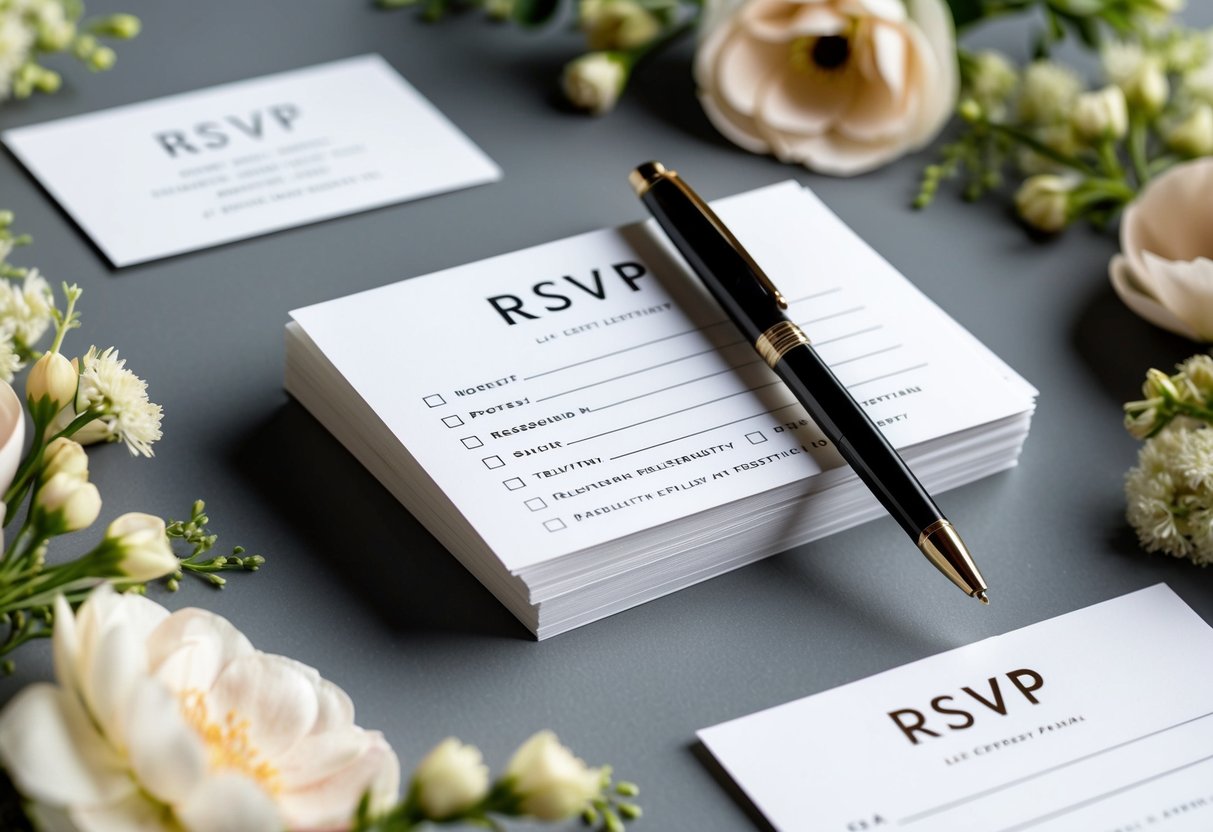
An effective RSVP card should include key components to ensure your guests respond correctly. Start with a clear prompt, such as “Please RSVP by [date].” This helps set a deadline.
Next, include spaces for guests’ names. You may want to write “M” on the line so they can add their titles, like Mr., Mrs., or Ms. A simple format could be:
- Name(s): ____________
Offer options for their attendance, which could be as simple as:
- Will attend
- Will not attend
You might also consider adding a section for meal choices if you are providing a sit-down dinner. This way, you can accommodate dietary preferences.
Choosing the Right Wording
The wording on your RSVP card can vary between formal and casual styles. For a formal wedding, wording could be something like:
“Kindly respond by [date].”
For a more relaxed vibe, you might try:
“Let us know if you can make it!”
Always ensure that your RSVP wording matches the tone of your wedding invitation. Don’t forget to request guests to indicate how many people are attending if you have a plus-one option.
RSVP Card Design Tips
The design of your RSVP card should coordinate with your wedding invitation suite. Keep the same colors, fonts, and style for consistency. Use a clear layout so guests can easily find the information they need.
Consider including a unique design element, like a decorative border or a fun illustration, to reflect your personality. A well-designed response card not only looks great but encourages a quicker reply from your guests.
Remember, your RSVP card sets the tone for how formal or casual your event will be, so let your style shine through!
Key Considerations for RSVPs
When planning your wedding, setting up clear and thoughtful RSVP details is very important. This ensures that your guests understand what you need from them and helps you finalize your guest list efficiently. Here are some key points to consider when crafting your RSVPs.
Setting a Response Deadline
Setting a response deadline is crucial for an organized wedding planning process. Aim to give your guests at least 3-4 weeks to respond after they receive their invitations. This timeframe allows them to check their schedules and make necessary arrangements.
Clearly state the deadline on the RSVP card. For example, you might write: “Please respond by [Date].” Consider using a digital method for RSVP where guests can easily reply online, as it can make tracking responses simpler.
Make sure to plan accordingly, as this deadline will help you finalize the guest list and meal choices on time.
Addressing Dietary Restrictions
Dietary restrictions are a key aspect of your RSVP process. Asking about guests’ meal preferences or restrictions ensures everyone can enjoy the celebration. Include a section on the RSVP card where guests can indicate their meal choice and any dietary restrictions.
For instance, you could list options like chicken, fish, or vegetarian, with a space for them to write any allergies or dietary needs. This not only shows that you care about your guests but also helps your caterer prepare for different meal options.
Encouraging guests to specify their dietary needs can prevent any surprises or issues on the wedding day.
Including a Song Request Option
Adding a song request option to your RSVP can make your wedding even more enjoyable. This allows guests to feel involved and helps you create a playlist that reflects your group’s taste.
On the RSVP card, consider adding a line that says: “We’d love to hear your favorite song for the dance floor!” This is a fun way to get your guests engaged and excited about the celebration.
You can use their song requests to ensure the music reflects the vibe of your event, keeping the dance floor packed and making everyone feel included and entertained.
Planning for Plus-Ones and Guests
When planning your RSVPs, consider whether to allow plus-ones for your guests. Including a line like “Your guest may bring one” can simplify your guest list decisions.
Make it clear on the RSVP card if plus-ones are allowed. For example, you might say: “Please include the name(s) of your guest(s).” This helps avoid confusion and ensures you account for everyone attending.
Knowing how many guests each invitee can bring allows you to plan seating and meal options more effectively, keeping your overall guest count manageable.
Additional RSVP Formats and Considerations
When planning your wedding, consider how your guests will respond. Different RSVP formats can make it easier for you and your guests to manage responses. Here, you’ll find options for both online RSVPs and considerations for destination weddings.
Online and Digital RSVP Options
Creating a wedding website is a great way to handle RSVPs digitally. Your guests can respond online, which saves paper and is simple for everyone.
Benefits of online RSVPs include:
- Convenience: Guests can RSVP anytime and anywhere.
- Immediate Updates: You receive responses right away, helping you manage your guest list quickly.
- Customization: You can ask specific questions, like dietary restrictions or song requests.
Make sure to provide clear instructions on how to access the online RSVP. Include a direct link on your invitations. Digital RSVPs are especially helpful for large weddings, allowing you to focus on details rather than tracking paper responses.
Accommodating Destination Wedding Responses
For a destination wedding, you should give guests plenty of time to respond. Send your RSVPs at least six to eight months before the wedding. This allows guests to plan travel and accommodations.
Your destination wedding RSVP should include:
- RSVP deadline: Make it clear to avoid confusion.
- Travel details: Share information about nearby hotels or special rates for guests.
- Fun messages: A lighthearted note can encourage excitement. Try phrases like, “Come Fly Away With Us!”
Including these details ensures your guests feel informed and welcome. The more you communicate, the smoother the planning process will be for everyone involved.