
What Should You Do When Seating the Guests? Tips for a Smooth and Enjoyable Experience
When seating guests in a restaurant, the experience they have starts the moment they walk through the door. This crucial interaction can make a big difference in how they enjoy their meal. To make guests feel welcome, greet them warmly, ask about their seating preferences, and ensure their comfort.
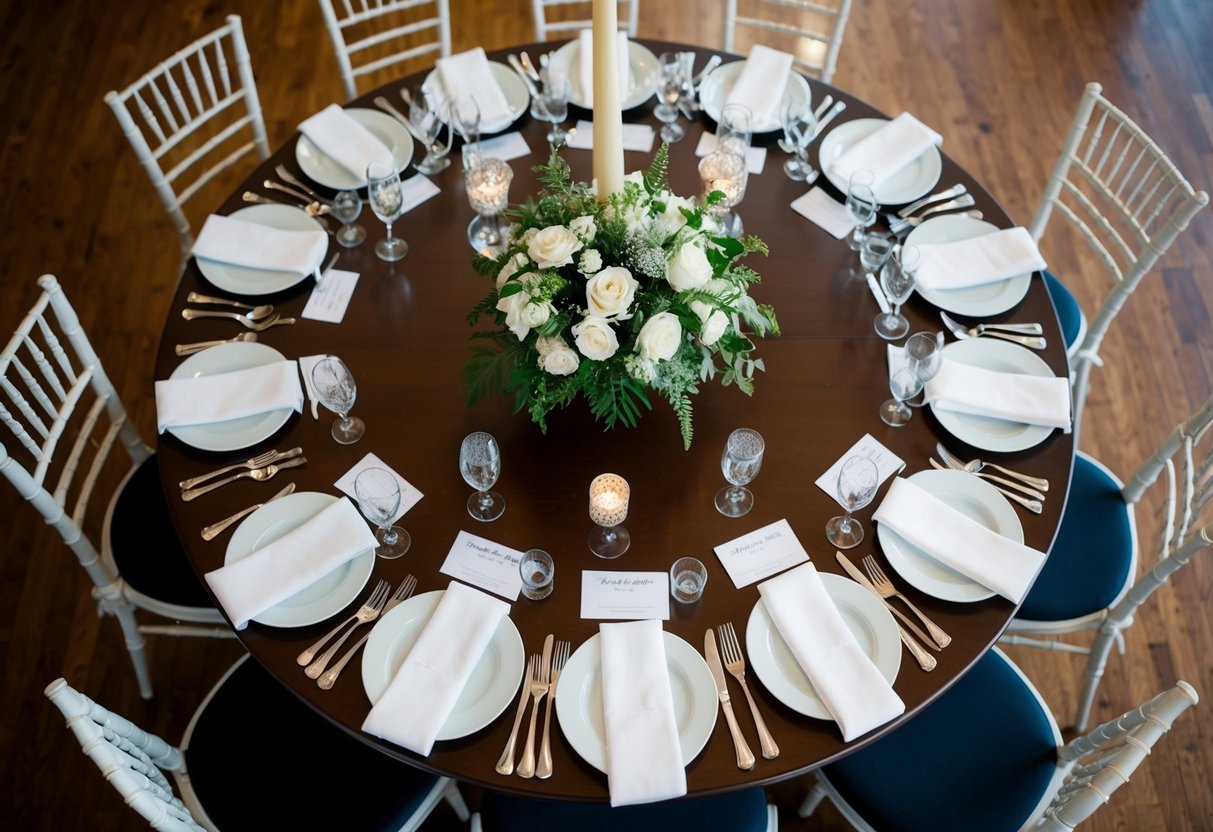
Understanding who your guests are can also help in choosing the perfect spot. For instance, families often prefer larger tables, while couples may enjoy a cozy corner. The right arrangements can enhance their dining experience and keep them coming back.
It’s also important to be mindful of things like quiet areas for those who seek peace and lively spots for those looking for a vibrant atmosphere. The goal is to make each guest feel valued right from the start.
Understanding Seating Basics
Creating a welcoming atmosphere starts with effective seating. By understanding how to create a seating chart, decode different seating arrangements, and follow etiquette for seat assignments, you can ensure every guest feels comfortable and included.
Creating a Seating Chart
To create a seating chart, begin by assessing your venue’s space. Measure the area to know how many tables and chairs fit comfortably. Consider the size of your guest list and the types of seating arrangements needed.
Types of seating to think about:
- Round tables for group conversations
- Long tables for a more communal feel
- Assigned seats to avoid confusion
Once you have an idea of your layout, draft a seating plan. Be strategic about placing guests based on relationships and comfort levels. This detail can help avoid awkward situations and make your event enjoyable.
Decoding Seating Arrangements
Different events require different seating arrangements. Understanding these can help create the right vibe. For a formal event, assigned seats work well to maintain order. For more casual gatherings, let guests choose where to sit.
Common arrangements include:
- Traditional: Guests sit in assigned seats, often based on importance.
- Mixed seating: Combining couples and singles can enhance social interactions.
- Flexible layout: Allows guests to mingle freely; perfect for informal gatherings.
Recognizing guests’ needs, like seating children close to parents or accommodating elderly relatives, shows consideration and enhances their experience.
Etiquette for Seat Assignments
Seating chart etiquette is essential to consider when planning. It helps manage social dynamics, ensuring that all guests feel respected. Generally, it is good to place important guests nearer to the host.
Remember to keep:
- Comfort: Avoid cramming guests into tight spaces.
- Differences: Consider personalities; mix lively guests with quieter ones.
- Accessibility: Ensure elderly or disabled guests have easy access to their seats.
Following these guidelines will help you design a thoughtful seating plan that makes your event memorable for all attendees.
Special Considerations for Guests
When planning seating, it’s important to think about the needs of all your guests. Special attention is needed for elderly guests, managing divorced parents, and accommodating singles and children. Each group has unique requirements that can help ensure everyone feels comfortable and included.
Accommodating Elderly Guests
Elderly guests may have mobility challenges or health concerns. It’s best to seat them closer to the event’s main activities, like dining or entertainment. Consider using the following guidelines:
- Accessibility: Ensure they have easy access to their seats without needing to navigate through crowds.
- Comfort: Choose chairs that provide good back support and consider soft cushions.
- Table Height: Opt for tables that are the right height for easy dining and conversation.
Pay attention to their needs to help them enjoy the event without stress.
Managing Divorced Parents
Seating divorced parents can be tricky. You want to avoid any awkwardness while keeping everyone comfortable. Here’s how to handle it:
- Separate Tables: If they cannot sit together, consider placing them at different tables but within sight.
- Companion Guests: Seat them with friends or family members who can help create a comfortable atmosphere.
- Neutral Topics: Encourage conversation about neutral topics to minimize any tension and maintain a friendly tone.
Your goal is to create an inviting setting for all parents involved.
Planning for Singles and Children
Creating spaces for singles and children can make everyone feel included. Here are some suggestions:
- Singles Table: Consider having a designated singles table. This allows them to mingle and connect with others in a similar situation.
- Kids’ Table: For younger guests, set up a kids’ table with fun activities or games. This keeps them entertained and allows adults to enjoy adult conversation.
- Supervision: If possible, arrange for a responsible adult to supervise the children’s table to ensure they’re safe and engaged.
By thoughtful seating arrangements, you cater to the needs of all your guests, making the event more enjoyable for everyone.
Orchestrating the Wedding Reception
Planning the seating for your wedding reception is crucial for a smooth experience. You want to create a welcoming atmosphere that encourages conversation and enjoyment among your guests.
The Head and Family Tables
The head table is typically for you and your partner, but it’s important to choose who joins you. Consider including your wedding party and parents. This table should be centrally located to highlight your special moment.
For the family table, seat close relatives together. This not only helps them feel included but also makes it easier for them to connect and catch up. Think about any potential family dynamics when placing guests. A friendly atmosphere will encourage mingling and create lasting memories.
Integrating the Sweetheart Table
The sweetheart table is a cozy space just for you and your partner. Position it close to the dance floor or food stations to keep the energy high. This arrangement allows for easy interaction with guests while still enjoying some intimate moments together.
You can add some decorations to this table to make it stand out. Think floral arrangements or personalized elements that reflect your style. Make it unique to you both, offering a beautiful backdrop for pictures and making it a focal point during the reception.
Coordinating Tables and Mingling Space
When setting up tables for your guests, consider the flow of the space. Ensure there’s enough room for guests to move around comfortably. This will encourage mingling, which makes for a lively reception.
Mix up your seating arrangements to facilitate conversation. Place people with shared interests together but also include some new faces. Each table should comfortably seat eight to ten guests, with enough space for dining, chatting, and celebrating.
Avoid placing tables too close together to allow for easy movement. This creates a welcoming environment, leading to a joyful celebration for everyone involved.
Final Touches and Coordination
As you prepare for the big day, paying attention to the final touches and coordination of seating is essential. This ensures your guests feel welcome and comfortable. Carefully planning how guests will find their places and organizing the space can make a big difference.
Incorporating Escort and Place Cards
Using escort cards and place cards helps guide your guests to their seats. Escort cards list guests’ names and corresponding table numbers, which simplifies the seating process. You can display them on a beautiful table at the entrance for a stylish touch.
Place cards, on the other hand, are placed directly at each seat to indicate where guests should sit. This prevents confusion during dinner service, especially at a buffet.
When designing your cards, choose colors and styles that match your wedding theme. Doing so adds elegance and makes it easy for your guests to find their spots. Consider using a wedding planner to ensure everything runs smoothly and your guest count is accurately reflected.
Finalizing the Floor Plan
A well-thought-out floor plan is vital for a successful seating arrangement. Start by considering your guest count and the layout of your venue. Make sure there’s enough space between tables for guests to move comfortably.
When you determine table numbers, group guests by their relationships, such as families or friends. This encourages interaction and makes everyone feel more at ease, especially if they’re meeting new people.
You may also want to factor in specific needs, like accessibility for elderly guests. Ultimately, being thoughtful about your seating will create a more inviting atmosphere for everyone.