
What Should You Have Done 10 Months Before Wedding? Essential Planning Tips for a Smooth Big Day
As you approach planning your wedding, there are several key tasks to tackle about ten months before your big day. At this point in your wedding planning timeline, you should focus on selecting your venue and booking your wedding vendors. These decisions lay the foundation for your special day. Having a clear plan will help you stay organized and reduce stress as your wedding date gets closer.
In addition to securing your location, this is the perfect time to start shopping for your wedding attire. Engaging with your bridal party to decide on their outfits can also enhance the excitement of your engagement period. Creating a solid wedding checklist will ensure you cover all necessary details, making everything feel more manageable.
Ten months out might seem early, but it’s vital to establish a strong foundation for your wedding plans. By laying out these essential tasks, you set yourself up for a smoother planning experience, allowing for more time to enjoy this special moment in your life.
Setting the Foundation
At this stage, you will focus on three critical components that shape your wedding’s success. These include choosing your dream venue, crafting a guest list, and establishing your budget. Each of these steps sets the groundwork for the exciting journey ahead.
Choosing Your Dream Venue
Selecting the right venue is essential for your wedding. Start by thinking about the style and theme you want. Do you prefer a traditional setting, a modern space, or perhaps a destination wedding?
Research different wedding venues in your desired area. Make a list of places that catch your eye. Consider the reception venue as well, as it may need to accommodate your guests comfortably.
Don’t forget to tour potential venues. Take notes on what you like and dislike. Ask about included services, such as catering, parking, and décor options. Make sure the venue can accommodate your wedding date and desired guest count.
Crafting Your Guest List
Creating your guest list can be both exciting and challenging. Start by listing everyone you want to invite. This will help you gauge how many people you’ll need to accommodate at your venue.
Consider the size of your venue when finalizing your guest list. You want to ensure that everyone fits comfortably, so consult your venue’s capacity limits.
Be mindful of your relationships and family dynamics. It’s okay to limit your list to close friends and family, depending on your budget.
Aim for a balance between intimate and inviting. Remember, sending out too many invitations may stretch your budget and space.
Establishing the Budget
Determining your wedding budget early is key to a smooth planning process. Begin by discussing how much you and your partner can contribute. Make sure to include any family contributions too.
Create a breakdown of costs that includes your venue, catering, attire, flowers, and entertainment.
Prioritize the areas that matter most to you. This will help you stay focused and avoid overspending. Use a simple budget calculator or a spreadsheet to keep track of expenses.
Also, keep some funds aside for unexpected costs. Weddings often come with surprises, so having a cushion can save you stress later on.
Vendors and Details
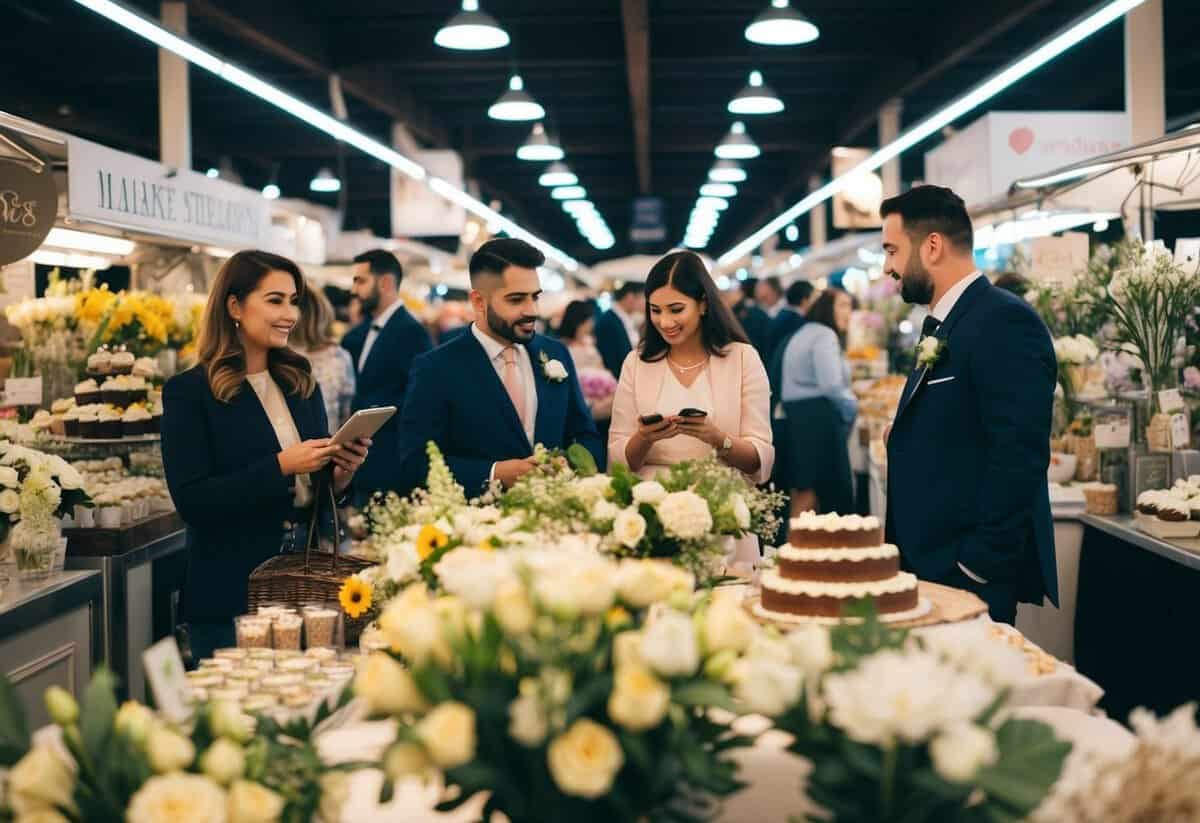
As you get closer to your wedding day, focusing on securing your key vendors and planning the details is essential. This will ensure that everything aligns with your vision and runs smoothly on your special day.
Hiring Key Wedding Vendors
Start by identifying your key wedding vendors, as they can book up quickly. Your first priorities should include a caterer, photographer, and videographer.
Consider what type of food you want to serve, whether it’s a sit-down dinner, buffet, or food stations. For photography, think about the style you prefer—candid, traditional, or artistic.
Next, research and reach out to potential florists and wedding planners. A florist can help you create a stunning floral design that complements your theme and color palette. If you choose to hire a wedding planner, they can assist with vendor recommendations and coordination.
Don’t forget to secure rentals for items like tables, chairs, and linens. This includes choosing your wedding cake and discussing design options. Remember to look into your wedding registry early so you can start adding items that will help set up your new home together.
Design and Aesthetic Planning
Your wedding design and aesthetic planning should reflect your personal style and preferences.
Begin by defining your wedding theme and color palette. This will guide your choices for everything from wedding attire to stationery.
When selecting your wedding outfits, keep your theme in mind. Consider the styles you and your bridal party will wear, like bridesmaid dresses and your own wedding gown. Research fabrics and colors that match your aesthetic.
It’s also important to think about wedding stationery. Invitations should align with your theme and set the tone for your wedding. Don’t forget to consider details like signage and place cards for the reception. Coordination in all these aspects ensures a cohesive look and feel throughout your wedding day.
Logistics and Legalities

When planning your wedding, it’s crucial to pay attention to logistics and legal matters. These aspects ensure that you and your guests experience a smooth celebration while fulfilling all necessary requirements.
Sorting Out Accommodations
Start by determining your guest count. This number helps you figure out how many hotel rooms you need.
Many venues offer hotel room blocks, which can save your guests money. Contact hotels near your venue to arrange these blocks and negotiate rates.
Consider transportation for your guests too. If the venue is far or hard to reach, think about organizing shuttles or providing parking information. Make sure you communicate these details to your guests well in advance.
Finally, send out information about accommodations on your wedding website or through invitations. This way, everyone knows where to stay and how to get there.
Ensuring the Legalities
Obtaining a marriage license is essential and should be done ahead of time. Different places have different requirements, so check your local laws.
You might need to bring certain documents, such as identification or proof of residency. If you’re traveling for your wedding, you may need a passport. Make sure it’s up to date.
If your partner or guests are from another country, check if they need visas to attend.
Consider scheduling a time to finalize any paperwork or agreements with vendors. Keeping everything organized will help you avoid last-minute stress.
Finalizing the Pre-Wedding Events

Planning your pre-wedding events can be exciting but also requires attention to detail. These gatherings help celebrate your upcoming marriage and allow friends and family to come together. Let’s break down the key events you should finalize.
Engagement Party to Rehearsal Dinner
Start with your engagement party. You should typically host this soon after the proposal. Choose a date, venue, and decide if it will be a casual or formal gathering. Then, invite close family and friends to kick off the celebration.
Next, plan your bridal shower. Usually, friends or family organize this event a few months before the wedding. Create a guest list and work with the host on a theme that reflects your personality.
Then comes the bachelorette party and wedding shower. Coordinate with your bridesmaids for the bachelorette party plans. Make sure everyone knows the itinerary to ensure a fun time. Lastly, don’t forget about the rehearsal dinner. The wedding party needs this to rehearse and bond. So, book the venue early and confirm the guest list for a smooth transition to the big day.