
What Size Am I in Bridal Gowns? A Guide to Finding Your Perfect Fit
Finding the right size in bridal gowns can feel like a daunting task. Bridal dress sizes often differ from regular clothing sizes, so it’s essential to know your measurements before shopping.
Many bridal salons will take your measurements to determine what size you need, making the process easier and more accurate.
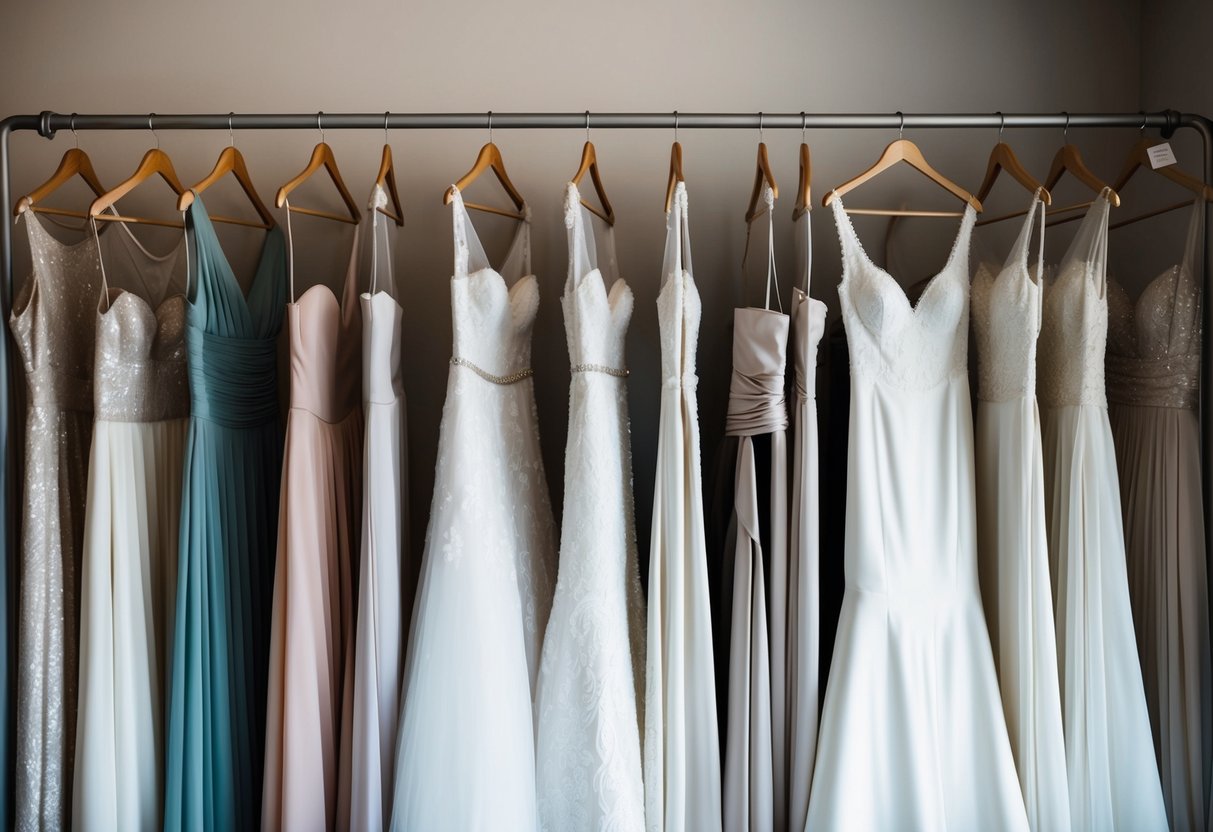
Remember, each designer has their own sizing chart, which can vary significantly. This means that what fits you in one brand might not fit the same way in another.
It’s important to be flexible and open-minded about sizing as you explore different styles and designers.
By understanding how bridal sizes work and what to expect, you can avoid frustration and find the perfect gown for your big day. Whether you’re trying dresses online or visiting a local boutique, knowing your size and measurements will help you feel more confident in your choices.
Understanding Bridal Gown Sizes
Bridal gown sizes can be confusing because they are different from regular clothing sizes. It’s important to know how bridal sizes work and how they compare to ready-to-wear sizes. You might also encounter variations in European sizing, which can add to the confusion.
Bridal Sizing Versus Ready-to-Wear Sizes
Bridal sizes usually run smaller than ready-to-wear sizes. For instance, a bridal size 10 typically fits like a street size 6. This is because bridal gowns are designed for a more fitted look.
Many designers create their own sizing charts, making it essential to check each brand’s specific chart before making a purchase.
When you shop, remember:
- Bridal sample sizes range from 6 to 10.
- Bridal sizes often translate to 2 to 6 in street sizes.
By knowing these differences, you can find a better fit for your wedding dress.
European Sizing and International Variations
European sizes can also add complexity to bridal gown shopping. For example, a European size 36 may correspond to a U.S. size 6.
Bridal shops may use various size charts, so it’s wise to familiarize yourself with these differences. Here’s a quick reference:
- European size 34 = U.S. size 4
- European size 38 = U.S. size 8
When trying on gowns, always ask the boutique about their specific sizing chart. This can help you make more informed decisions and ensure a perfect fit for your special day.
Measuring for the Perfect Wedding Dress Fit
Getting the right fit for your wedding dress is essential to ensure you look and feel your best on your special day. Knowing how to measure yourself accurately and which measurements to take will help you choose the perfect gown.
Essential Measurements for Bridal Gowns
To find your ideal wedding dress size, focus on several key measurements:
- Bust: Measure around the fullest part of your bust while wearing a well-fitting bra.
- Waist: Find the narrowest part of your waist, typically just above your belly button.
- Hips: Measure around the widest part of your hips to ensure a comfortable fit.
It’s crucial to compare your measurements with the wedding dress size chart of the designer you’re considering. Bridal sizes often differ from your street size, so pay close attention to how each brand sizes their gowns.
How to Measure Yourself Accurately
To get the most accurate measurements, use a flexible measuring tape. Here’s how:
- Get Help: Ask a friend to assist you for the best results.
- Wear Fitting Clothing: Light, fitted clothing or just a bra and panties will give you the best readings.
- Stand Straight: Keep your posture natural and relaxed.
While measuring, make sure the tape is snug but not too tight. Record each measurement to refer back to when you consult sizing charts. This will help you find the right fit for your unique shape, ensuring a comfortable and stylish look for your wedding day.
Navigating Size Charts and Finding Your Size
When shopping for a bridal gown, understanding size charts is key. Wedding dress sizes often differ from everyday clothing sizes, so being prepared can help you find the perfect fit.
Interpreting Wedding Dress Size Charts
Most bridal designers provide a bridal size chart to help you find your size. These charts typically include measurements for your bust, waist, and hips.
To get accurate measurements, use a soft measuring tape. Measure around the fullest part of your bust, the smallest part of your waist, and the widest part of your hips.
Once you have your measurements, compare them to the size chart. Remember, wedding dress sizes can run smaller than street sizes. For example, a street size 6 may correspond to a bridal size 10.
It’s also good to note the design can affect the fit. A-line or fitted gowns may need more or less room at certain points.
When You’re In-Between Sizes
If your measurements fall between two sizes on the bridal size chart, you’re not alone. Many brides find themselves in this situation.
First, consider the style of the dress. If you prefer a fitted style, it may be best to choose the larger size. This allows for tailoring later. If you’re looking at a looser design, the smaller size might work.
Tailoring is common for bridal gowns. It’s usually easier to take a dress in than to let it out.
Try on different styles to see how they fit. This will give you a better idea of what size feels most comfortable. Plus, don’t hesitate to ask for advice from the bridal shop staff. They have experience helping brides find the right fit!
Tailoring Your Dress for the Ideal Look and Fit
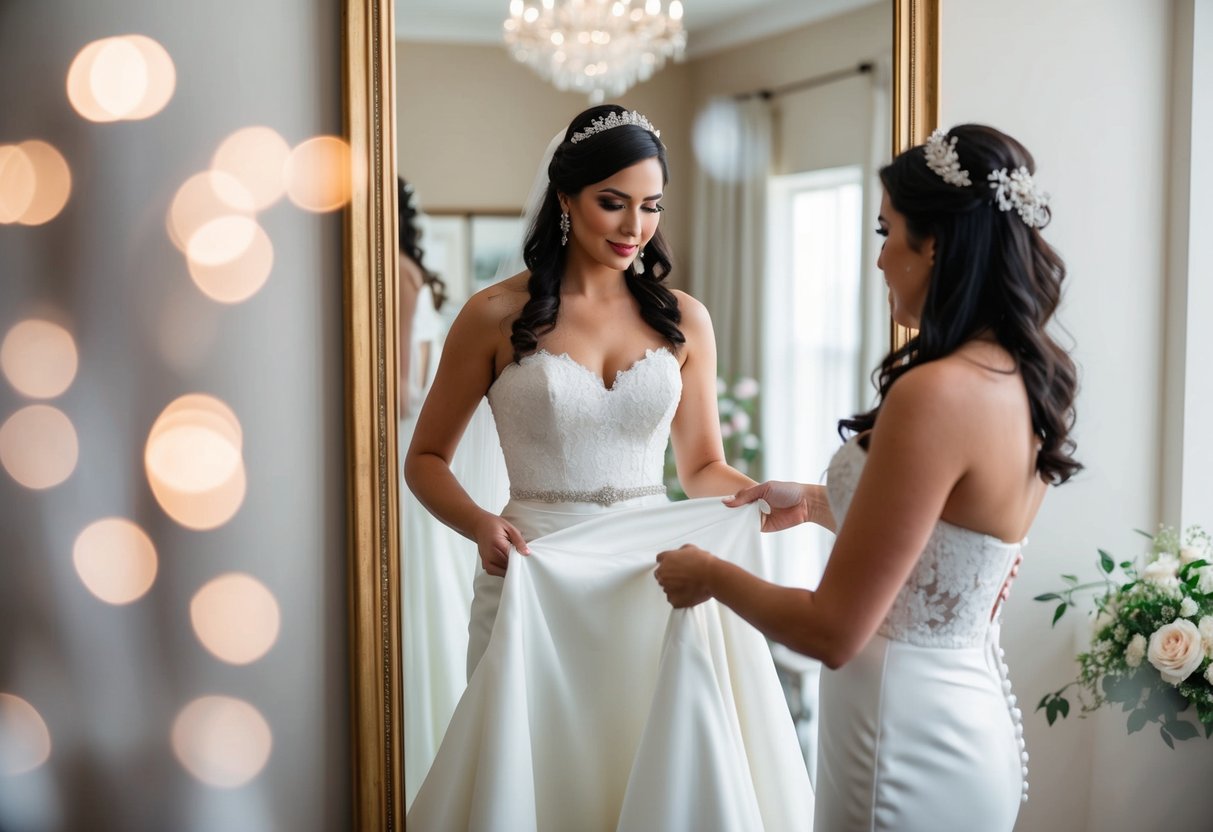
Getting the perfect fit for your wedding dress is essential. Tailoring can transform a gown into something that feels custom-made for you. Whether it’s simple alterations or customizations, working with the right professionals will help achieve your desired look.
The Importance of Alterations
Most wedding gowns need some form of alterations. This can range from taking in the sides to adjusting the length. For a ball gown or fit and flare style, these adjustments can make a significant difference in how the dress flows and fits your body.
Expect to schedule a first fitting a few months before your wedding. This gives your seamstress time to make the necessary changes. Remember, alterations can cost between $500 to $1,000, depending on the complexity. So budgeting for this is key.
Working with a Bridal Stylist or Seamstress
Finding a good bridal stylist or seamstress is crucial. Look for someone experienced in wedding dress alterations. They should understand how to work with different fabrics and styles.
When you meet, bring any accessories you plan to wear. This helps them visualize the complete look. Listen to their suggestions about what alterations might enhance your dress further. Building a good relationship with them allows for open communication about your needs.
Dress Customizations and Design Details
Customizations can add a personal touch to your dress. You can decide if you want to change the neckline, add sleeves, or incorporate a unique design element. Simple changes can significantly impact the whole look.
Discuss these ideas with your seamstress. They can guide you on what’s possible and recommend design details that suit your body shape. Ultimately, the goal is to feel confident and beautiful on your special day, so don’t hesitate to express your vision.