
What Stops People from Dancing? Exploring Common Barriers to Enjoying Dance
Many people enjoy dancing but often find themselves hesitant to join in. You might wonder what stops you or others from hitting the dance floor. Common reasons include feeling self-conscious, a lack of confidence in your dancing skills, and the pressure of being judged by others.
It’s easy to feel like everyone is watching, which can bring on anxiety and hesitation. With so many influences urging us to just sit back and watch, it can be tough to remember the joy of dancing freely.
Understanding these barriers can help you work through them, opening the door to enjoy dancing without fear.
Let’s explore what really holds people back and how to overcome those obstacles to enjoy the rhythm of the moment.
Psychological Barriers
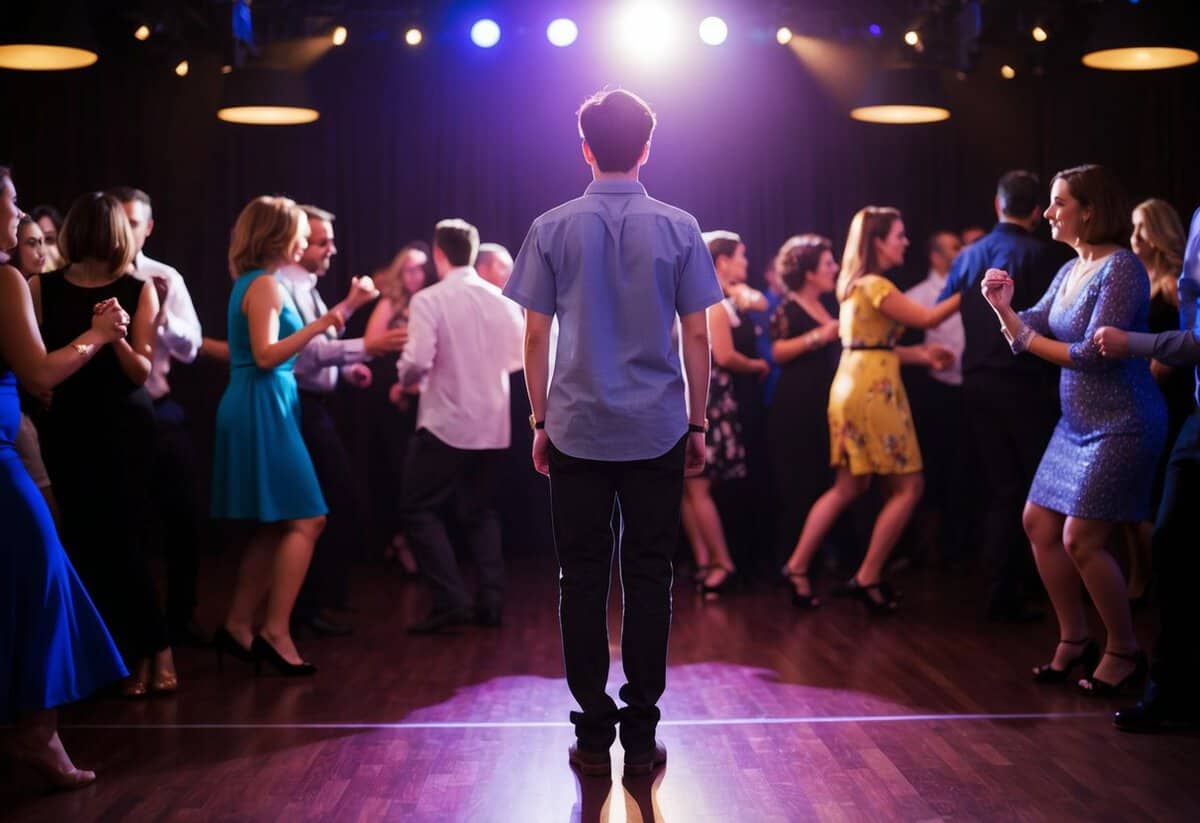
Many people hesitate to dance due to psychological barriers. These can include feelings of self-consciousness and a lack of confidence. Addressing these issues is essential for enjoying dancing and feeling comfortable on the dance floor.
Overcoming Self-Consciousness
Self-consciousness often prevents you from expressing yourself through dance. You might worry about how you look or fear judgment from others.
Start by reminding yourself that everyone has their own style and struggles.
A great way to overcome these feelings is to practice in private. Dance in front of a mirror or record yourself to see your progress.
Surrounding yourself with supportive friends can also help. They can encourage you and make the atmosphere more comfortable.
Building Confidence for the Dance Floor
Lack of confidence can be a significant mental block when trying to dance. Start by setting small, achievable goals. For example, you might master a simple dance move before trying more complex routines.
Taking classes can also boost your skills and confidence. Learning with others allows you to share experiences, reducing feelings of isolation.
Remember, practice makes perfect. Regularly dancing, even informally, can improve your comfort level on the dance floor.
When you focus on enjoyment rather than performance, you’ll naturally become more confident. Allow yourself to feel the music and let go of any negative thoughts.
Physical Challenges
Dancing requires a connection between your body and the music. Physical challenges like coordination and rhythm can make it harder for some people to join in. Let’s look closer at how you can improve these skills.
Improving Coordination and Rhythm
Dancing involves moving your body in sync with music. If you struggle with this, it’s not unusual. Many people experience difficulties due to a lack of practice.
To enhance coordination, try simple exercises. For example:
- Practice basic dance moves: Start with simple steps and gradually move to more complex routines.
- Use a metronome: It helps you keep a steady beat while practicing.
- Dance with a partner or group: This can provide feedback and encouragement.
For rhythm, listen to different music genres regularly. Tap your foot or clap along as you listen.
With time and practice, you’ll notice improvements in both your coordination and rhythm skills. Don’t be afraid to take it slow and enjoy the learning journey!
Educational Aspects
Finding the right type of dance lessons can make a big difference in your experience. Whether you prefer private lessons or group classes, knowing your options helps you learn effectively and enjoyably.
Finding the Right Dance Lessons
Choosing the right dance lessons is essential for your growth as a dancer. First, think about what style of dance interests you the most. Different instructors may specialize in styles like ballet, hip-hop, or ballroom.
Research local studios to find classes that fit your needs. Read reviews or ask for recommendations to ensure you’re learning from a qualified dance instructor.
Take note of class sizes. Smaller classes allow for more personalized attention. You’ll benefit more from lessons tailored to your skill level. Also, consider the schedule that works best for you to maintain consistent practice.
Value of Private Lessons Versus Group Classes
Both private lessons and group classes have their benefits.
Private lessons offer a customized experience tailored to your pace and goals. You get more one-on-one attention, which can help you improve quickly. It’s also a great option if you need to focus on specific techniques.
On the other hand, group classes provide a fun environment to learn with others. You can practice social skills and meet fellow dance enthusiasts. They often foster a sense of community that can motivate you.
Consider your learning style and budget when deciding. Group classes tend to be more affordable, while private lessons can be pricier but more impactful for personalized learning.
Social Dynamics
Social dynamics play a big role in how you experience dancing with others. These interactions can influence your confidence and enjoyment on the dance floor. Understanding these elements can help you feel more at ease when dancing socially.
Navigating Social Dance Situations
When you step onto the dance floor, feeling comfortable is important. Many people worry about how others perceive their dancing skills. This feeling can hold you back, especially if you feel self-conscious about your movements.
Building relationships with fellow dancers can ease these worries. Start by smiling and greeting people. Engaging in small talk can help break the ice.
Remember, social dancing is about fun and connection, not perfection.
You can also look for opportunities to dance in less crowded spaces. This lets you focus on your rhythm without feeling overwhelmed. Observing experienced dancers can give you tips on navigating the dance floor, helping boost your confidence.
Enjoy every step and let the music guide you!