
What the Groom’s Family Pays For: A Guide to Wedding Expenses and Traditions
When planning a wedding, many couples wonder about the financial responsibilities involved. Traditionally, the groom’s family pays for several key expenses, including the floral arrangements for the wedding party, the marriage license, and transportation for the groom and his attendants. Understanding these financial roles can help you navigate wedding etiquette and ensure a smooth planning process.

In today’s world, wedding costs can be shared more flexibly between families. While the bride’s family may cover the majority of the expenses, the groom’s family is still expected to contribute in meaningful ways. By knowing what the groom’s family typically pays for, you can better communicate with your partner and their family about the budget and plans for your special day.
Whether you’re just starting to plan or are deep into the details, clarifying these financial responsibilities can reduce stress. It helps create an organized approach and keeps everyone on the same page.
Financial Responsibilities of the Groom’s Family
When planning a wedding, it’s important to understand what the groom’s family typically covers. These responsibilities can include the rehearsal dinner, attire, and some essential fees.
Rehearsal Dinner
The rehearsal dinner is often hosted by the groom’s family. This event takes place the night before the wedding, bringing together close friends and family. It’s a chance for everyone to relax before the big day.
Typically, the groom’s family will handle the food, venue, and any drinks. The budget can vary greatly, depending on the size of the gathering and the venue chosen.
Costs might include:
- Catering services
- Rentals for tables and chairs
- Venue fees
You should discuss the budget early, so everyone is on the same page, making planning smoother and avoiding surprises.
Wedding Attire and Accessories
When it comes to wedding attire, the groom’s family generally helps pay for the groom’s outfit. This can include the suit, tie, shoes, and any accessories.
The groom may also need to cover the cost of his wedding band. It’s wise to shop for options that fit your budget but still look great on your special day.
Remember, if you have groomsmen, your family might help with their attire, too. Many couples choose matching suits or accessories for their groomsmen. Discuss this with your family to see what they can contribute.
Marriage License and Officiant Fee
The marriage license and officiant fee are essential components of the wedding. The groom’s family traditionally covers these costs.
The marriage license is necessary for your marriage to be legal. Prices for licenses vary by location.
Additionally, hiring a wedding officiant incurs a fee. This can range widely based on their experience and how far they need to travel.
Budgeting for these costs is important. You want to ensure you allocate enough funds for the license and the officiant. Discuss this with family so everyone is in agreement on who will handle these expenses.
Pre-Wedding Events
Your role in pre-wedding events is essential as you help set the tone for the celebration. The groom’s family often takes part in these gatherings, showing support and excitement for the couple. Here are two key events where the groom’s family usually contributes.
Engagement Party
The engagement party is a special event that marks the couple’s promise to marry. Typically, the groom’s family plays a vital role by hosting this gathering. It’s a chance for family and friends to come together to celebrate the couple.
Your responsibilities might include planning the venue, sending out invitations, and even managing the catering. If you choose to include an engagement ring presentation, it adds a lovely touch. Gifts are often not expected, but helping with some light refreshments can be a kind gesture.
Bridal Shower Contribution
While the bridal shower is mainly hosted by the bride’s family or friends, the groom’s family can still play a part. You can assist by contributing to the planning or even co-hosting the event with the bride’s family.
Consider helping to pay for decorations or food. It’s also a thoughtful gesture to provide gifts for the bridesmaids. These gifts, often called groomsmen gifts, acknowledge their support and participation in the wedding.
Your involvement shows unity between both families and helps create a memorable experience leading up to the big day.
The Big Day
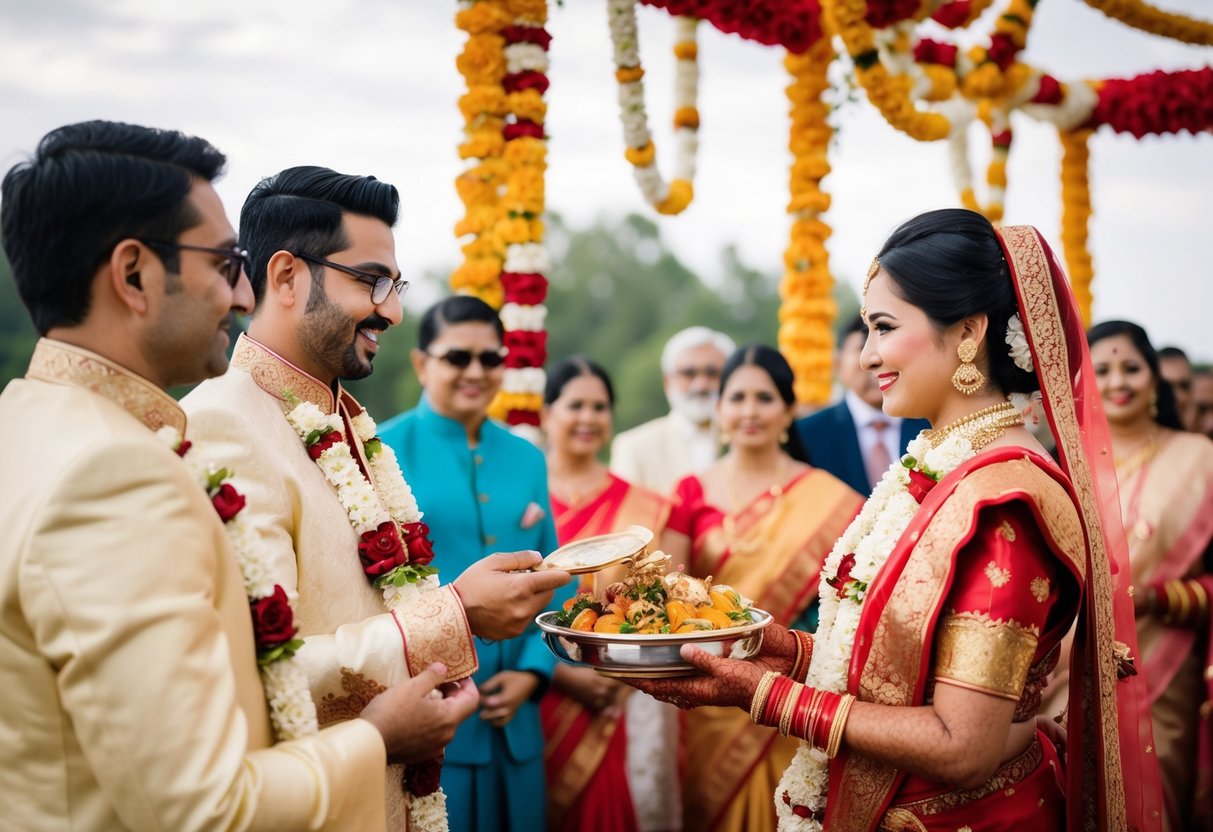
On the big day, the groom’s family plays an important role in various expenses. You’ll find that their contributions can significantly enhance the experience for everyone involved, especially in transportation, photography, and the reception.
Transportation and Accommodation
The groom’s family often handles transportation logistics for the wedding party. This could include arranging vehicles for the groom, groomsmen, and other key family members. It’s common for the family to provide wedding day transportation services that ensure everyone arrives on time and in style.
In addition, they may pay for accommodations for out-of-town guests. This can be a generous way to show appreciation for those traveling to celebrate the union. Covering hotel costs or organizing group rates can make the trip more enjoyable and stress-free for your loved ones.
Photography and Videography
Professional photography and videography are essential for capturing the magic of your wedding day. The groom’s family might contribute to these costs, ensuring that moments are preserved for a lifetime.
You’ll want a skilled wedding photographer to document all the special moments, from the ceremony to the reception.
By investing in a talented videographer, you create a beautiful moving record of your day. These memories will be cherished by you and your family for years to come. Look for packages that align with your vision, as these services can vary greatly in price.
Reception Contributions
The reception is where the celebrations really come to life. Typically, the groom’s family covers part of the reception expenses, including food and drink. This can include everything from the wedding cake to reception alcohol, helping create a festive atmosphere.
They may also pay for personal flowers and other decorations that enhance the venue. For example, they might cover centerpieces or bouquets. Every little detail adds to the overall experience. Helping in this way shows their support and love for you both on this joyous occasion.