
What Time Do Most Weddings Start? A Guide to Planning Your Perfect Day
Choosing the right start time for your wedding can set the tone for your big day. Most weddings typically start in the afternoon between 2 p.m. and 5 p.m. or in the evening from 5 p.m. to 7 p.m. This timing can make a significant difference in how comfortable your guests feel and how smoothly the day unfolds.
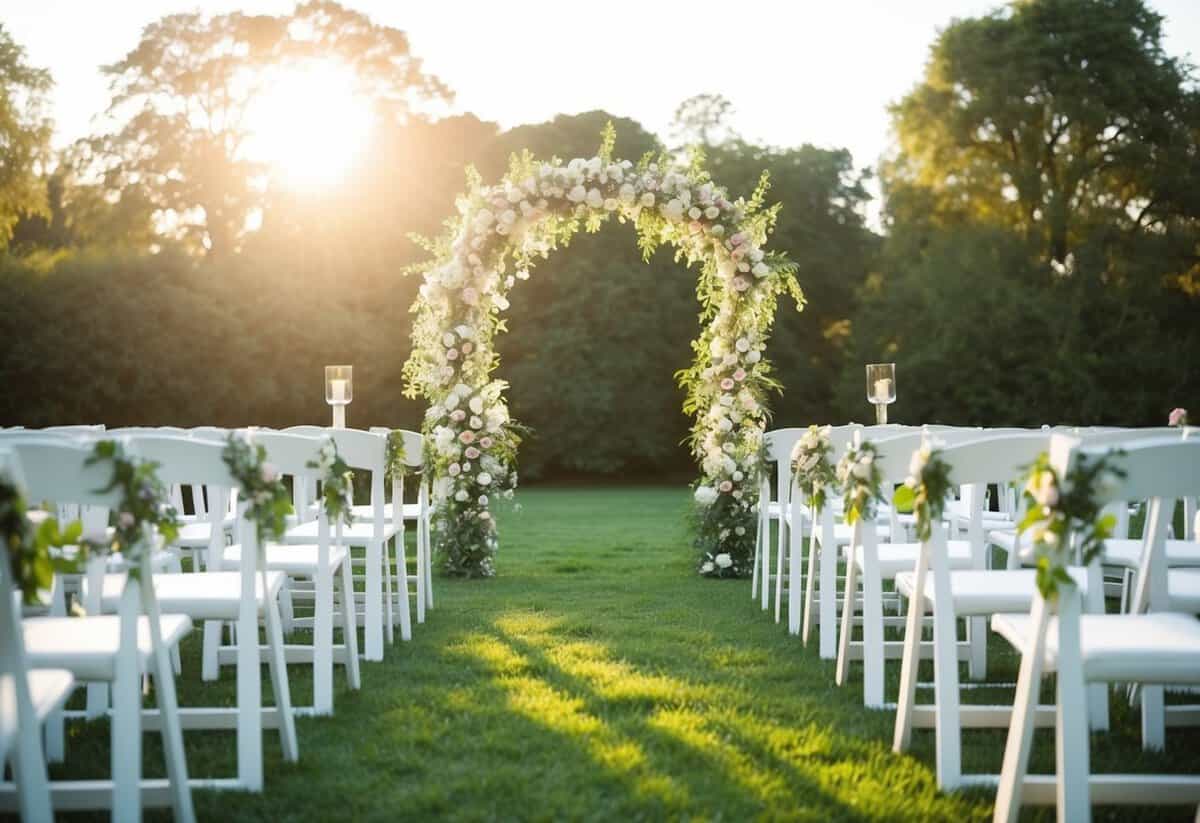
When planning your wedding, think about your guests’ comfort and your personal preferences. An afternoon ceremony allows for beautiful sunlight, while an evening wedding can create a romantic atmosphere.
Whatever you decide, ensuring that the timing works for you and your loved ones is key to a memorable celebration.
Determining Your Wedding Start Time
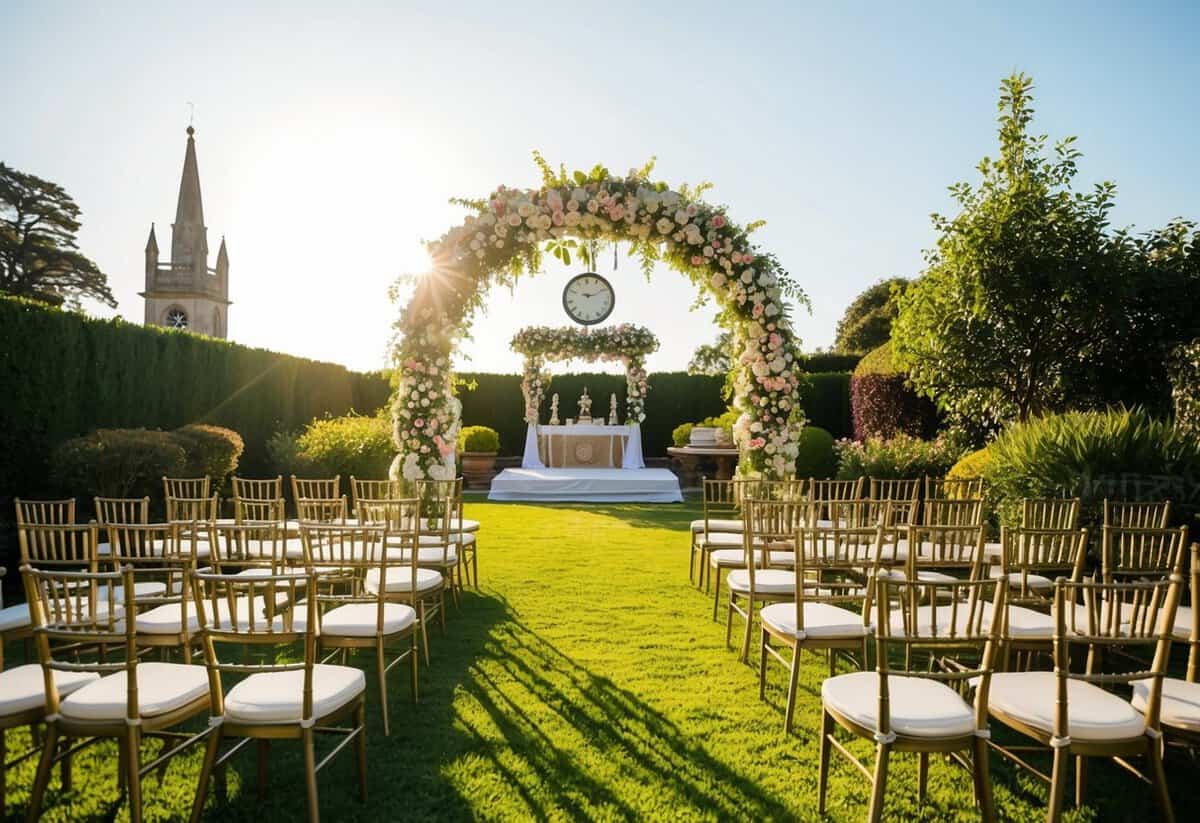
Choosing the right start time for your wedding is essential. It can affect everything from your guests’ experience to the overall atmosphere. Here are some important factors to consider.
The Role of Wedding Planners
A wedding planner can be an incredible resource in setting your ceremony start time. They have experience coordinating events and can recommend times that work best.
Planners often suggest starting the ceremony around 5:30 p.m. This helps avoid overlaps in vendor schedules and allows more time for hair and makeup.
By consulting with a planner, you can also align the timing with your venue’s availability and logistics. They can help ensure everything runs smoothly, which includes the timeline for your ceremony and reception.
Considerations for Ceremony and Reception Timing
When determining your wedding start time, consider both the ceremony and reception. Most weddings traditionally begin between 2 p.m. and 6 p.m., depending on the type of event.
A late afternoon ceremony allows for a seamless transition to the reception. For example, if your ceremony starts at 4 p.m., your reception can begin around 5:30 p.m. This timing gives you and your guests a chance to mingle during cocktail hour while the venue shifts into full reception mode.
Don’t forget about the flow of the day. Ensuring enough time between the ceremony and reception is essential for photos and to keep everyone relaxed.
Impact of Season and Natural Lighting
The season plays a big role in your wedding start time. For summer weddings, you may want to start later in the afternoon to avoid the heat. In contrast, winter weddings may require an earlier start due to shorter days.
Natural lighting, particularly during the golden hour, can greatly enhance your ceremony and photos. The golden hour typically occurs about an hour before sunset.
If you plan your ceremony around sunset time, you can create beautiful, soft lighting for your vows and photos.
Consider checking local sunset times for your wedding date and adjust your start time accordingly. This can give your special day a magical touch.
Structuring the Wedding Day
Planning a wedding day timeline is essential for a smooth and enjoyable experience. You need to allocate time for various events, photographs, and any significant cultural or religious elements that are part of your ceremony.
Mapping the Day’s Events
Start by creating a clear timeline for your wedding day. Begin with when you and your wedding party will start getting ready.
It usually helps to allow at least two to three hours for hair and makeup.
Next, consider the ceremony start time. Many couples opt for a late afternoon start, around 4 to 6 p.m., allowing guests time to arrive without feeling rushed.
Incorporate key moments like the first look, family photos, and the ceremony itself.
Make a list of all the events you want captured on camera. Share this timeline with your vendors and family members to keep everyone informed.
Allocating Time for Photographs
Photographs are a lovely way to capture memories from your special day. Make sure to include time for different types of photos in your schedule.
Plan for a first look session if you choose one. This can take about 30 minutes and gives you a moment to connect before the ceremony.
Next, allocate time for family photos immediately after the ceremony. You may want to set aside 30 to 45 minutes for this, as it can take a bit longer than expected.
Don’t forget to set aside time for wedding photos of just the two of you.
Couples typically take about an hour for this at a scenic location. Make sure to discuss your preferences with your photographer ahead of time.
Integrating Cultural or Religious Elements
If your wedding includes cultural or religious ceremonies, consider how this impacts your timeline. Communicate with your officiant to determine the duration of these elements.
You may want to include rituals such as lighting a unity candle or readings from religious texts. These elements can add meaning and depth to your ceremony, so ensure they are included in your scheduling.
Plan ahead to avoid feeling rushed, and inform guests of any special traditions they should be aware of. This helps everyone feel involved and respects your cultural or religious practices.
Reception and Celebration
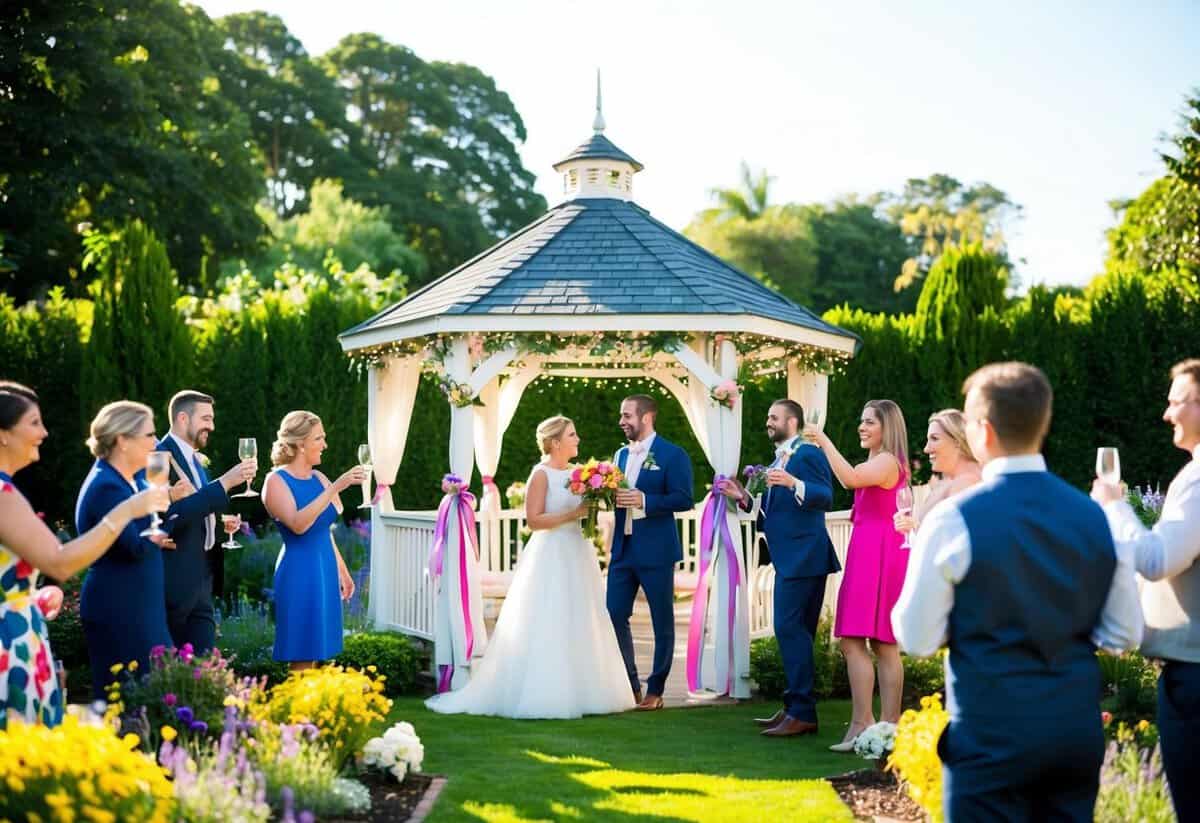
Your wedding reception is a time to celebrate with family and friends. Planning the schedule well can ensure everyone has a great experience.
Planning a Seamless Reception Schedule
Start by deciding on the length of your reception. Most wedding receptions last between 4-6 hours. This timeframe allows enough time for guests to enjoy food, drinks, and dancing.
A common reception schedule may look like this:
- Grand Entrance: 10-15 minutes to introduce the wedding party.
- Dinner Service: Typically lasts about 1.5-2 hours.
- Toasts and Speeches: Allocate around 30 minutes for heartfelt words.
- First Dance: Plan for about 5 minutes for the couple’s special moment.
By organizing these time slots, you keep things moving smoothly while also allowing guests to enjoy themselves.
Incorporating Key Moments and Traditions
Make your reception memorable by including special moments and traditions. The first dance is a highlight, so choose a song that means a lot to both of you.
Consider other important events like cake cutting and parent dances. Each moment should be clearly marked on your schedule, enhancing guest participation and enjoyment.
Make sure to think about wedding etiquette too. Be mindful of timing, as long waits can lead to guest restlessness. Communicating with your vendors can help ensure that everything runs smoothly, keeping the focus on celebration and fun.