
What Time Is the First Dance at a Wedding? A Guide for Couples and Their Guests
As you plan your wedding day timeline, one important detail to consider is when to have your first dance. The ideal time for the first dance is usually between 6 PM and 8:30 PM, often following the dinner service. This special moment marks the transition from the formal aspects of the reception to a more relaxed celebration.
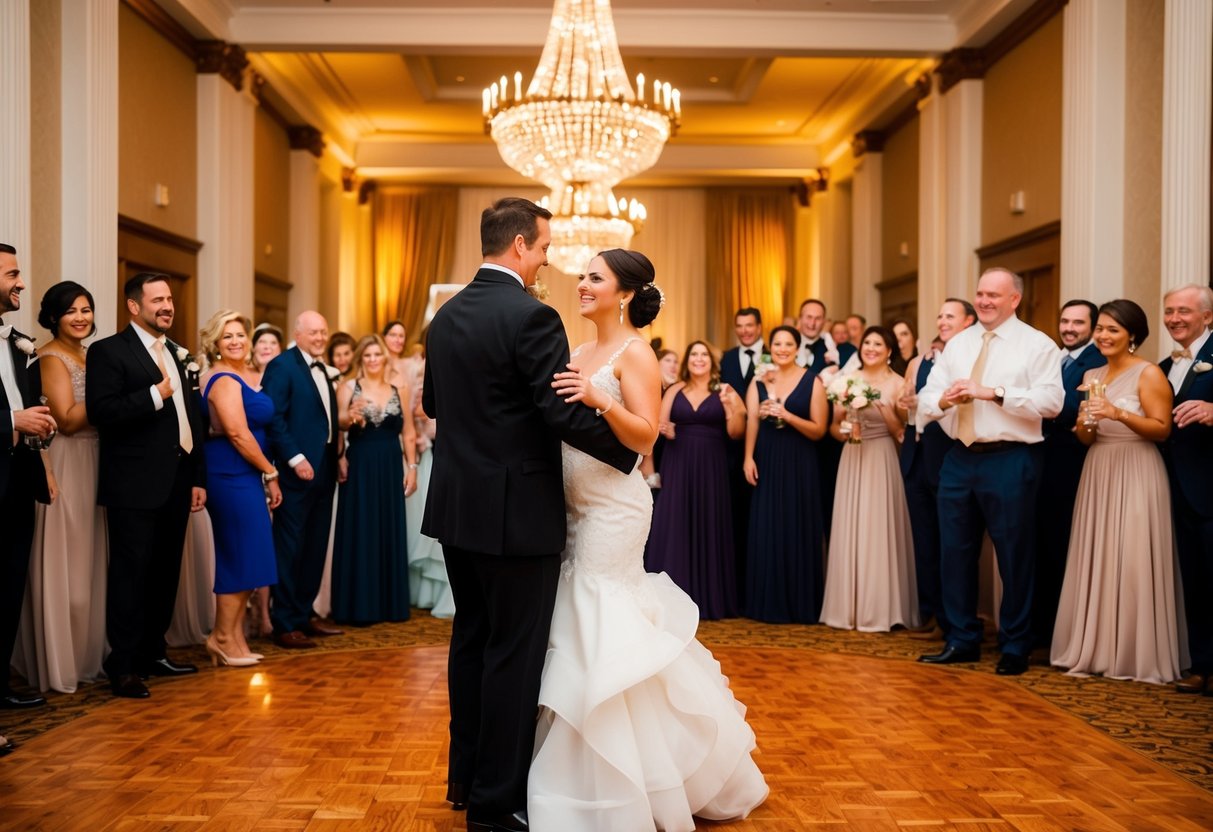
Timing your first dance can set the mood for the rest of the evening. It allows you to share a unique experience with your guests while opening up the dance floor for everyone to join in the fun.
As you think about your wedding planning, keep this key moment in mind to enhance the flow of your reception timeline.
Understanding Wedding Timelines
Planning your wedding timeline is key to a smooth event. Knowing what happens before and during the reception can help you stay organized and enjoy the day.
Pre-Reception Activities
Before the reception begins, there are several important activities to consider. Once the ceremony ends, you will usually have a cocktail hour.
This is a great time for guests to mingle and celebrate while the wedding party takes photos. During this hour, you can serve appetizers and drinks. It sets a joyful mood for the evening. Make sure your guests know where to go for the cocktail hour.
After the cocktail hour, the grand entrance takes place. You and your partner will make a memorable entrance, often with music or introductions. This moment helps kick off the excitement that leads into the reception.
Reception Sequence of Events
Once you enter the reception area, it’s time to follow the wedding reception timeline. The first dance typically occurs after the meal has finished. This is when you kick off the dancing portion of the evening.
Before the first dance, there may be toasts and speeches from family and friends. After these, you can easily transition into your first dance. This moment often changes the atmosphere from formal dining to a fun party vibe.
Other important events in the sequence include cake cutting and the bouquet toss. Each part of the timeline adds to the celebration and keeps everything flowing smoothly for you and your guests.
The First Dance Essentials
The first dance is a special moment at your wedding. It’s a chance to share a private experience with your partner while also engaging your guests. To make it memorable, consider the timing, the song choice, and the overall atmosphere.
Perfect Timing
Choosing when to have your first dance is important for setting the tone of the evening. Many couples prefer to dance right after dinner when everyone is relaxed and enjoying the moment. Some opt for a time right after their grand entrance, creating a natural transition to the celebration.
Aim to have your first dance between 6 PM and 8:30 PM. This timing allows for a good energy level in the room. Your guests will be excited and more engaged, making it a perfect time to showcase your love on the dance floor.
Choosing the Right Song
Selecting the right song for your first dance can enhance its emotional impact. Think about songs that have special meaning for both you and your partner.
A slow dance to a romantic tune allows for a more intimate moment and creates beautiful memories. Consider classic love songs or even current hits that resonate with you. A unique song choice can make your dance even more memorable. Be sure to listen to the lyrics, as they should reflect your relationship and feelings.
Creating the Atmosphere
The atmosphere during your first dance plays a big role in how everyone feels. Soft lighting can create a romantic vibe. Fairy lights or candles add a lovely touch that makes the moment feel magical.
Work with your DJ or band to ensure the sound is just right. You want your song to fill the room without overpowering the moment. Don’t forget to communicate with your photographer as well. Capturing these moments is key to preserving your memories for later.
Additional Wedding Dances
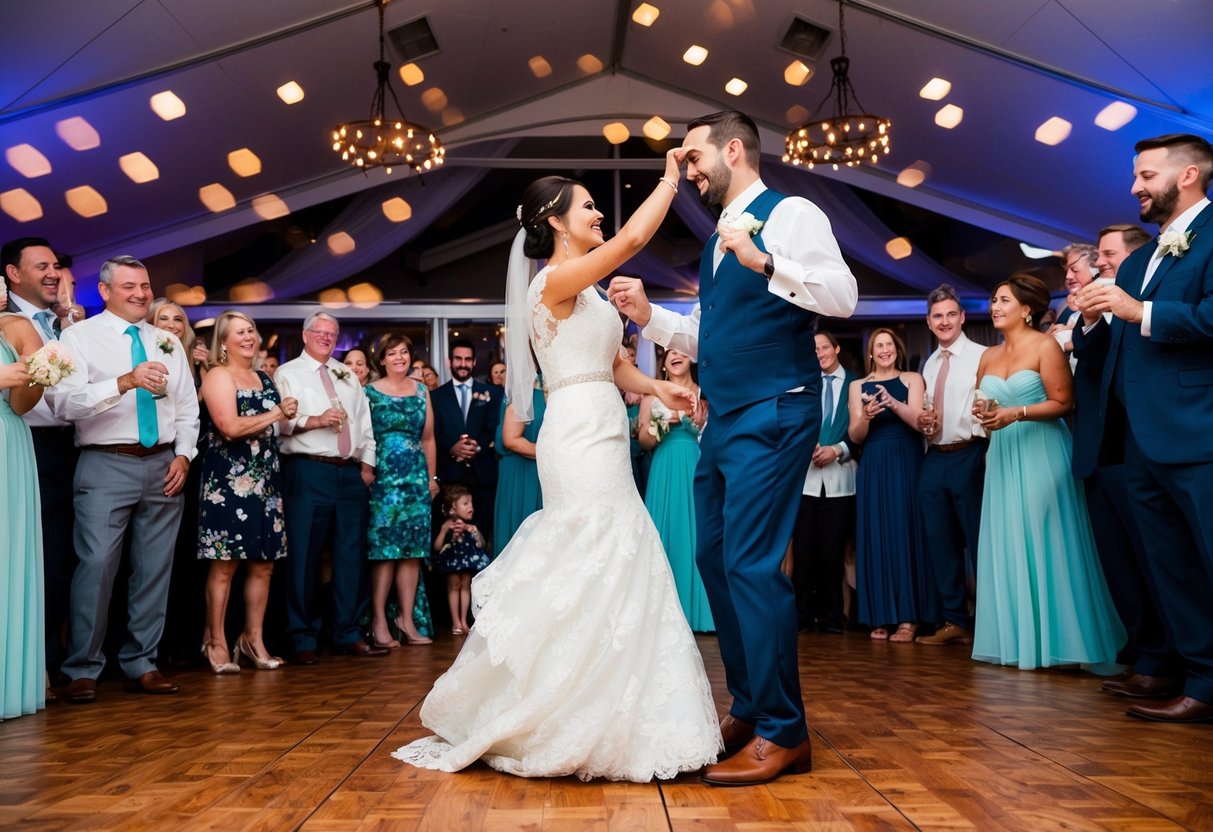
Weddings often include a variety of meaningful dances that celebrate relationships and add joy to the occasion. Understanding the types of dances can help you plan a memorable experience for you and your guests.
Parent Dances
Parent dances are touching moments that bring families together. The father-daughter dance is a classic choice, symbolizing the bond between the bride and her father. This dance usually happens after the couple’s first dance and can be emotional as it represents a transition in their relationship.
Similarly, the mother-son dance offers a heartfelt tribute to the groom’s mother. It’s a chance for them to cherish their relationship while guests enjoy the moment. Both of these dances typically last around 3-5 minutes.
You can even add personal touches, like choosing a special song that means something to both of you. This will make the moment even more memorable for everyone involved.
Group Dances and Special Moments
Group dances are a fun way to get everyone involved. The anniversary dance is popular, where all married couples are invited to the dance floor. As the music plays, couples gradually leave the floor until the longest-married couple remains. This moment celebrates lasting love and friendships.
Another lively addition is the bouquet toss. The bride tosses her bouquet into a crowd of single women, symbolizing good luck in finding love. Similarly, the garter toss is a playful tradition, where the groom removes the garter and tosses it to single men.
Don’t forget the money dance, where guests can pay to dance with the bride or groom, allowing them to engage with more people and adding a fun twist to the night. These moments create a lively atmosphere and lasting memories for everyone.
Reception Entertainment
Your reception entertainment sets the tone for the entire evening. From choosing the right musicians or DJ to ensuring your guests stay engaged, every detail counts. You’ll want to create an atmosphere that keeps everyone smiling and dancing.
Hiring Musicians and DJs
When it comes to hiring musicians or a DJ, think about the vibe you want for your wedding. A live band can bring energy and excitement, but a DJ offers versatility with a wide range of music.
Start by deciding on your style—do you want classic wedding tunes, or are you thinking of something more modern? Set a budget for the entertainment and start researching options.
Don’t forget to check reviews and ask for recommendations. Meeting with potential entertainers can also help ensure they understand your vision and can fit your wedding theme.
Keeping Guests Engaged
To keep your guests entertained, incorporate a mix of music and fun activities. Begin with your first dance to kick off the evening, capturing everyone’s attention.
Consider animations or dance moves that guests can join in on. Create a playlist that gets everyone involved.
You can include classic hits, current favorites, and even a few songs from your personal history. Use a variety of genres to appeal to all age groups.
Announce special moments like the cake cutting or bouquet toss to maintain excitement. This helps guests to know what to expect and encourages them to participate.
Winding Down with the Last Dance
As the night approaches its end, a last dance provides a special moment for you and your guests. Select a song that holds meaning for you as a couple. It should evoke emotions and create lasting memories.
This is the perfect time for your guests to join in, celebrating your love as the night wraps up.
Consider preparing a grand exit afterward, such as sparkler send-offs or confetti. It adds a fun finale to your celebration.
This final moment is not just about dancing but creating a memorable conclusion to your wonderful day.