
What Time of Year Is Best for Destination Weddings? Tips for Perfect Timing
Choosing the best time of year for your destination wedding can greatly affect your experience and budget. The shoulder seasons, which are just before or after peak times, typically have the ideal months. During these periods, you can enjoy pleasant weather, fewer crowds, and often lower prices, making your special day even more memorable.
If you’re dreaming of a beach wedding, consider late spring or early fall. These times often bring charming weather and can provide beautiful backdrops for your photos. On the other hand, if a mountain wedding is more your style, think about the summer months when the scenery is vibrant and welcoming.
Planning ahead is key, especially for a destination wedding. By booking during the optimal season, you not only secure your dream location but can also save on costs related to travel and accommodations. Keep these factors in mind as you embark on your exciting wedding journey!
Considering Climate for Your Wedding Date
When planning your destination wedding, the climate plays a key role in your decision. The right weather can set the tone for a joyful celebration, while the wrong weather can bring unexpected challenges. Here are some important factors to consider.
Understanding Seasons and Weather Patterns
Each season brings its own unique weather patterns, which can heavily influence your choice of wedding date. For instance, many popular wedding destinations have a dry season from December to April, offering sunny skies and low rainfall. This is especially true in places like the Caribbean, where you can enjoy beautiful beaches and pleasant temperatures.
On the other hand, the wet season often involves heavy rainfall and high humidity. If you’re considering a summer wedding, be prepared for the possibility of sudden storms. Research the historical climate data for your chosen location to better understand what to expect.
Avoiding Hurricane Season
If your heart is set on a wedding in the Caribbean, timing is crucial. Hurricane season typically runs from June to November. While you might find lower prices during this time, the risks can be significant. It’s wise to avoid planning your wedding during these months to ensure a smooth and memorable experience.
Instead, consider dates in late April or May, when the weather is usually more stable and you can still enjoy beautiful beaches without the storm threats. Always check local forecasts and consider travel insurance that covers weather-related disruptions.
Embracing the Beauty of a Winter Wonderland
Planning a winter wedding can be a magical choice, offering a unique setting for your celebration. Many couples dream of a winter wonderland theme, complete with cozy decorations and festive spirit. If you’re thinking about a December wedding, consider locations that offer beautiful snowy backdrops.
Venues in mountain areas or places known for winter scenery can create stunning visuals. Just remember to account for potential travel disruptions due to snow. Research average temperatures and pack accordingly, so you and your guests can stay comfortable while enjoying your special day.
Selecting the Ideal Destination
Choosing the perfect location for your destination wedding sets the tone for your special day. Consider factors like scenery, climate, and local culture to create a memorable experience for you and your guests.
Beachside Bliss in the Tropics
Imagine saying your vows with the sound of waves behind you. Tropical destinations like Jamaica, Hawaii, and the Bahamas are perfect for beachside weddings. These locations offer stunning views, warm weather, and beautiful sunsets.
In Jamaica, you can enjoy vibrant culture and delicious local cuisine. Hawaii provides unique landscapes, from lush gardens to white sand beaches. The Bahamas is known for its clear blue waters, making it an ideal spot for a romantic ceremony.
When planning, consider the time of year. Most tropical locations have a dry season from December to April, which is ideal for outdoor weddings. Booking early ensures you secure the best venues and rates.
Mountainous Majesty: High Altitude I Do’s
If you prefer a cooler climate, consider a mountain wedding in places like Aspen or Lake Placid. These locations bring a majestic backdrop of peaks and valleys, perfect for a dramatic celebration.
In Aspen, you can find world-class resorts that offer stunning views year-round. The surrounding nature provides endless opportunities for outdoor activities, making it fun for your guests. Lake Placid is rich in history and offers picturesque scenery with its serene lakes and mountains.
When choosing a mountain venue, think about the season. Summer and fall provide beautiful temperatures and colorful foliage. Winter is magical, but keep in mind the possibility of snow.
Cultural Charms: Weddings with a Local Flair
For a wedding rich in culture, consider destinations like Costa Rica or the Caribbean islands. These locations offer unique traditions that can enhance your ceremony.
In Costa Rica, you can incorporate local customs, like a traditional dance or a coffee ceremony. Picturesque beaches and lush jungles provide a stunning backdrop for your special day.
The Caribbean islands each have their own flavors and traditions. Imagine a reggae band serenading you in Jamaica or a calypso group in Trinidad. These cultural elements create a memorable experience for you and your guests. Be sure to research local wedding customs to make your celebration even more special.
Planning for Guests and Budget
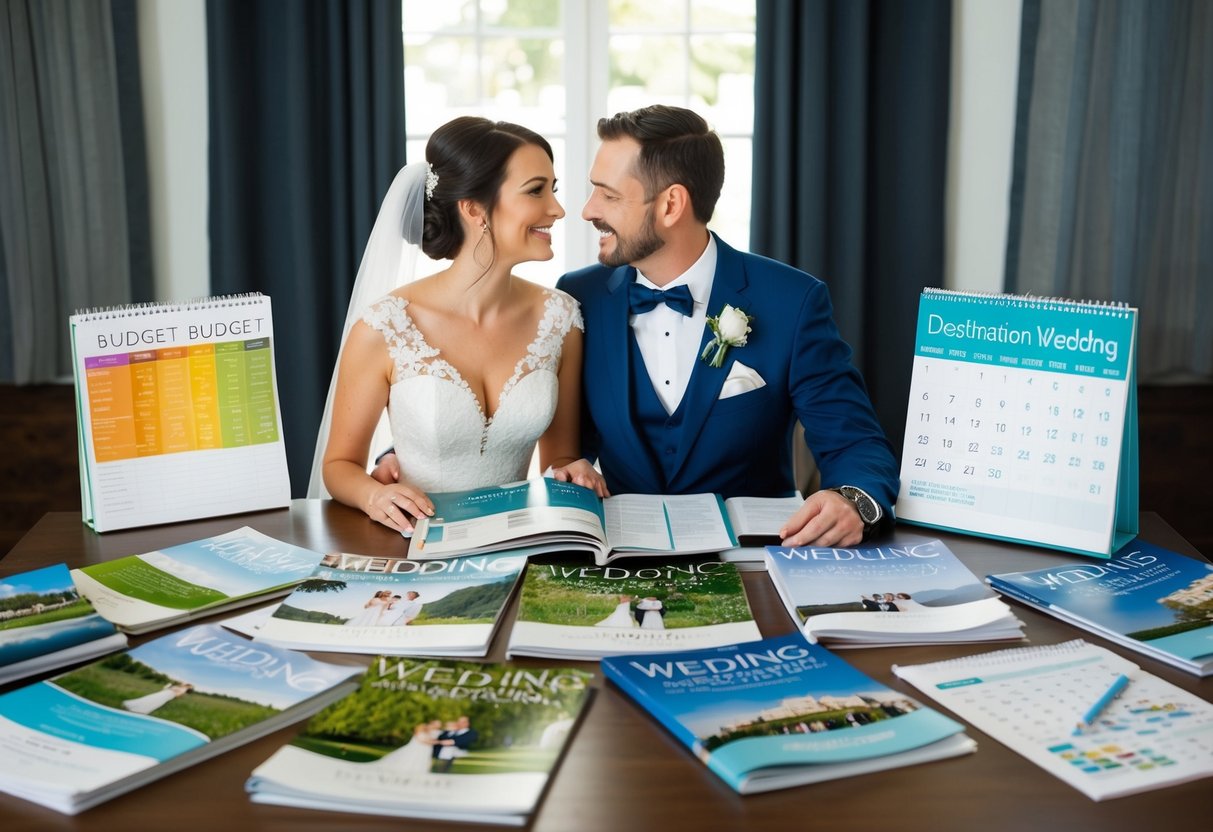
When planning a destination wedding, it’s important to think about your guests and your budget. Balancing guest convenience with your dream location can help ensure a great experience for everyone. Understanding pricing during different seasons is also key to managing your wedding budget effectively.
Balancing Guest Convenience with Dream Locations
Choosing a location that excites you is great, but remember your guests. Think about travel costs and how easy it is for them to reach your venue. Locations that require long flights or complicated connections can be challenging.
If many of your guests have school-age children or work in education, summer or holiday breaks are ideal. Consider providing travel information on a wedding website. This can help guests plan and make it easier for them to attend.
Navigating Peak and Off-Peak Pricing
Wedding costs can vary greatly depending on the season. Peak season often means higher prices for everything from venues to accommodations. If you’re looking for a way to stretch your budget, consider booking during an off-peak time.
Off-peak months can save you a significant amount of money, often up to 30%. Research venues and vendors to see their pricing calendar. This allows you to make informed decisions that fit your budget while still offering a beautiful setting.
Making Smart Use of Shoulder Season
The shoulder season is another smart option for budget-conscious couples. This period falls between peak and off-peak seasons. During these months, you can enjoy some of the best weather at a more affordable price.
Your guests could also find better deals on travel and accommodation. Make sure to remind them about options like travel insurance. This protects against unexpected changes, making it easier for everyone to enjoy your special day with peace of mind.
Essential Destination Wedding Logistics
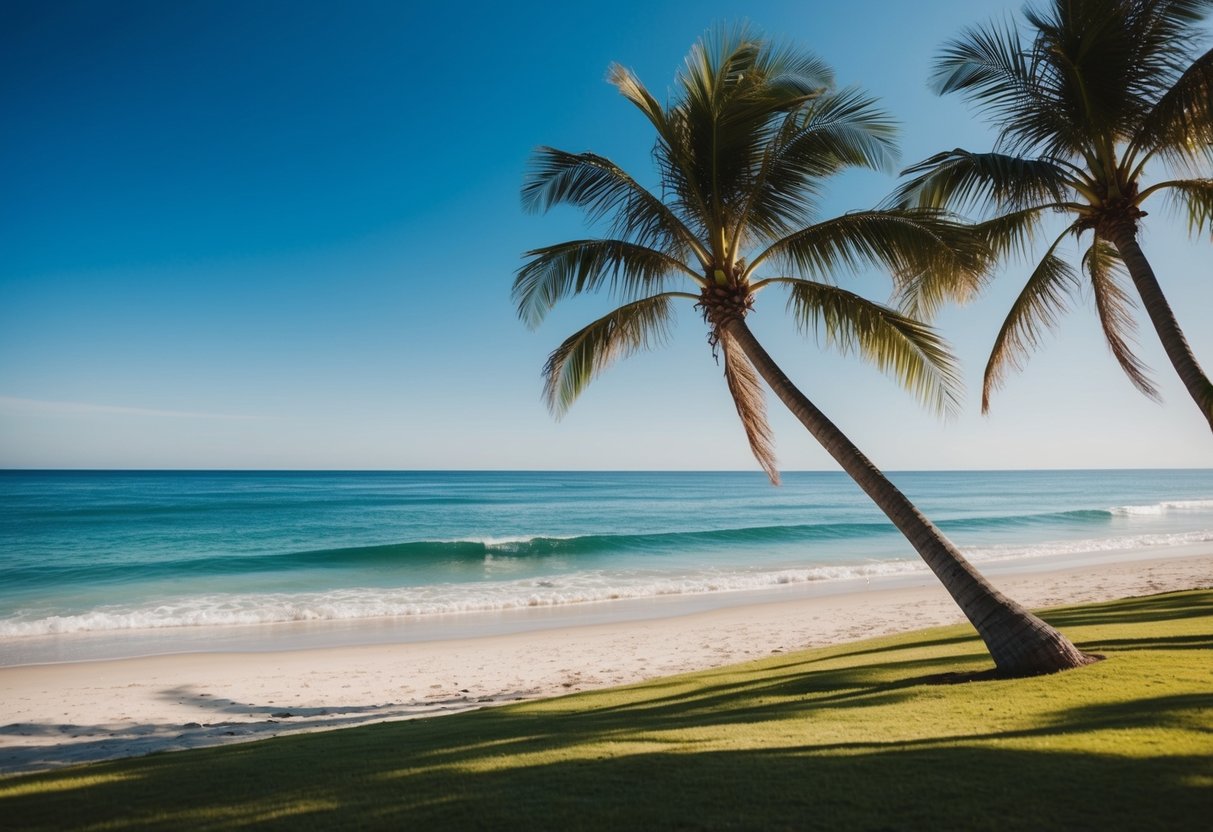
Planning a destination wedding requires careful attention to logistics to ensure a smooth and joyful experience. From securing your venue to communicating with guests, each detail plays a key role in making your day memorable.
Securing Your Dream Venue
Choosing the right venue is crucial for your destination wedding. Start by researching beach wedding options that fit your style and budget. Popular venues often get booked a year or more in advance, so act quickly to secure your top choice. Consider factors like availability, capacity, and services offered.
Many venues provide packages that include coordinators and decor. This can simplify your planning process. Explore each option’s website to check reviews and testimonials. A wedding website can also help showcase your venue choice and keep guests informed.
Wedding Ceremony and Reception Details
Your wedding ceremony and reception are the heart of your celebration. Decide if you want a beach ceremony, a garden party, or something different. Each option has its charm and can suit different themes.
Think about the layout and flow for your day. Will your ceremony be right on the beach or nearby? These details are essential in coordinating with your venue. Make a checklist to cover all aspects, like seating arrangements, sound systems, and catering needs.
Don’t forget to style your wedding according to the location! Incorporate local elements that highlight the area’s vibe.
Communicating with Guests: The Role of Technology
Keeping your guests in the loop is important, especially for a destination wedding.
Create a wedding website to share all the necessary information such as hotel bookings, transportation options, and local attractions. This central hub helps guests plan their trip and stay informed.
Utilize social media and group chats to create excitement and manage any questions.
Platforms like The Knot can help you connect with guests and share updates.
Technology makes communication easier and can help everyone feel included in your special day.