
What Time Should a Wedding DJ Start? Tips for Perfect Timing on Your Big Day
Choosing the right time for your wedding DJ to start is crucial for setting the mood for your special day. Most DJs typically begin their first set around 7-8 PM. This is right after the meal and just in time for the first dance. This timing allows your guests to enjoy dinner and creates a seamless transition into the celebration.
Keep in mind that your wedding timeline can greatly influence this decision. If your ceremony is earlier in the day, you might want to have the DJ start shortly after the dinner service. This way, the party can begin with energy and excitement when your guests are ready to dance the night away.
Understanding when the DJ should kick off the music can help you plan other elements of your wedding day more effectively. With the right timing, you ensure that your celebration flows smoothly, making it a memorable experience for everyone.
Determining The Ideal Start Time for Your Wedding DJ
Choosing the right start time for your wedding DJ is important for a smooth celebration. Here are some key points to consider:
-
Understand Your Wedding Day Timeline: Look at your entire schedule. This includes the ceremony, cocktail hour, and reception.
-
Ceremony Timing: If your ceremony ends at 4 PM, your DJ should start shortly after. This allows for a seamless transition to the next part of the day.
-
Cocktail Hour: If you plan a cocktail hour from 4:30 PM to 5:30 PM, your DJ can start playing during this time. This keeps the energy up for your guests.
-
Reception Start: For a reception starting at 6 PM, make sure your DJ is ready to kick things off. Having them set up earlier can help avoid delays.
-
Guest Arrival: Consider when guests will arrive. You want music playing as your guests gather.
-
Time for Set Up: Don’t forget the setup time. Make sure your DJ arrives early to get everything in place.
Key Moments for DJ Participation
Your wedding day has several key moments where your DJ plays a crucial role. From setting the mood during the ceremony to getting guests on the dance floor, timing and music choices are essential. Below are the important moments where your DJ can shine.
Ceremony Music and Transitions
As guests arrive for your wedding ceremony, your DJ should create a warm atmosphere. This often starts with soft, welcoming music. Choose songs that are meaningful to you, but keep them gentle to avoid overpowering conversations.
Once the ceremony begins, the music should transition smoothly. Your DJ needs to know when to start and stop the music as you walk down the aisle. Having a designated song for this moment can make it special. Consider also the cues for when to play music during any rituals.
Cocktail Hour: Setting the Atmosphere
After the ceremony, the cocktail hour is a perfect time for your DJ to provide background music. This period allows guests to mingle and enjoy drinks before the reception. Select upbeat and light songs that encourage conversation without being intrusive.
Your DJ can also tailor the playlist to reflect your style and preferences. A mix of popular songs from various genres can engage your guests while they socialize. This will help set a celebratory tone as everyone anticipates the reception.
Grand Entrance and First Dance
The grand entrance marks a significant moment at your reception. Here, your DJ should build excitement with a lively song that matches the energy of the moment. It’s a chance to introduce you and your partner, so pick a song that resonates with you both.
Following the entrance, the first dance is a treasured moment. Your DJ needs to be ready to play your chosen first dance song at just the right time. It’s ideal to select a song that captures your relationship. A smooth transition into this song creates an unforgettable atmosphere.
Dinner and Speeches: Background Tunes
During dinner, your DJ continues to play an important role by providing easy listening background music. The goal here is to keep the atmosphere relaxed. Choose songs that allow for conversation, with a mix of instrumental tracks and soft vocals.
This is also the time for speeches and toasts. Your DJ should ensure that the microphone is ready and working properly for speakers. Pausing or lowering the volume of the music during speeches helps everyone focus on the words being shared.
Cake Cutting and Party Time
When it’s time for the cake cutting, your DJ can use this moment to enhance the excitement. Play a fun or upbeat song to celebrate the occasion as you cut the cake. This musical backdrop adds joy to the moment and invites everyone to join in the fun.
Once the cake is cut, it’s party time! Your DJ should transition to high-energy dance music to get guests on the floor. A good mix of popular hits and classic favorites keeps the momentum going. This is the moment to let loose and celebrate your special day with family and friends.
Technical Considerations for DJ Setup
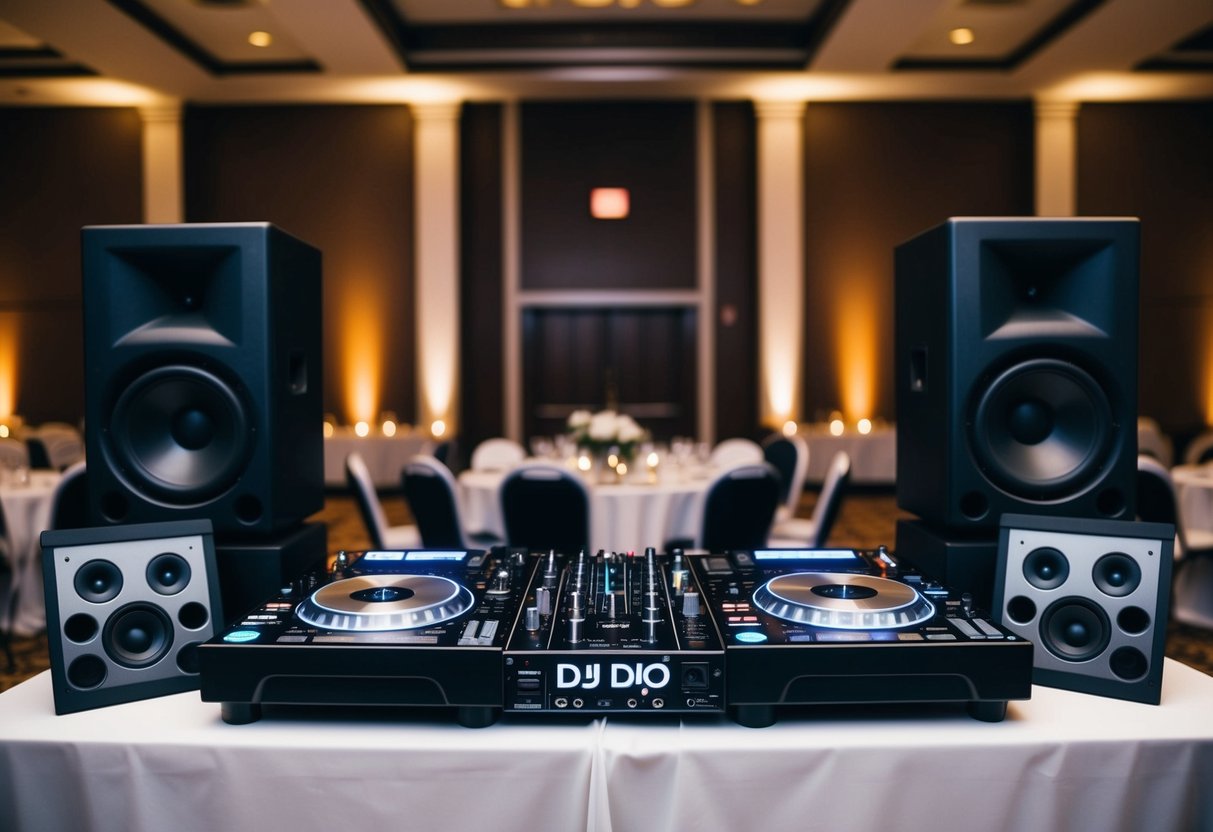
When preparing for your wedding, it’s essential to focus on the technical aspects of the DJ setup. This involves understanding the sound equipment you’ll need and how to coordinate with any live bands or other entertainment at the event.
Sound Equipment Requirements
Choosing the right sound equipment is crucial for a successful wedding reception. You need reliable gear that delivers clear and powerful sound. Essential components include:
- Speakers: Invest in high-quality speakers for better sound distribution.
- Mixer: A good mixer allows the DJ to blend tracks smoothly.
- Microphones: Ensure you have at least one microphone for speeches and announcements.
- Cables: Use durable cables to connect all your equipment without issues.
Keep in mind the size of your venue. Larger spaces may need additional speakers to ensure the music reaches all guests. Testing the sound system before the event day can also help address any problems early.
Coordination with Live Bands or Other Entertainment
If you have a live band performing at your wedding, communication is key. You want to ensure that the DJ and the band can work together seamlessly. Here are some tips for smooth coordination:
- Schedule Meetings: Meet with the band and DJ ahead of time to discuss set times, song choices, and transitions.
- Equipment Check: Make sure that both the DJ and live band can use the same sound system. This will help prevent any sound clashes.
- Timeline Planning: Create a timeline to ensure everyone knows when their time to perform is.
This coordination ensures a pleasant experience for you and your guests as the entertainment flows smoothly.
Genres and Playlists
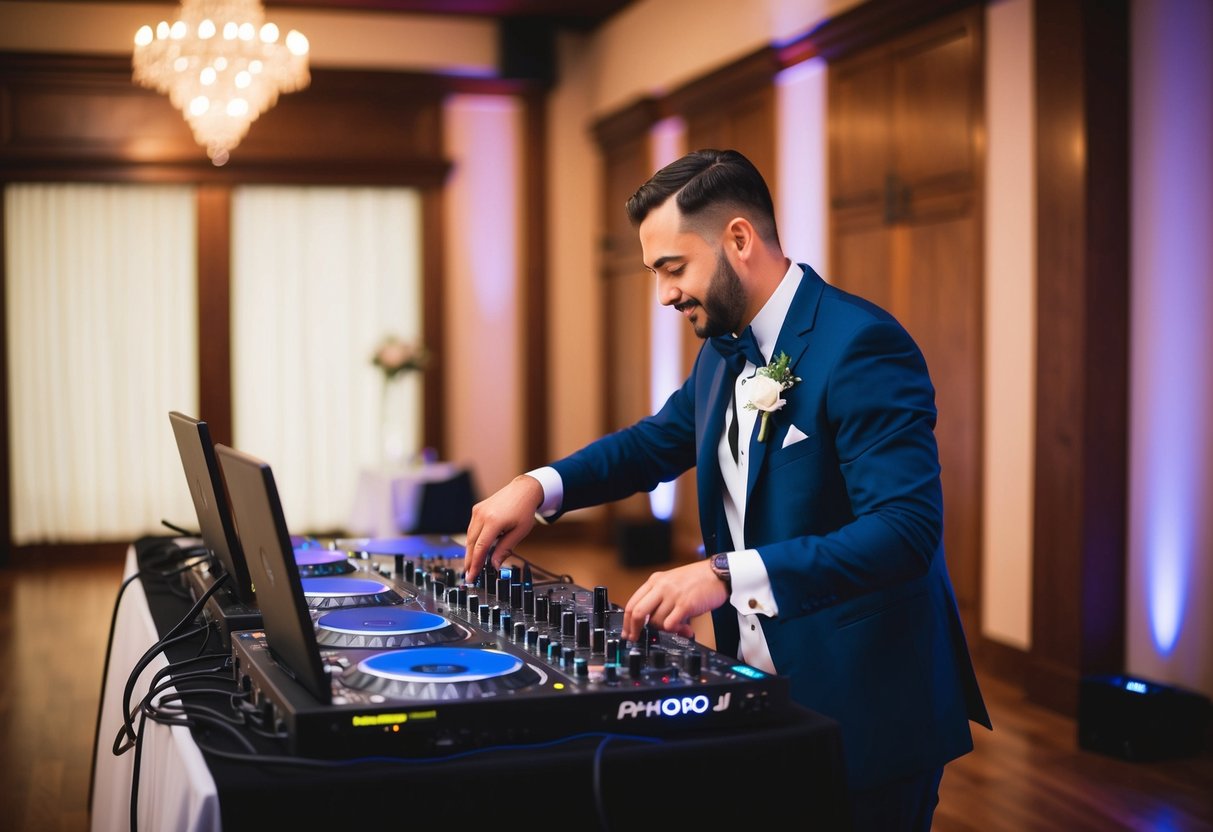
Choosing the right music genres and playlists is essential to create the perfect atmosphere at your wedding. You want the music to match your vibe and keep the guests entertained throughout the event.
Selecting the Right Background Music
Background music sets the mood for various parts of your wedding, especially during the cocktail hour and dinner. Opt for genres like jazz, soft rock, or acoustic pop, as these styles help guests relax and enjoy conversation.
Make a list of songs that you love. Discuss with your DJ to ensure they can mix these tracks smoothly. It’s also helpful to consider the tempo and energy of your selected music. Slower songs work well for quiet moments, while more upbeat tracks can transition the mood into celebratory.
Incorporating Classical Music and Modern Hits
Mixing classical music with modern hits can create a unique experience for your wedding.
Classical pieces, such as string quartets or piano solos, are perfect for ceremonies and formal moments. They can add an elegant touch that resonates with many guests.
Blending modern hits, on the other hand, keeps the energy fresh and exciting. Consider songs that both you and your guests enjoy. Work with your DJ to find a balance, ensuring the playlist flows well from one style to the next. The goal is to keep everyone engaged and dancing throughout the celebration.