
What Time Should Dinner Be at a Wedding? Tips for a Perfect Reception Timing
Choosing the right time for dinner at your wedding can set the mood for the entire evening. Typically, you should serve dinner about an hour to an hour and a half after the ceremony ends. This timing allows guests to mingle and enjoy appetizers while they wait for the main meal.
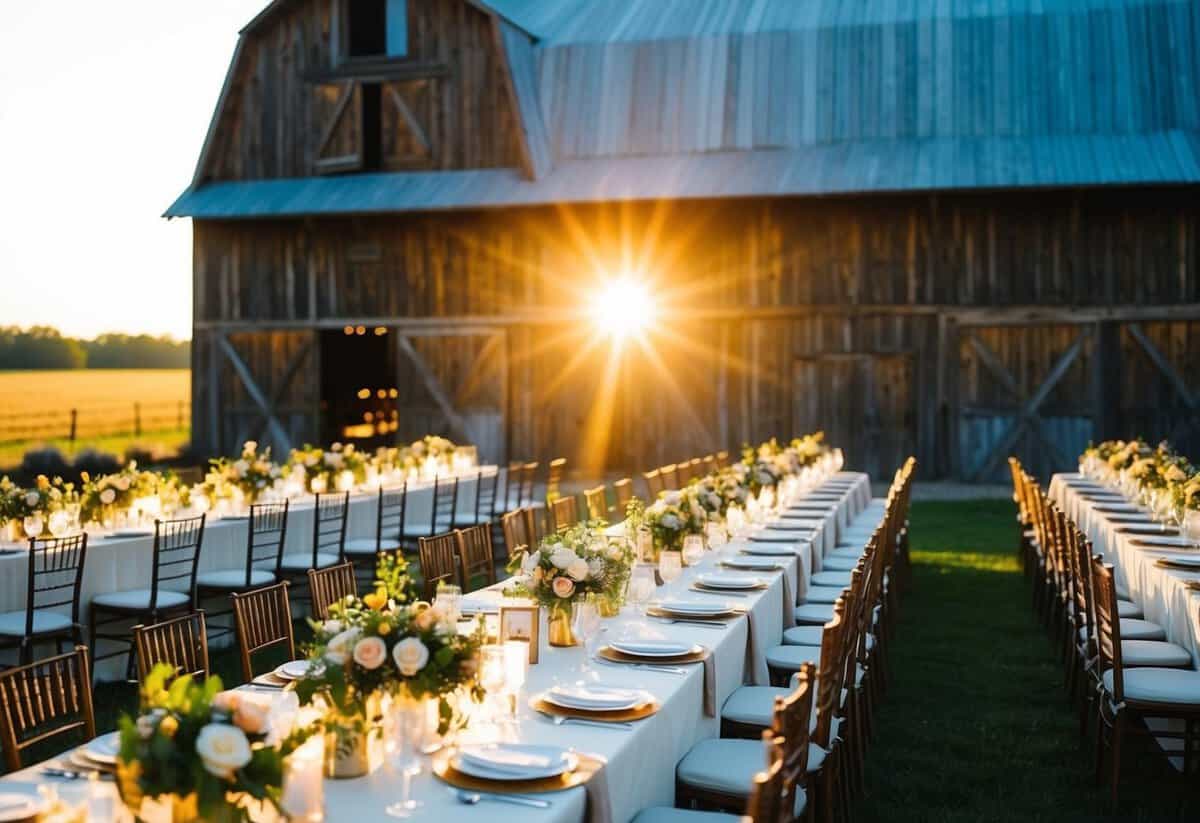
As you plan your wedding day timeline, think about how long your ceremony will last and when the reception will start. The flow from the ceremony to the reception is crucial, and having dinner served at the right moment keeps your guests engaged and happy. Whether it’s a buffet or a plated meal, figuring out the best time to serve dinner will help everyone enjoy the celebration to the fullest.
Planning Your Wedding Day Schedule
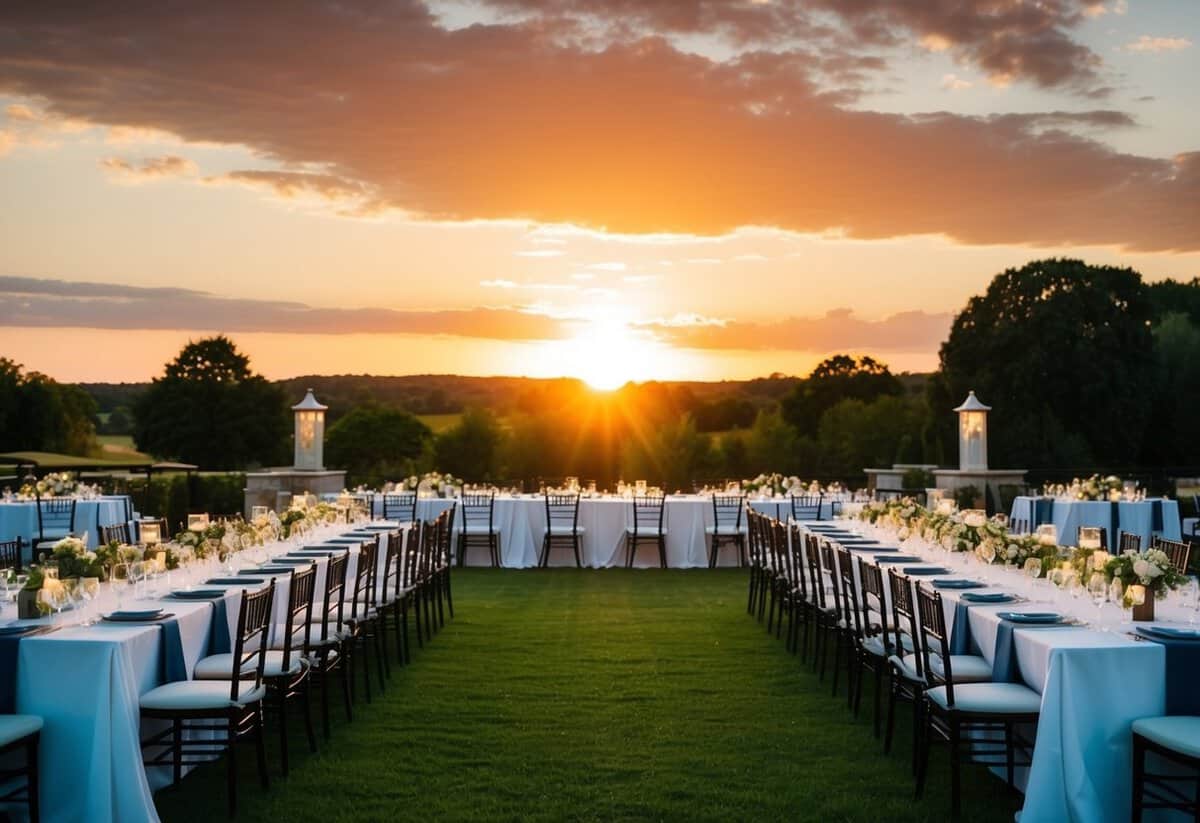
Planning your wedding day schedule is essential for a smooth and enjoyable event. This includes determining the start time, coordinating with your wedding planner, and creating a detailed timeline for all activities. Here are some key aspects to consider.
Determining the Wedding Start Time
The start time for your wedding impacts everything that follows. Think about when you want your ceremony to begin. Consider factors like venue availability and travel time for guests.
For example, if you have an afternoon ceremony, you might want it to start around 3 PM. This gives enough time for getting ready and allows for a sunset backdrop for your photos if you’re planning an outdoor wedding.
Don’t forget to inform your guests of the start time well in advance. Send out save-the-dates and invitations with clear details on when to arrive.
Coordinating with the Wedding Planner
Your wedding planner is your best resource for coordinating your schedule. They have experience and can anticipate what needs to be done at specific times.
Schedule regular meetings to discuss your vision and finalize details. Make a list of important tasks, such as setting up decorations and managing vendor timelines.
Additionally, allow your planner to handle communication with vendors. This ensures everyone is on the same page and can help reduce stress on your big day. They will know how to manage any surprises that come up and adjust the schedule accordingly.
Creating a Wedding Timeline
A detailed wedding timeline is crucial for keeping everything on track. Start by mapping out the entire day, from getting ready to the reception.
Sample Timeline Structure:
- Getting Ready: 10 AM – 1 PM
- Ceremony: 3 PM – 4 PM
- Cocktail Hour: 4 PM – 5 PM
- Dinner: 5 PM – 6 PM
Include buffer time between events. For example, allow extra time for hair and makeup to finish without feeling rushed. Ensure all vendors receive the timeline to know when they need to be ready.
Timing for Wedding Day Activities
Timing during the wedding day is key to ensuring smooth transitions between each activity. Plan for specific durations for getting ready, the ceremony, and the reception.
For instance, 30 minutes is typically enough for a ceremony, but you can adjust based on your preferences. Below is a simple list of timings to consider:
- Getting Ready: 3 hours
- Ceremony: 30 minutes
- Cocktail Hour: 1 hour
- Dinner: 1.5 hours
- Dancing and Activities: 2-3 hours
Also, keep track of the sunset time if you want outdoor photos. Discuss these details with your wedding planner to create a timeline that reflects your unique event.
Ceremony to Reception Transition
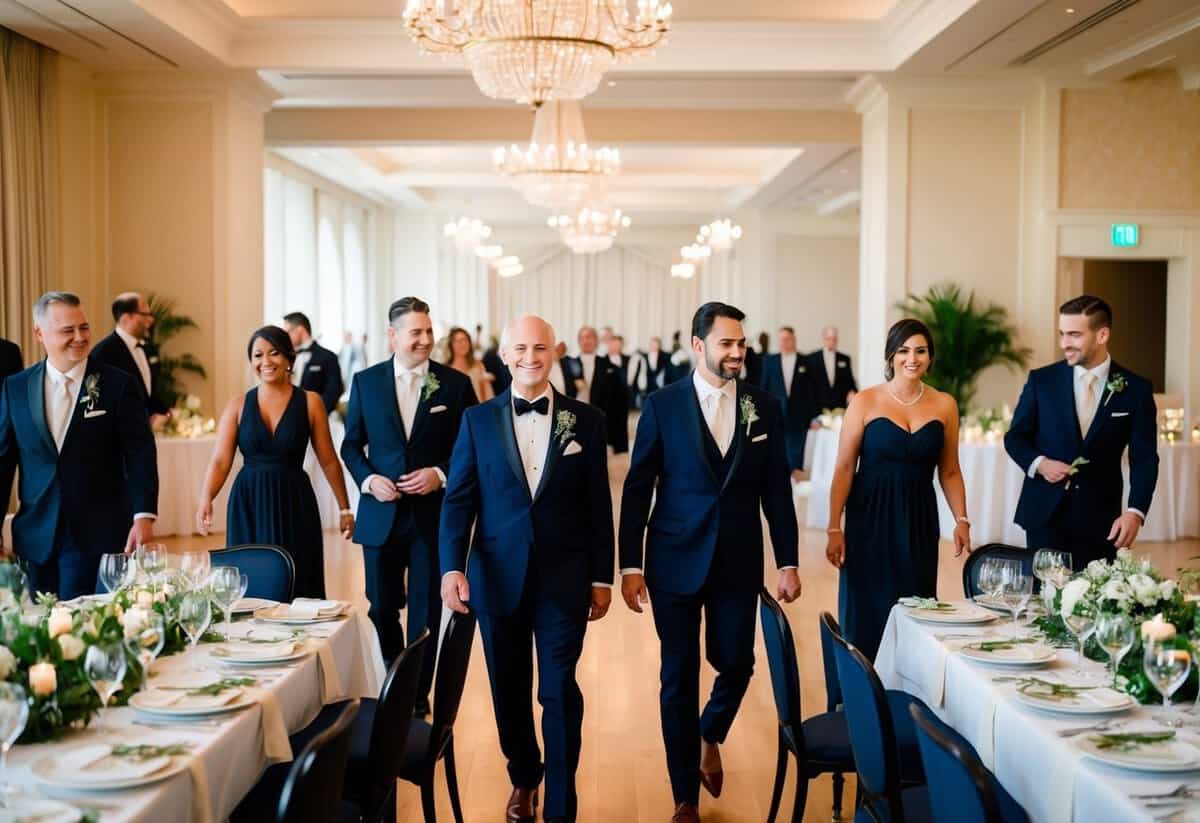
After the wedding ceremony, creating a smooth transition to the reception is important. This helps set the tone for the celebration and keeps your guests engaged. Make strategic choices about timing and entertainment to ensure everyone feels welcomed and entertained.
From Vows to Celebration
Once you say your vows, the next step is to shift to the reception. Ideally, this transition should take about 1 to 2 hours. This time allows for any necessary travel to a different venue, plus a moment for you and your wedding party to take pictures.
Make sure your guests know where to go. If the ceremony and reception are far apart, consider providing transportation. Shuttles can help ease the changeover and ensure everyone arrives on time.
Cocktail Hour Considerations
A cocktail hour is a great way to keep your guests entertained after the ceremony. It typically lasts for about 60 minutes. During this time, guests can mingle, grab drinks, and enjoy some light appetizers.
Think about your guests’ preferences. Offer a variety of drinks, such as cocktails, mocktails, and non-alcoholic options. Light appetizers can include cheese platters, shrimp cocktails, or finger foods. This keeps everyone satisfied until the main dinner is served.
Entertaining Your Wedding Guests
During the cocktail hour, consider entertainment options to keep the atmosphere lively. Hire a small band, a DJ, or even a solo musician to provide background music. This adds a festive touch and encourages conversations among guests.
If you have a large group, think about games or photo booths. These can make the transition from ceremony to reception more enjoyable. Personalized activities allow guests to bond and create memories before the main meal begins.
Dinner and Reception Events
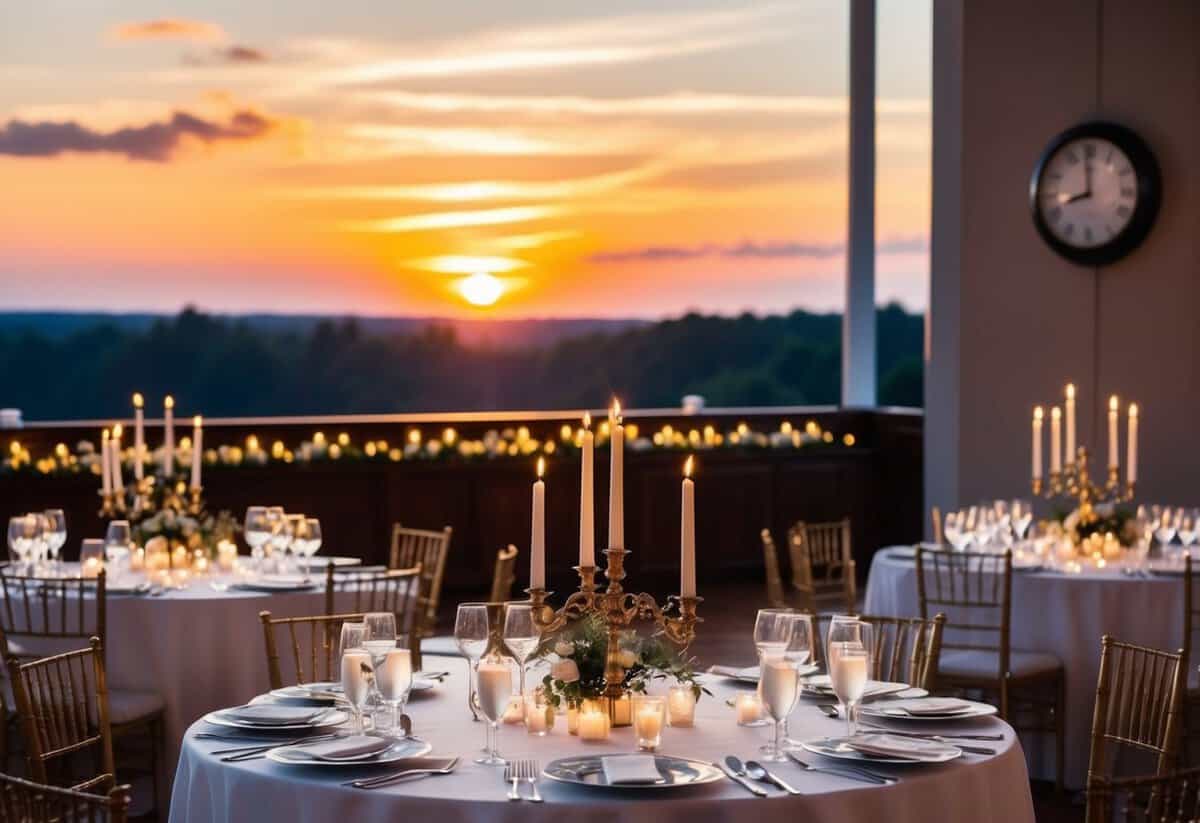
Planning the timing and flow of your wedding reception dinner is crucial for creating a memorable experience. You’ll want to consider when to serve dinner, how to arrange seating, and highlight key moments throughout the evening.
When to Serve the Wedding Reception Dinner
Timing is everything when deciding when to serve your wedding reception dinner. A typical schedule starts with a cocktail hour lasting about one hour, giving guests time to mingle. Dinner generally follows, ideally starting around 6 PM. This timing allows guests to relax after arriving and ensures everyone is seated before the main events begin.
Be sure to factor in important moments like speeches and toasts before dinner. Guests usually expect a seated dinner to last between 45 minutes to an hour. Keeping things on track helps maintain a smooth flow for events like the first dance and parent dances right after dinner.
Seating Arrangements and Meal Time
Seating arrangements play a vital role in the success of your wedding dinner. You want to create a comfortable atmosphere for your guests, so consider who should sit together. Use tables of various shapes—rounds or long rectangles—to encourage conversation and closeness.
Meal time should also align with your reception timeline. Offer a few meal options to cater to different tastes and dietary restrictions. A plated dinner can create a formal vibe, while a buffet style encourages guests to mingle. Make sure to communicate the meal plan clearly, so everyone knows what to expect.
Reception Highlights
Your wedding reception should include special moments that guests will remember, like cake cutting and toasts. Plan these events so they fit seamlessly into the dinner timeline. After the meal, announce the cake cutting to continue the celebration.
To keep the energy high, transition to dancing after key moments. Make room for the last dance and the grand exit toward the end of the evening. These highlights bring together everyone and create lasting memories. By scheduling and organizing the key elements, you ensure your dinner and reception events flow smoothly and are enjoyable for all.
Choosing the Right Dinner Time
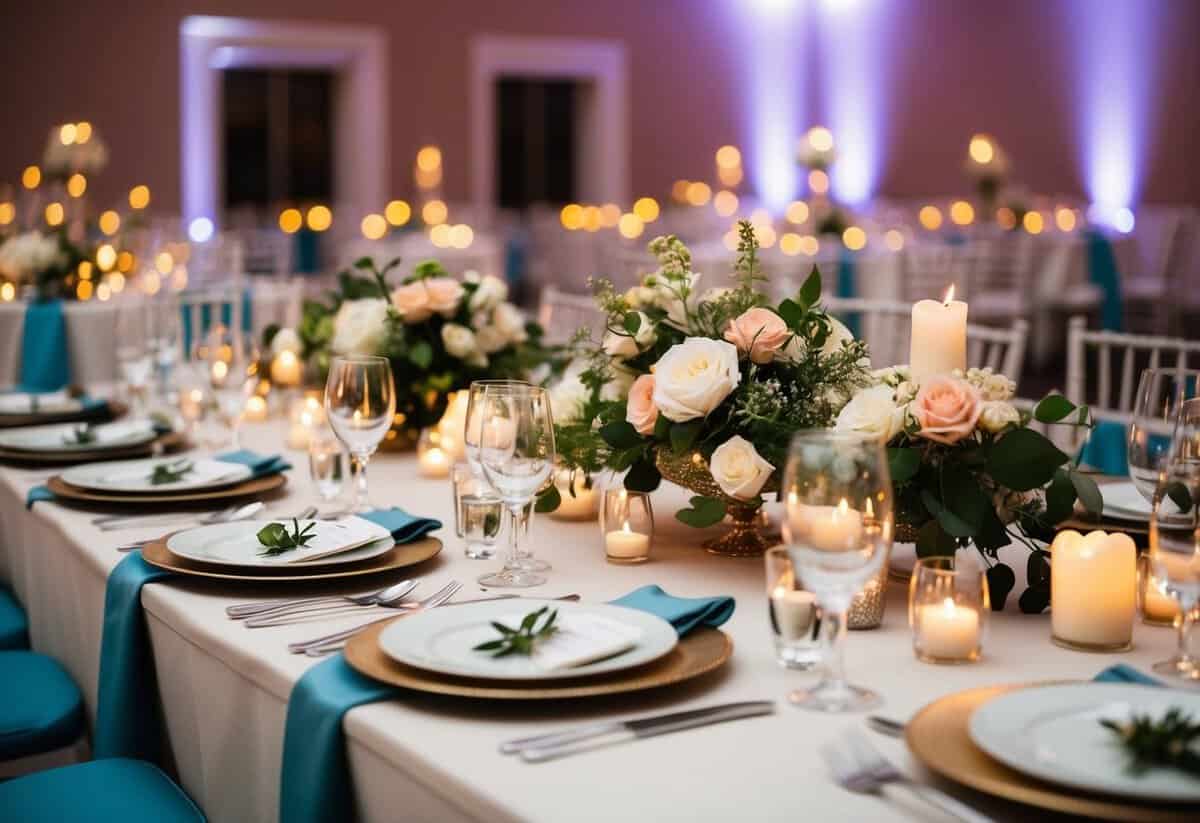
Selecting the ideal dinner time for your wedding is crucial for creating a relaxed atmosphere. You want to make sure your guests feel comfortable while enjoying a delicious meal. Several factors can guide your decision, including guest comfort, the type of wedding, and menu options.
Considering Guest Comfort
When planning dinner time, think about your guests. Aiming for a mealtime that suits their needs promotes enjoyment. Remember that a typical dinner usually happens between 5 PM and 8 PM.
If you have a traditional cocktail hour, plan to serve dinner about an hour after guests arrive. This allows time to mingle and grab a drink.
Use the 30/5 rule, which suggests a waiting time of approximately 30 minutes for drinks and 5 minutes for food selection. This balance helps everyone settle in before dinner starts.
Evening vs. Brunch Weddings
Deciding between an evening or brunch wedding can influence dinner timing. Evening weddings often follow a formal structure, where dinner is served around 6 PM or 7 PM. This allows for a smoother transition from the ceremony to the reception.
Brunch weddings, on the other hand, generally serve lighter fare. Aiming for 11 AM to 2 PM is excellent for these celebrations. Guests can enjoy a relaxed atmosphere with options like waffles or quiche, making everything feel cozy and informal.
The time of day will help set the vibe, so think about what matches your vision.
Incorporating Comfort Food Dishes
Comfort food dishes can elevate your wedding meal experience. People love familiar and satisfying options, so including favorites like mac and cheese, mashed potatoes, or corn on the cob can delight your guests.
When scheduling dinner, make sure to consider how these comfort plates fit into your timeline. A buffet setting allows you to serve food a bit more casually.
Make sure to balance flavors and presentation while keeping the meal timing in mind. Guests will appreciate thoughtful choices that make them feel at home during your special day.