
What Time Should Wedding Ceremony Start on Invitations? Tips for Perfect Planning
Choosing the right time to list on your wedding invitations can make a big difference in how smoothly your ceremony goes.
Many couples find it best to list the ceremony time at least 30 to 45 minutes earlier than the actual start time. This strategy helps ensure that all your guests arrive on time and are seated when the ceremony begins.
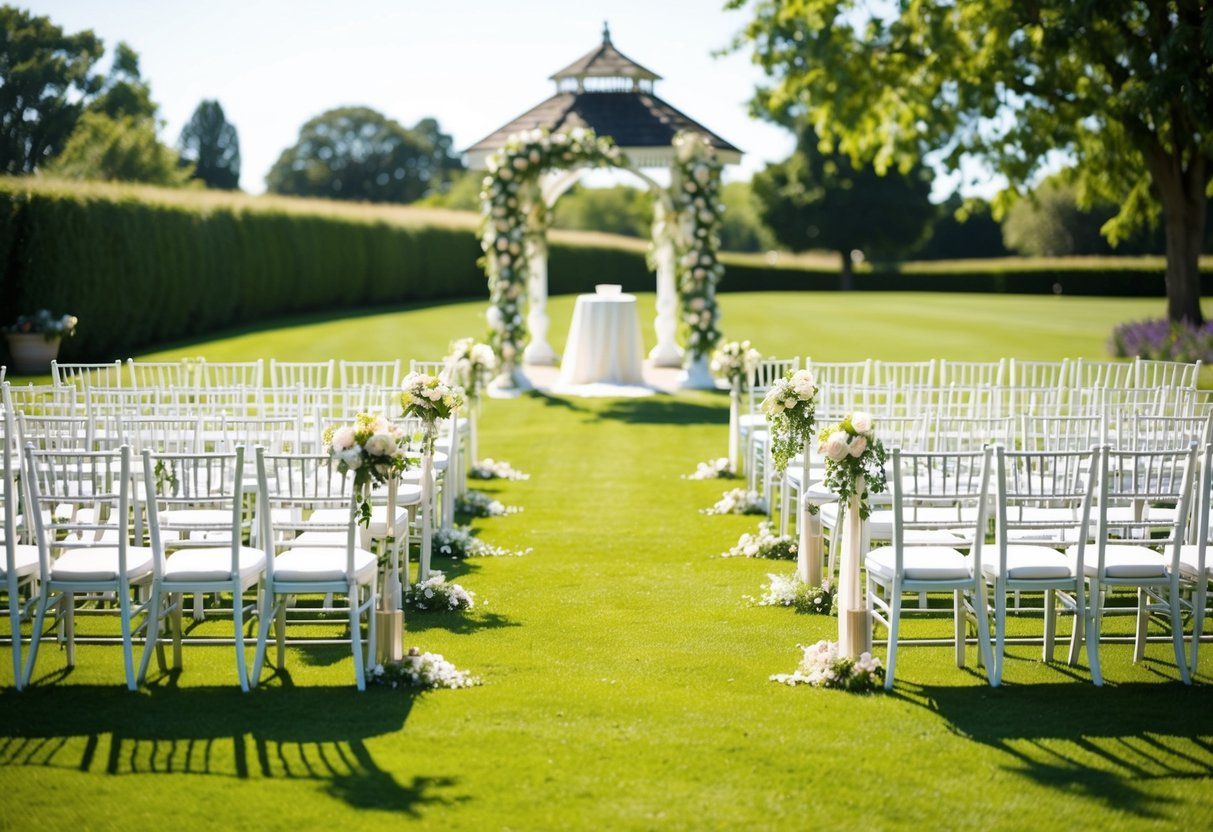
You might wonder why this early listing is necessary. Guests often arrive late, thinking they have more time than they do. By adjusting the time on the invitation, you reduce the chances of a late arrival, allowing your special moment to begin just as planned.
In this post, you will learn more about traditional practices and tips for timing your wedding ceremony start. You’ll discover how to handle different situations and create the perfect invitation for your big day.
Understanding Wedding Invitation Wording

When planning wedding invitations, wording is key. It sets the tone and informs guests about the important details, including the ceremony start time. Here’s what you need to know about effective wording.
The Role of Ceremony Start Time
Your guests rely on the ceremony start time to arrive punctually. It’s common to list this time clearly on the invitation to prevent confusion.
Traditionally, many couples use a start time such as 4:00 p.m. Guests expect the ceremony to begin shortly after that time. If you want attendees to arrive early, consider adding a note suggesting they come 30 minutes beforehand.
Some couples choose to list the ceremony start time slightly earlier, like 4:15 p.m. This can help ensure everyone arrives on time. However, be careful if you decide to do this, as it may make guests feel misled.
Formal vs Casual Wording
The style of your wedding invitation impacts how you express the ceremony time. Formal invitations typically use traditional wording. This can include phrases like “The honor of your presence is requested…” and should follow a specific date notation, such as “Saturday, the fifth of June, two thousand twenty-five.”
For more casual or informal wedding invitations, you can adopt a friendly tone. For example, you might say, “Join us for our wedding celebration on…” using a straightforward date and time.
Both styles should still include the essential details like the start time. If you plan to use the 24-hour clock, remember to ensure clarity for all guests!
Designing Your Wedding Day Timeline
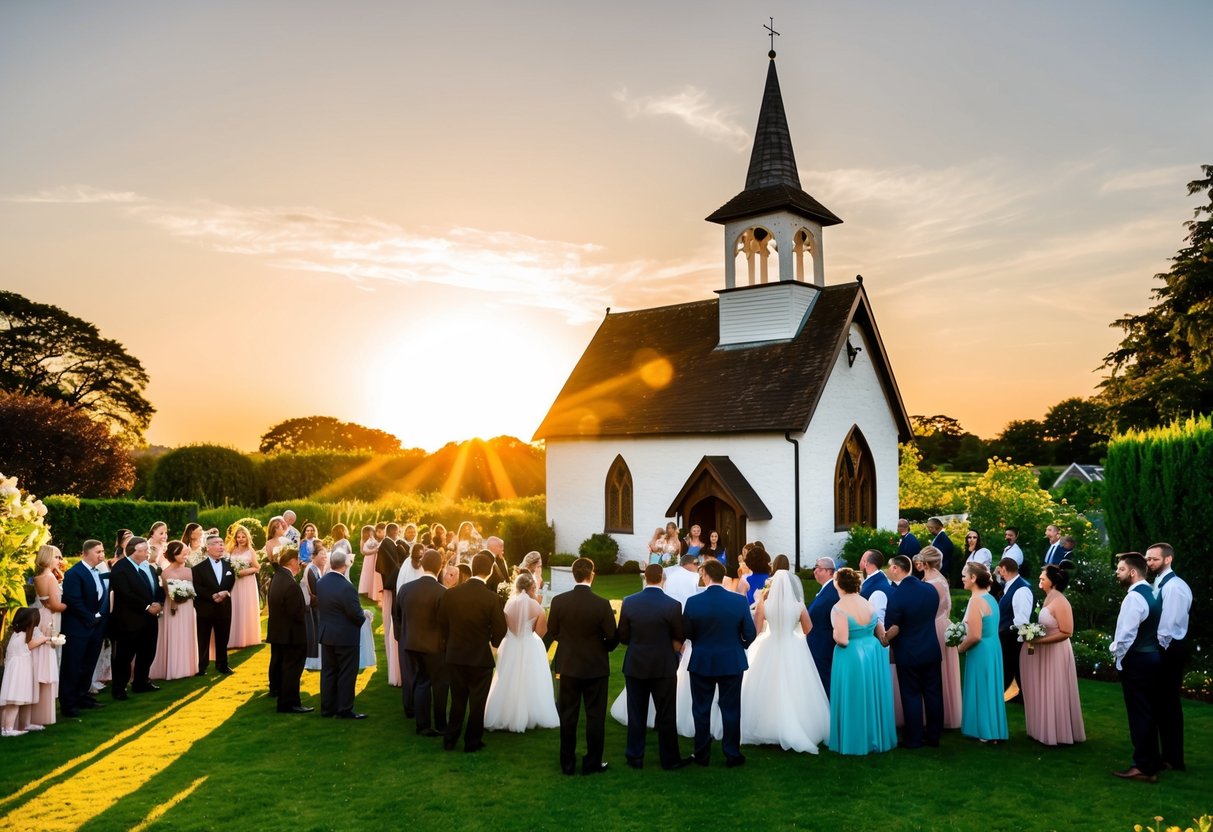
Creating a wedding day timeline is important to ensure that your day flows smoothly. You want to make sure that all aspects, from arrival times to the reception, are well-coordinated.
Calculating Arrival Time
Start by determining what time you want your ceremony to begin. If your invitations list the ceremony start time as 4:00 PM, plan for guests to arrive about 15-30 minutes earlier. This allows time for them to find seating and settle in.
Next, consider your arrival time at the venue. If you’re having a first look, you might want to arrive earlier for photos. Make sure to factor in travel time and any potential delays.
Tip: Use a timeline like this for reference:
- Ceremony Start: 4:00 PM
- Guest Arrival: 3:30 PM
- Your Arrival: 2:30 PM
Adjust these times based on your unique situation to stay organized on your big day.
Integrating Reception and Other Events
After the ceremony, you’ll need to plan for other key events. Typically, this includes a cocktail hour, dinner, and dancing.
If your ceremony ends at 4:30 PM, start the cocktail hour around 5:00 PM. This gives you and your partner some time for photos while guests mingle.
Next, plan the dinner to begin around 6:00 PM. Incorporate announcements or toasts during this time, leading into dancing afterward.
Timeline Example:
- Cocktail Hour: 5:00 PM – 6:00 PM
- Dinner: 6:00 PM – 7:30 PM
- Dancing: 7:30 PM onward
Keep in mind to let guests know what to expect with your invitation or a program. A clear schedule helps everyone enjoy your wedding reception!
Key Invitation Details and Etiquette

When planning your wedding invitations, it’s important to include specific details to help guests prepare for the event. This section focuses on key aspects like location, dress code, and RSVP guidelines to ensure your guests have all the information they need.
Location and Transport Information
Make sure to provide the full address of your ceremony venue on the invitation. This helps guests plan their travel arrangements. Including nearby landmarks can also be helpful. For example, you might write, “Located next to Central Park.”
If parking is limited, mention alternative transport options, such as public transit or shuttle services. You can add a simple note like, “Free shuttle service from downtown hotels will be available.” This ensures everyone knows how to get there easily.
Dress Code and Expectations
Your dress code can set the tone for your wedding. Clearly state the dress expectations on the invitation or in an insert. Common dress codes include “Black Tie,” “Semi-Formal,” or “Casual.”
Examples include:
- Black Tie: Tuxedos for men and elegant gowns for women.
- Semi-Formal: Dark suits for men and cocktail dresses for women.
- Casual: Sundresses and nice slacks.
You might also include tips if the ceremony is outdoors or at a specific venue, like suggesting comfortable shoes or layers if it might get chilly.
RSVP Guidelines
Include a separate RSVP card in your invitation suite. This card lets guests easily confirm their attendance. Be clear about the RSVP deadline, ideally 2-4 weeks before the wedding date. This helps you finalize your headcount for the venue and catering.
Add a stamped envelope for convenience, making it easy for guests to send back their response. You might say, “Please reply by May 1st,” to ensure clarity. Consider including a little note encouraging them to share any dietary restrictions or special needs, which can help you accommodate everyone comfortably.
Managing Your Invitations Online and Offline
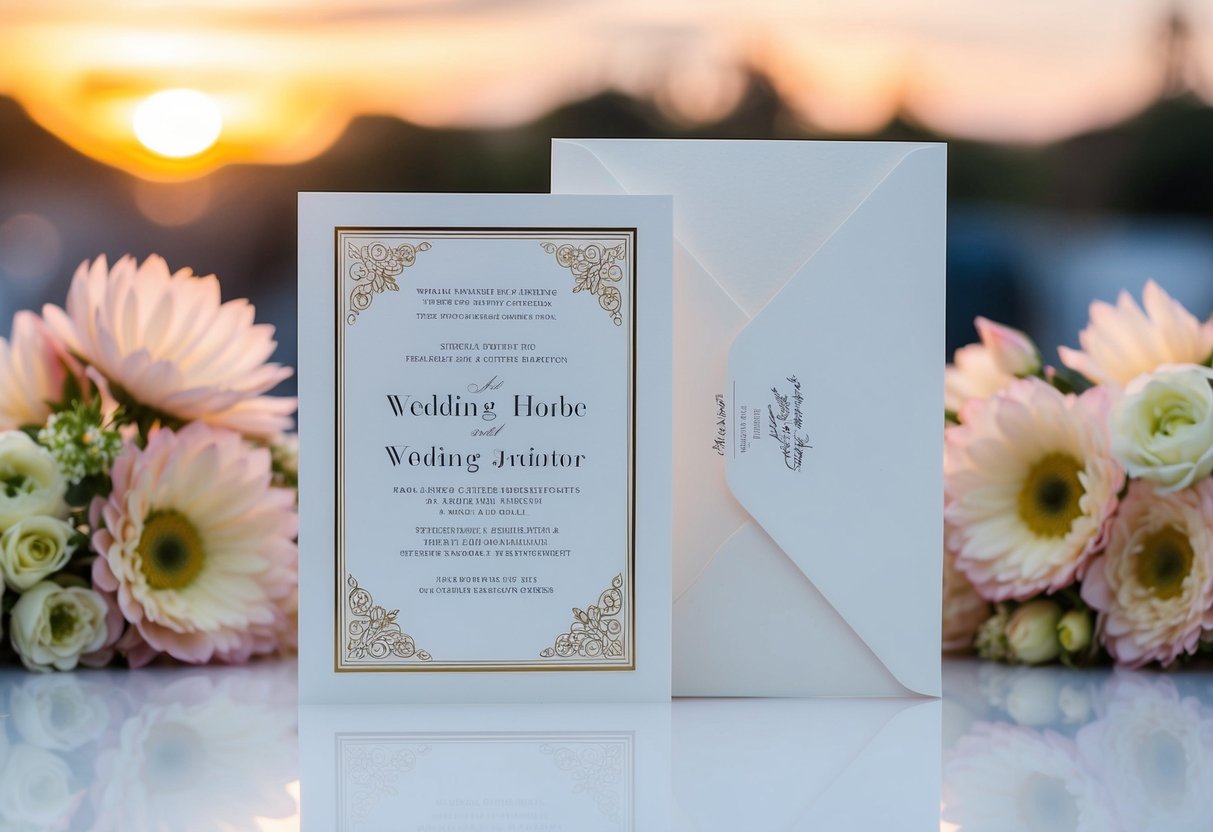
Creating your wedding invitations involves managing both online and offline elements. You can effectively reach your guests through digital platforms while ensuring your physical invitations are equally coordinated.
Utilizing Wedding Websites
A wedding website is a fantastic tool for sharing comprehensive information with your guests. You can include details about the ceremony start time, venue, and any changes in plans. Additionally, you can explain why you chose a specific time on your invitations.
Benefits of a wedding website:
- Easily update information.
- Share photos, planning details, and registry links.
- Encourage guests to RSVP online.
You can also use your wedding website to remind guests of the start time. For instance, if your ceremony starts at 4 PM, make sure to emphasize this on the site to avoid confusion and ensure everyone arrives on time.
Coordination with Physical Invitations
When planning your physical invitations, make sure they align with the information on your wedding website. If you choose to list an earlier time on your invitations, be consistent across all platforms.
Key elements to include:
- Couple’s names: Clearly state who is getting married.
- Date and time: State the ceremony time using your chosen approach.
- Venue details: Include the address and directions if needed.
Your invitations should guide your guests without leading to misunderstandings. If your ceremony starts at a specific time, make sure both the invitations and your website echo this information to avoid any last-minute rushes on the big day.