
What Time Should Weddings End? Tips for a Perfect Send-Off
Deciding when your wedding should end is an important detail that can impact your entire celebration. Most weddings typically wrap up between 10 p.m. and midnight, but this can vary based on your venue and personal preferences. It’s important to consider your guests’ energy levels and the atmosphere you want to create as the night progresses.
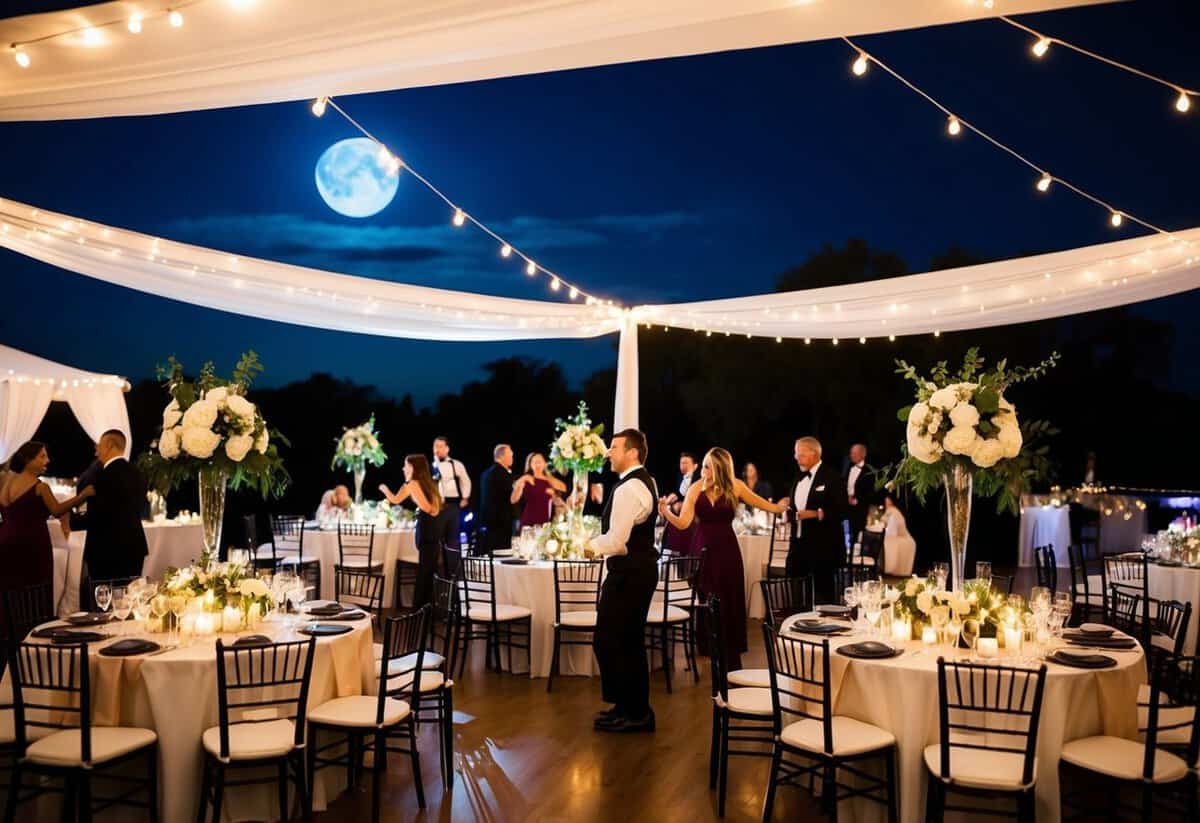
If you’re hosting a lively celebration, you might want to extend the festivities longer. Some couples choose to party until 1 a.m. or later, especially if there’s a fun atmosphere and everyone is enjoying themselves. However, you also need to factor in the type of venue and any regulations they may have around ending times.
Understanding these aspects can help you plan a memorable day. Whether you want an early end or a late-night celebration, it’s all about what feels right for you and your guests.
Planning Your Wedding Timeline
Creating a well-structured wedding timeline is essential for a smooth event. You want to ensure that everything flows seamlessly from the ceremony to the reception. Here’s how to get it just right.
Determining the Ceremony Start Time
Choosing the ideal ceremony start time is crucial. Consider the time of year and the sunset hours. For afternoon weddings, a start time between 3 p.m. and 5 p.m. often works well.
With a morning wedding, aim for a 10 a.m. start. This allows for brunch-style receptions.
Also, think about your guests. Give them enough time to arrive, especially if many are traveling. Providing directions and parking info beforehand can ease their stress.
Finally, plan for a 30-minute buffer between the arrival of guests and the start of the ceremony. This ensures everyone is settled in before the big moment.
Scheduling the Reception
The reception is where the celebration truly begins, so scheduling is key here. If your ceremony ends at 5 p.m., consider starting the reception around 6 p.m. This gives your guests a chance to congratulate you and enjoy some light refreshments.
Think about the type of food you want to serve. A cocktail hour between the ceremony and reception is popular. It allows for mingling while the main meal is being prepared.
For the reception, it’s good to allow at least four hours for dinner, dancing, and festivities. Factor in time for speeches and cake cutting.
Being specific about times and tasks can help keep everything on track. This way, you and your guests can fully enjoy the celebration without feeling rushed.
Crafting the Perfect Evening
To create a memorable evening, it’s important to structure the timeline smoothly. This ensures that your guests enjoy every moment, from mingling during cocktail hour to dancing the night away.
Cocktail Hour and Wedding Photos
During the cocktail hour, your guests will relax and enjoy drinks and appetizers. This is a great time for you and your partner to take wedding photos.
Consider hiring a photographer who can capture both posed shots and candid moments. This way, you won’t miss any special memories.
To keep things lively, choose a selection of music that reflects your style. Encourage guests to mingle and enjoy themselves as they wait for dinner. This period usually lasts about an hour, setting a fun tone for the evening.
Dinner and Toasts
As guests gather for dinner, they will be excited to sit down and share a meal. Plan a menu that fits your theme and accommodates dietary restrictions.
You might want to include a mix of courses, such as appetizers, a main dish, and dessert. Be sure to keep service times in mind; having a timeline helps everything run smoothly.
After dinner, the toasts begin. Traditionally, the best man and maid of honor speak first. This is a heartfelt moment, so encourage them to keep speeches short and sweet.
Aim for about 2-3 minutes each to keep guests engaged.
Dancing and Activities
Once the toasts are done, it’s time to hit the dance floor. Start with a special first dance for you and your partner. This moment should feel personal.
Afterward, invite all guests to join in. Consider having a mix of music genres to cater to different tastes. It’s also fun to include group dances to get everyone involved.
You might add interactive activities, like a photo booth. These extras make the evening feel special and fun, creating lasting memories.
Cultural Considerations and Personal Preferences
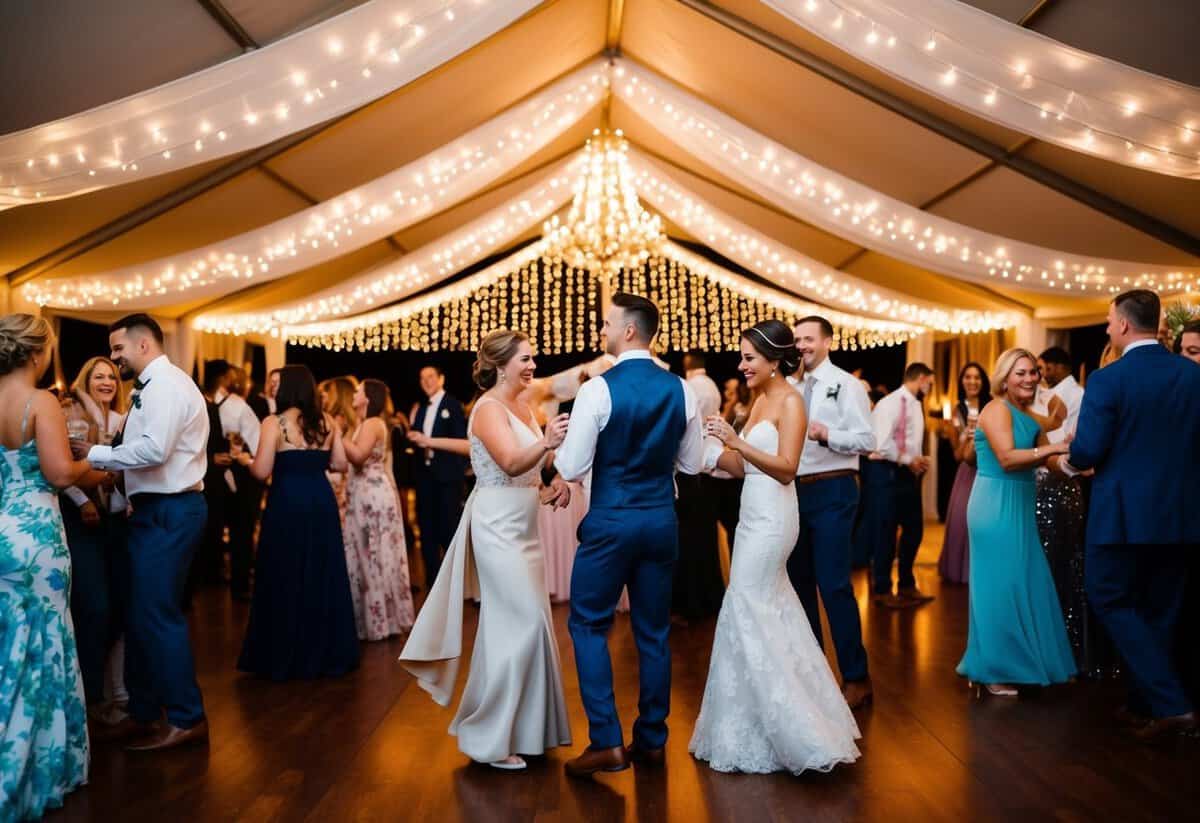
When planning your wedding, it’s important to think about cultural traditions and personal preferences when deciding what time your celebration should end. These factors can have a big impact on the overall atmosphere and enjoyment of your special day.
Incorporating Cultural Traditions
Many cultures have specific customs that guide wedding celebrations, including when the event should end. For instance, Hindu weddings can last several days, with ceremonies extending late into the night.
In contrast, Western weddings often wrap up by midnight. Be sure to discuss these traditions with your families. They might have preferences about when the celebration should conclude. Including these customs can help you honor your heritage and create a meaningful experience for everyone involved.
Customizing Your Celebration
Your personal preferences play a crucial role, too. Think about what you and your partner want from your wedding day. Do you envision a lively reception with dancing late into the night? Or would you prefer a more intimate gathering that wraps up earlier?
It’s essential to communicate your vision. Options like a late-night snack or a grand send-off can enhance your guests’ experience. Consider your venue’s policies as well. Some places may have restrictions on how late you can celebrate. Balancing cultural elements and your wishes will ensure your wedding celebrates who you are as a couple.
Venue Expectations and Legal Requirements
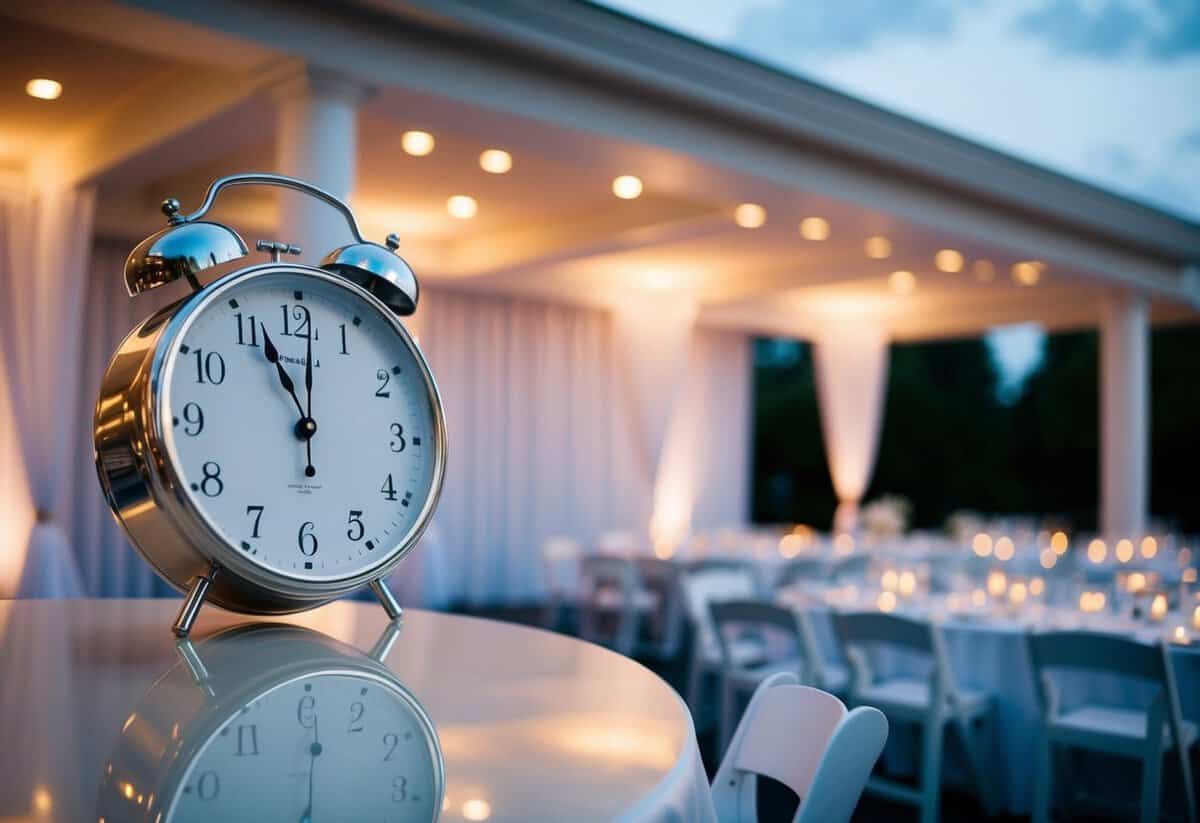
When planning your wedding, it’s important to understand the expectations that come with choosing the right venue. This includes knowing the venue’s specific policies and the legal requirements you need to meet.
Choosing the Right Wedding Venue
Selecting a wedding venue is crucial for your special day. You want a place that fits your style and can accommodate your guests comfortably. Make sure to ask about their policies regarding event timing. Many venues have a specific hour by which your event must end, usually due to local noise ordinances.
Check what time you need to wrap up your reception. This will affect your schedule for the evening’s events. For instance, if the venue requires you to end by 11 PM, plan your speeches, dances, and cake cutting accordingly.
Understanding Venue Restrictions
Your chosen venue might have certain restrictions that you need to follow. For example, noise ordinances often require music to stop by a set time, usually around 10 PM or 11 PM. It’s essential to be aware of these limits to avoid any disruptions on your wedding night.
In addition to noise, some venues may have rules about decorations and serving alcohol. You should also check if they require a certificate of insurance (COI) for liability coverage. Make sure that your venue allows for the legal signing of marriage licenses if that’s part of your plans. Being informed keeps your wedding day smooth and stress-free.