
What to Do When No One RSVPs Your Invitation: Tips for Handling an Empty Guest List
When you put in the effort to send out invitations, it can be disheartening when no one RSVPs. To handle this situation, consider reaching out personally to your guests, either by phone or text, to kindly ask if they plan to attend. This can open a line of communication and provide clarity on who might be joining you.

It’s important to keep your invitations clear and engaging. Make sure to highlight key details like the event’s date, time, and location, and include a friendly reminder for guests to RSVP. Good etiquette matters, and your thoughtful approach can encourage better responses in the future.
If you find yourself frequently facing silent responses, don’t hesitate to improve your invitation strategy. Sending a follow-up message can make a big difference. Remember, hosting should be enjoyable, and taking these small steps can help ensure you have the company you want at your next gathering.
Assessing the Situation
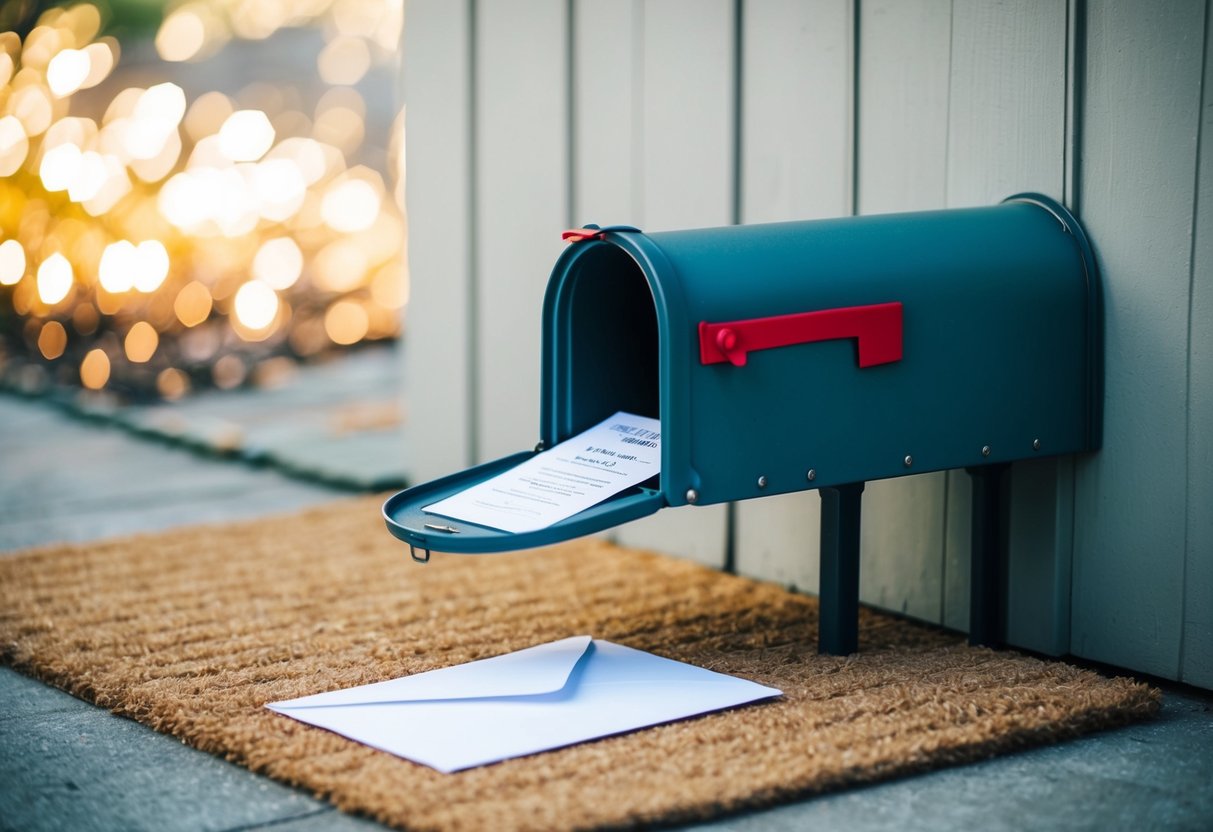
When you notice that many people have not responded to your invitation, it’s essential to take a moment to assess the situation. Understanding why guests may not be replying can help you make better decisions moving forward.
Understanding No-Responses
It can be frustrating when guests do not reply to your invitation. Sometimes, busy schedules or forgetfulness can be the reasons for missing RSVPs. People may overlook the RSVP deadline, or they might be waiting for other plans to unfold before committing.
Also, consider whether your invitation was clear. If important details like the date, time, or RSVP methods were confusing, it could lead to non-responses. Reflecting on these factors can give you insight into why some guests haven’t replied.
Re-Evaluating Your Guest List
Next, think about your guest list. Are you inviting a mix of close friends and acquaintances? Sometimes, people who are less familiar with you may hesitate to commit.
Consider reaching out directly to non-responders. This can clarify their intent and give you a better headcount for planning. You can also check if there are any events that might clash with yours, which could affect attendance.
By re-evaluating your guest list, you can ensure that your invitations go to those who are eager to celebrate with you. Making adjustments may also lead to better engagement in the future.
Effective Communication Strategies
When people don’t RSVP, clear and friendly communication can make a big difference. It’s essential to remind your guests gently and set clear expectations for your event.
Crafting Friendly Reminders
Sending a friendly reminder can encourage your guests to respond. Aim to send this reminder about a week before the RSVP deadline. This way, it gives them time to check their messages and reply.
You can use a simple text or email format. For example:
- Subject: Excited for [Event Name]!
- Message: Hi [Name], I hope you’re doing well! Just wanted to remind you about my upcoming [event] on [date]. Please let me know if you can make it by [RSVP deadline]. I’d love to see you there!
Keep the tone upbeat. This encourages a positive response and helps guests remember to follow up.
Setting Clear Expectations
It’s important to clearly state your RSVP deadline in the initial invitation. This helps guests understand when they need to reply. You might say something like, “Please RSVP by [date] so I can plan accordingly.”
You can also outline what to expect at the event. Mention if there will be food, activities, or specific dress codes. This helps guests feel more comfortable and might encourage them to RSVP.
Using bullet points can help clarify these details:
- Date and Time: [Event Date and Time]
- Location: [Event Location]
- Dress Code: [Casual/Formal/etc.]
By providing clear information, your guests will feel informed and more likely to respond.
Managing Event Logistics Gracefully
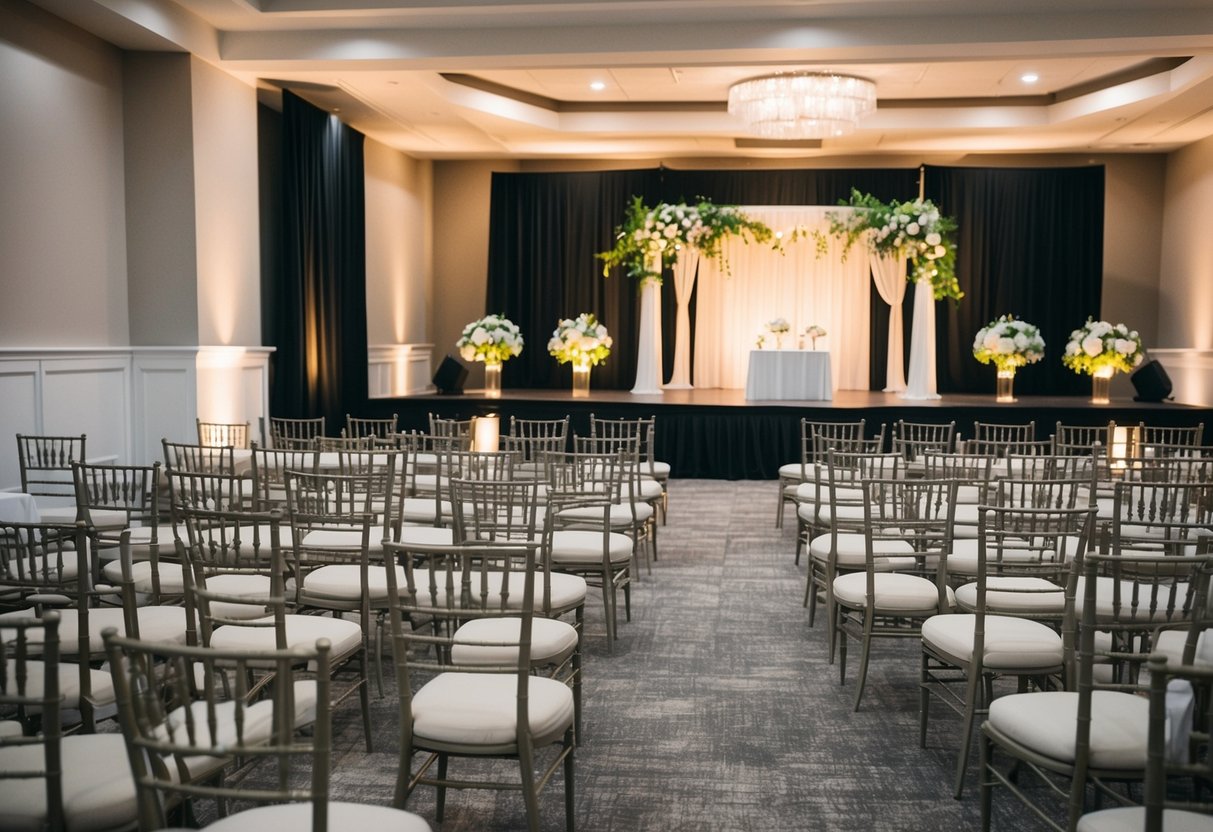
When you face low RSVP numbers, adjusting your plans can help keep everything on track. It’s essential to stay flexible and maintain good communication with your vendors.
Adapting to Changes in Headcount
Changes in guest count can feel stressful, but you can handle this smoothly. Start by confirming your expected numbers with your caterer. Many caterers can adjust servings or resize meals without much hassle.
If your event is larger, consider a buffet instead of a sit-down meal. This allows guests to serve themselves and minimizes waste. You can also plan seating arrangements that adapt to different headcounts. A mix of tables and lounge areas can create a welcoming atmosphere.
Make quick decisions about decorations too. Fewer guests might mean you can cut back on some decorations, saving costs without sacrificing style.
Liaising with Vendors
Good communication with your vendors is key. Reach out to each vendor, like your caterer and rental company, and explain the situation. Many professionals understand the ups and downs of event planning.
Consider renegotiating terms if necessary. For instance, if you are downsizing, ask your caterer if they can help with smaller portions or fewer options. It’s a good time to express any concerns and confirm your final numbers.
Don’t forget your venue. If the headcount changes significantly, checking in with them ensures they can accommodate the new plan. Keeping everyone in the loop creates a smoother experience for everyone involved in your event.
Planning for Future Events
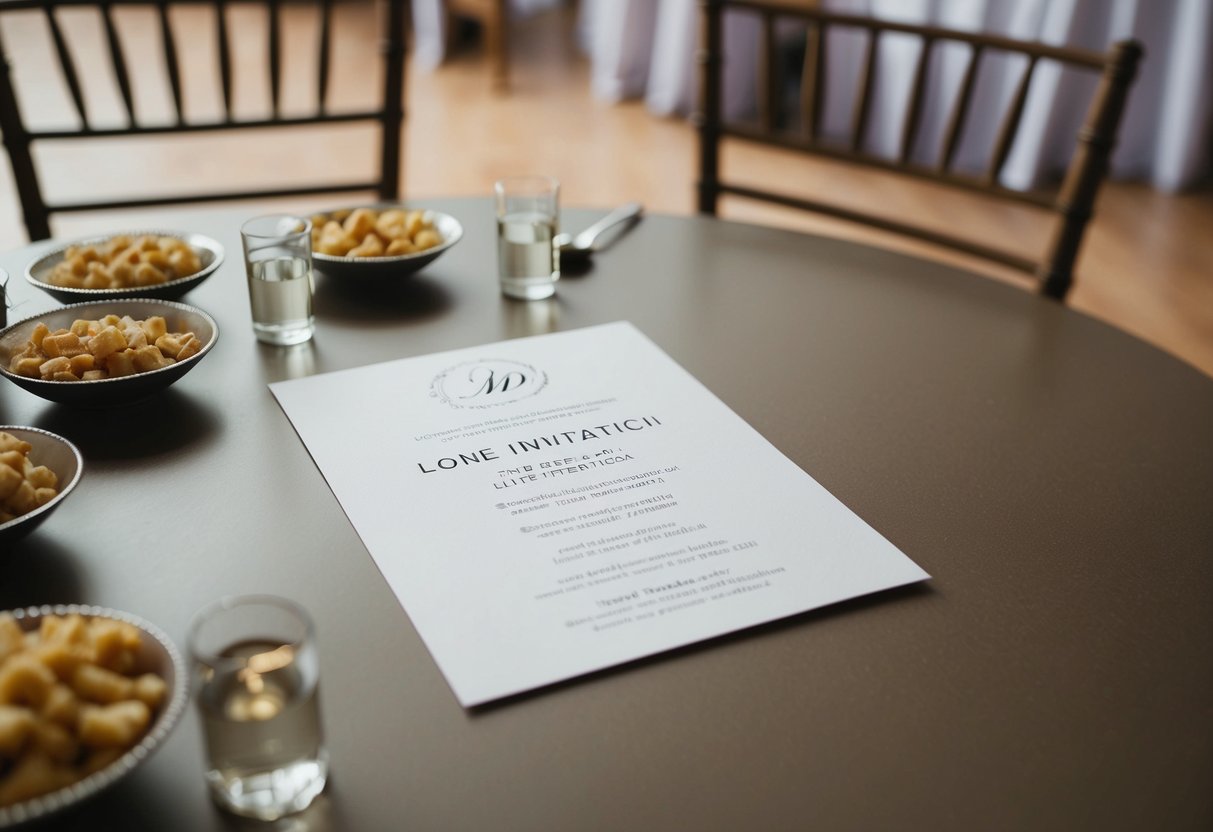
When planning future events, learning from past experiences can greatly enhance your preparation. Focus on drawing lessons from the situation and strategizing to ensure better RSVP rates next time. This approach can lead to smoother events and happier gatherings.
Incorporating Lessons Learned
Reflect on what went wrong when no one RSVPed to your invitation. Maybe the timing of your invite was off, or the method of communication wasn’t clear. Consider these points:
- Timing: Send invitations at least 3-4 weeks in advance for casual events and 6-8 weeks for weddings or large gatherings.
- Method: Use a mix of traditional party invitations and digital options. This allows you to reach more people.
Think about your guest list too. Did you invite close friends, or did you include those who might not feel as close? Building a guest list with meaningful connections can increase the likelihood of responses.
Improving RSVP Rates
To boost RSVP rates for future parties, make your invitations clear and engaging. Here are some tips to consider:
- Clear Instructions: Clearly state where and how to RSVP. Include a deadline to encourage timely responses. Mention the consequences of not responding, like limited seating for events such as weddings or baby showers.
- Follow Up: If you don’t hear back, send a friendly reminder a week before the RSVP deadline. A quick call or message is perfectly acceptable and can help clarify who will be attending.
With these strategies, you can create inviting atmospheres and anticipate guests’ needs better. Whether for a backyard barbecue or a birthday party, thoughtful planning can lead to a successful event.