
What to Include in a Wedding Planner: Essential Tips for Your Perfect Day
When you embark on the journey of wedding planning, a reliable wedding planner can make all the difference. Your wedding planner should include sections for your budget, guest list, and timelines to help you stay organized and focused. These elements are crucial for helping you tie the knot without feeling overwhelmed.
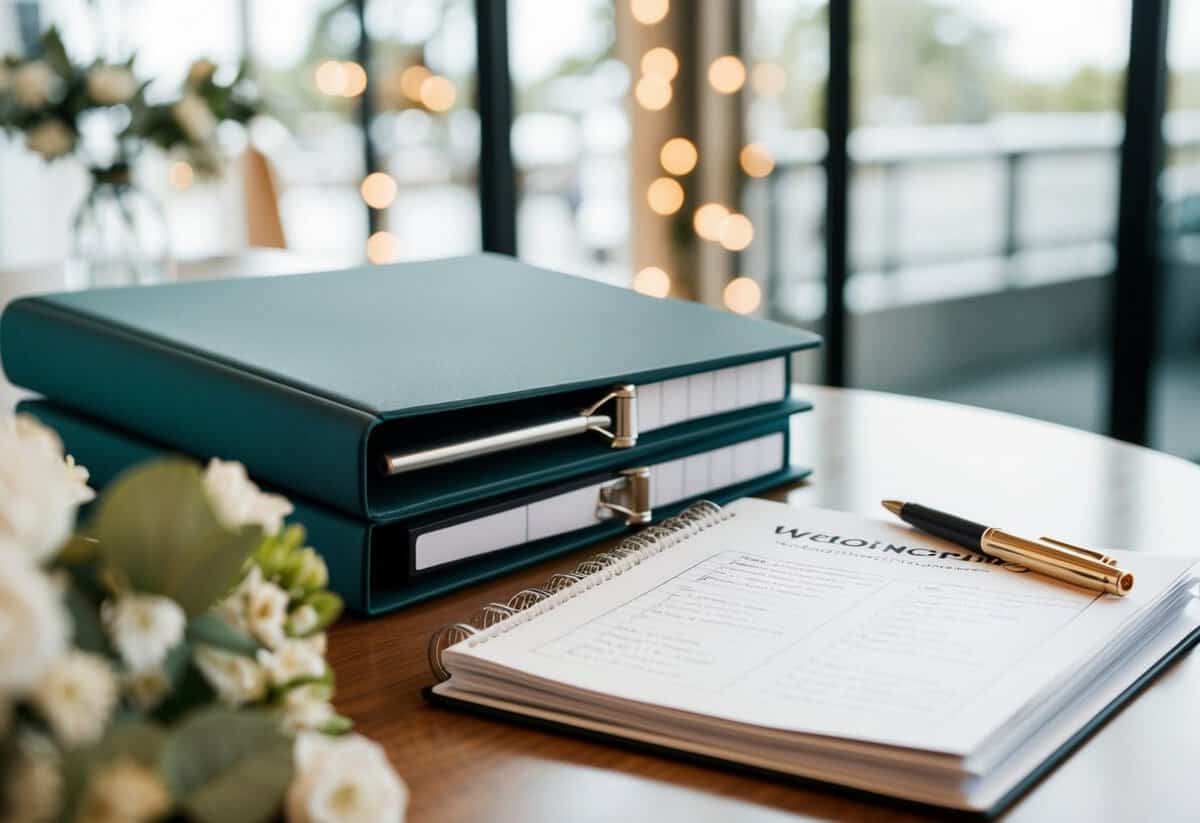
As you navigate through the many details of your big day, think about what will help you most. Include checklists, vendor contacts, and inspiration boards. This way, you’ll have a clear roadmap to follow as you prepare for your celebration.
Creating a well-structured wedding planner is not just about keeping things neat; it’s about making your planning experience enjoyable. With the right tools in place, you can focus on what truly matters—celebrating your love with family and friends.
Getting Started with Your Wedding Plans
Getting started with your wedding plans involves a few key steps. You need to focus on setting a clear budget, planning your guest list, and securing the perfect date and venue. Each decision will help shape your special day.
Setting Your Wedding Budget
Establishing a budget is one of the most important steps. Start by determining how much you can spend. This includes all costs related to the ceremony and reception, such as venue, catering, photography, and attire.
You can use a simple list to break down your budget:
- Venue Costs: Rental fees, deposits
- Catering: Food, drinks, service
- Attire: Wedding dress, suit, accessories
- Photography: Photographer fees, albums
- Extras: Flowers, decorations, entertainment
Be sure to include a little extra for unexpected expenses. This will help prevent stress later on.
Creating Your Guest List and Wedding Party Overview
Next, it’s time to create your guest list. A good list starts with a rough estimate of how many people you want to invite. Think about family, friends, and colleagues.
Consider how many guests your venue can accommodate. It’s a good idea to prioritize guests based on your relationships.
Also, don’t forget about your wedding party. Decide on the number of bridesmaids and groomsmen. Make sure the people you choose to stand by you can help you enjoy the day and assist in planning.
Selecting the Date and Securing the Venues
Choosing a wedding date is essential. Think about the season you prefer, and check for holidays or events in your area that might conflict.
Once you have a date, start looking at venues right away. Popular spots can book up quickly.
Consider both the ceremony and reception venues. Keep in mind the location details, capacity, and amenities. Make sure the venues fit your budget and vision. Always visit in person if possible.
Organizational Tools and Resources
Staying organized is key when planning a wedding. With the right tools and resources, you can keep track of everything from budgets to timelines. This section covers the essential organizational tools that can help you create a smooth planning experience.
Designing a Wedding Planner Book or Binder
Creating a wedding planner book or binder is a great way to keep everything in one place. Start with a sturdy binder or a pre-made wedding planner book.
Include sections for important topics like:
- Budget tracking
- Guest lists
- Vendor contacts
Use dividers for easy access. You can also add sheets for to-do lists and timelines. Consider using page protectors for contracts and receipts.
By organizing these materials, you’ll have everything you need at your fingertips.
Utilizing Checklists and Budget Trackers
Checklists are crucial for wedding planning. They help you keep track of tasks and ensure nothing is forgotten. If you create a checklist, break it into categories, such as:
- Venue selection
- Vendor bookings
- Final touches
Combine your checklists with a budget tracker. Use a simple spreadsheet or an app to monitor your expenses. Make sure to include all costs, like venue fees and catering.
Updating your budget regularly will help you stay within your limits and adjust as needed.
Leveraging a Wedding Website and Apps
Using a wedding website can simplify many tasks. It allows you to share important information with guests, such as dates, locations, and gift registries.
Additionally, consider using wedding planning apps to manage timelines and to-do lists. Apps like The Knot or WeddingWire offer helpful features like:
- Budget calculators
- Task reminders
- Vendor reviews
These tools help you stay focused and organized, reducing stress as your big day approaches. With everything online, you can easily update information and keep your guests informed.
Key Milestones and Pre-Wedding Events

Planning a wedding involves many important steps. This section highlights key milestones and pre-wedding events that you should consider to ensure everything goes smoothly and joyfully.
Applying for a Marriage License
Before you can tie the knot, you need to apply for a marriage license. This is a legal requirement in most places. Check with your local government for specific rules and documentation needed to get the license.
Typically, you will need to provide valid ID, proof of residency, and sometimes even a fee. Be sure to allow enough time for this process, as some jurisdictions have waiting periods.
Keep in mind that marriage licenses usually expire after a certain period. Confirm the duration so you can time your application effectively with your wedding date.
Hosting Engagement and Bridal Events
Engagement and bridal events offer you a chance to gather with friends and family. These celebrations help build excitement for the big day while creating lasting memories.
Popular events include:
- Engagement Party: Celebrate your engagement with loved ones.
- Bridal Shower: A chance for guests to shower you with gifts and love.
- Engagement Photos: Capture this special time with a fun photoshoot.
These gatherings should be included in your wedding timeline. Organize them early to give everyone enough notice. Make sure to send out invites and consider the venue and activities for each event.
Vendors and Final Details
As you prepare for your big day, coordinating with vendors and finalizing your wedding day itinerary are crucial steps. This will help ensure everything goes smoothly when the time comes.
Coordinating with Vendors and Tastings
It’s important to have clear communication with all your wedding vendors. Make a list of your key contacts, including the caterer, florist, and photographer. You should have their contact information easily accessible.
Schedule meetings and tastings to discuss your preferences. For example, arrange a cake tasting with your baker to select the perfect flavor. This not only builds strong vendor relations but also ensures that they understand your vision.
During these meetings, be clear about your expectations and ask any questions you might have. This is a great time to delegate tasks, such as what items you want the caterer to provide. Good vendor relations will lead to a more enjoyable wedding day.
Finalizing Wedding Day Itinerary and Responsibilities
Creating a detailed itinerary is essential for a stress-free wedding day. Outline the schedule, including when vendors arrive and when services begin.
Include wedding details such as the timeline for hair and makeup.
Make sure to assign responsibilities to trusted friends or family. For instance, delegate tasks like ensuring the cake is delivered on time or confirming the florist’s arrival.
Using a checklist to keep track of vendor commitments and payments is also helpful. Clearly define who is responsible for what to avoid any confusion on your wedding day. This will help everyone stay organized and make the day enjoyable for you and your guests.