
What to Include in a Wedding Planner: Essential Elements for a Smooth Planning Process
Planning a wedding can feel overwhelming, but having the right tools can make the process smoother and more enjoyable. A well-organized wedding planner is your best friend as you prepare to tie the knot. Essential sections to include are a budget tracker, a guest list, and checklists for vendors and timelines.
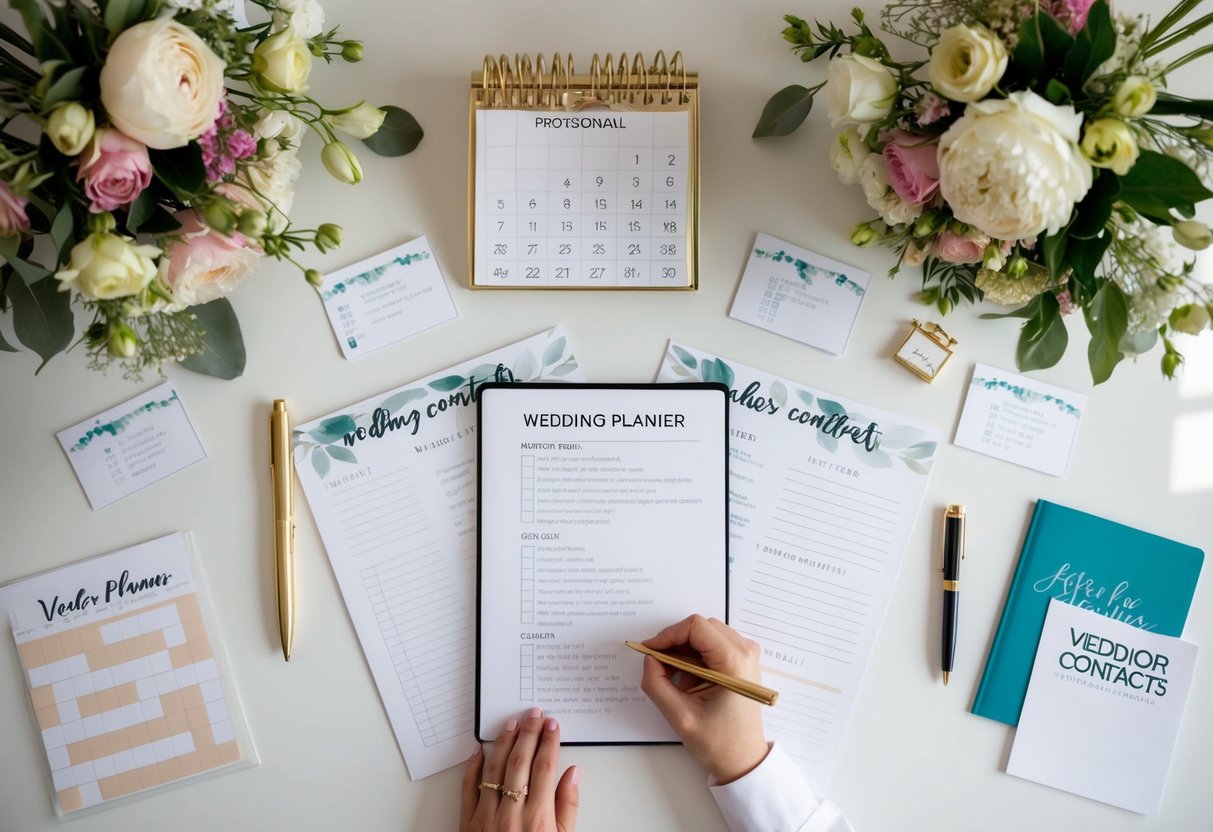
As you dive into wedding planning, keep track of your ideas and details to avoid last-minute stress. A binder or planner with clearly defined sections can help you manage everything from venue selection to floral arrangements.
By being organized, you can focus more on enjoying your special day rather than worrying about what’s next on your list.
Don’t underestimate the importance of personalization in your wedding planner. Include pages that reflect your style, preferences, and dreams for your big day. This will not only keep you organized but also remind you of all the beautiful moments leading up to your wedding day.
Getting Started with Wedding Planning
Wedding planning can feel overwhelming at first, but breaking it down into smaller steps makes it manageable. You will need to think about your vision, organize your materials, and create a budget that works for you.
Understanding Your Wedding Vision
Start by picturing what your dream wedding looks like. Think about the style, colors, and themes that resonate with you. It might help to browse through magazines or websites for inspiration.
You can create a mood board or save images on your phone to visualize your ideas.
Ask yourself questions like:
- What season do you prefer?
- Are you leaning towards a casual or formal setting?
- What kind of atmosphere do you want for your guests?
These details will guide your decisions as you plan.
Setting Up Your Wedding Planning Binder
A wedding planning binder helps you stay organized. Begin by choosing a binder that you love.
Use dividers to separate different sections like vendors, guest lists, and budget tracking.
In the vendor section, list potential florists, photographers, and caterers. Include contact details and notes from meetings.
You can also create a checklist of tasks to complete. Make sure to include a section for inspiration and ideas where you save pictures and articles.
This binder will be your go-to resource throughout the planning process.
Establishing a Realistic Wedding Budget
Creating a wedding budget is essential to avoid overspending.
Start by listing all possible expenses, like venues, catering, and attire. Use a budget tracker to monitor your costs.
Break your budget down into categories:
- Venue: 30%
- Catering: 25%
- Attire: 10%
- Photography: 15%
- Decor: 10%
Adjust these percentages based on your priorities. Always leave a little wiggle room for unexpected costs.
Having a clear budget will help you make decisions and reduce stress as you plan.
Organizing the Big Details
When planning your wedding, it’s crucial to focus on major elements that set the tone for your big day. Key areas involve choosing a venue, assembling your wedding party, crafting a guest list, and selecting reliable vendors to bring your vision to life.
Choosing the Perfect Wedding Venue
Finding the right wedding venue is one of the most important steps. Think about your style and wedding size. Do you want a cozy indoor space or a grand outdoor location?
Consider these key venue details:
- Capacity: Ensure it fits your guest list comfortably.
- Location: Choose somewhere convenient for most guests.
- Amenities: Check for facilities like restrooms, parking, and catering options.
Visit potential venues and ask for a tour. This helps you visualize the day as well as take notes on what you love or dislike. Always get vendor contact information for follow-ups too!
Curating Your Dream Wedding Party
Your wedding party will play a big role in making your day special. Start by choosing close friends and family. These should be people who support you and can help with planning.
Consider the number of bridesmaids and groomsmen based on your venue and guest size.
Here are some roles to fill:
- Maid of Honor: Helps with planning and organization.
- Best Man: Provides moral support and manages the rings.
- Flower Girl and Ring Bearer: Adds sweetness to your ceremony.
Having fun, unique ways to ask your friends to be part of your day can also make this process enjoyable.
Crafting a Comprehensive Guest List
Creating a guest list helps establish the overall feel of your wedding. Start with a rough list of everyone you wish to invite. This list can change, but having a base helps with venue selection and budgeting.
When preparing your guest list, consider:
- Family and Friends: Prioritize your close circles.
- Room for Plus-Ones: Decide if guests can bring a partner.
- Budget Impact: More guests typically means higher costs.
Keep track of your guest list details, including addresses for sending invitations. This organization will help streamline communication and avoid last-minute surprises.
Selecting Trusted Wedding Vendors
Choosing your wedding vendors is essential for a smooth event. Think about the key services you’ll need, such as catering, photography, and entertainment.
Key tips for selecting vendors include:
- Research: Read reviews and ask for recommendations.
- Contact Multiple Vendors: Get quotes to compare.
- Meet in Person: This helps gauge their personality and professionalism.
Compile a list with vendor contacts and details. Having this information organized will make reaching out much easier as your date approaches. Don’t hesitate to ask questions and express your vision to see if it’s a match.
Planning Your Wedding Timeline and Details
Organizing your wedding requires careful planning and attention to detail. Breaking down the process into manageable tasks will make it feel less overwhelming. Here are key areas to focus on for a smooth wedding planning experience.
Developing a Detailed Checklist and Timeline
Start by creating a comprehensive checklist that outlines all the tasks you need to complete. Use a wedding planner book or a digital document to keep everything organized.
Key items to include:
- 12 months before: Set a budget, choose a venue.
- 9 months before: Book vendors like photographers and florists.
- 6 months before: Send out save-the-dates, finalize guest list.
- 3 months before: Order invitations, plan the ceremony details.
A timeline helps ensure you stay on track. Having set deadlines can make tasks feel less daunting, allowing you to enjoy the journey.
Attending Vendor Meetings and Cake Tastings
Vendor meetings are essential for bringing your vision to life. Research vendors ahead of time to find the ones that align with your style and budget.
When attending meetings:
- Prepare questions about their experience, services, and pricing.
- Bring sample ideas or a mood board to share your vision.
Don’t skip cake tastings! This is a fun part of the process where you can try different flavors and designs. Be sure to communicate any dietary restrictions so your cake can cater to all guests.
Planning the Ceremony and Reception
Planning the ceremony and reception involves many details. Start with the ceremony. Think about the venue, décor, and order of events.
Important things to decide:
- Vows: Personalize them to reflect your love story.
- Music: Choose songs that will set the tone you want.
For the reception, consider the layout and theme. Will it be formal or casual?
Key elements include:
- Seating arrangements to encourage mingling.
- Food and drinks, whether it’s a sit-down meal or a buffet.
- Entertainment options like a live band or a DJ to keep the energy up.
Finalizing Wedding Attire and Fittings
Your wedding attire is one of the most exciting parts of planning. Begin by researching styles that flatter you.
When you find the right dresses or suits, schedule fittings to ensure everything fits perfectly. You should also bring along friends or family for support during fittings.
Don’t forget to consider accessories like shoes, jewelry, and veils. These details can transform your look.
Allow time to make any adjustments before the big day so you feel your best when you walk down the aisle.
With these steps, you can navigate wedding planning with confidence!