
What to Write in RSVP? Tips for a Thoughtful Response
When you receive an RSVP for a formal event like a wedding, it’s important to respond thoughtfully. What you write in your RSVP card matters, as it helps the hosts plan for food, seating, and overall attendance.
You should start by clearly stating whether you will attend. If there’s space, consider adding a personal message to show your appreciation for the invitation.
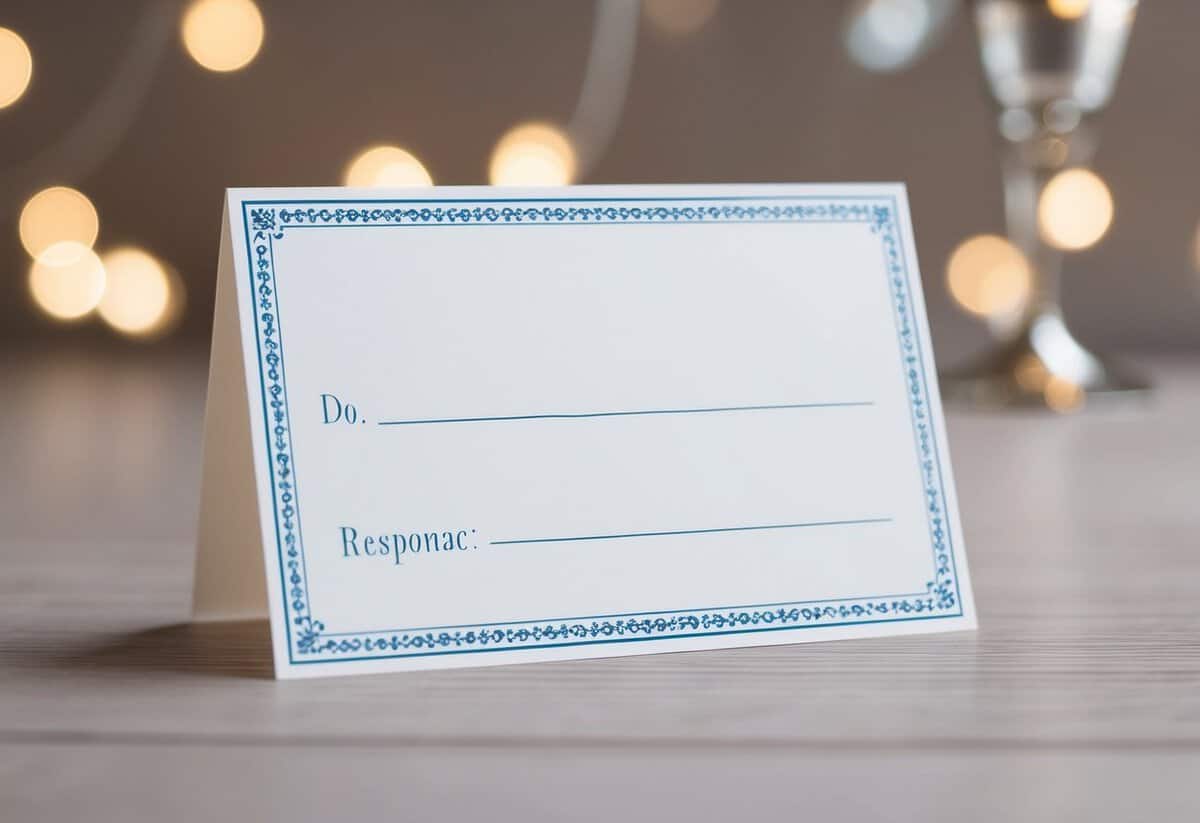
For wedding planning, it’s helpful to pay attention to the details provided on the RSVP card. If you can bring a guest, be sure to indicate their name. Mention your meal preference if it’s asked for. This ensures your hosts have all the necessary information to make your experience enjoyable.
Responding promptly is also key. Aim to send your RSVP back by the date given, showing respect for the hosts’ planning efforts. This simple act can help ease the stress that comes with organizing a large event.
Understanding RSVP and Its Importance
RSVP is a key part of event planning, especially for formal events like weddings. Understanding its purpose helps you respond appropriately and ensures the host can plan effectively. Here’s a closer look at the basics and the importance of responding promptly.
The Basics of RSVP
RSVP stands for the French phrase “Répondez, s’il vous plaît,” meaning “Please respond.” It’s a polite request from the host for you to confirm your attendance.
When you receive a wedding invitation with an RSVP, it’s crucial to check for details like the RSVP deadline. This helps the couple plan seating and meals.
Your response, whether it’s “yes” or “no,” should reflect your intentions clearly. Formal events often have specific formats, such as response cards. Be sure to follow any instructions included for your reply.
Why Prompt Responses Matter
Responding promptly to an RSVP is important for several reasons. First, it helps the host manage their guest list. Knowing how many people will attend allows for proper seating and catering arrangements.
If you wait too long, it can create confusion. If a guest doesn’t respond quickly, the host may reserve a spot for you unnecessarily.
Practicing proper etiquette means being respectful of the host’s time and planning efforts. By replying before the deadline, you contribute to a smoother event experience for everyone involved. Plus, it shows appreciation for the invitation you received.
Components of an RSVP Card

Creating an RSVP card requires attention to detail. You want to make sure your guests have all the information they need to respond correctly. Here are some important components to focus on.
Key Information to Include
When crafting your RSVP card, include essential details like the event date, your names, and the location.
Clearly state the options for attendance, such as “Will Attend” or “Cannot Attend.” You might also want to provide a space for guests to write their names. This ensures proper identification.
Adding a deadline for responses is very important too. It helps you plan effectively. Lastly, consider including meal choices if you’re offering different options. This gives guests a chance to specify their preferences, making it easier for you to finalize catering plans.
Choosing the Right Style and Design
Your RSVP card should match the style of your wedding invitation suite. Whether you’re going for a formal or casual look, the design should reflect that. Use fonts and colors that are consistent with your overall theme.
If it’s a beach wedding, playful designs or bright colors might work well. For a formal event, elegant fonts and muted tones can set the right mood.
Consider using high-quality paper to enhance the tactile experience. An inviting texture can make your guests feel special when handling your response card. You want your RSVP cards to feel as lovely as the occasion you’re celebrating.
Adding a Personal Touch
Personalizing your RSVP card can make it even more special for your guests. Small details can enhance the experience. For instance, you could include a fun line about why you are excited about the event.
You might also add a section for guests to share any dietary restrictions or special requests. This shows you care about their comfort.
Handwritten elements, like your names or a short message, can create a warm feel. Think about including a small illustration that relates to your wedding theme. These personal touches help your RSVP card stand out and reflect your unique celebration.
Crafting the Perfect RSVP Wording
Creating the right wording for your RSVP is essential for setting the tone of your event. You want your guests to understand whether the occasion is formal or casual. Additionally, addressing the dress code clearly helps your guests know how to prepare.
Formal vs. Casual Wording Examples
When using formal RSVP wording, clarity and politeness are key. You might say, “We request the honor of your presence at the wedding of [Names] on [Date and Time].” This sets a respectful tone.
For casual events, you can take a more relaxed approach. For instance, “Join us for a fun celebration as we tie the knot!” or “We can’t wait to celebrate together!” This makes it clear that the gathering is less traditional.
Remember to provide space for guests to write their names and indicate whether they will attend. A simple line like “___ will attend” works well.
How to Address the Dress Code
Clearly stating the dress code in your RSVP is important for guiding your guests. A formal attire request might sound like, “Black tie preferred” or “Formal attire required.” This helps your guests dress accordingly.
For a more relaxed dress code, you can say, “Dressy casual” or “Come as you are!” This invites your guests to feel comfortable while still looking nice.
It’s a good idea to include examples if your dress code is ambiguous. You might say, “For formal events, think evening gowns for ladies and suits for gentlemen.” For casual events, you could specify, “Nice jeans and a nice shirt will work!” This provides clarity and ensures everyone feels prepared.
Managing RSVPs and Guest Responses
Tracking your RSVPs and responding to guest needs are essential parts of event planning. This helps ensure everything goes smoothly and that all guests feel welcomed and valued. Below are some key points on how to manage responses effectively.
Keeping Track of Incoming Replies
When you send out your invitations, whether it’s through traditional wedding RSVP cards or an e-vite, it’s vital to keep a list of responses. This list helps you manage seating arrangements and catering needs.
Use a simple spreadsheet or RSVP management software to record responses. Include columns for guest names, dietary preferences, and any additional notes. This helps you stay organized.
If you haven’t received replies by the RSVP deadline, it’s perfectly fine to follow up with guests politely. A quick text or email can remind them to please reply.
Handling Special Requests and Dietary Restrictions
You might get some special requests or dietary restrictions from your guests. It’s important to handle these with care to ensure everyone feels comfortable at the event.
When sending out invites, include a section for guests to specify any dietary needs. This could be allergies or preferences, such as vegan or gluten-free options.
Review these requests as you finalize your menu and communicate any changes to your caterer. Ensuring that all guests have something suitable to eat reflects good etiquette and consideration.
Following Up with Guests
Not all guests respond immediately. Following up shows you care and value their presence.
After the RSVP deadline, check in with those who haven’t replied yet. A friendly reminder could be sent via email or a quick phone call.
Let them know their presence is important to you.
For family reunions or larger events, grouping guests by families can make follow-ups easier. Always keep the tone light and friendly to encourage a positive response.