
What Wedding Flowers Does the Groom Pay For? A Simple Guide to Floral Responsibilities
When planning your wedding, you need to know who pays for what, especially regarding flowers. Traditionally, the groom’s family is responsible for paying for the personal flowers used in the ceremony. This includes the bride’s bouquet, boutonnieres for the groomsmen, and corsages for the mothers and grandmothers. Understanding this tradition can help you navigate the discussions about financial responsibility without any confusion.
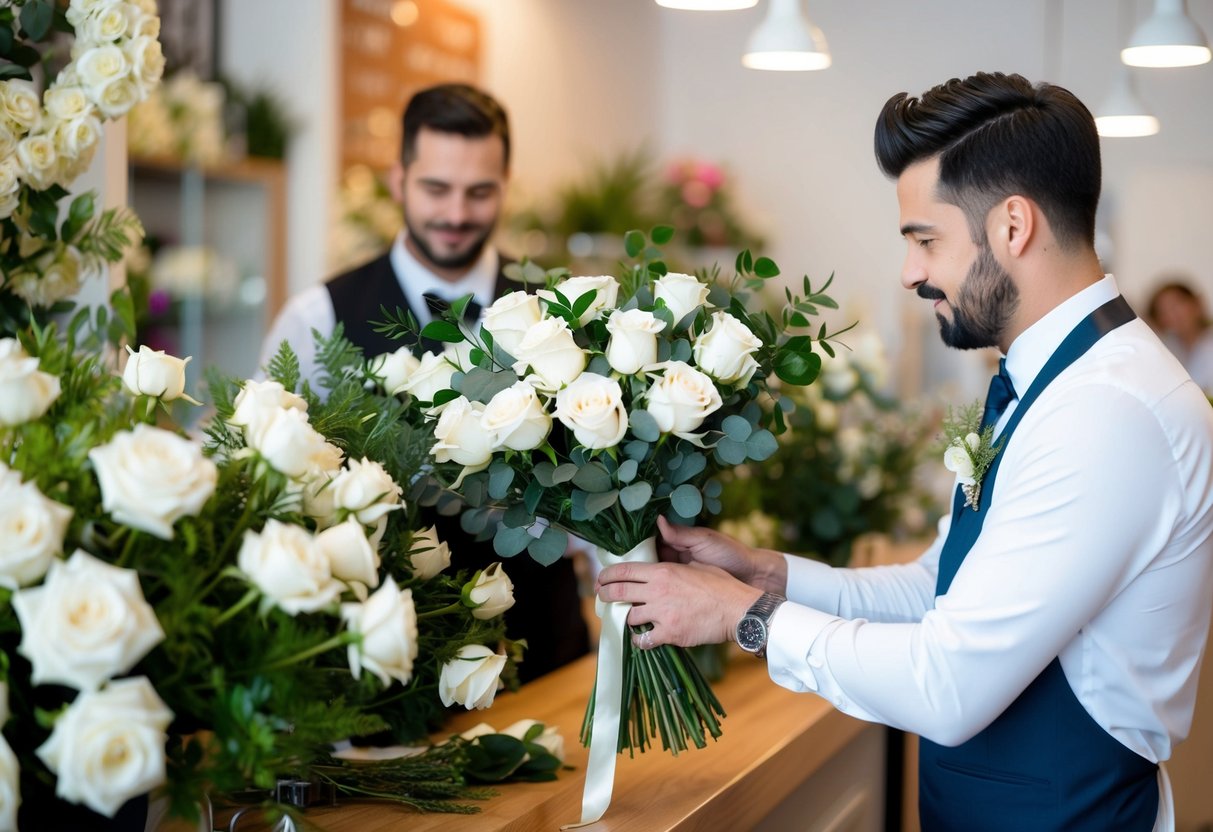
Many couples today are choosing to share costs more equally with their families, which can change some of the traditional roles. Whether you stick to custom or decide to split the expenses, it’s essential to communicate clearly with everyone involved. This will ensure that both families feel valued and that there are no misunderstandings.
As you prepare for your big day, knowing the details of wedding etiquette around flowers can make a significant difference. It helps you keep the focus on what really matters: celebrating your love with family and friends.
Groom’s Financial Responsibilities
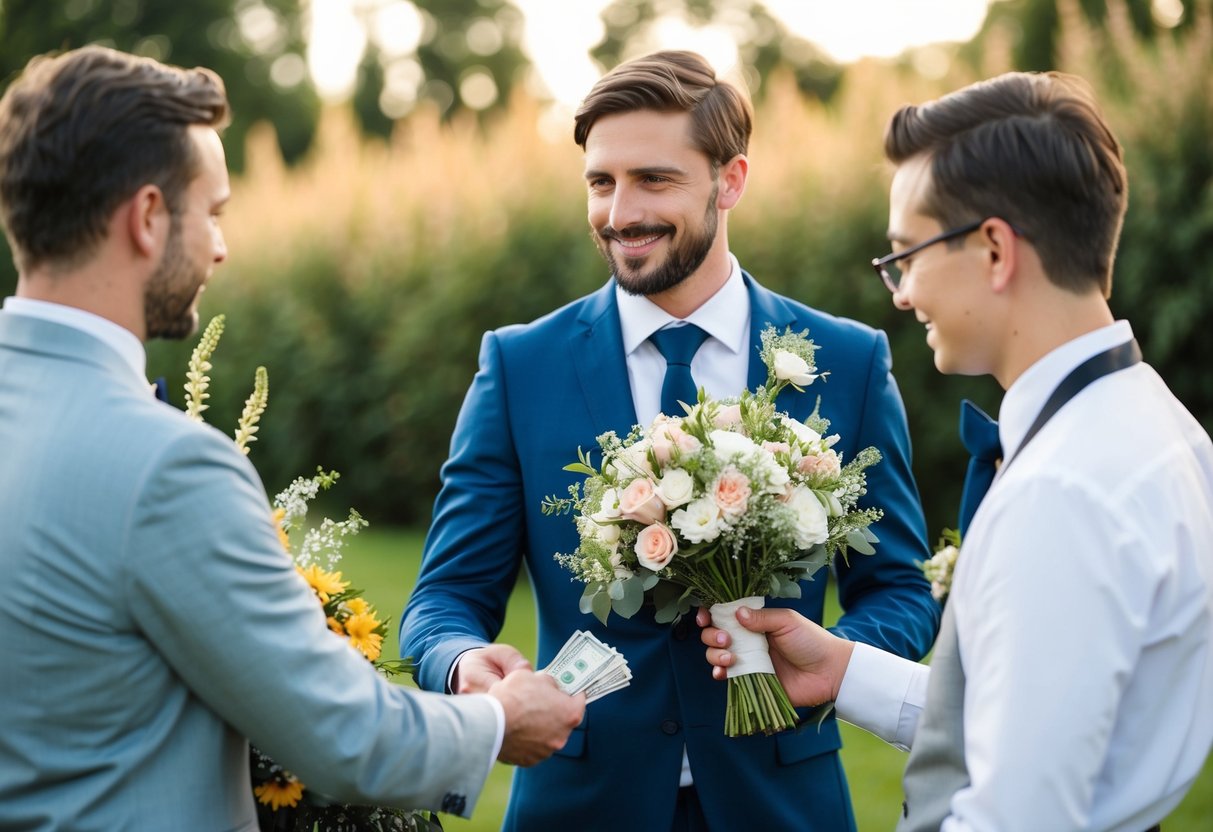
When planning a wedding, it’s important to know what the groom typically pays for. This section breaks down the main financial responsibilities for the groom, especially regarding wedding flowers and other related costs.
The Basics of Wedding Flower Expenses
Typically, the groom’s family is responsible for certain floral expenses in a wedding. This includes personal flowers such as the bride’s bouquet, boutonnieres for the groomsmen, and corsages for important family members like mothers and grandmothers.
You should also consider other floral decorations, which might not always fall under the groom’s budget. It’s a good idea to communicate with the bride and her family to clarify who is responsible for what. Transparency helps ensure everyone is on the same page regarding expenses and avoids confusion later.
Traditional Costs Covered by the Groom
Tradition often assigns specific expenses to the groom and his family. Common costs include the bride’s bouquet, groomsmen’s boutonnieres, and corsages for mothers and grandmothers. These items are essential for the ceremony and enhance the overall wedding aesthetic.
Additionally, the groom frequently pays for his own attire and any gifts for the groomsmen. These gifts can include items like personalized cufflinks or custom ties, which show appreciation for their support. The marriage license can also fall under his responsibilities, depending on the couple’s approach to budgeting for the wedding.
Understanding the Groom’s Family Contributions
The groom’s family plays a significant role in covering wedding expenses. Along with flowers, they may also contribute to costs related to the rehearsal dinner and other events leading up to the wedding.
It’s crucial to discuss these contributions with both families involved. This dialogue helps clarify financial expectations and ensures each party understands their responsibilities. Establishing a clear plan can ease any potential stress during wedding planning, allowing you to focus on creating memorable moments for your special day.
Wedding Ceremony and Reception Flowers
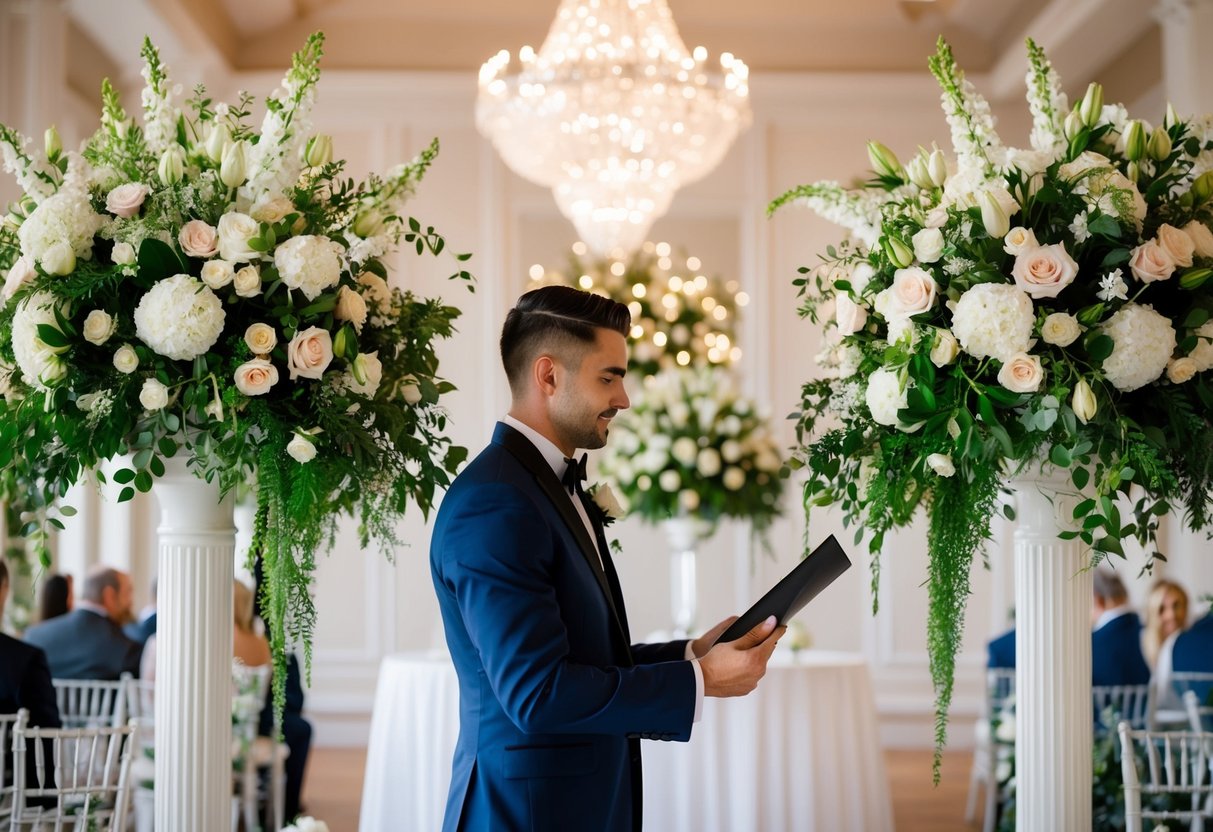
When planning your wedding, understanding the specific flowers your family pays for can ease your budget planning. The groom’s family often has responsibilities that include ceremony flowers, reception decor, and special arrangements for the wedding party.
Ceremony Flowers
During the ceremony, the groom’s family typically pays for important floral elements. This includes the bride’s bouquet, which is a central piece, and boutonnieres for groomsmen and ushers.
Corsages for mothers and grandmothers are also included. It’s a nice gesture to honor family members with these floral pieces. You can choose seasonal flowers to help save on costs and ensure freshness on your big day.
Reception Decor and Floral Arrangements
At the reception, the groom’s family might help with flowers that enhance the decor. This includes centerpieces for guest tables and floral arrangements displayed around the venue.
You can go for elegant alternatives, like simple clusters of flowers or greenery, which can be less expensive yet beautiful. Remember, these flowers set the mood, so pick colors and types that reflect your wedding theme.
Special Flower Considerations for the Wedding Party
The wedding party often requires additional floral considerations. Besides boutonnieres, you might want to think about flower arrangements for the officiant and flower girl.
A small bouquet for the flower girl adds charm. Choose flowers that reflect the main wedding colors and themes.
These details, while small, can create a cohesive look that ties everything together at both the ceremony and reception.
Budgeting and Planning Wedding Flowers
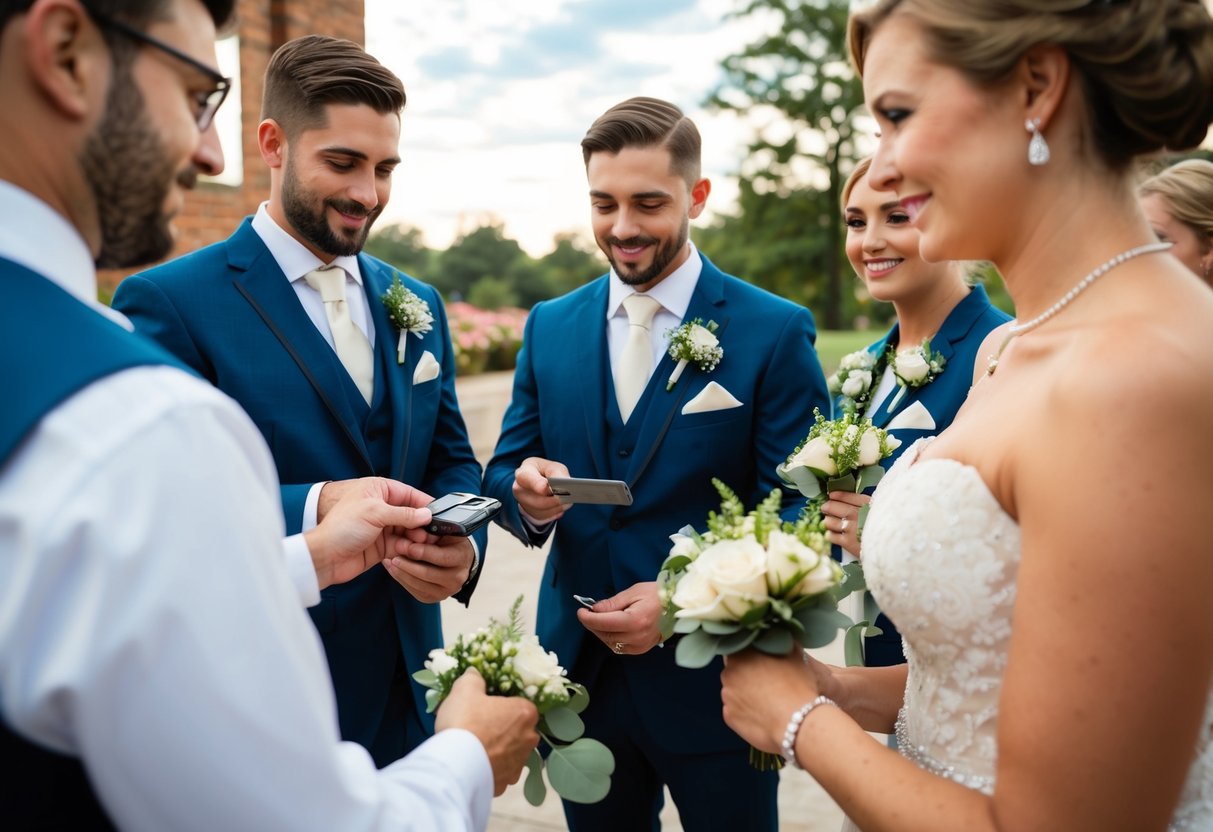
Managing the costs of wedding flowers is a key part of your wedding planning journey. By creating a clear budget and exploring ways to reduce expenses, you can ensure the flowers enhance your special day without breaking the bank.
Creating a Wedding Flower Budget
Start by setting a specific budget for wedding flowers. This should be part of your wedding budget that you discuss with both families. Traditionally, the groom’s family may cover certain floral costs, such as the bride’s bouquet and boutonnieres.
To begin, list all the floral elements you want. Common items include:
- Bridal bouquet
- Bridesmaids’ bouquets
- Boutonnieres for the groom’s party
- Ceremony arrangements
Once you have a list, estimate costs for each item. You can get quotes from several florists to compare prices. Also, consider how much each family is willing to contribute. Open communication about financial obligations helps ensure everyone is on the same page.
Strategies for Reducing Flower Expenses
There are several creative ways to save money on wedding flowers. First, consider seasonal blooms. Flowers that are in season generally cost less and look fresher.
Second, think about your arrangements. Simple designs often cost less than elaborate ones. You can opt for fewer flowers but still achieve a beautiful look.
Consider DIY options for smaller items like centerpieces or boutonnieres. Many couples find joy in crafting these pieces together.
You might also look into renting flowers or using artificial options. These alternatives can save money while still delivering the beauty you desire.
Lastly, prioritize your floral needs. Focus on the areas that will be most visible, like the bridal bouquet and ceremonial flowers, to get the most impact for your budget.
Modern Etiquette and Changing Traditions
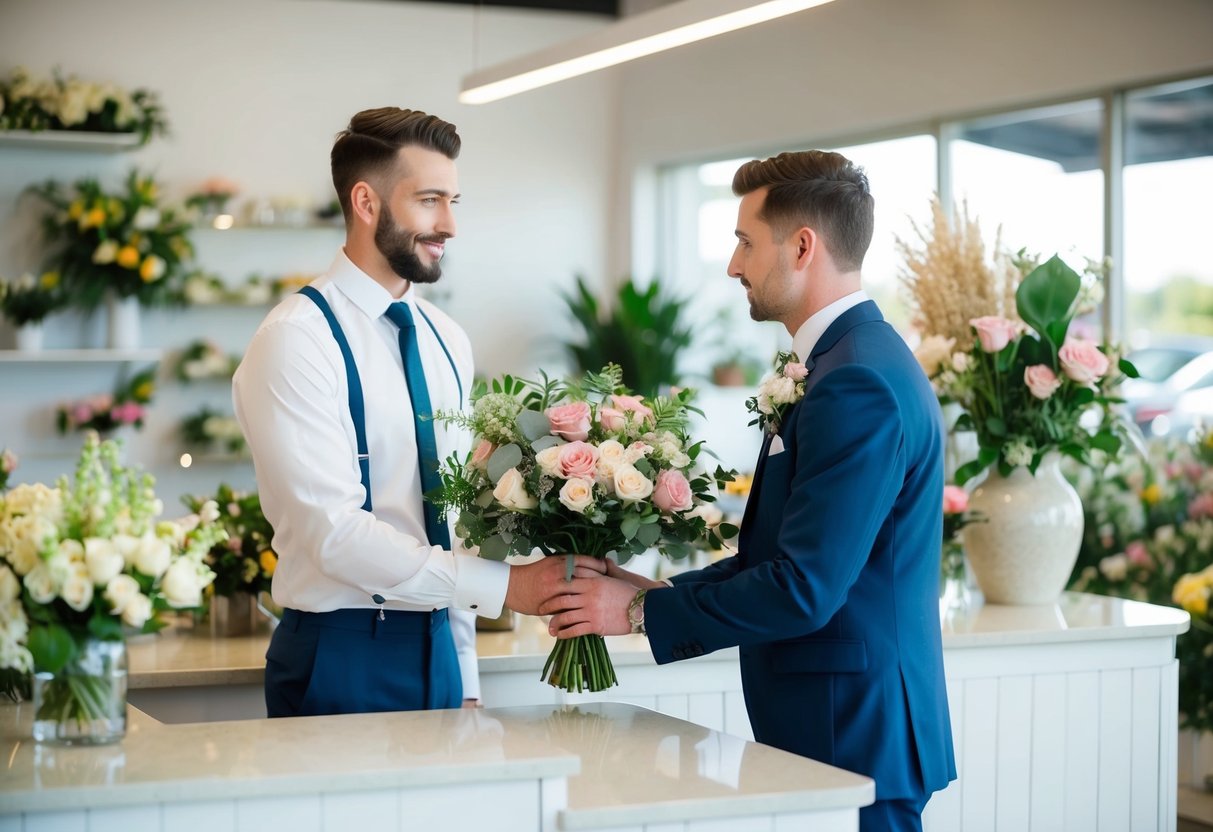
Wedding planning today is an exciting mix of old customs and fresh ideas. As couples look to personalize their big day, understanding how flower costs are shared can enhance the experience. Here’s how traditions are adapting to modern preferences.
Adapting Old Traditions to Contemporary Weddings
Traditional wedding etiquette often places specific responsibilities on each family. For instance, the groom’s family may traditionally cover personal flowers like the bride’s bouquet and boutonnieres.
However, many couples are now tweaking these roles. You might choose to split costs or cover certain expenses together. This shift allows for greater flexibility, meaning you can create a budget that reflects your unique relationship.
Emily Post offered guidance on wedding etiquette, focusing on clarity and communication. Families can benefit from discussing expectations early to ensure shared responsibilities are clear. You might find that this approach not only eases financial stress but also strengthens family bonds.
New Trends in Wedding Flower Responsibilities
As weddings evolve, responsibilities surrounding flowers are also changing. Couples are now taking charge of wedding expenses. The modern bride and groom often prefer to manage costs together.
In many cases, you and your partner might decide to both contribute to floral arrangements. This trend often includes input from the parents, allowing for collaboration. Your choices can reflect your shared taste rather than adhering strictly to traditional roles.
The mother of the groom might also be involved for personal touches, emphasizing a partnership approach. Leaving behind rigid traditions allows for a more personalized wedding, making your special day even more meaningful.