
What Words Have to Be Said at a Wedding? A Guide to Vows and Ceremonial Phrases
When planning your wedding ceremony, you might wonder what words have to be said to make your marriage official. The key components include a clear expression of intent from both partners and the officiant’s pronouncement of marriage. These phrases create a foundation for your commitment and love in front of friends and family.
The ceremony itself is a beautiful celebration of your union. It often involves heartfelt vows that you exchange, showing your promises to each other. Including special readings or personal touches can make the day even more memorable and meaningful.
As you prepare for this important moment, knowing the essential words can help ease your mind. Embracing the significance of these statements will not only connect you with your partner but also create lasting memories for everyone in attendance.
The Fundamentals of a Wedding Ceremony
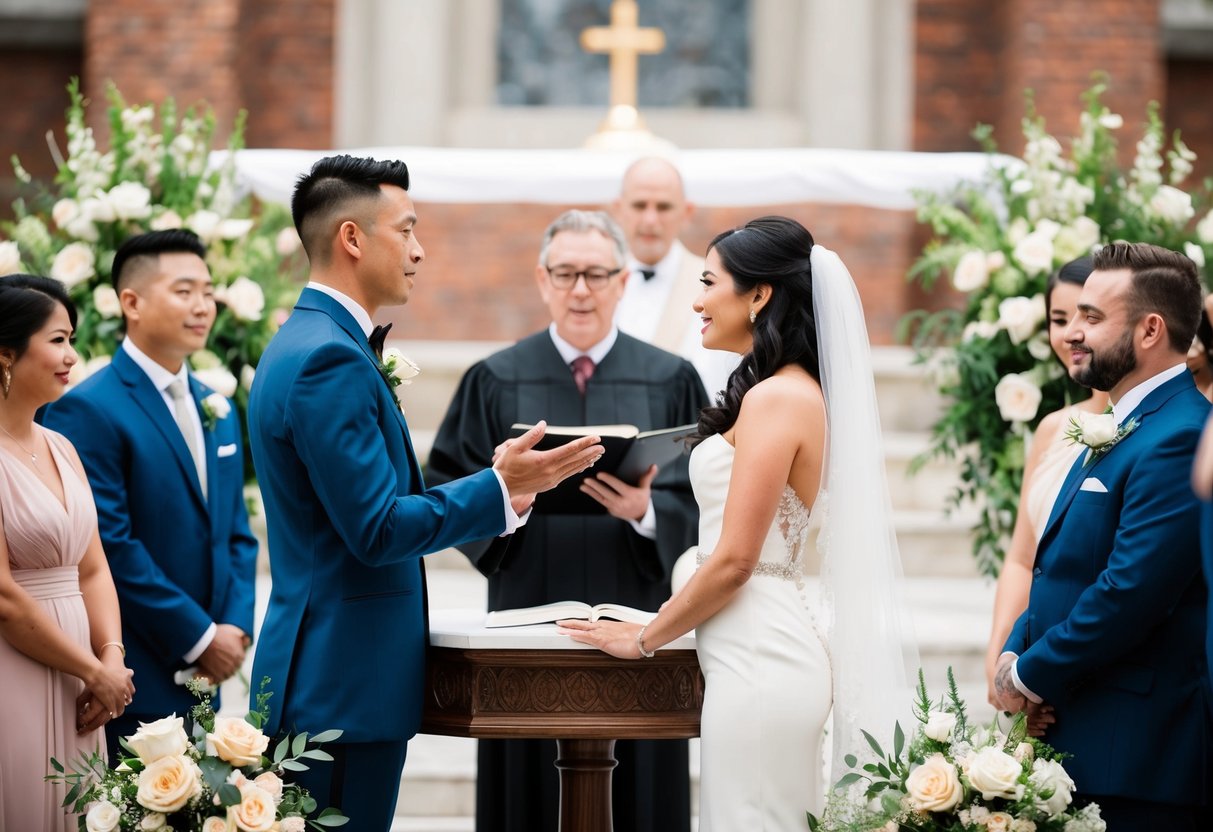
A wedding ceremony is a structured event that marks the union of two people. Understanding key elements helps you appreciate the significance behind what is said and done during this special occasion.
The Role of the Officiant
The officiant plays a vital role in a wedding ceremony. Whether a minister, priest, celebrant, or a friend, the officiant leads the event. This person is responsible for guiding the couple through the ceremony script.
You can expect the officiant to introduce the ceremony and share meaningful words about love and commitment. They facilitate the declaration of intent, where you affirm your desire to marry. This moment is crucial as it sets the tone for the vows that follow.
Many couples choose between a religious wedding ceremony or a non-religious wedding ceremony. In both cases, the officiant tailors the script to reflect the couple’s beliefs and values, ensuring a personal touch.
Understanding the Ceremony Script
The ceremony script outlines everything that will happen during the event. It includes introductions, readings, exchange of vows, and the ring ceremony. This script guides the officiant and the couple, making the flow smooth.
For a civil ceremony, the script is usually more straightforward and less formal. In contrast, a traditional religious ceremony script may include prayers and blessings. You can find many resources online that offer sample scripts to help you customize your own.
Familiarizing yourself with the script can ease nerves on your big day. It allows you to focus on the meanings behind each part, enhancing your emotional connection to the ceremony.
Significance of the Processional and Recessional
The processional marks the start of the wedding ceremony. During this time, you walk down the aisle, often accompanied by music. This moment is filled with anticipation and symbolizes your entrance into a new chapter of life.
The recessional happens right after the vows have been exchanged. This is the joyful exit of the married couple, often greeted with cheers from guests. These rituals underscore the transition from single life to marriage.
Both the processional and recessional are important moments that highlight your commitment. They set the emotional tone for the entire ceremony and create lasting memories for everyone involved.
Key Elements and Traditions
In a wedding ceremony, certain elements create a meaningful experience for couples and their guests. The exchange of vows and rings holds deep significance, while special ceremonies and music add personal touches that make the day memorable.
Exchange of Vows and Rings
The exchange of vows is a heartfelt moment in your ceremony. It’s when you express your love and commitment to each other. You can write your own vows or use traditional ones. Make sure they reflect your feelings.
Following the vows, the ring exchange symbolizes the commitment you are making. As you place the rings on each other’s fingers, say a few words about what the rings represent. Common phrases include “with this ring, I thee wed.” This is a powerful part of your vows that seals the promises you made.
Special Ceremonies within the Wedding
Many couples choose to include special ceremonies that are meaningful to them. A popular example is the unity ceremony, where you might combine sand or light a candle together. This act symbolizes your coming together as one.
Another option is a blessing from family or friends. This can add emotional depth to your ceremony. You might also incorporate traditions from your culture or religion that are significant to your relationship.
Incorporating Music and Readings
Music plays a big role in setting the mood during your wedding. Choose songs that are special to both of you for different parts of the ceremony. For example, you might select a favorite song to play during the processional or during the signing of the register.
Readings also enhance your ceremony. These can be from literature, poetry, or religious texts. Invite family members or friends to deliver them. This makes your ceremony more personal and connects your guests to your story. Consider what resonates with you as a couple to create a warm atmosphere.
Logistics and Participants
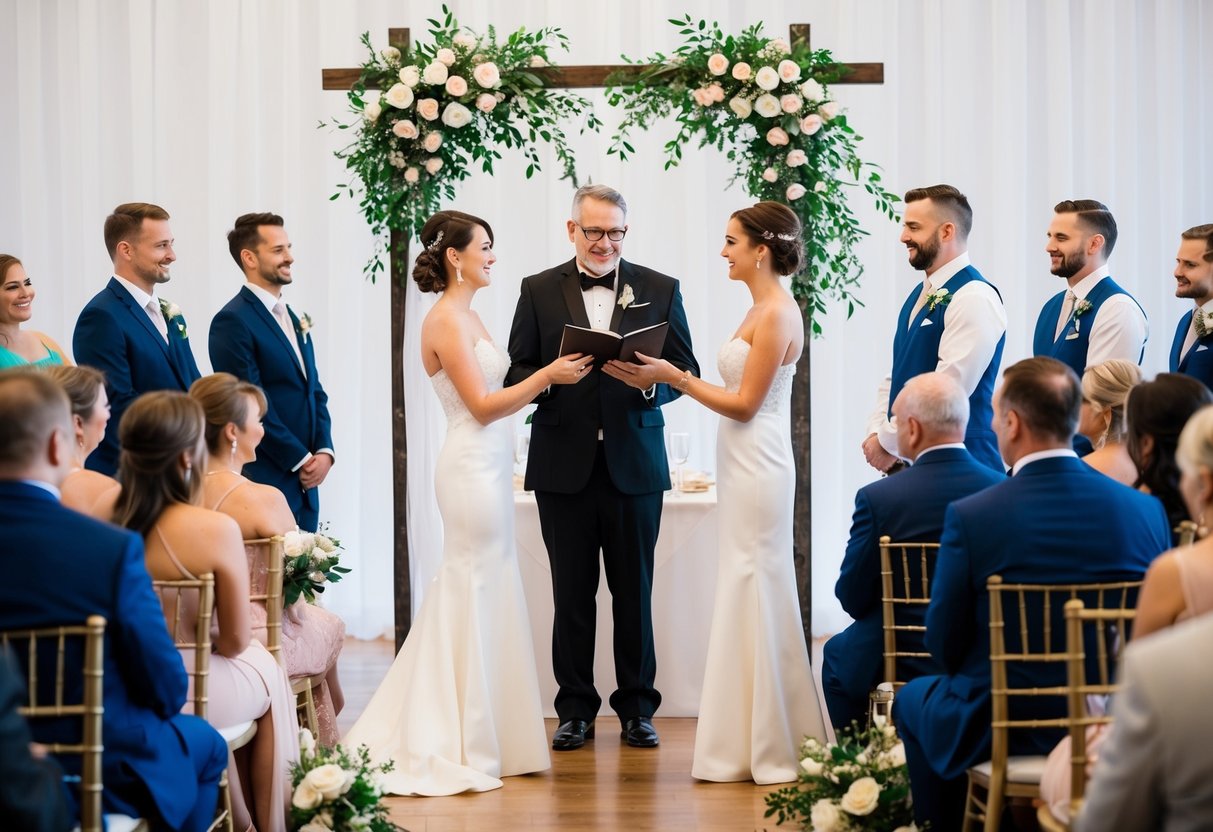
Planning a wedding involves various logistics and the active participation of several key individuals. Understanding their roles can help create a smooth, memorable day for everyone involved.
Wedding Party Responsibilities
Your wedding party plays a crucial role in your special day. Each member has distinct responsibilities to support you. The maid of honor helps the bride with planning and emotional support. The best man does the same for the groom, often handling the rings and making a toast.
Bridesmaids assist with preparations and guest management. The flower girl and ring bearer add charm to the ceremony, walking down the aisle and presenting essentials. Clear communication about roles helps ensure everyone knows what to do and when.
Selecting the Venue and Setting the Scene
Choosing the right venue is essential for your wedding’s success. Consider the altar location, seating arrangements, and any available amenities. You want a space that reflects your style and accommodates your guest list.
Think about how the venue can enhance the atmosphere. Will it be indoors or outdoors? Will you need to provide invitations and place cards for seating? Visit the venue multiple times to visualize the flow of the ceremony and reception.
Building the Guest Experience
Your guests deserve an enjoyable experience. Start with an organized guest list to keep track of everyone attending. This will guide your decisions on seating and catering.
Once you have invitations sent out, think about the reception’s layout. Ensure there is enough space for mingling, dining, and dancing. Good logistics, like food service and transitioning from the ceremony to the reception, make a big difference. These details contribute to a fun and seamless experience for your loved ones.
Concluding the Ceremony
Concluding the wedding ceremony is a special moment filled with joy and anticipation. It marks the transition of the couple from being engaged to becoming newlyweds, which sets the tone for the celebrations to follow.
The Pronouncement and First Kiss
The officiant will say the crucial words that pronounce you and your partner as a married couple. This moment usually includes phrases like, “By the power vested in me, I now pronounce you husband and wife.”
After the pronouncement, the officiant invites you to share your first kiss. This is a significant and emotional moment, celebrated with cheers from your guests. It symbolizes the start of your life together.
Transitioning to the Reception
Once the kiss is shared, the celebrant often introduces you as a newlywed couple. This announcement is a cue for everyone to celebrate.
As you walk down the aisle together for the first time as a married pair, guests will excitedly gather to greet you. Some weddings include fun elements like an open bar and the cutting of the wedding cake right after the ceremony. This creates a lively atmosphere, making your entry into the reception memorable.