
What Words Must Legally Be Said at a Wedding? A Guide to Your Ceremony’s Essential Phrases
When planning your wedding ceremony, you might wonder about the exact words that need to be spoken to make your marriage legal. A few key phrases are essential for a valid ceremony, even though you don’t need a specific script. These include making your Declaration of Intent, where you affirm your choice to marry, and having the officiant pronounce you married.
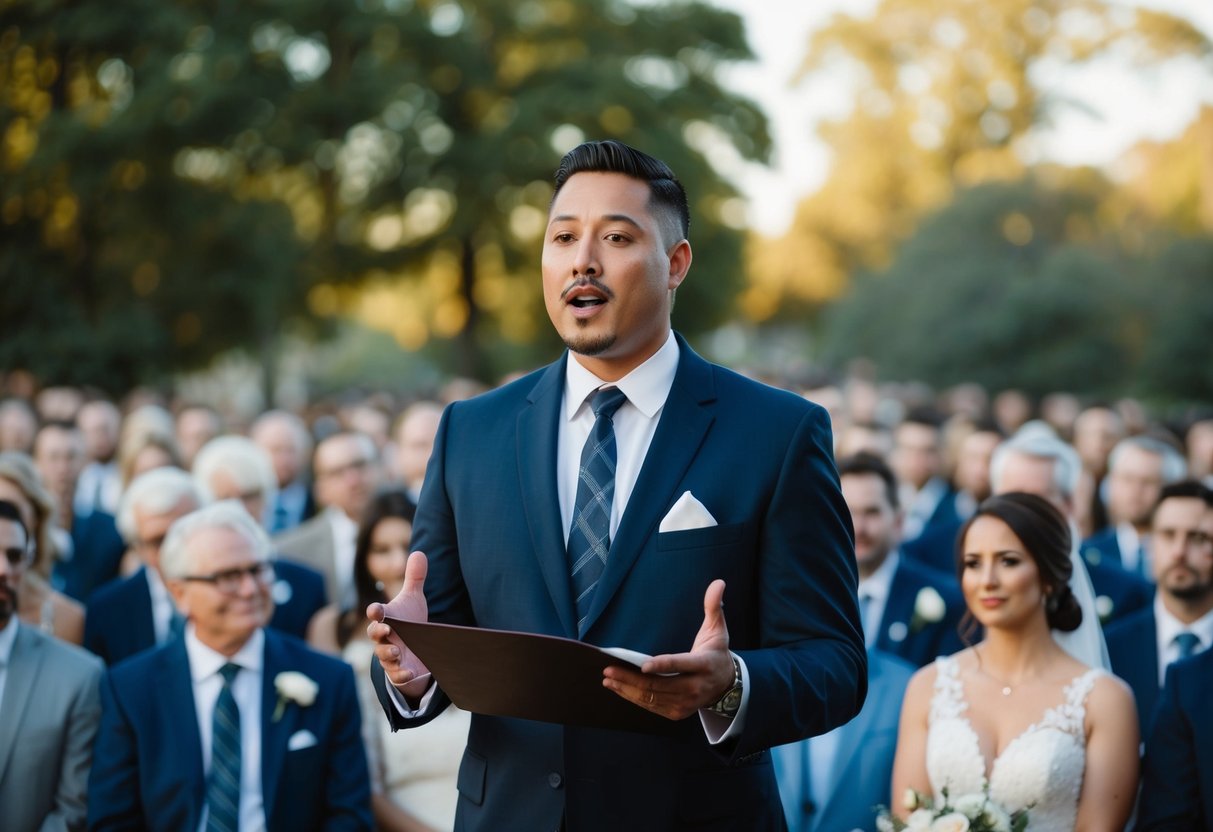
While love and personal vows capture the essence of your commitment, there are legal components that must be included. Each state has its own requirements, but generally, the officiant’s words confirming your marriage are necessary to finalize the legal aspect of your union.
Engaging with these elements not only fulfills the legal requirements but also enhances the meaningful moments of your ceremony.
Understanding what needs to be said can help you focus on what truly matters—celebrating your love and starting your journey together in marriage. Knowing the legal wording can make the planning process smoother and let you enjoy this special day even more.
Legal Requirements for Wedding Ceremonies
When planning your wedding, it’s important to know the legal requirements to make your ceremony valid. Key components include the officiant’s role, the declaration of intent, the exchange of vows, and handling the marriage license.
The Role of the Officiant
Your officiant plays a key role in your wedding. This person must be an authorized official recognized by your state to perform ceremonies. It could be a clergy member, a judge, or a professional officiant.
They are responsible for guiding the ceremony and ensuring all legal requirements are met. The officiant must pronounce you married at the end of the ceremony. Their signature on the marriage license is also essential for it to be valid.
Declaration of Intent and Exchange of Vows
One of the main parts of any wedding is your declaration of intent. You and your partner will need to clearly state your willingness to marry. This can be done through specific wording, but it doesn’t have to be strict.
Next comes the exchange of vows. This is your chance to express your love and commitment. While there are no legally required words, your vows can reflect what you promise to each other. Together, these elements make the ceremony legally binding.
Obtaining and Signing the Marriage License
Before your wedding, you must obtain a marriage license from your local clerk’s office. This license is a state-issued document that gives you permission to marry.
Make sure to check your state’s specific requirements, as they can vary. After your ceremony, you and your officiant, along with witnesses, will need to sign the license. Once signed and returned to the clerk, your marriage is officially recorded. This process is crucial for your marriage to be legally recognized.
Considerations for a Unique Ceremony
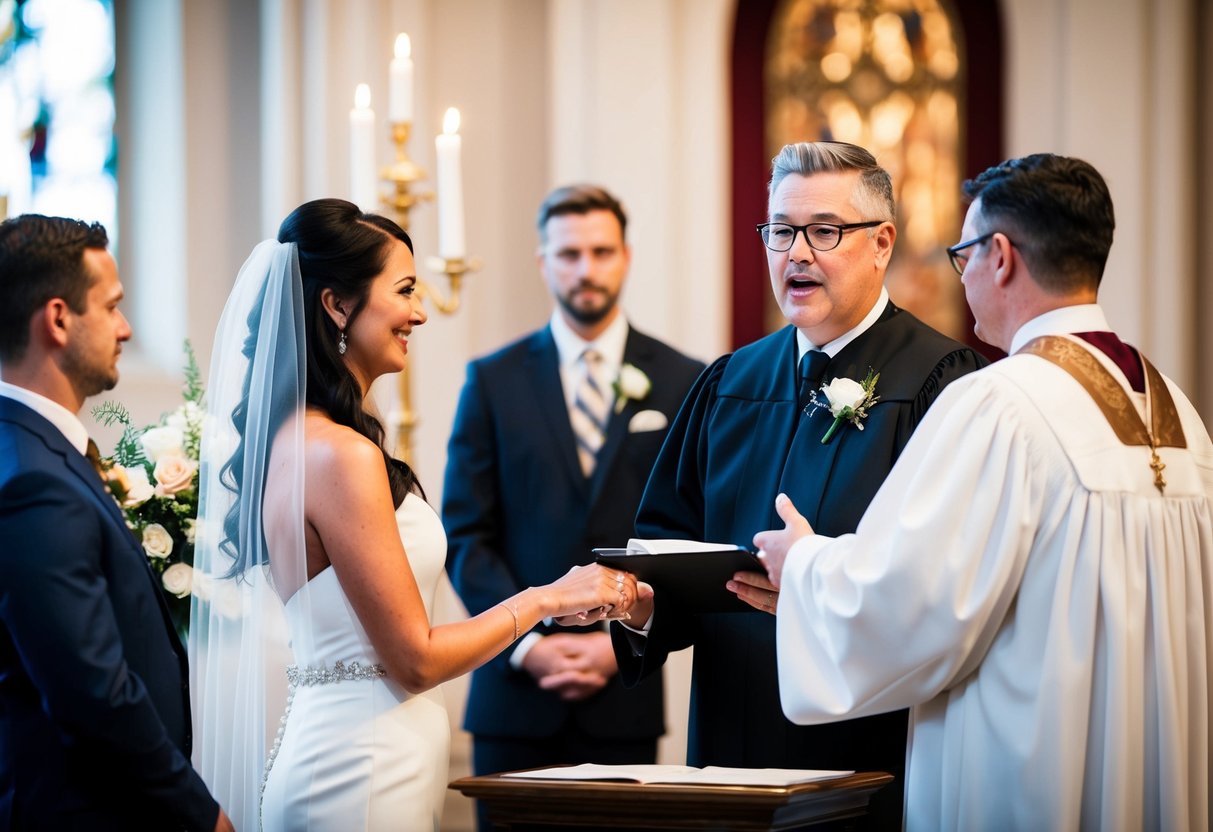
When planning a unique wedding ceremony, you might want to focus on personal touches that reflect your relationship. This can be done through vows, music, and selecting the right officiant. Here are some thoughtful areas to consider.
Incorporating Personalized Vows and Readings
Personalized vows are a powerful way to express your feelings. Write vows that capture your commitment and affection for each other. This adds depth and meaning to the ceremony.
Consider including special readings, too. They could be poetry, quotes, or passages that resonate with your journey together. These elements make the ceremony more intimate and engaging for you and your guests.
You can involve family or friends as readers, which creates a sense of community. Their presence will enrich the moment and encourage a closer connection among everyone.
Choosing the Right Music and Toasts
Music sets the mood for your ceremony. Choose songs that are special to your relationship. Think about your first dance, favorite shared tunes, or songs that symbolize important moments together.
Live music, such as a friend playing guitar or a string quartet, can add a unique touch. Don’t forget about the toasts; they highlight relationships with loved ones.
Encourage heartfelt stories that celebrate your connection. Toast-givers can be family members or close friends, so select those who know you best. Their words can share warm, funny, or touching moments, enhancing the overall experience.
Selecting an Officiant Who Reflects Your Values
Choosing the right officiant is crucial for a meaningful ceremony. You might prefer an ordained minister from the AMM or a member of the Universal Life Church. Both can help you create a ceremony that aligns with your values and beliefs.
Consider asking a friend or family member to officiate if they share your sentiments. This personal touch can have a unique impact.
Discuss your vision with your officiant early on. Talk about any specific phrases or commitments you want to include. This ensures your ceremony captures your love story authentically.
Cultural and Religious Considerations
When planning your wedding, it’s important to think about how cultural and religious beliefs shape the ceremony. Each tradition has unique elements that can enhance the experience and reflect your values. Let’s explore several aspects of these considerations.
Traditional Religious Ceremonies
If you choose a religious ceremony, specific words and rituals are often essential. In a Catholic wedding, for instance, couples typically include traditional vows that express their commitment before God. An ordained minister leads the ceremony, which may involve readings from the Bible and a blessing.
You might also encounter wedding officiants from different faiths, each adding their unique touch. For example, in a Jewish wedding, the couple sign the Ketubah (marriage contract) and recite the Sheva Brachot (seven blessings). Knowing these parts helps ensure your wedding is meaningful and authentic to your beliefs.
Non-Denominational and Secular Options
For those who prefer a non-denominational wedding, the focus can be on love and commitment without specific religious references. This allows for great flexibility in how you express your vows.
Many couples opt for a wedding officiant who can personalize the ceremony, crafting it to reflect your beliefs and values. You can include readings, songs, or symbolic gestures like lighting a unity candle. Such ceremonies can still feel profound, emphasizing the importance of your union while making it uniquely yours.
Incorporating Cultural Traditions Into Your Wedding
Incorporating cultural traditions can add richness to your ceremony. Consider including elements that are significant to your heritage, such as specific rituals or expressions of love.
For example, some couples might choose to perform a sand ceremony, symbolizing the blending of two lives. Others might include traditional attire, music, or dances that represent their culture. Discussing these ideas with your officiant can help you create a ceremony that honors both your backgrounds while celebrating your marriage in a personal way.
Post-Wedding Legalities and Celebrations
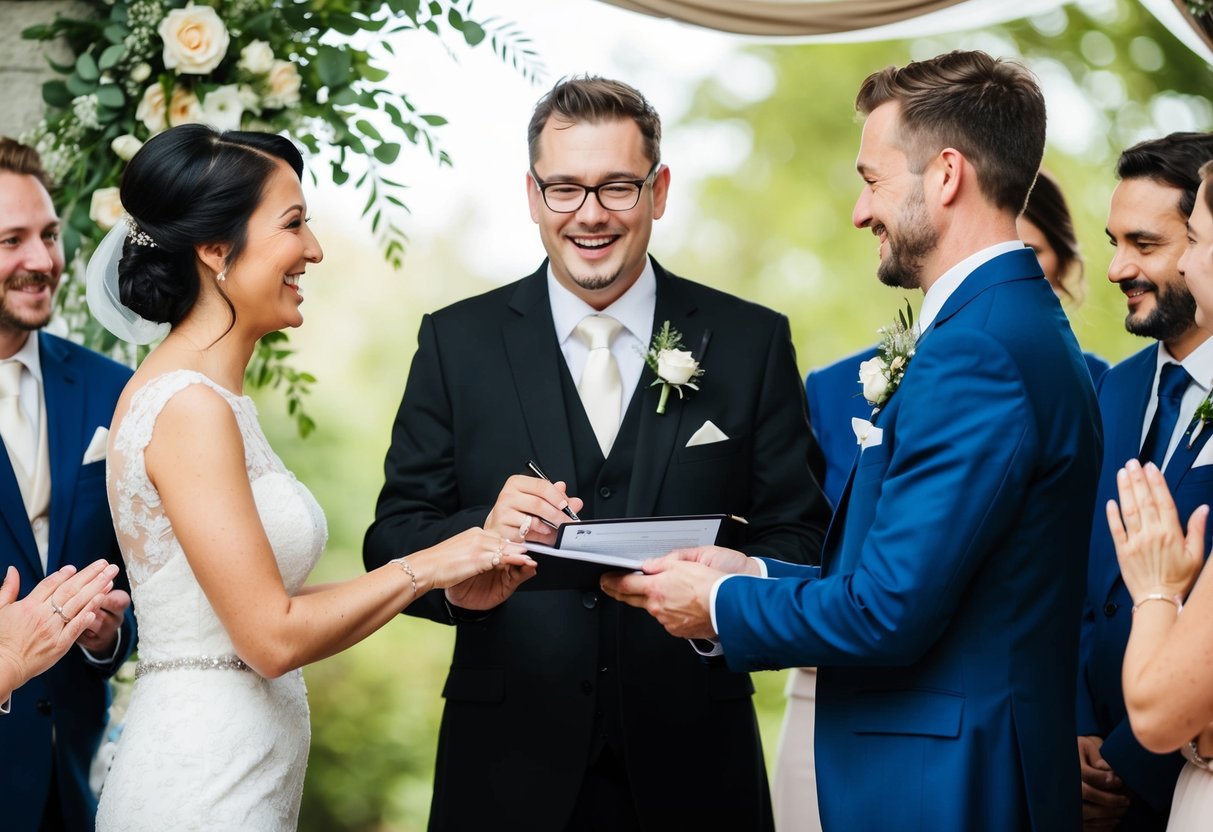
After your wedding ceremony, there are important legal steps to take and exciting ways to celebrate your new life together. Completing the necessary legal formalities ensures that your marriage is recognized, while celebrations allow you to enjoy this special milestone with loved ones.
Completing Legal Formalities After the Ceremony
Once the wedding ceremony is finished, there are legal tasks to complete. First, ensure your officiant, usually an ordained minister or recognized officiant, signs your marriage license. This step solidifies your marriage as legally binding.
Next, check if your state has a waiting period for submitting your license. Some places may require this before you receive your official marriage certificate.
Remember to avoid any delays. Once you have the certificate, you can change your name or update your marital status on documents like your driver’s license or insurance policies.
Celebrating as a Legally Wed Couple
Now that you are married, it’s time to celebrate! Share the joy with family and friends. You might want to host a reception or a simple gathering. This is a great opportunity to introduce your families to each other if they haven’t met yet.
Consider special traditions to mark your union, such as a cake cutting or a first dance. Engaging in activities you both love can make for memorable experiences as husband and wife.
You might also want to take a honeymoon or plan a getaway. This allows you to bond in a new setting while enjoying your married life. Remember, this time is all about you and your spouse!