
What’s It Called When You Get Married Without Anyone Knowing? Exploring Secret Unions
Have you ever wondered what it’s called when you get married without telling anyone? Many people choose to keep their wedding a secret for various reasons. This type of marriage is often referred to as elopement. It allows couples to take their vows without the pressure of a big ceremony or the expectations of family and friends.
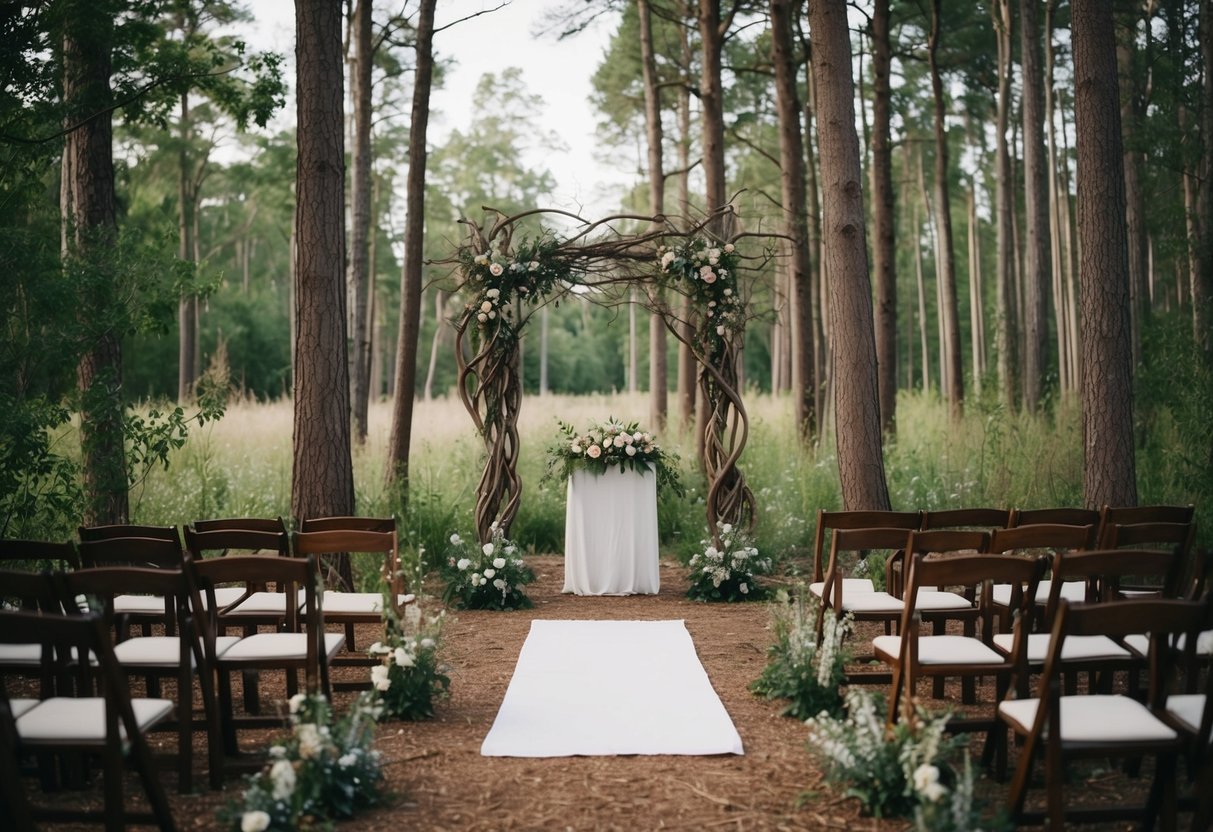
Eloping can be a fun adventure, as it often means escaping to a romantic location and focusing solely on each other. If you’re considering getting married secretly, there are many factors to think about. This article will dive into the details of eloping, addressing everything you need to know to plan your intimate wedding without anyone knowing.
Imagine sharing your special day only with the person you love most. Elopement lets you create lasting memories that are entirely your own. By keeping your marriage private, you can celebrate your union on your terms, making it even more meaningful.
Understanding Elopement
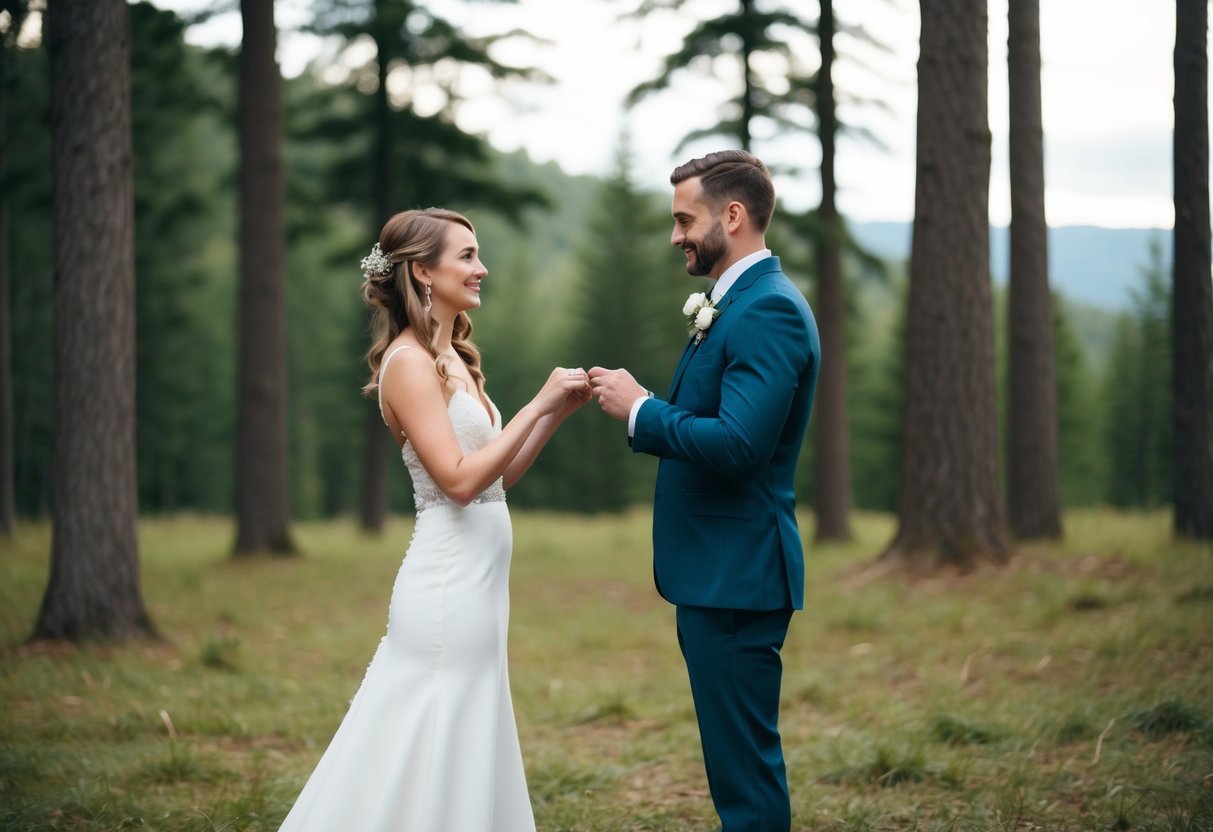
Elopement has become a popular choice for many couples looking to tie the knot in a more private and personal way. This section will clarify what elopement means and explore why couples often choose this route for their marriage.
Meaning of Elopement
Elopement refers to getting married without announcing it to others beforehand. This can mean running away to a beautiful location or simply having a small, intimate ceremony with just the couple and perhaps a few close friends.
Traditionally, elopement implied secrecy and spontaneity. Today, it can also mean a planned affair that still defies large wedding norms. Couples may see it as a way to focus on each other without the stress of a big event.
Elopements often embrace adventure and create memorable experiences. Whether you’re in a stunning forest, on a beach, or at a quaint city hall, each elopement tells a unique story.
Reasons Couples Choose to Elope
There are many reasons why couples decide to elope instead of having a traditional wedding.
-
Privacy: Many couples prefer a private ceremony that feels more personal and less overwhelming than a large wedding.
-
Cost: Weddings can be expensive. Eloping allows you to spend less and often use those savings for a honeymoon or other adventures.
-
Simplicity: You can avoid the stress of planning a large event. Eloping provides a straightforward way to celebrate your love.
-
Adventure: Eloping can feel like a thrilling adventure, whether you’re hiking to a remote location or exploring a new city together.
In the end, eloping allows you to focus on what truly matters—your commitment to each other—while making the experience special in your own way.
Legal Aspects of Elopement
When you decide to elope, there are some important legal details to consider. Understanding marriage license requirements, the option of a confidential marriage license, and the role of the officiant will help ensure that your elopement is recognized as a legal marriage.
Marriage License Requirements
To make your elopement legal, you will need to obtain a marriage license. This license is essential in most places. Generally, both you and your partner must apply together, providing identification like a driver’s license or a passport.
Be sure to check the specific rules in your state or country. Some locations have waiting periods before you can marry after getting the license. Others may have residency requirements. Failure to meet these conditions could delay your plans. If you plan to elope, make sure to gather the necessary documents ahead of time.
Confidential Marriage License
A confidential marriage license is a special option in some areas. This allows you to keep your marriage private. With this license, you do not have to list your marriage in public records. Only the couple and the officiant see the details.
To get a confidential marriage license, you typically have to sign a declaration that confirms you are living together as a couple. This can be a great choice if you want to avoid public attention or simply keep things private. Not all states offer this option, so check with your local authorities.
Role of the Officiant
The officiant plays a crucial role in your elopement. This person is responsible for performing the ceremony and ensuring it’s legally binding. You can choose various types of officiants, such as a wedding officiant or a friend who may have been ordained online.
In some places, self-solemnization is allowed, meaning you can marry without a third-party officiant. However, this option varies by state. Always verify if your chosen method meets legal requirements. The officiant also helps you with any paperwork needed after the ceremony, such as signing the marriage certificate, making it official.
Planning an Elopement
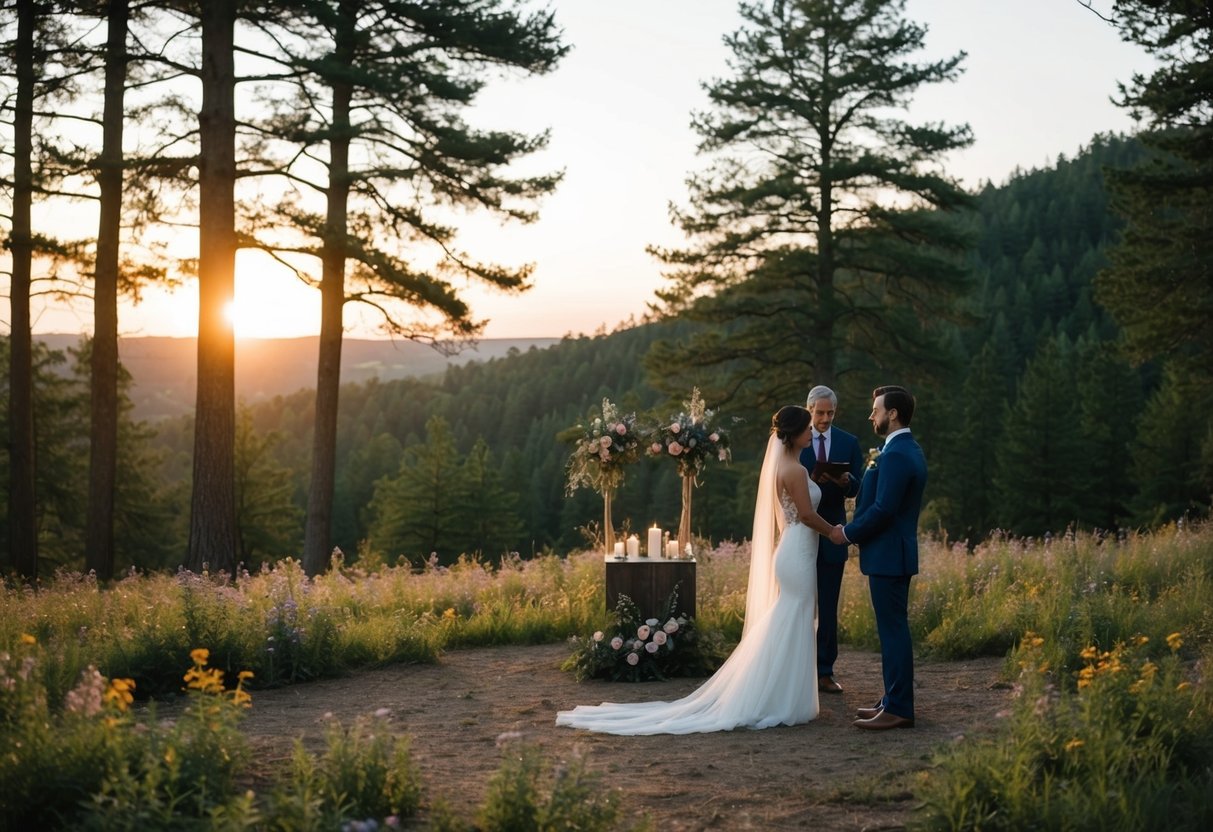
Elopements can be a charming and intimate way to tie the knot. By focusing on the key aspects of planning, you can ensure your special day goes smoothly and reflects your unique style.
Selecting a Location
Choosing the right location is one of the most important parts of an elopement. Popular spots include scenic destinations like mountains, beaches, or even bustling cities like Las Vegas. You can opt for a serene nature backdrop or a vibrant urban setting, depending on your style.
Consider accessibility for yourself and any guests, even if it’s a small group. Some couples prefer remote locations for privacy, while others enjoy public places that add excitement. No matter where you choose, make sure it resonates with both of you.
Elopement Vs. Courthouse Wedding
It’s essential to understand the differences between an elopement and a courthouse wedding. With an elopement, you might choose a breathtaking location to exchange vows, often with no formalities involved. This option allows for a more personalized touch.
A courthouse wedding, on the other hand, usually takes place at a local government office. While it can be quick and efficient, it may lack the personal flair of an elopement. Both choices are valid, so consider what feels right for you.
Elopement Ceremony Details
Your elopement ceremony can be as simple or elaborate as you wish. Many couples focus on personal vows to make the day meaningful. Consider including special touches, like flowers or a unique ring exchange.
Hiring a photographer can help capture the moments without interrupting the experience. If you want, you can also include a small celebration afterward, perhaps at a favorite local restaurant. This way, you can enjoy a meal together as newlyweds.
Unique Elopement Scenarios
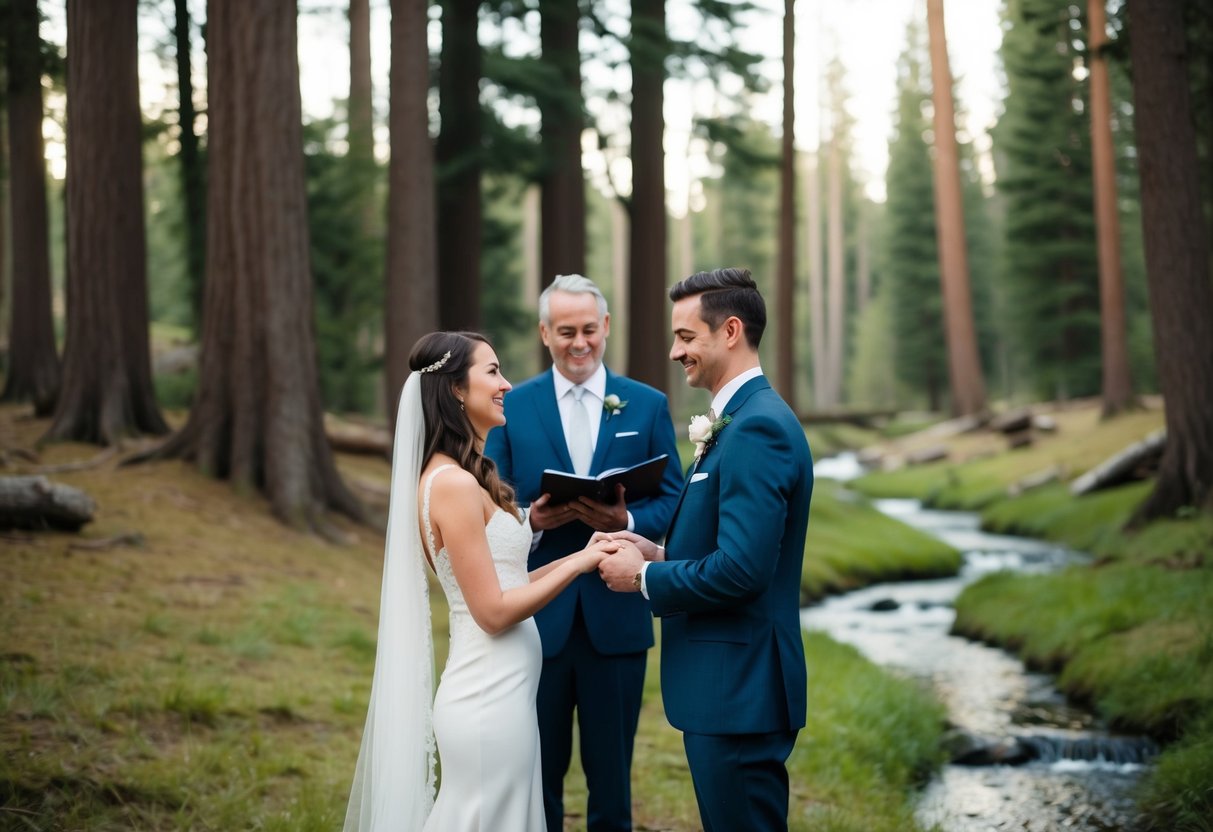
Elopements can take many interesting forms, especially when couples decide to keep their marriage secret. Two unique scenarios include shotgun weddings and cultural practices like bride kidnapping. Both can lead to unexpected and memorable experiences for couples looking to elope.
Shotgun and Surprise Weddings
A shotgun wedding typically happens when a couple needs to quickly tie the knot, often due to an unexpected pregnancy. In many cases, this type of wedding is kept under wraps from family and friends. This can add a thrilling element to your special day.
Surprise weddings can happen when one partner plans a secret ceremony as a delightful shock for the other. You might whisk your beloved away to a beautiful location with just a few close friends or even a wedding officiant. The excitement lies in the unexpected nature of the event, making it truly unique.
Cultural Practices: Bride Kidnapping
In some cultures, a groom takes the bride away without her prior consent or knowledge. This is known as bride kidnapping. While it may seem extreme, this practice has roots in cultural history.
In some communities, this is seen as a way for couples to elope without family interference. It can be an intense, dramatic way to get married without anyone knowing. Remember, this is not advisable in all contexts, and it should always consider the feelings and choices of both partners involved.