
What’s It Called When You Marry Someone? Understanding the Union of Marriage
When you decide to join your life with another person, you enter into a beautiful bond called marriage. Marriage is the commitment that unites partners in love and support, creating a sacred connection between you and your spouse. This lifelong partnership is more than just a legal agreement; it’s a promise to cherish and honor each other.

Understanding what it means to marry someone can deepen your appreciation for this important step in life. As you navigate through the idea of marriage, consider the values of love, commitment, and unity, which form the foundation of a strong relationship.
Whether it’s planning a wedding or preparing for a shared future, embracing this journey will lead to meaningful experiences.
As you explore this topic further, think about what marriage means to you. This connection can shape your life in unforgettable ways, so it’s worth investigating what it truly entails.
Understanding Marriage

Marriage is a significant commitment between two people. It involves legal and emotional aspects that vary from one place to another.
Knowing what marriage entails and the legal requirements can help you better understand this important step in life.
What Marriage Entails
Marriage is more than just saying “I do.” It creates a bond between two individuals, often defined by love and respect. When you marry, you and your partner become spouses. This means you share responsibilities, rights, and duties.
In many cultures, marriage involves social norms and traditions that honor the couple’s commitment. It often symbolizes the merging of lives and families. You may also choose to have a celebration, such as a wedding ceremony, to mark this occasion.
Additionally, a marriage certificate is important. This document serves as proof of your union and can be required for various legal matters.
Marriage Laws and Legal Requirements
Before you can marry, you must fulfill certain legal requirements. These rules differ by state or country.
Typically, you will need a marriage license. This document gives you permission to marry and is usually obtained from a local government office.
You may also need to meet specific criteria, such as age and marital status. For instance, some places require you to be of a certain age or provide proof of the end of any previous marriages.
Civil marriages, which are officiated by a government official, often follow these laws. It is essential to understand your local marriage laws to ensure a smooth process for your big day.
The Role of Wedding Officiants
A wedding officiant is a crucial part of your special day. They guide you and your partner through the ceremony, ensuring everything runs smoothly and legally. Understanding the different types of officiants, their responsibilities, and how to choose the right one can help you create a memorable ceremony.
Types of Wedding Officiants
There are several types of wedding officiants to consider.
- Religious Officiants: These include ministers, priests, rabbis, and imams. They typically conduct ceremonies according to specific religious beliefs.
- Civil Officiants: Judges or justices of the peace often perform civil ceremonies. They focus on the legal aspects of marriage without religious components.
- Professional Wedding Officiants: These individuals may offer flexibility, conducting both religious and secular ceremonies. They often personalize the ceremony to fit your needs.
Choosing the right type will depend on your beliefs and the style of your wedding.
Responsibilities of an Officiant
Wedding officiants have various important roles. They officiate the ceremony, which includes overseeing the vows and the ring exchange.
They also ensure all legal requirements are met. This may involve signing the marriage license, which validates your union.
Moreover, officiants often meet with you beforehand to understand your preferences and craft a personalized ceremony. If you’re having a religious ceremony, they may also conduct premarital counseling or classes.
Finding the Right Officiant for Your Ceremony
Selecting the right officiant is essential to a successful ceremony. Start by discussing your vision. Consider whether you want a religious or civil ceremony.
Make a list of potential officiants, and check their reviews. Set up interviews to see if their style fits your needs.
Ask about their experience and how they handle different types of ceremonies. This will ensure you feel comfortable and confident on your wedding day.
Planning Your Wedding
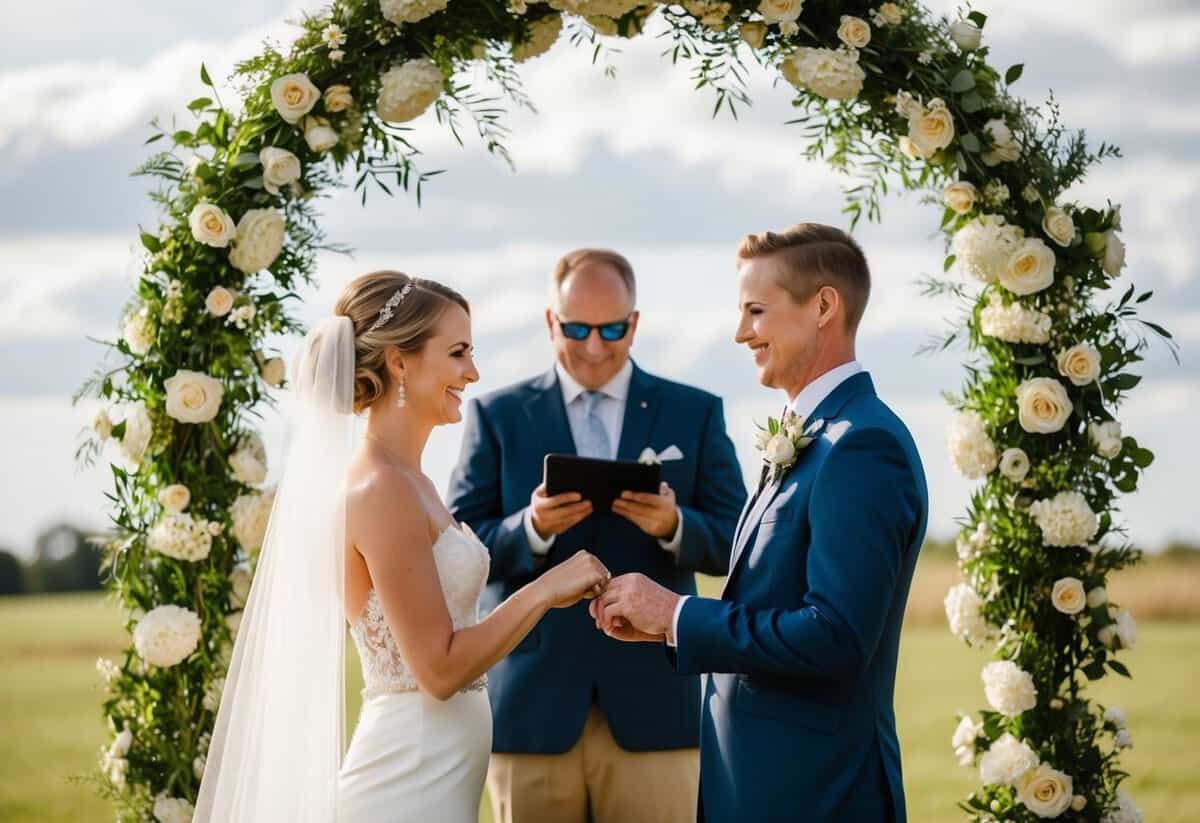
Planning your wedding involves important choices that shape your special day. From selecting the venue to deciding how you want the ceremony to feel, these steps are key.
Selecting the Venue and Type of Ceremony
The venue sets the tone for your wedding. Consider what reflects you as a couple. Popular options include:
- Church or Religious Venue: Ideal for traditional ceremonies.
- Outdoor Spaces: Parks, gardens, or beaches provide a natural backdrop.
- Courthouse: A simple option for those who prefer a quick, intimate ceremony.
Think about how many guests you’d like, as this affects your venue choice. Don’t forget to check for availability and cost. Flexibility in your date can help find the perfect spot.
Customizing Your Wedding Experience
Customization adds a personal touch to your celebration. Start by thinking about themes or colors that resonate with both of you.
Consider how you want your wedding ceremony to unfold. A traditional marriage ceremony includes specific rituals or customs. Meanwhile, elopement is a romantic way to tie the knot in a private setting, allowing ultimate flexibility.
Don’t hesitate to work with wedding vendors who understand your vision. They can help in designing your ceremony, from the decor to the timeline. Keep communication open to ensure your ideas come to life.