
What’s the Difference Between a Bridal and a Headstall? Understanding Equine Tack Essentials
When you’re getting your horse ready for a ride, understanding the equipment is key to good horsemanship. Many horse enthusiasts often wonder about the difference between a headstall and a bridle.
A headstall is just one part of a bridle, which is the complete set of horse riding equipment that includes the headstall, bit, and reins.
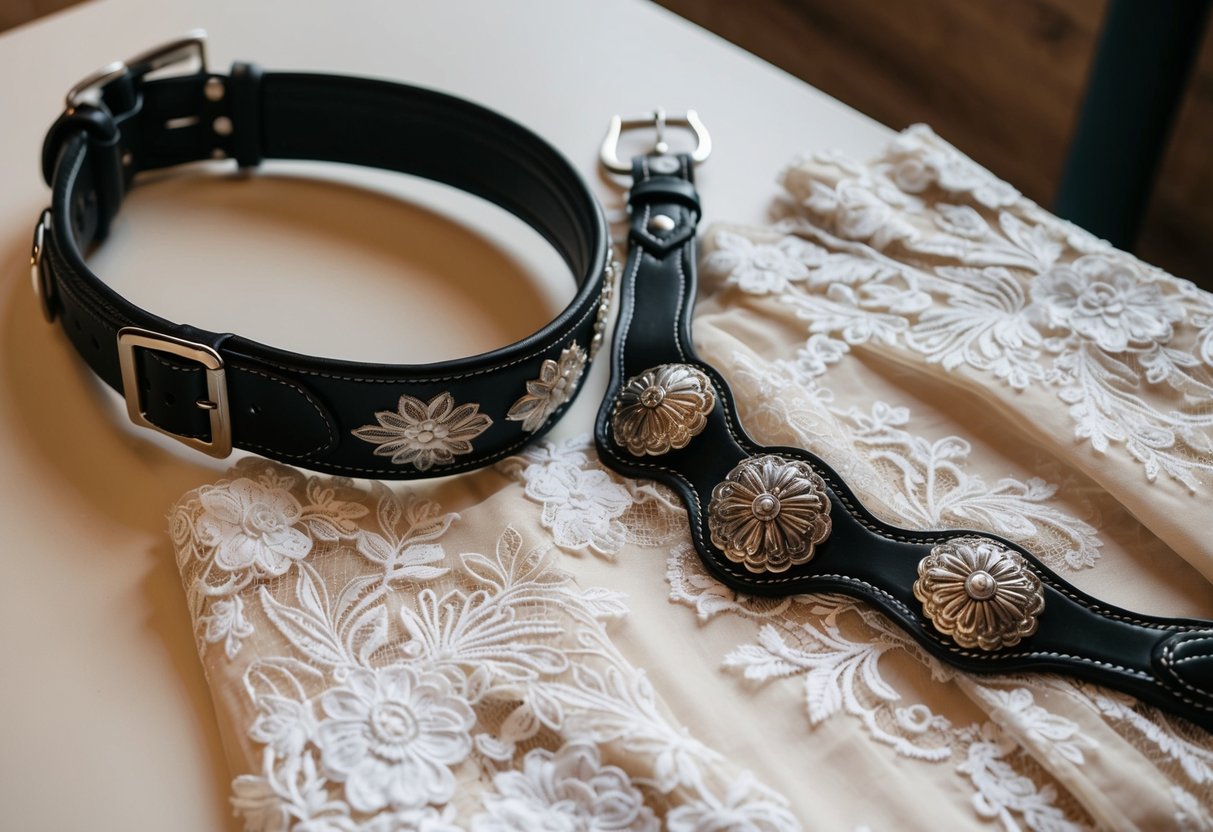
Using the correct terminology can help you communicate better with other equestrians and improve your overall riding experience. Whether you are a seasoned rider or just starting out, knowing what each piece of gear does can make a big difference in how you handle your horse.
Deciding which piece of equipment to use can depend on your horse’s comfort and your riding style. By understanding these differences, you can select the right tools to enhance your time in the saddle.
Understanding Headstalls and Bridles
When you ride a horse, understanding the difference between a headstall and a bridle is essential. Both pieces of equipment play crucial roles in controlling the horse and ensuring comfort. Let’s explore the main components of each and how they compare to help you choose what’s right for your riding needs.
Key Components of a Headstall
A headstall is an important part of horse equipment. It wraps around the horse’s head and holds the bit in place.
Key components of a headstall include:
- Crownpiece: This part sits on top of the horse’s head. It connects to the cheeks and holds everything together.
- Cheekpieces: These attach to the crownpiece and go down the sides of the horse’s face. They help secure the bit.
- Throatlatch: It goes under the horse’s throat and keeps the headstall in place.
- Browband: This rests across the horse’s forehead and prevents the headstall from slipping.
Headstalls can be made from materials like leather, nylon, or synthetic options, depending on your preference.
Essential Parts of a Bridle
A bridle consists of multiple parts, including the headstall, bit, and reins. Each component works together for effective control.
Key parts of a bridle include:
- Bit: This piece goes in the horse’s mouth. It provides communication between you and the horse through pressure.
- Reins: Attached to the bit, reins allow you to steer and guide the horse. They come in various lengths and styles based on riding disciplines.
- Noseband: This is an optional strap that goes around the horse’s nose and can help keep the mouth closed.
Choosing the right bridle is important for both comfort and performance when riding.
Comparing Headstall and Bridle
While both headstalls and bridles are used in horse riding, they serve different functions. A headstall is just one component of the complete bridle setup.
- Functionality: The headstall mainly secures the bit. The bridle includes the headstall plus other parts like reins and the bit.
- Usage: In various riding disciplines, the choice of headstall or bridle can vary. For example, some riders may prefer simpler designs for training.
- Materials: Both can be made from similar materials but may differ in construction style based on purpose.
Understanding these differences will help you select the right equipment for you and your horse.
Types and Materials of Headstalls and Bridles
When choosing a headstall or bridle, it’s important to consider the types, materials, and styles that best suit your riding needs. Different options cater to various preferences and disciplines, offering both function and comfort.
Leather over Synthetic: Pros and Cons
Leather headstalls are popular for their durability and classic look. They can be softer against the horse’s skin and often get better with age. However, leather requires regular care to keep it from cracking, especially in wet conditions.
On the other hand, synthetic materials like nylon and biothane are lightweight and easy to clean. They are often more affordable as well. While they might not have the same traditional appeal, they provide excellent functionality in various conditions.
Each option has its strengths, so your choice depends on your lifestyle and how much effort you want to put into maintenance.
Western vs. English Styles
When it comes to style, western and English headstalls differ significantly.
A western headstall often features a split ear or a one-ear design, which is used mostly in Western riding. These styles provide freedom of movement for the horse’s ears and are often adorned with decorative elements.
In contrast, English headstalls usually include a browband and are designed for use with a noseband. This style offers more control and a refined appearance for disciplines like dressage or show jumping.
Knowing which style fits your riding discipline will enhance both your comfort and your horse’s performance.
Specialized Designs for Different Riding Disciplines
Different riding disciplines require specific types of headstalls and bridles.
For example, barrel racing might use a more lightweight and versatile headstall. In contrast, jumping saddles often require a bridle that includes a noseband for added control.
Headstalls also come in distinctive styles like the one-ear and split ear designs. The one-ear style is favored in Western riding for its simplicity, while the split ear headstall offers more security.
Each design allows you to tailor your gear to your horse’s needs, ensuring both comfort and safety while you ride.
Functional Differences in Horse Riding
When choosing between a bridle and a headstall, understanding their functional differences is key. The right equipment can help with communication and control, which are essential for a successful riding experience.
Communication and Control with Different Equipments
Using a bridle allows for more precise communication with your horse. The bridle typically includes a bit, which provides direct signals to the horse’s mouth. This setup is crucial for disciplines where fine control is necessary, like dressage or jumping.
In contrast, a headstall often lacks a bit and relies on pressure from the reins on the horse’s head. This can benefit western riding and natural horsemanship, where softer communication methods are preferred.
With a well-fitted headstall, you can achieve a connection based on trust rather than force.
Discipline-Specific Features and Choices
Each riding style has its preferences when it comes to headstalls and bridles.
In western riding, you might find options like a one-ear headstall or a split ear design. These styles allow for quick adjustments and comfort for the horse.
English riders typically choose bridles with additional features, such as a noseband or fancy browband, which assist in control and appearance during competitions.
When choosing the right headstall, consider your discipline and your horse’s needs to ensure a suitable fit that enhances performance and comfort.
Selecting the Right Equipment for Your Horse
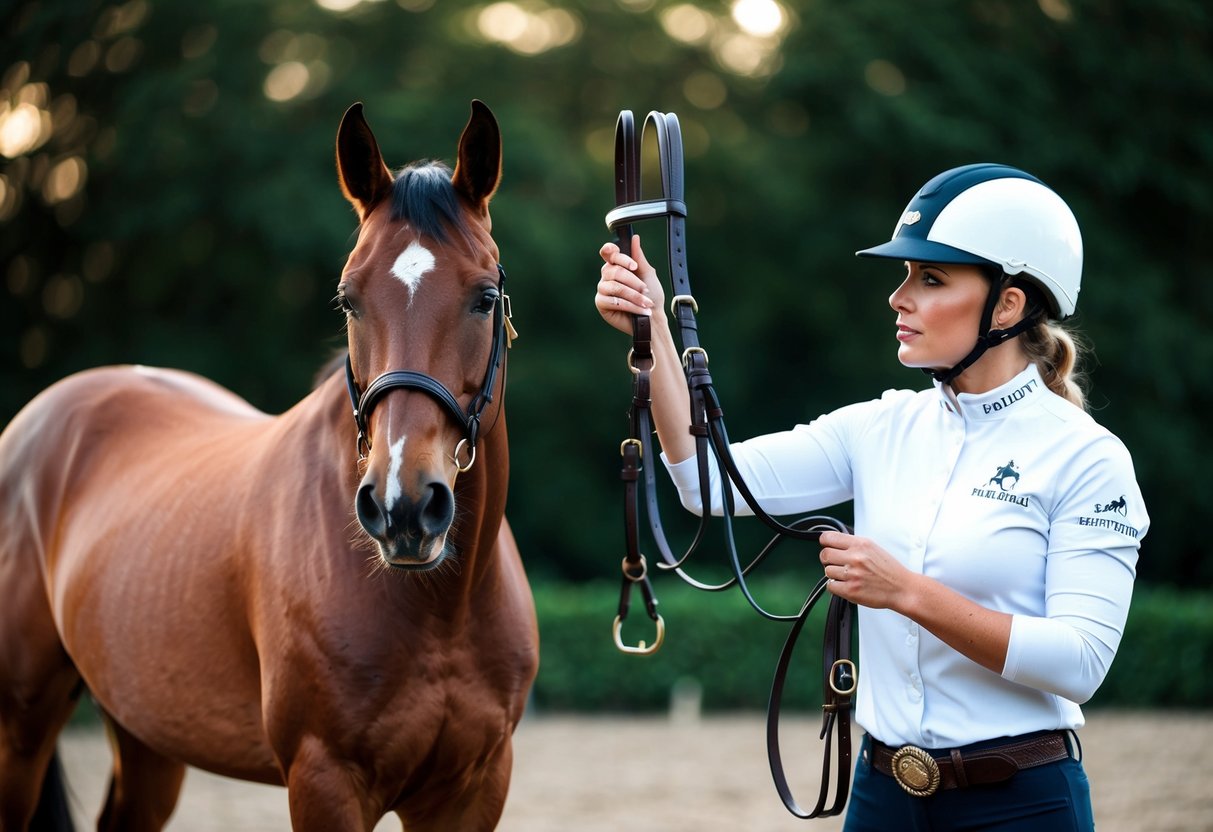
Choosing the right equipment for your horse is essential for both comfort and safety. It affects your riding experience and how well you and your horse communicate. Here are some important factors to consider when selecting a headstall or bridle.
Fit and Comfort Considerations
When selecting a headstall or bridle, proper fit is crucial. Your horse’s head shape can vary by breed and individual.
Make sure to measure the crownpiece, browband, and cheek pieces carefully. An ill-fitting bridle can cause discomfort, rubbing, or even injury.
The headstall should allow a little space but not be too loose. You want it to stay in place without pinching your horse’s skin. Consider the padding and material, as soft leather or synthetic options often provide better comfort.
Different riding styles might also require different fittings. For example, English saddles may need a snugger fit than Western styles.
Comfortable gear enhances your horse’s performance and your overall enjoyment while riding.
Importance of Quality and Durability
Never overlook quality and durability. Investing in well-made gear ensures it lasts longer and withstands wear and tear.
Look for materials like high-quality leather or strong nylon that can resist fraying and breakage. Check the stitching and hardware as well. Reinforced seams and sturdy buckles add to the lifespan of your equipment.
Poor quality gear can lead to safety hazards for both you and your horse.
Choosing the right gear also reflects good horsemanship. Well-maintained equipment shows respect for your horse and contributes to a positive riding experience.
Take your time to select gear that meets both your needs and your horse’s for an enjoyable journey together.