
What’s the Difference Between a Minister and a Registrar? A Simple Guide to Their Roles
When planning a wedding, it’s essential to understand the roles of different officiants. You may wonder, what’s the difference between a minister and a registrar? A minister typically leads religious ceremonies, while a registrar is responsible for legally formalizing your wedding with government requirements. Knowing this key difference can help you choose the right person for your special day.
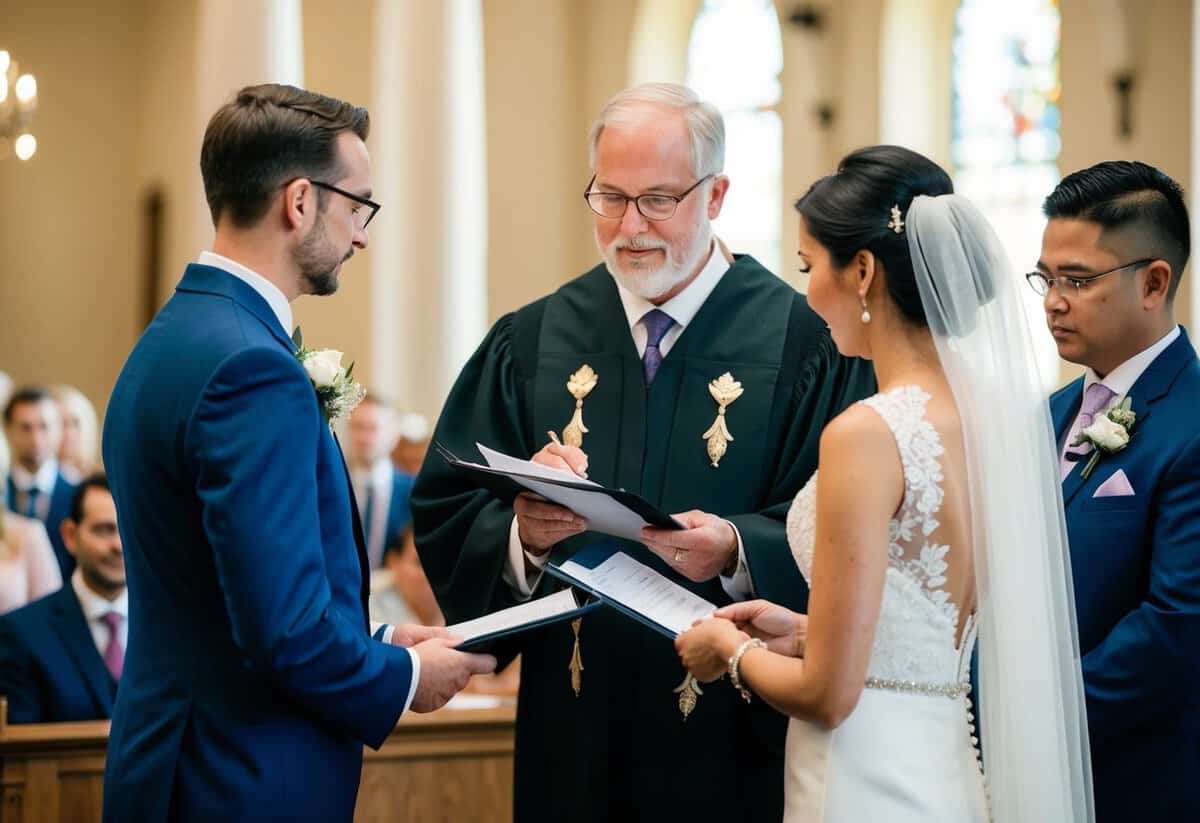
Ministers often offer a personal touch, reflecting your beliefs and values in the ceremony. They may incorporate religious elements and rituals, providing a deeper connection for couples who want that spiritual aspect. On the other hand, registrars focus on the legal aspects of marriage. They ensure that all documentation is completed, which is essential for your marriage to be recognized by law.
Understanding these roles will guide you in making an informed decision for your wedding. Whether you value a religious ceremony or simply need someone to handle the legalities, each option has something unique to offer.
Roles and Responsibilities
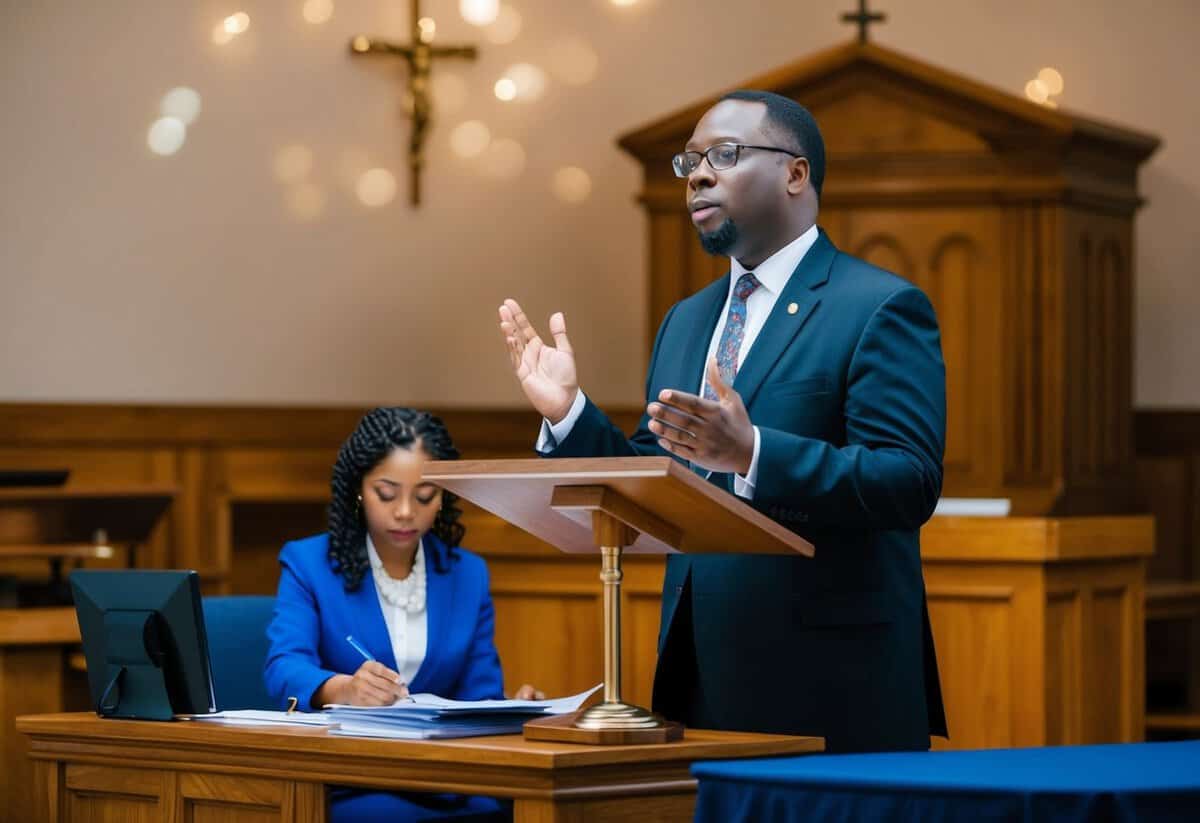
Ministers and registrars have distinct roles and responsibilities, especially when it comes to ceremonies like weddings. Understanding these can help you choose the right person for your special day or legal needs.
Function of a Minister
A minister often serves as an officiant during religious ceremonies, including weddings. They can perform ceremonies in various settings, like a church or a park. Their function goes beyond just leading the event; they also help couples plan their vows and customize the ceremony to reflect their beliefs.
In many religious traditions, the minister is responsible for providing spiritual guidance. For example, they may offer pre-marital counseling to ensure the couple is prepared for marriage. This can include discussing vows, faith, and family expectations. Ministers also ensure that the ceremony aligns with religious customs, making it memorable and significant.
Duties of a Registrar
A registrar focuses on the legal aspects of marriage. They are responsible for conducting civil ceremonies at registered venues, such as registry offices or approved locations. Their main duty is to ensure that all legal requirements are met for a valid marriage.
When you book a registrar, they will guide you through the necessary paperwork. This includes verifying your identity and confirming that both parties meet legal requirements for marriage. Unlike ministers, registrars do not typically provide spiritual elements. Instead, they focus on the legal declaration of marriage during the ceremony. Their role is essential for couples seeking a legal marriage without religious undertones.
Types of Ceremonies
When planning your special day, understanding the different types of ceremonies can help you make the best choice. Each ceremony type offers unique features to fit your preferences and beliefs.
Celebrant-Led Ceremonies
A celebrant-led ceremony is a great choice if you’re looking for a personalised experience. This type of ceremony allows for creativity and unique elements to match your story.
You can include spiritual content or choose a more non-religious approach. Celebrants can help create a bespoke ceremony that reflects your values and personalities.
Options range from traditional elements to modern ideas like handfasting or special readings. This type of wedding allows you to design every detail, making it truly yours.
Unlike registrars, celebrants aren’t constrained by legal formats. This flexibility means you can express yourselves fully while celebrating your love.
Civil Ceremonies
Civil ceremonies are led by registrars and are legally binding. If you choose this option, it typically takes place at a registered venue, such as a registry office or certain approved locations.
These ceremonies are straightforward and focus on legal marriage or civil partnership. However, options for personalisation are limited. For instance, you usually can’t include religious or spiritual content, which some couples may find restrictive.
Even so, civil ceremonies can still feel special with simple touches, like your vows or readings. This type of ceremony may suit those looking for a no-fuss legal marriage without extra flair.
Religious Ceremonies
If faith plays an important role in your lives, a religious ceremony might feel the most meaningful. These ceremonies are conducted in places of worship, led by a minister or another religious figure.
You’ll likely follow traditional practices that reflect your beliefs. This can include prayers, hymns, and blessings, creating a spiritually rich experience.
Each faith has its own requirements and rituals, so be sure to communicate with your chosen officiant about what to expect. Many religious ceremonies also allow for personal vows or readings, adding a unique touch to your wedding celebration.
This option combines your commitment to each other with your spiritual beliefs, making it a fulfilling choice for many couples.
Choosing the Right Officiant
When planning your wedding, choosing the right officiant is crucial. This decision can shape your ceremony and reflect your personal beliefs. You’ll want to consider your preferences, including whether you want a religious or a more personalized ceremony.
Considerations for a Minister
If you choose a minister, you will likely have elements of faith integrated into your ceremony. Many ministers, especially those from the Church of England, offer traditional values and religious rituals.
Key points to consider:
- Religious Elements: Ministers often include prayers and scripture, which can add a sacred touch to your marriage.
- Venue Requirements: Ensure that the venue is a registered place of worship, as this is typically necessary for a religious ceremony.
- Personal Connection: It’s essential to feel comfortable with your minister. Meeting beforehand can help you ensure they understand your vision for the ceremony.
Keep in mind that a minister can add a spiritual dimension to your wedding, perfect for couples who want to honor their faith during this special time.
Selecting a Registrar
Choosing a registrar gives you more flexibility in planning your wedding ceremony. Registrars conduct civil ceremonies, which focus more on legal aspects and personal expressions without religious content.
Consider these factors:
- Licensed Venues: You can hold a civil ceremony at various licensed venues, allowing for creative settings like gardens or historical buildings.
- Customization: Registrars can help you design a ceremony that reflects your values, so feel free to discuss personal touches.
- Independent Celebrants: Consider independent celebrants as an alternative to registrars. They offer unique ceremonies tailored just for you, with complete personal expression.
Selecting a registrar may be ideal if you prefer a non-religious ceremony with a focus on your relationship. Make sure to book in advance to secure your chosen date and venue.
Ceremonial Elements and Traditions
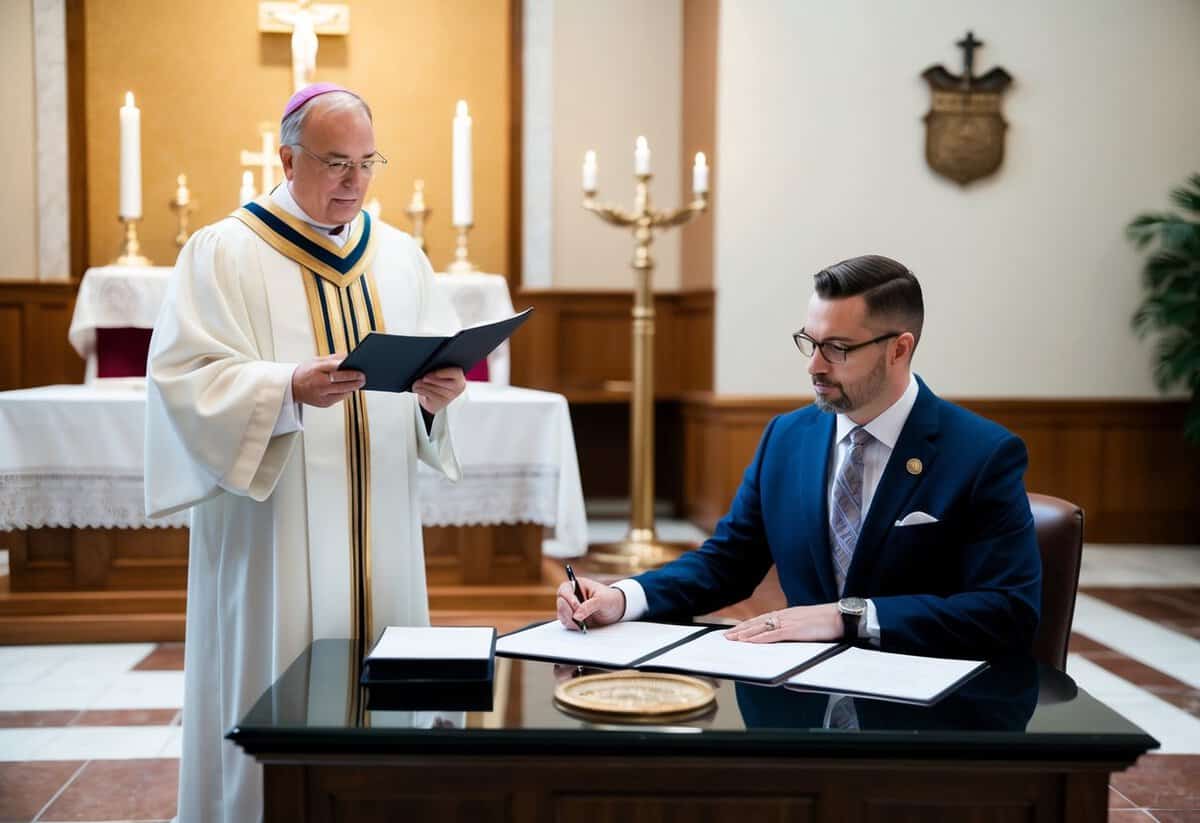
When planning your wedding, understanding ceremonial elements and traditions can help make your day special. You might want to include symbolic acts, the exchange of rings and vows, and personalized music that reflects your unique relationship.
Symbolic Acts and Readings
Symbolic acts can really enrich your ceremony. Many couples choose to include acts like lighting a unity candle, sand ceremonies, or handfasting. Each act carries its own meaning and can celebrate your bond in a unique way.
Readings are also a wonderful addition. You might select meaningful excerpts from literature, poetry, or scripture that resonate with your beliefs. This can help personalize your ceremony and express your values.
Exchange of Rings and Vows
The exchange of rings is a significant moment. Rings symbolize your commitment and love, making this act very special. Many couples choose to say a few words during the exchange, which adds a personal touch.
Vows are another important part. You can write your own vows to express what your relationship means to you. Whether you opt for traditional vows or create personalized ones, make sure they reflect your feelings and hopes for the future.
Music and Entertainment
Music sets the mood for your wedding. You might choose a specific song for walking down the aisle or for your first dance.
Live music or a curated playlist can create a personal atmosphere during the ceremony and reception.
Including entertainment, like a special performance or surprise act, can also engage your guests. Think about what reflects you as a couple and what will make your day memorable.
Whether it’s a live band or a DJ, choose music that resonates with your journey together.