
What’s the Difference Between Eloping and Having a Wedding? Exploring Your Celebration Options
Choosing between eloping and having a traditional wedding can be tough. The main difference lies in the size of the event and the type of experience you want to create. Elopements are intimate celebrations, usually with just the couple or a few close friends, focusing on personal moments. In contrast, traditional weddings typically include a larger guest list, elaborate planning, and established rituals.
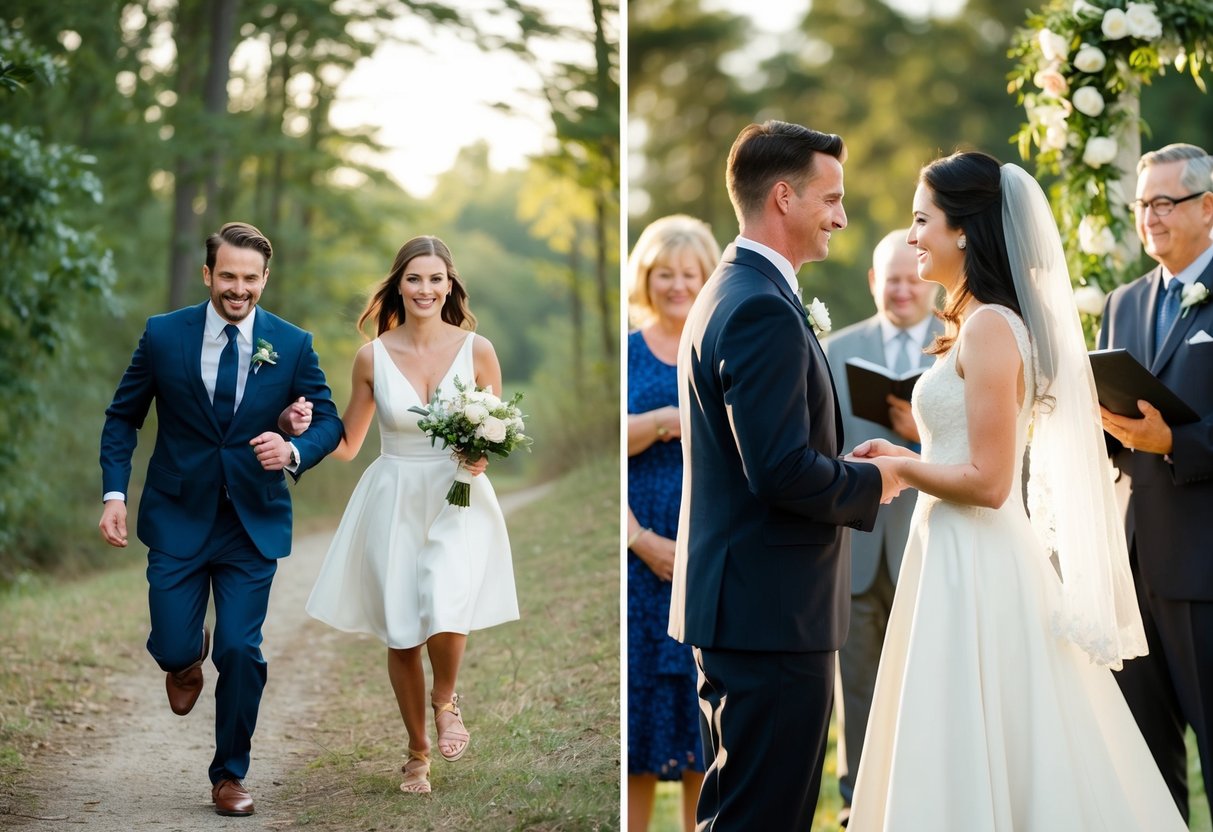
If you’re considering an elopement, think about what matters most to you. It allows for flexibility and spontaneity, where you can choose a beautiful location and make the day uniquely yours. Weddings, on the other hand, bring together family and friends to celebrate your love, often featuring traditions that can deepen the experience.
Understanding these differences can help you decide what fits your vision of love and commitment best. By exploring your preferences, you can create a memorable celebration that reflects your style and values.
Understanding Elopements and Weddings
Elopements and weddings represent two different ways to celebrate love and commitment. Each option offers unique experiences, traditions, and levels of intimacy that suit various preferences and situations.
Definition and Concept
An elopement usually involves a couple choosing to marry in a private setting. Often, it excludes traditional elements such as a large guest list or formal reception. Instead, the focus is on the couple’s bond.
On the other hand, a wedding typically includes a ceremony with a guest list that can range from a small group to hundreds. Weddings often incorporate traditional elements like a venue, invitations, and a reception. This creates an event centered around family and friends, enhancing the communal aspect of marriage.
Historical Context and Modern Evolution
Historically, elopements were often a means for couples to marry without family approval. This trend has shifted over time. Nowadays, many couples opt for elopements as a way to create an intimate affair, free from the stress of planning large weddings.
In contrast, weddings continue to evolve, mixing traditional and non-traditional elements. Many modern weddings now reflect personal styles, incorporating unique themes and activities. This allows couples to celebrate their commitment in ways that resonate with them.
Both paths offer distinct experiences, allowing you to choose what feels right for your relationship.
Comparing the Ceremonies
When you think about eloping versus having a wedding, the ceremonies can feel quite different. Here are some key aspects that show how they vary, especially regarding the ceremony itself, the role of the officiant, and how these choices impact your family and friends.
Ceremony Itself
An elopement ceremony is usually much more intimate. You may choose a scenic outdoor location or a quiet venue. This means you can focus more on your vows and what the day means to you. Elopements often feel more personal because they lack the larger crowd that can distract from the moment.
In contrast, a traditional wedding ceremony might include many guests, ranging from family to friends. This type of ceremony often follows specific rituals and can be more elaborate. Decor, music, and seating arrangements play a big role. You’ll be making memories with a larger group, but the ceremony itself might feel less personal.
Role of the Officiant
Choosing an officiant is important in both settings. In an elopement, you may opt for a close friend or someone special to you, making it feel more tailored. This person can help create a ceremony that reflects your unique love story.
For a traditional wedding, the officiant is often someone experienced in conducting larger ceremonies. They may lead specific rituals or traditions that add significance. This can bring comfort, but it might not feel as personal as having someone you know well lead the ceremony.
Impact on Family and Friends
Eloping typically means that family and friends are not present. This can create a simpler experience for you but may lead to feelings of disappointment among loved ones. Some families might feel excluded, so it’s important to consider how this choice affects them.
On the other hand, a traditional wedding invites everyone to celebrate together. This can strengthen bonds and create lasting memories for your family and friends. There are often social events surrounding the wedding like receptions and showers, adding to the overall experience but, for some, increasing the pressure and expectation.
Planning and Logistics
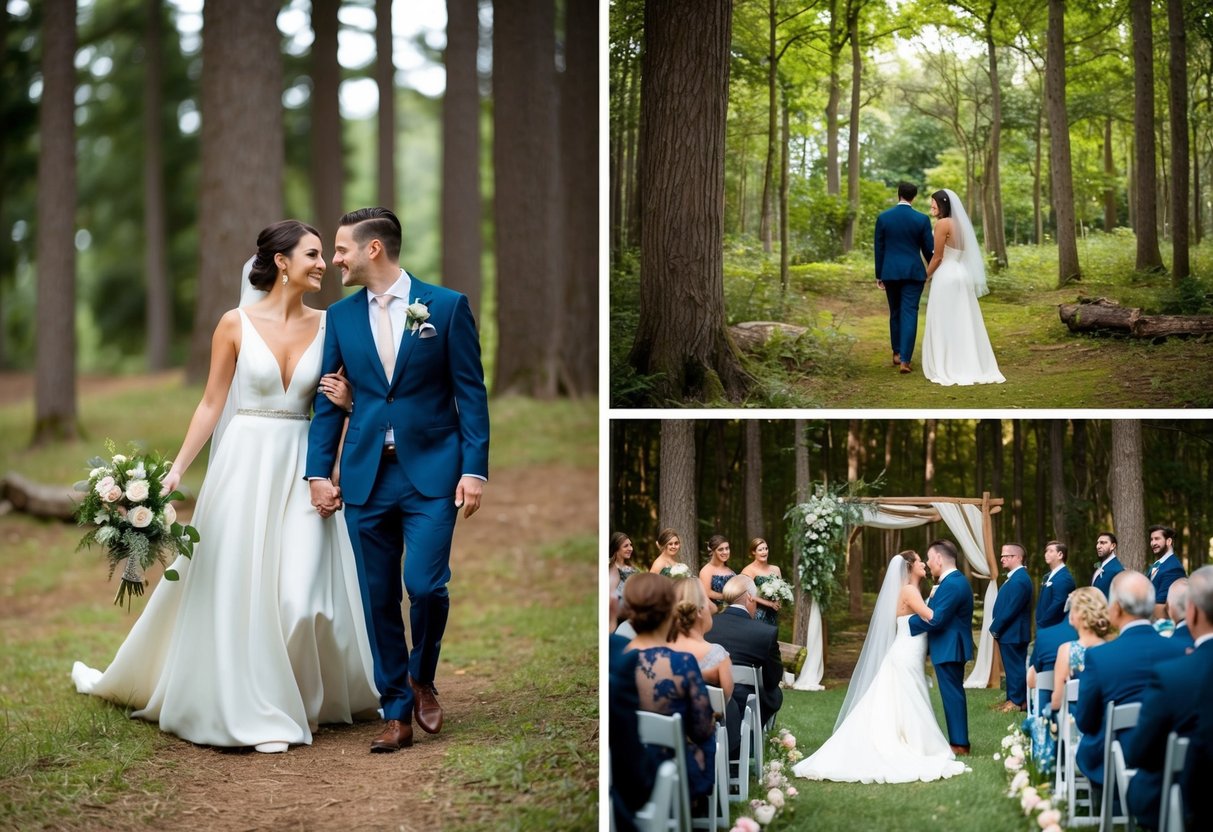
When deciding between eloping and having a traditional wedding, understanding the planning and logistics is crucial. The steps you take can greatly affect your experience, budget, and overall enjoyment of the big day. Here are some important areas to focus on.
Choosing the Location
Your location sets the mood for your special day. Elopements often allow for more flexibility, so you can choose a scenic spot like a beach, mountain, or even a quaint city. This can make the day feel more personal.
For traditional weddings, locations may be limited by guest accommodations. You’ll likely need a venue that can host everyone comfortably. This could range from a grand hall to a cozy backyard. Think about what atmosphere you want, and pick a location that reflects that.
Guest List Considerations
With elopements, you typically have a very small guest list. Many couples choose to include only immediate family or close friends. This can create an intimate moment, focusing solely on your love story.
Traditional weddings usually include a larger guest list. Think about your family, friends, and coworkers. Each person added means more logistics, like seating arrangements and catering. Balancing your desires with your budget is key. Although it can be fulfilling to celebrate with everyone, it often adds stress to the planning process.
Legal and Documentation Needs
Regardless of your choice, you will need to handle legal documents. For both elopements and traditional weddings, securing a marriage license is essential. Different states have various requirements, such as waiting periods and costs.
For elopements, some locations might even offer elopement packages that simplify legal matters. In contrast, traditional weddings may require you to gather more documentation if you plan to hold the ceremony in a venue that involves specific permits or licenses. Make sure to check the details ahead of time!
Planning Process and Stress Factors
Planning an elopement is usually quicker and less stressful. You may only need a few weeks to organize everything. Focus on the essentials, like choosing your outfit and booking the location. Fewer logistics can lead to a more enjoyable experience.
On the contrary, planning a traditional wedding often requires months, if not a year. You’ll need to hire vendors, coordinate schedules, and manage a guest list. All this can feel overwhelming. Consider creating a timeline to help keep things organized. Streamlining your planning can help reduce stress, letting you enjoy the special occasion.
Financial Aspects
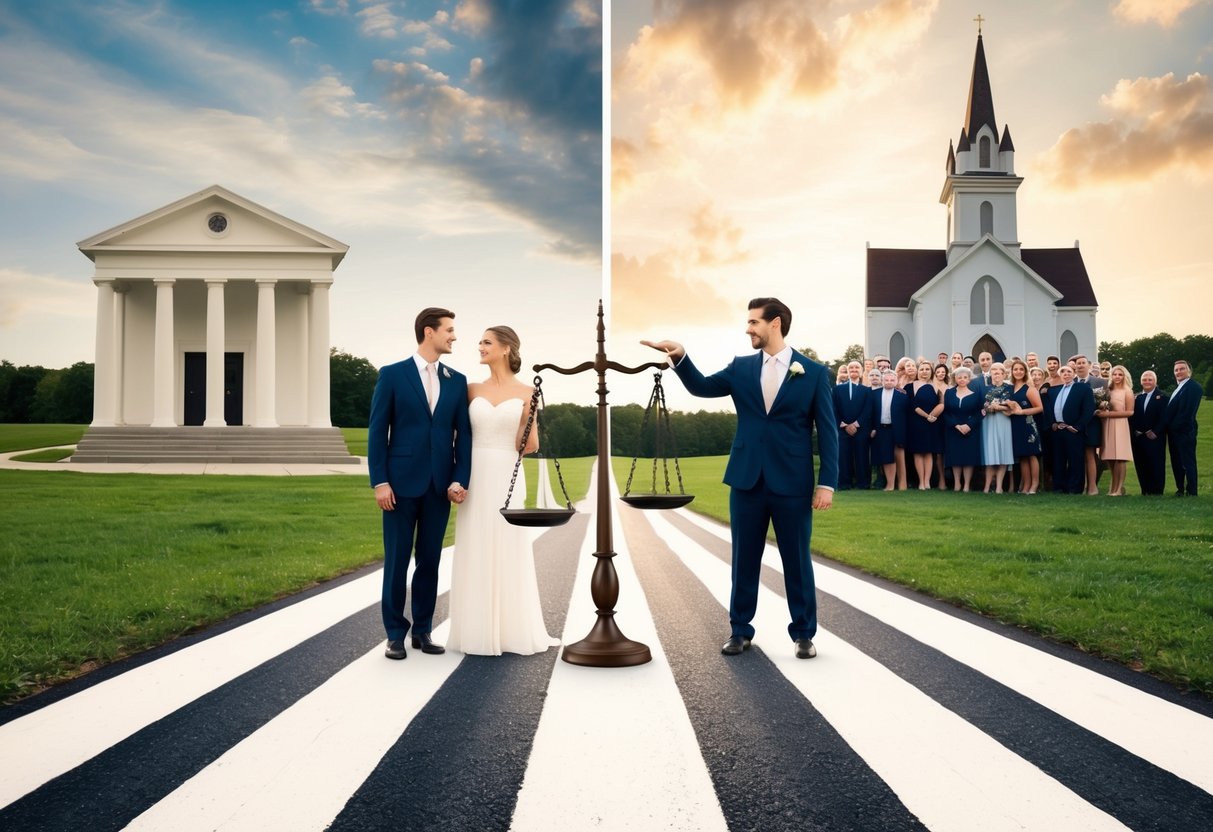
When deciding between eloping and having a traditional wedding, understanding the financial implications is essential. The costs can vary widely based on your choices, so it’s important to consider the details of each option.
Average and Total Costs
The average cost of a wedding in the U.S. is around $30,000, but this can change based on factors like location and guest count. You’ll need to budget for various expenses, including the venue, catering, attire, and entertainment.
In contrast, eloping typically costs around $1,500 to $5,000. This often includes just the essentials like officiant fees, permits, and photography. By avoiding large guest lists and extravagant venues, elopements allow you to save significantly.
Budgeting for Your Choice
When budgeting for your event, outline all potential expenses. For a wedding, consider costs like:
- Venue rental
- Catering and drinks
- Decorations and flowers
- Photography and videography
- Entertainment
On the other hand, for an elopement, your focus can be on:
- Travel costs
- Officiant fees
- Accommodations
- Photography
Create a list to track expected costs. This will help in determining which option aligns better with your financial goals.
Elopement Packages vs. Wedding Venues
Many companies offer elopement packages that include all necessary components, often at a discount. These packages can simplify planning by covering key services like photography, flowers, and even legal paperwork.
In contrast, wedding venues can come with significant fees. You may face costs like deposits, insurance, and restrictions on vendors.
Some venues offer all-inclusive deals, but these can still reach the high end of your budget.
Weighing the cost differences can help you decide which route is best for you.