
What’s the Thinnest a Wedding Band Should Be for Comfort and Style?
Choosing a wedding band is an exciting part of planning your special day. You may be wondering about the best width for your ring. Typically, a wedding band should be at least 1mm thick, but many people often choose a width of 2mm for a balance of elegance and durability.
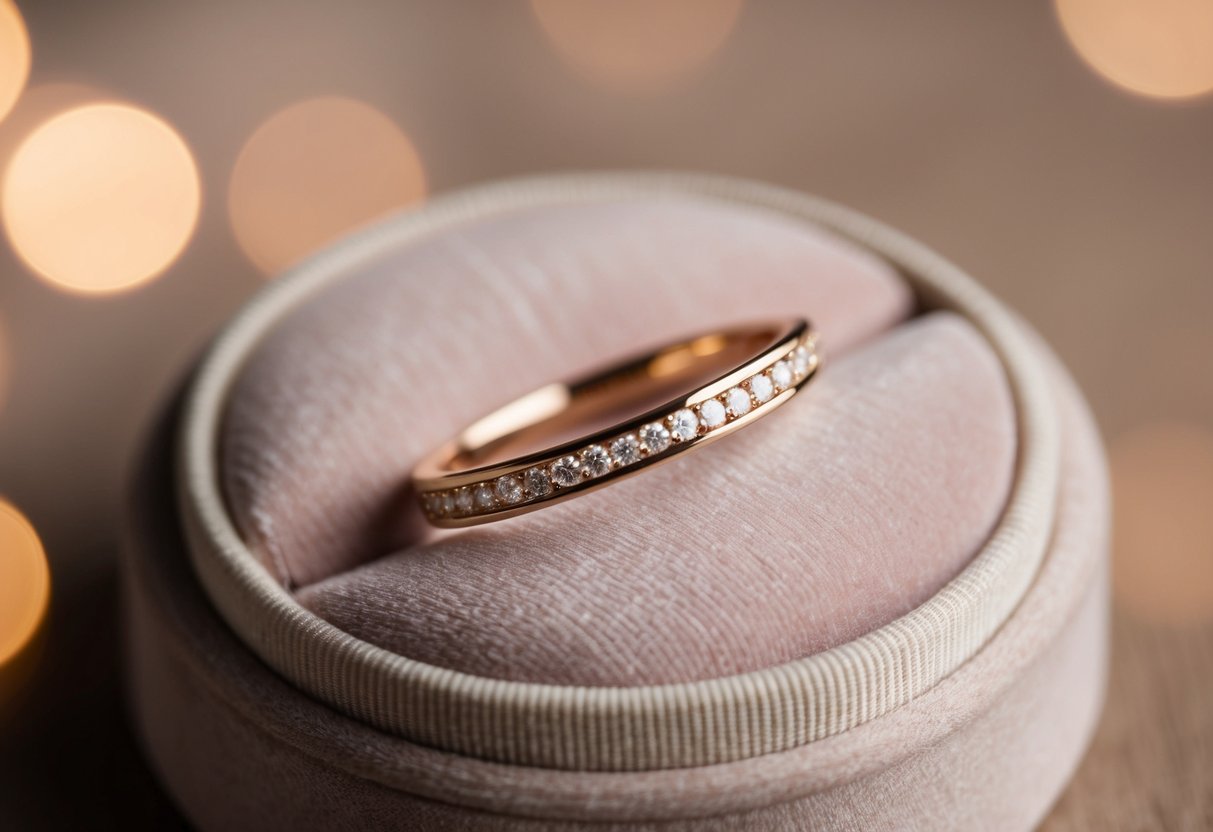
Finding the right thickness not only affects the look of your ring but also how it feels on your finger. A thinner band can create a delicate appearance, especially for those with finer fingers. It’s essential to strike a balance between style and practicality to ensure your ring lasts through the years ahead.
As you explore your options, consider how the band will fit into your everyday life. A well-chosen width can enhance your personal style while ensuring comfort, making it a meaningful choice for your wedding band.
Understanding Wedding Band Widths
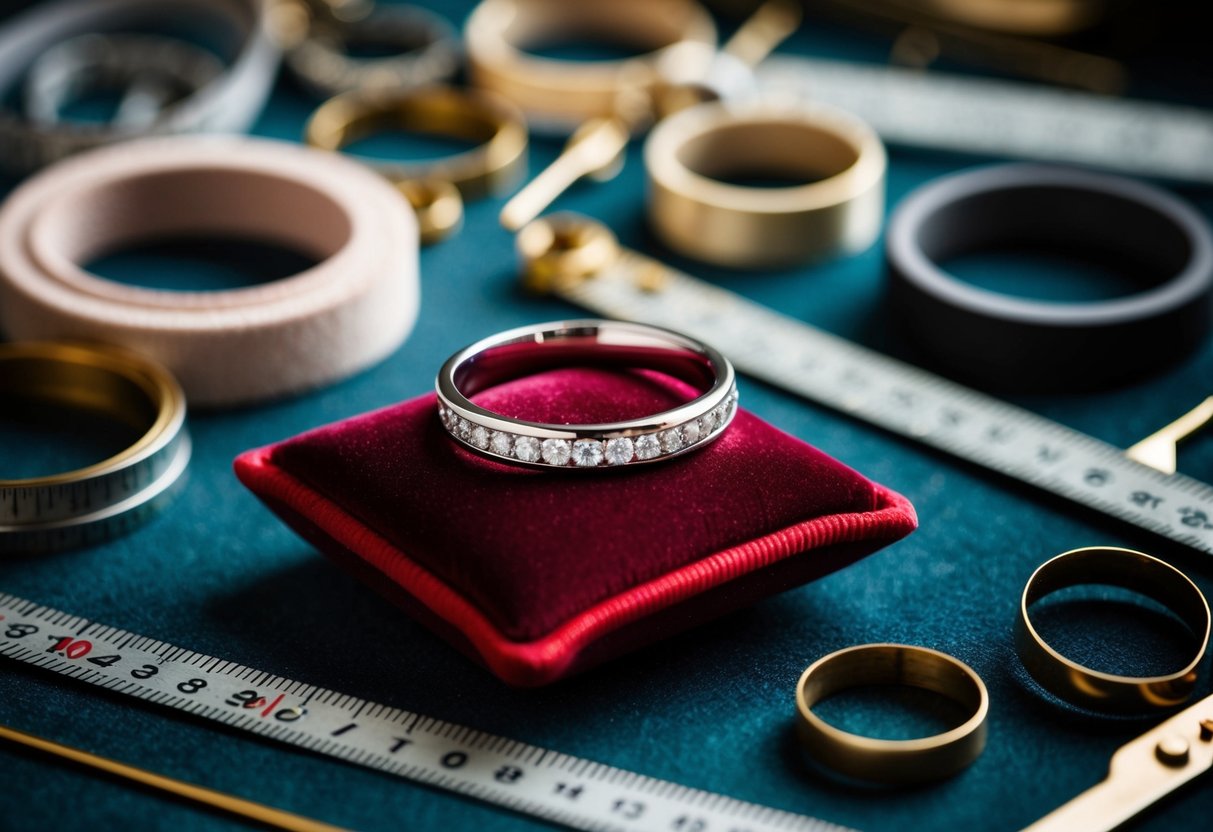
Choosing the right width for your wedding band involves considering the measurements that fit your fingers best. It’s essential to understand the range of band widths and how factors like finger size and shape can influence your choice.
Defining Band Width Range
Wedding bands come in a variety of widths, typically ranging from 1mm to 20mm. Here’s a quick breakdown of common widths:
- 1-2mm: Very thin and delicate, great for a minimalist look.
- 2-4mm: Standard choice for many, balancing elegance and durability.
- 5mm and above: Offers a bolder statement and is perfect for those with larger fingers.
When selecting the width, consider both your style and comfort. If you have slender fingers or short fingers, you may prefer thinner bands for a more proportional appearance. Conversely, wider bands can look good on larger hands or fingers.
Impact of Finger Size and Shape
Your finger size and shape play a crucial role in determining the best wedding band width. For example, if you have slim hands or slender fingers, thinner bands (around 1-2mm) may highlight your natural shape without overwhelming it.
On the other hand, if your knuckles are a bit larger, you might find a 4-6mm band more comfortable and supportive. Bands that are too slim might shift or spin on the finger, leading to discomfort. Always take the time to try on different widths to see what feels right for you. Balancing width with your unique finger characteristics will ensure you find the perfect fit.
The Interplay of Comfort and Style
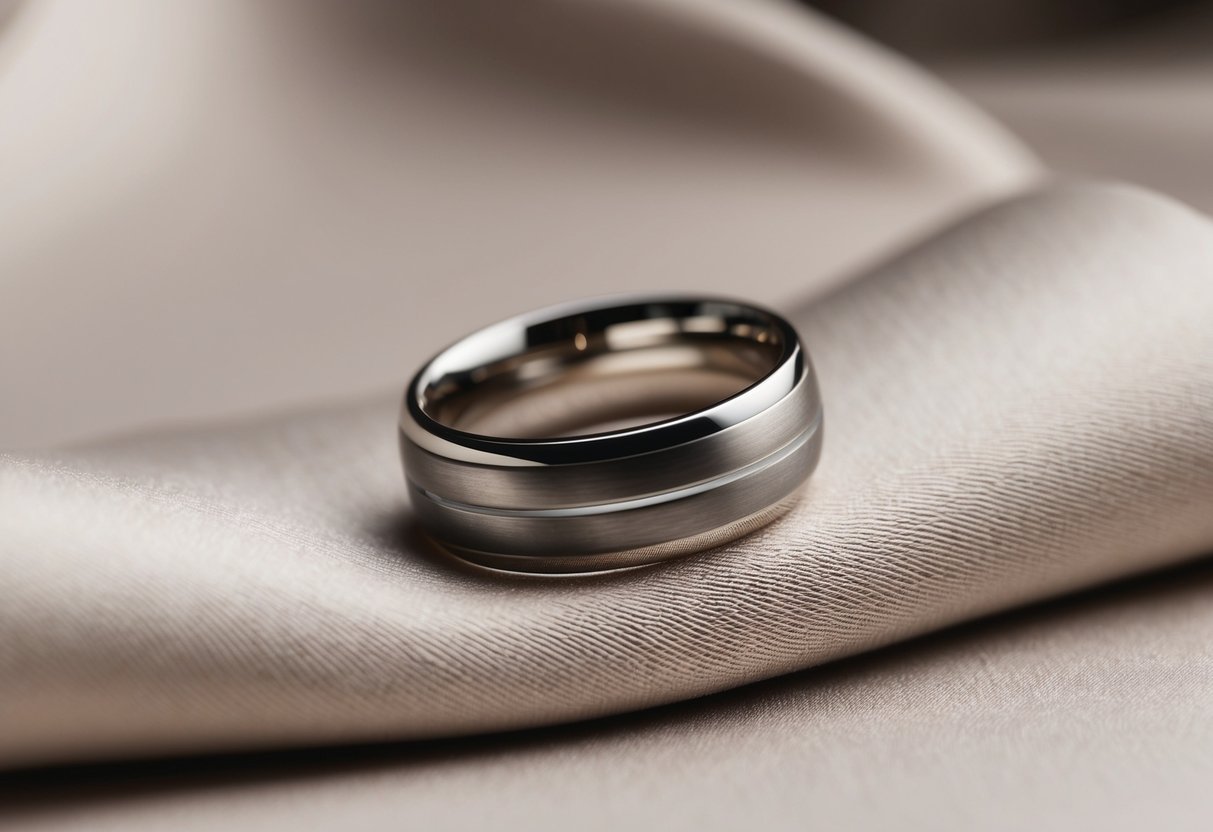
Choosing a thin wedding band requires careful thought about how comfort and design work together. Your personal style matters, but it’s also crucial to consider how the ring will feel during daily wear.
Comfort Considerations of Thin Bands
When it comes to thin wedding bands, comfort is key. Bands that are too thin, usually around 1mm, might look attractive but can feel fragile. Durability should not be overlooked; a width of 2mm is often the standard for balancing comfort and strength.
It’s wise to think about your daily activities. If you’re active or use your hands a lot, a slightly thicker band can stand up better to wear. Options like dainty jewelry also offer a delicate look without sacrificing comfort. Feel how the ring fits before buying, as snugness can lead to discomfort over time.
Design Aesthetics and Personal Style
Your personal style greatly influences your choice of a wedding band. Thin wedding bands are often associated with elegance because of their minimalist design. They can complement other pieces of jewelry nicely and highlight your taste in fashion.
Choosing a band that reflects your individuality can create a pleasing aesthetic. Whether you prefer a plain design or one with subtle embellishments, there’s a thin band to match your unique style. Always aim for a balance between elegance and durability so your ring remains beautiful while lasting through years of wear.
Materials and Durability
Choosing the right material for your wedding band is crucial for both its appearance and how well it holds up over time. The durability of a ring is influenced by the metal’s purity and its ability to withstand everyday wear.
Gold Purity and Band Strength
Gold is a popular choice for wedding bands because of its beauty and value. However, not all gold is created equal.
18k gold contains 75% gold and 25% other metals, making it more durable than 14k gold, which has 58.3% gold. The higher the gold content, the softer the metal tends to be. This means that while 18k gold has a richer color, it can scratch more easily than 14k gold.
For everyday wear, 14k gold is often preferred because it strikes a balance between beauty and strength. It is less prone to scratching and bending, making it suitable for daily activities without sacrificing style.
Structural Integrity and Everyday Wear
When selecting a wedding band, consider how it will hold up with regular use. A thin band may look delicate, but it needs to be structurally sound.
Most experts recommend a minimum width of 1.5mm to ensure your ring can withstand daily challenges like impacts and friction. Thinner bands can be more prone to bending or breaking.
Also, consider other materials for added durability, such as carbon fiber or tungsten. These can enhance the structural integrity of your ring while providing a unique look. Always think about your lifestyle—if you’re very active, select a design that can handle the wear and tear of your everyday life.
Selecting the Perfect Wedding Band
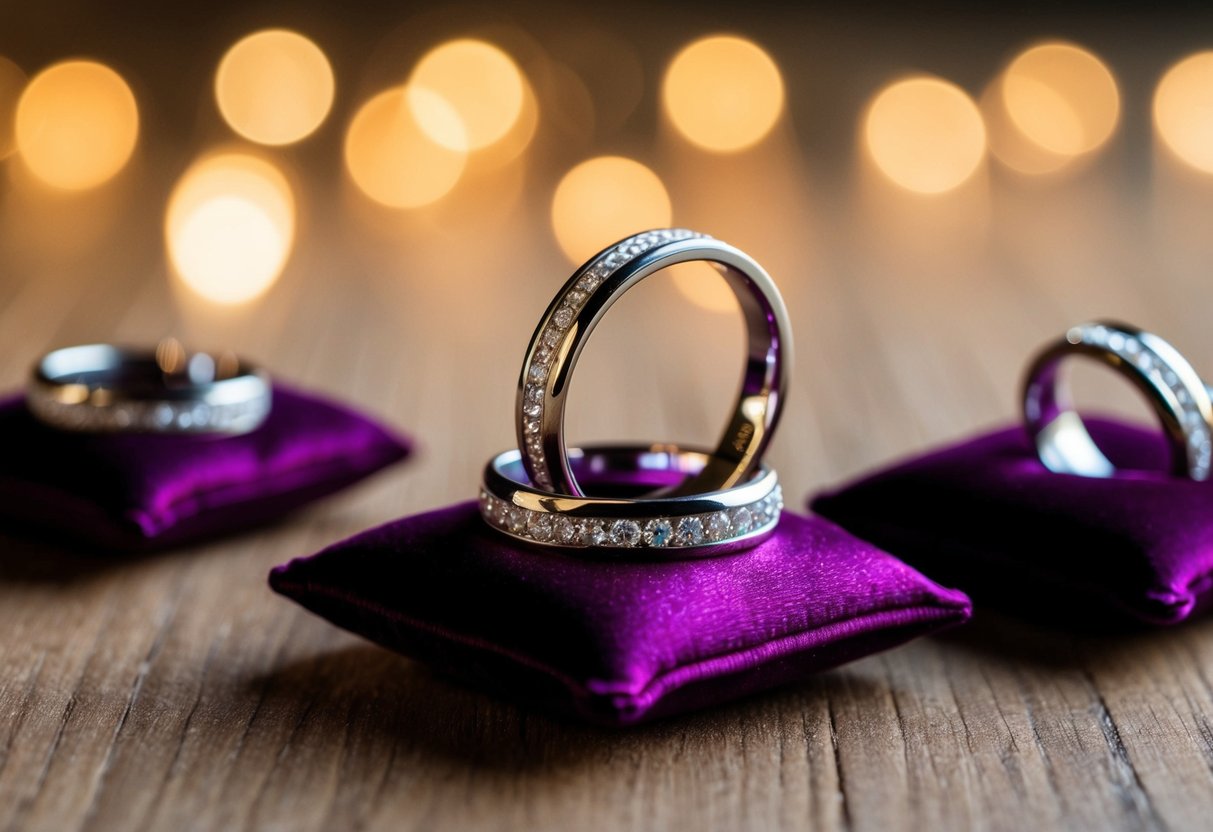
Finding the right wedding band is an important task. You want it to complement your engagement ring while reflecting your personal style and preferences. Here are some key points to think about when choosing your wedding band.
Coordinating with Engagement Rings
When choosing your wedding band, make sure it matches well with your engagement ring. If your engagement ring features a larger diamond or a unique design, opt for a wedding band that enhances its beauty.
Consider styles like:
- Curved bands: These fit nicely against many engagement ring shapes.
- Simple bands: These provide a classic look that pairs well with elaborate rings.
If your engagement ring is thin and delicate, stick with a similarly styled band, usually around 1-2mm. This will maintain harmony in your overall look.
Matching Widths to Jewelry Preferences
Your preferences for width and style are crucial in selecting the perfect wedding band.
Thin bands, typically measuring 1-2mm, give a dainty and stylish appearance. They work well if you have slender fingers or prefer a minimalist aesthetic.
On the other hand, wider bands (3mm or more) can enhance the look of larger stones. If you favor a bolder style or have a substantial engagement ring, a wider band may suit you better.
Always try on different widths to see what feels right on your hand.
The goal is to find a band that feels comfortable while matching your personal style.