
When Not to Wear an Engagement Ring: Understanding the Right Moments for Your Sparkler
You might love showing off your engagement ring, but there are times when it’s smart to take it off. Knowing when not to wear your engagement ring can help protect your diamond and precious metals from damage.
Whether you’re working out, cooking, or spending a day at the beach, different situations can put your beautiful ring at risk.
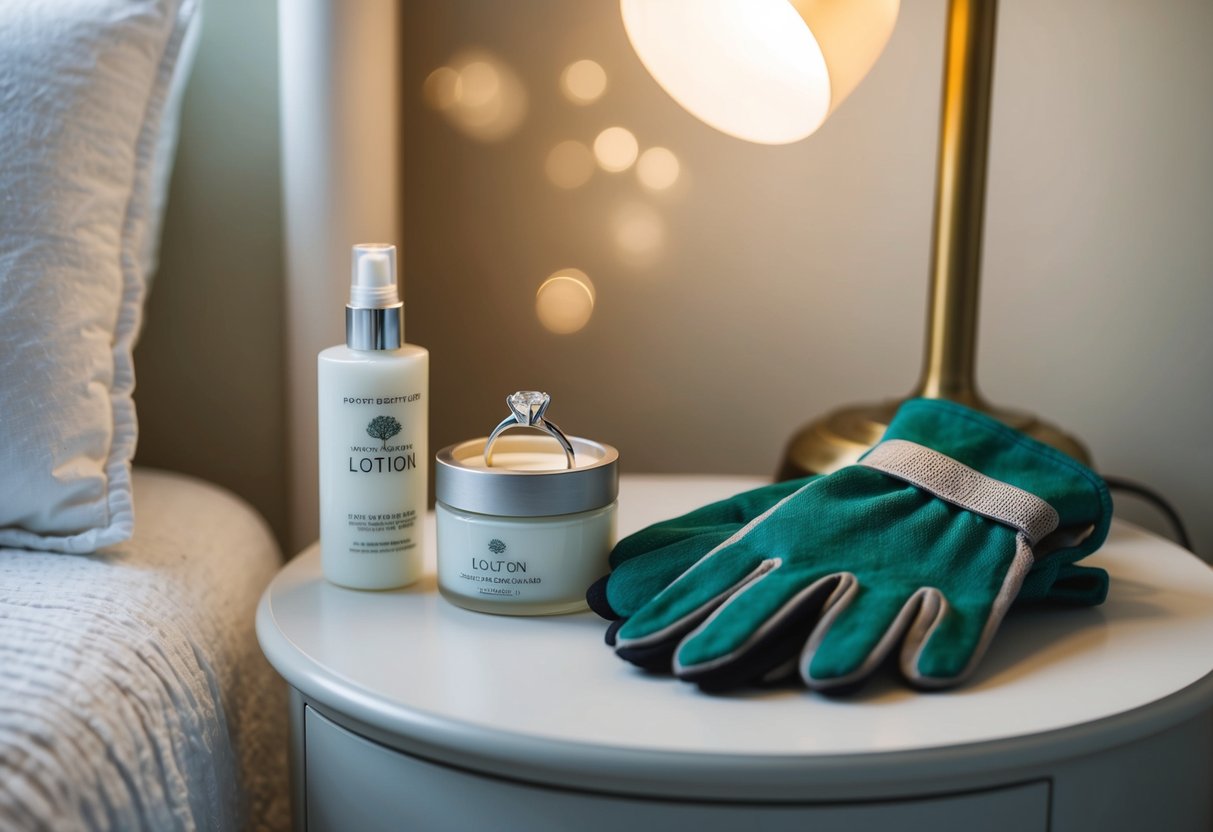
Manual tasks and exposure to harsh chemicals can harm not just the stones, like diamonds and other gemstones, but also the band itself. For instance, gardening or doing heavy lifting can lead to scratches or even loss.
Being aware of the right moments to remove your ring can help you keep it looking stunning for years to come.
Learning about proper ring care is essential for any proud owner. You want your engagement ring to shine bright every day, so taking these precautions will help you maintain its beauty and value.
Protecting Your Ring During Daily Activities
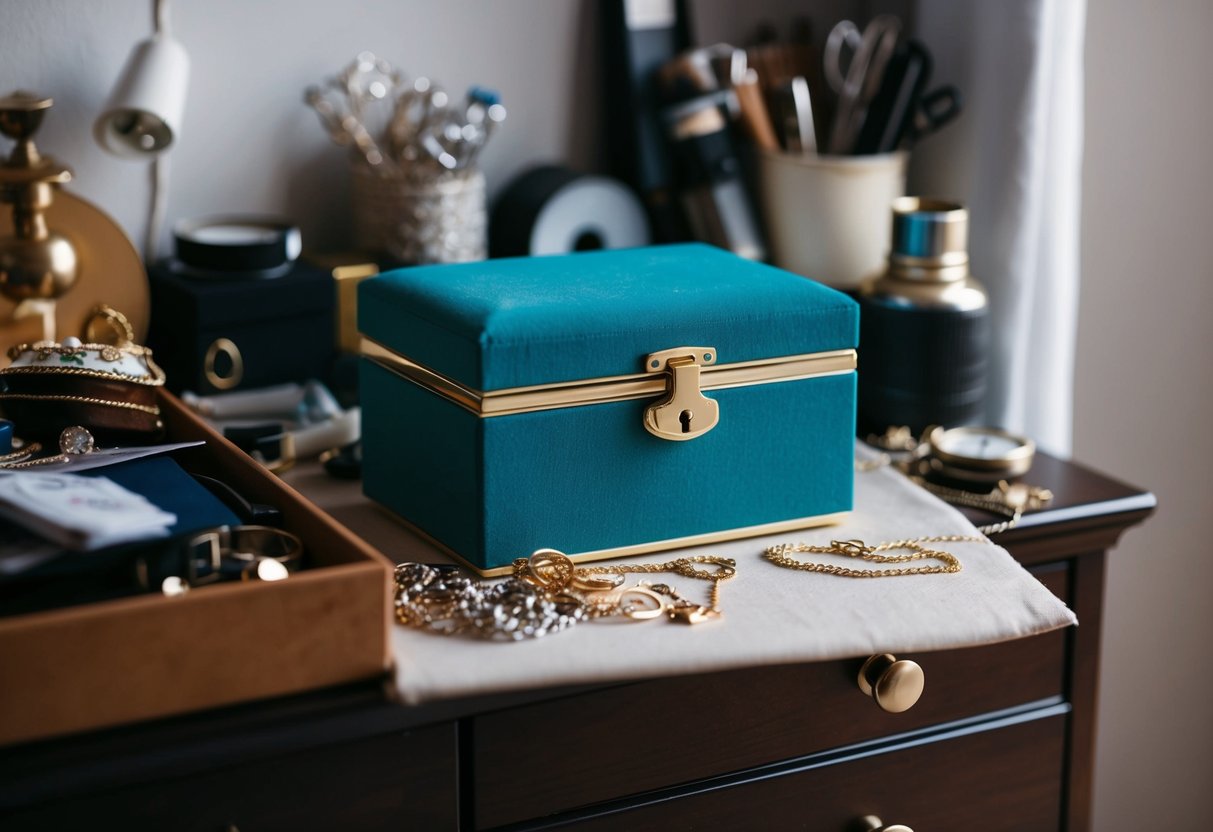
Your engagement ring is beautiful and delicate. To keep it safe, be mindful of various daily activities that could cause damage. Here are some specific situations where you should consider removing your ring.
Household Chores and Chemical Exposure
When you tackle household chores, chemicals can be harmful to your ring. Cleaning products often contain strong substances like chlorine that might dull your ring’s shine.
Wearing gloves is a simple way to protect your jewelry during cleaning. This extra step helps keep your ring safe from scratches and prevents exposure to harmful chemicals.
If you’re gardening, remove your ring to avoid dirt or grime buildup. Soil can get stuck in the prongs and could lead to damage over time.
Physical Activities and Exercise
Exercising is great for your health, but it can put your engagement ring at risk. Whether you’re lifting weights at the gym or jogging, the pressure or movements can bend the band.
During high-impact workouts, consider leaving your ring at home. Even activities like yoga can put stress on your ring.
If you enjoy outdoor activities, keep your ring off to prevent it from snagging on equipment or clothing.
Cooking, Baking, and Food Preparation
In the kitchen, it’s easy to forget about your ring. Cooking can expose your ring to oils, food particles, and harsh cleaning agents.
If you are handling raw ingredients or cutting vegetables, remove your ring to avoid it getting dirty or lost. Scrubbing pots with abrasive cleaners can also scratch the surface of your ring.
When it comes to applying lotion, remember to take off your ring first. Lotions can cause slippery fingers, increasing the risk of dropping your ring.
By being mindful during cooking and food prep, you can ensure that your ring stays sparkling and damage-free.
Caring for Your Ring in Water and Extreme Environments
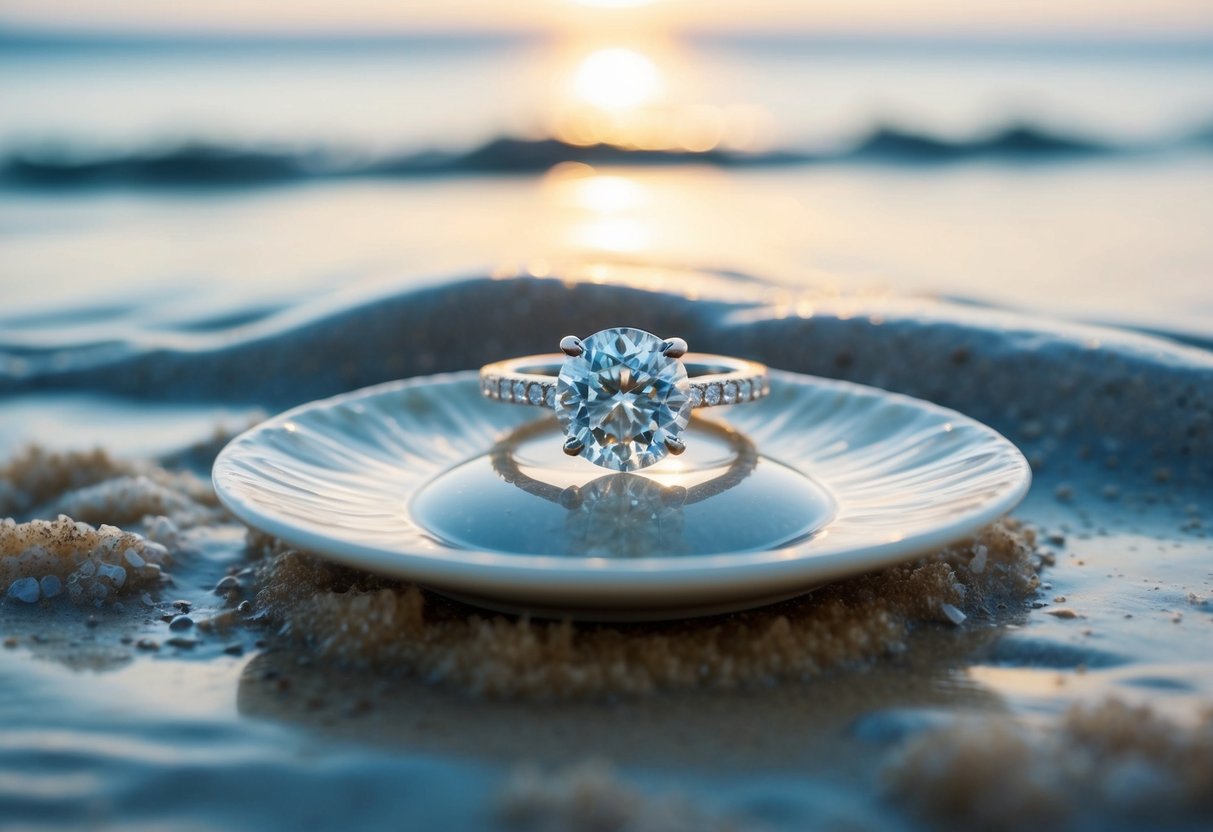
Your engagement ring needs special attention in water and extreme conditions. Protecting it from damage can help keep it looking its best for years to come.
Swimming and Exposure to Water
When swimming, it’s best to remove your engagement ring. Chlorine from pools can harm certain metals, causing discoloration or weakening them. Saltwater from oceans can also be damaging, as it may corrode the metal over time.
If you wear your ring while swimming, it could even slip off your finger. Cold water can cause your fingers to shrink, increasing the risk. Consider leaving it in a safe place before you dive in.
Adventures and Travel Considerations
Traveling often means encountering different environments where your ring may not be safe. Whether you’re hiking, kayaking, or engaging in other adventurous activities, it’s wise to leave your ring behind.
Silicone rings are a great alternative for active situations. They are lightweight and less likely to get damaged. Always consider the location and potential hazards when deciding what jewelry to wear.
Temperature Extremes and Outdoor Activities
Extreme temperatures can pose risks as well. If you’re in very hot conditions, sweat can lead to your ring becoming loose. This increases the chance it might slide off.
In cold weather, your fingers may shrink, making your ring fit too loosely. If you plan on spending time outdoors, it’s a good idea to think about removing your engagement ring.
Special Considerations for Ring Care
Taking care of your engagement ring is important, especially during significant life changes and daily activities. Knowing when to remove your ring can help maintain its beauty and ensure its safety.
Lifestyle and Health Changes
Your lifestyle can affect your engagement ring. For instance, if you are pregnant, your fingers might swell. This can make it uncomfortable to wear your ring and increase the risk of losing it.
Also, if you get sick or have allergies, taking off your ring is wise. It can help prevent irritation and keep the ring from touching any medications. Consider keeping your ring in a safe ring box during these times to avoid misplacing it.
Crafting, Applying Lotions, and Cosmetics
When you craft or use harsh chemicals, remove your engagement ring. Substances can scratch the metal or dull the stone. If you’re applying lotions or cosmetics, it’s also smart to take off your ring.
Oils and creams can leave a residue on your ring, making it look cloudy. Wiping your hands before putting on your ring can help, but keeping it safe in a ring box while applying products is a better choice. Always check your ring after these activities to ensure it remains in good condition.