
When Not to Wear an Engagement Ring? Tips for Special Occasions and Everyday Life
Your engagement ring is a symbol of love and commitment, but there are certain times when it’s best to take it off. Removing your ring during activities like working out, cooking, or gardening can help protect it from damage. These situations often involve harsh chemicals, rough surfaces, or physical stress that could harm the ring’s metal or stones.
Wearing your ring at the beach is another scenario to consider. The sand and saltwater can scratch and damage it, and you run the risk of losing it in the ocean. Keeping your ring safe while enjoying these activities ensures that it remains a beautiful reminder of your engagement for years to come.
Understanding when not to wear your engagement ring can help you maintain its beauty and integrity. Let’s explore more about the specific situations where it’s wise to keep your ring safely stored away.
Daily Activities and Ring Safety
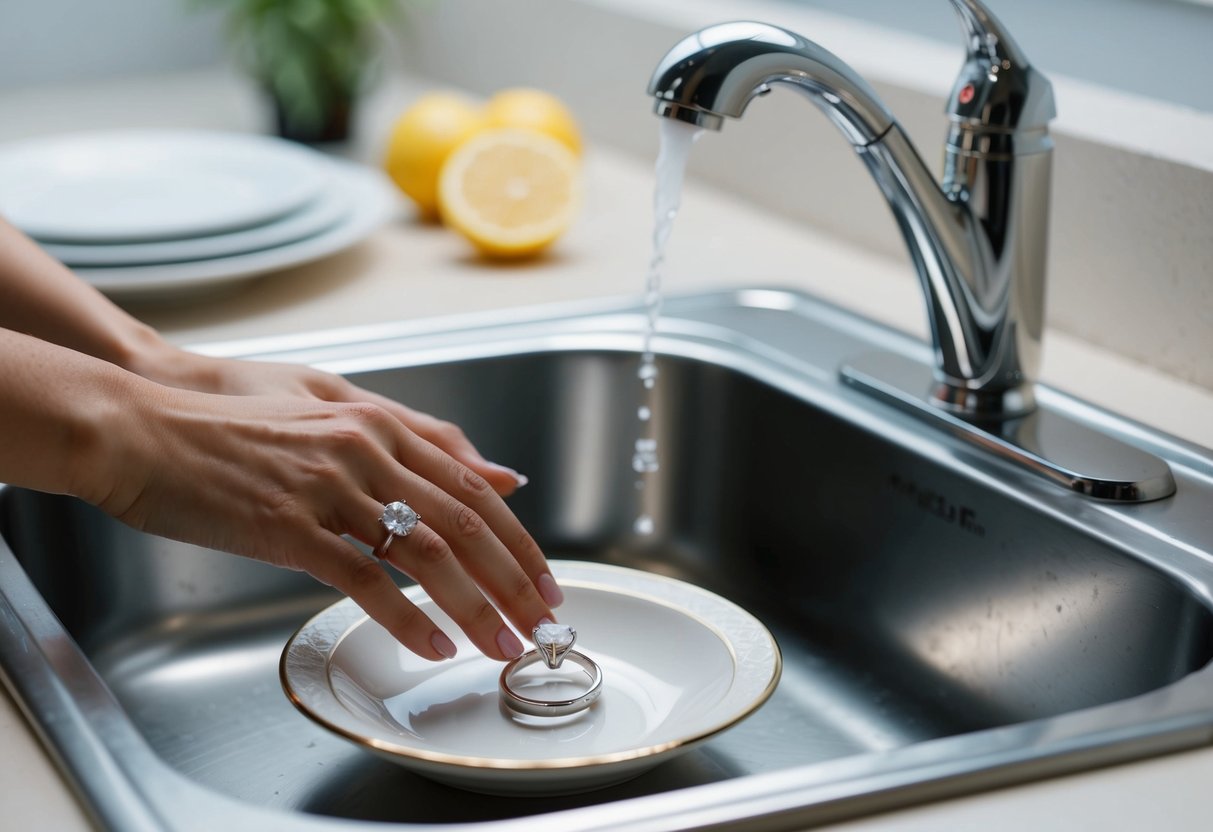
Taking care of your engagement ring is important, especially during daily activities. Certain tasks can put your ring at risk of damage or loss. It’s best to know when to take it off to keep it safe.
In the Kitchen
When you cook or bake, it’s wise to remove your ring. Cooking can involve harsh ingredients and chemicals. For example, acids in tomatoes or vinegar can damage your ring’s metal.
Additionally, food particles can get stuck in the prongs holding the stone. This not only dirties your ring but can also loosen it over time. If you’re chopping, mixing, or kneading, take off your ring and place it in a safe spot.
Always remember to wash your hands thoroughly before putting it back on. This helps prevent any oils or lotions from transferring onto your jewelry.
Household Cleaning
Cleaning your home is another time when you should consider removing your ring. Many cleaning products contain harsh chemicals that can tarnish or damage your ring.
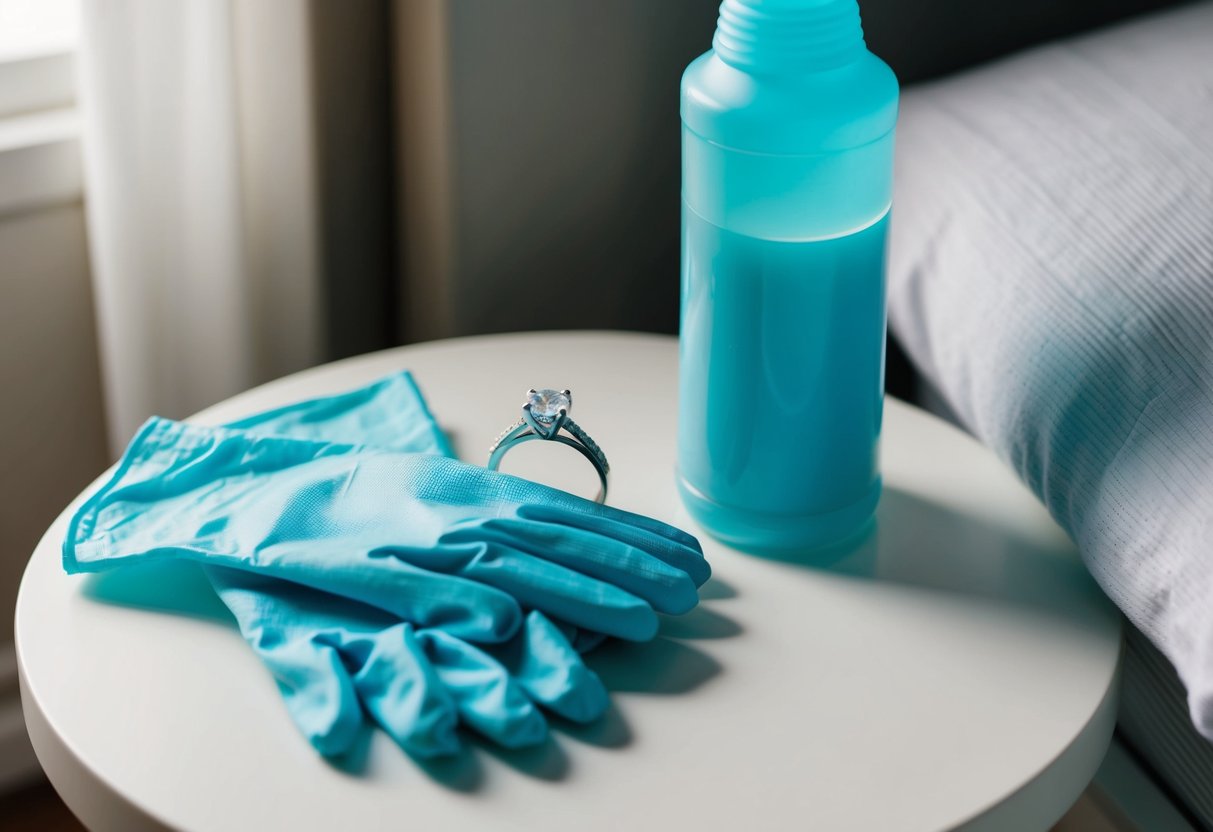
Likewise, if you’re scrubbing or moving furniture, your ring can get caught and possibly slip off. Use gloves while cleaning to protect your hands. This also reduces the chance of your ring snagging on anything.
If you plan on doing heavy cleaning or using bleach and other strong cleaners, it’s best to take your ring off first. Store it somewhere safe until you finish your chores.
Getting Crafty or Gardening
Whether you’re crafting or gardening, hands-on activities can put your engagement ring at risk. When you’re in the garden, dirt and debris can get stuck in the settings, which can weaken them.
If you’re applying lotion or paint, these substances can leave residues that dull your ring’s shine. Always remove your ring before starting messy projects.
For gardening, sharp tools can also catch on your ring, leading to potential loss or damage. Place your ring in a secure location, like a jewelry box or a safe pocket, until you’re done with your tasks.
Physical and Outdoor Activities

When you are engaged in physical and outdoor activities, it’s wise to think about your engagement ring. Taking it off during these times helps protect it from damage or loss.
Hitting the Gym
Before you hit the gym, consider leaving your engagement ring at home. Weightlifting, cardio, and group classes can expose your ring to sweat and impact. This can cause scratches on the metal or loosen any stones.
You also risk losing it if it slips off during an intense workout. For safety, store your ring in a secure place, like a small pouch in your gym bag. Always remember to keep your ring away from equipment to avoid accidents and prevent any unnecessary expenses on repairs.
Swimming and Beach Outings
Swimming can be especially risky for your engagement ring. Both chlorine in pools and saltwater in the ocean can damage your ring. Chlorine may cause gold to become discolored, while saltwater can lead to corrosion.
There is also the chance of losing your ring in deep water. To keep your ring safe, it’s best to take it off before you swim or play at the beach. If you want to keep it nearby, consider bringing a small waterproof bag to hold it.
Travel and Adventure
Traveling often brings thrilling outdoor activities, but it can also put your engagement ring at risk. Whether you are hiking, biking, or partaking in adventures, physical strains can damage your ring.
Rough terrains can increase the chances of scratching or knocking loose a stone. To avoid any mishaps, remove your ring before engaging in these activities. If you know you’ll be active, pack a safe place to store your ring, such as a travel jewelry case. This way, you can enjoy your adventures without worrying about your precious jewelry.
Personal Care and Life Events
It’s important to think about when to take off your engagement ring for your personal care and during significant life events. Certain activities can pose a risk to your ring or may not be appropriate while wearing it.
Beauty and Skincare Routine
When you apply lotions or creams, consider removing your engagement ring. These products can build up on your ring, dulling its shine and possibly leading to long-term damage.
Also, using harsh beauty products like hair sprays or makeup can harm your ring. If you’re planning to do a facial or any treatment that involves oils, it’s best to leave your ring off. This way, you won’t risk losing it and can keep it in great condition.
During Pregnancy or Illness
During pregnancy, changes in your body can affect how your rings fit. Swelling in your fingers is common and can make your engagement ring uncomfortable. It’s a good idea to take off your ring when you notice tightness.
If you’re not feeling well, especially if you have a fever or are sick, remove your ring. You might not care about your jewelry during this time, and keeping it safe from potential loss is wise.
When Sleeping
Sleeping with your engagement ring on may not be the best choice. When you sleep, you might accidentally hit your ring against something, causing damage.
The ring can also feel uncomfortable, especially if it’s bulky. Plus, if you sleep on your side, the pressure can lead to discomfort. Consider placing your ring in a safe spot before you go to bed to keep it secure and avoid any unwanted wear-and-tear.
Protecting Your Engagement Ring
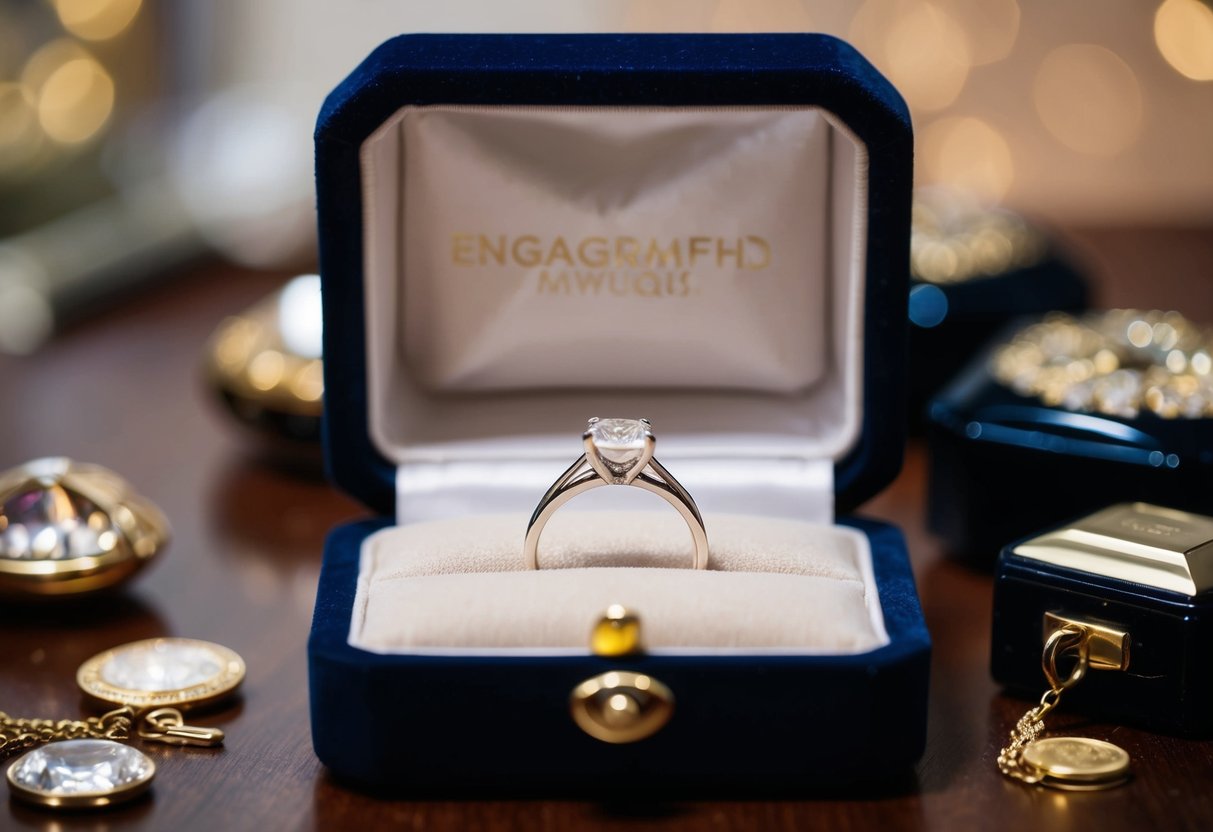
Taking care of your engagement ring is crucial for keeping it looking beautiful. Knowing when to remove your ring and how to protect it through proper care can help prevent damage. Below are key points on using silicone rings and understanding jewelry care and insurance.
Understanding When to Use a Silicone Ring
Silicone rings can be a great alternative to your diamond engagement ring in certain situations. If you are engaging in activities like working out, gardening, or cooking, switching to a silicone ring can help protect your precious metals and gemstones.
Silicone rings are durable and flexible, which makes them ideal for active lifestyles. They won’t scratch or get damaged like your engagement ring might. Always keep your silicone ring handy; consider using a small ring box to store it when you’re not wearing it. This ensures your main ring stays safe when it’s time for some fun.
Jewelry Care and Insurance
Proper jewelry care is essential for maintaining the beauty of your engagement ring. Regular cleaning can prevent dirt from building up and affecting the shine. Clean your ring with a gentle jewelry cleaner and soft cloth to avoid scratching the diamonds and precious metals.
It’s also wise to invest in jewelry insurance. Jewelry insurance can cover repairs or replacements if your ring gets lost or damaged. Most insurance plans cost about 1-2% of your ring’s value annually. This small investment provides peace of mind, allowing you to enjoy your engagement ring without worry.